


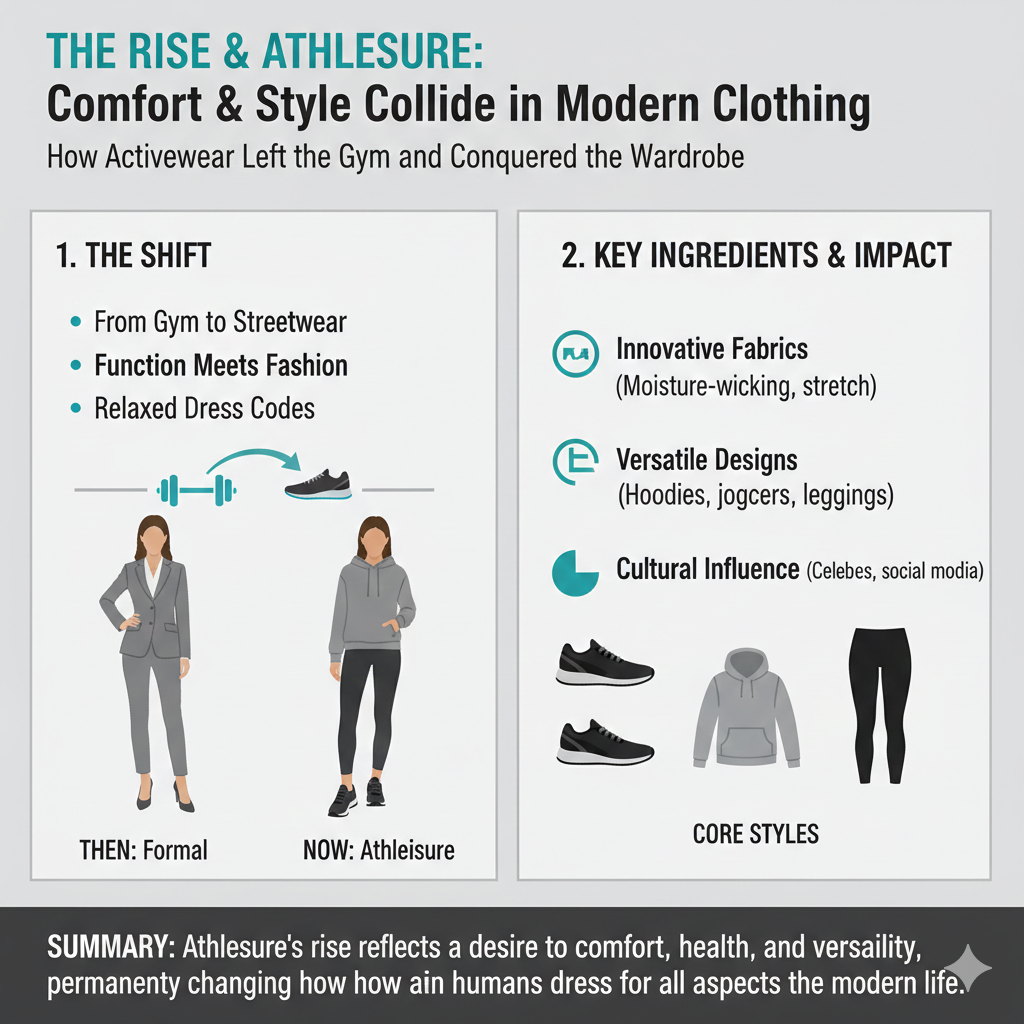
For most of human history, getting dressed meant making a choice: look good or feel comfortable. Formal occasions demanded stiff collars, tight waistbands, and restrictive silhouettes. Casual wear offered relief, but rarely sophistication. Then athleisure arrived and dissolved that boundary altogether.
Athleisure represents more than a fashion trend. It reflects a fundamental shift in how we think about clothing—prioritizing movement, flexibility, and all-day wearability without sacrificing style. Yoga pants became acceptable boardroom attire. Sneakers paired with blazers. Hoodies earned spots in luxury collections.
This transformation didn’t happen overnight. It emerged from converging forces: evolving work cultures, advances in fabric technology, the global fitness movement, and social media’s celebration of authenticity over formality. Together, these factors reshaped not just what we wear, but why we wear it.
Understanding athleisure’s rise means examining how streetwear changed modern dressing habits, exploring innovations in textile manufacturing, and recognizing how our relationship with clothing continues to evolve. This isn’t just about fashion—it’s about modern human clothing styles explained through the lens of comfort, function, and contemporary life.
The Origins of Athleisure in Sportswear Culture
Athleisure didn’t emerge from traditional fashion houses. Its roots trace back to sportswear—clothing designed for physical performance that gradually crossed into everyday contexts.
Performance Apparel and Everyday Fashion
Athletic wear began its cultural ascent in the 1970s and 1980s when jogging became a mainstream activity. Running shoes transitioned from track equipment to street footwear. Tracksuits evolved from warm-up gear to casual uniforms. Brands like Nike, Adidas, and Reebok built empires by positioning athletic apparel as lifestyle choices rather than purely functional items.
The real breakthrough came when designers recognized that performance features—moisture-wicking fabrics, four-way stretch, ergonomic construction—could enhance everyday clothing. Understanding the difference between woven and knitted garments became crucial, as knitted fabrics offered the flexibility and recovery properties that made athleisure practical for all-day wear.
Early adopters were often people whose lives blurred work, exercise, and social activities. They needed clothing that moved seamlessly between gym sessions, coffee meetings, and errands. This lifestyle reality created demand for garments that looked presentable while offering athletic functionality.
Influence of Fitness Trends
The explosion of boutique fitness culture in the 2010s accelerated athleisure’s mainstream acceptance. SoulCycle, CrossFit, yoga studios, and barre classes became social destinations, not just workout venues. Participants wanted clothing that reflected their investment in wellness while making a style statement.
This shift connected deeply with how body shapes influence clothing silhouettes, as athleisure designs accommodated diverse body types through stretch fabrics and adjustable features. The emphasis on body positivity within fitness communities further reinforced athleisure’s appeal—clothing that celebrated movement and comfort rather than restricting it.
Celebrities and influencers amplified this trend by wearing athletic brands in non-athletic contexts, normalizing the idea that workout clothes weren’t just for working out. The message was clear: comfort and style could coexist.
How Athleisure Changed Clothing Silhouettes
Athleisure fundamentally altered what we consider acceptable proportions, fits, and structures in clothing.
Traditional fashion emphasized structure—garments with defined shapes created through tailoring, interfacing, and rigid fabrics. Athleisure introduced relaxed, body-skimming silhouettes that prioritized ease of movement. Understanding what is a clothing silhouette helps clarify why this shift mattered: silhouettes communicate social messages about formality, professionalism, and identity.
Leggings exemplify this transformation. Once relegated to dance studios and gyms, they became wardrobe staples paired with tunics, oversized sweaters, and even blazers. Their success stemmed from offering both comfort and a streamlined appearance—qualities that resonated with people tired of restrictive denim or formal trousers.
Oversized fits gained prominence too. Hoodies, joggers, and loose-fitting tops became fashionable precisely because they rejected the body-conscious trends that dominated previous decades. This looser aesthetic aligned with broader cultural conversations about clothing silhouettes and gender expression, as athleisure’s unstructured designs often transcended traditional gendered clothing norms.
The athleisure silhouette also introduced layering as a core styling principle. Base layers, mid-layers, and outer shells—concepts borrowed from outdoor performance wear—became everyday fashion strategies. This approach offered versatility, allowing individuals to adapt their outfits throughout the day without changing completely.
Technology and Fabric Innovation Behind Athleisure
Athleisure’s rise would have been impossible without significant advances in textile technology.
Performance fabrics represent the backbone of athleisure. Materials like spandex, elastane, and various polyester blends provide stretch, recovery, and durability that natural fibers alone cannot match. These synthetics wick moisture away from skin, dry quickly, and maintain their shape through repeated wear and washing.
The journey from fiber to fabric clothing process reveals how complex modern textile manufacturing has become. Athleisure fabrics often combine multiple fiber types—blending cotton’s breathability with polyester’s durability and spandex’s stretch. Advanced knitting techniques create fabrics with compression zones, ventilation panels, and seamless construction.
Moisture management technologies transformed everyday comfort. Fabrics engineered to pull sweat away from the body and promote evaporation meant people could wear the same outfit from morning workouts through afternoon meetings without feeling damp or uncomfortable. This practical advantage made athleisure indispensable for busy, active lifestyles.
Antimicrobial treatments addressed another practical concern—odor control. Silver ions, zinc compounds, and other treatments inhibit bacterial growth, allowing garments to stay fresher between washes. This innovation particularly appealed to urban dwellers and frequent travelers seeking versatile, low-maintenance wardrobes.
Sustainability concerns are now driving the next wave of fabric innovation. Recycled polyester, plant-based synthetics, and biodegradable stretch fibers represent the industry’s response to environmental criticism. These developments connect to broader discussions about the future of human clothing in a digital world, where technology and ecological responsibility increasingly intersect.
Social Media and Lifestyle Influence on Athleisure Trends
Digital culture accelerated athleisure’s transformation from niche market to dominant force.
Instagram, in particular, became athleisure’s showcase. Influencers documented #OOTD (outfit of the day) posts featuring yoga pants and crop tops in coffee shops, airports, and city streets. This constant visual reinforcement normalized athleisure in contexts previously reserved for formal or business casual attire.
Social media also democratized fashion influence. Traditional gatekeepers—magazine editors, runway shows, celebrity stylists—still mattered, but everyday people with engaged followings could now drive trends. Many athleisure brands built entire marketing strategies around micro-influencers whose authentic endorsements resonated more powerfully than traditional advertising.
The “wellness lifestyle” aesthetic that flourished on social platforms elevated athleisure beyond mere clothing. It became visual shorthand for self-care, work-life balance, and mindful living. Wearing athleisure signaled participation in this aspirational lifestyle, connecting deeply with what clothing says about identity in contemporary culture.
Remote work—accelerated dramatically by the COVID-19 pandemic—eliminated many remaining barriers to athleisure’s acceptance. When home became the office, rigid dress codes dissolved. People discovered they could be productive and professional in comfortable clothing, fundamentally questioning whether traditional business attire was ever necessary.
This shift has evolutionary precedents. Just as how migration influenced early clothing design by forcing adaptations to new environments, modern lifestyle changes drove clothing evolution toward greater comfort and flexibility. The difference is speed—digital connectivity accelerated what might have taken generations into a few short years.
Athleisure and the Future of Everyday Dressing
Athleisure’s influence extends far beyond its current market dominance, pointing toward broader changes in how we approach clothing.
Versatility will likely become even more central to clothing design. As lives grow busier and more fluid, people seek garments that transition effortlessly between contexts. The “one outfit, multiple occasions” approach that athleisure pioneered may become the default expectation for all clothing categories.
Smart fabrics and wearable technology are already merging with athleisure aesthetics. Garments that monitor biometrics, adjust temperature, or charge devices represent natural extensions of athleisure’s performance-driven philosophy. Exploring smart clothing and wearable technology explained reveals how deeply integrated our clothing and digital lives may become.
Sustainability pressures will reshape athleisure’s material foundations. The synthetic fabrics that enabled athleisure’s technical performance come with environmental costs—microplastic pollution, petroleum dependence, and recycling challenges. The rise of sustainable modern clothing reflects growing consumer demand for eco-friendly options that don’t sacrifice performance or style.
Customization may represent another frontier. As manufacturing technology advances, made-to-order athleisure could become economically viable, allowing people to specify fabric blends, compression levels, and fits tailored to their specific needs and preferences. This would extend athleisure’s comfort-first philosophy to an entirely new level of personalization.
Cultural acceptance will likely continue expanding. Contexts where athleisure was once unthinkable—courtrooms, upscale restaurants, formal events—may gradually embrace comfort-driven alternatives to traditional dress codes. This doesn’t mean suits and dresses will disappear, but rather that the occasions requiring them may become more selective.
Comfort as the New Language of Modern Style
Athleisure’s rise represents more than a fashion cycle. It reflects fundamental changes in how contemporary society thinks about clothing’s purpose.
For millennia, clothing served primarily protective and social-signaling functions. It communicated status, occupation, cultural identity, and occasion appropriateness. Comfort was often secondary, something sacrificed when appearance or social expectation demanded it.
Athleisure inverted this hierarchy. It insisted that comfort could be primary without sacrificing style or appropriateness. This shift mirrors broader cultural movements toward authenticity, wellness, and work-life integration—values that prioritize personal well-being alongside traditional measures of success.
The transformation connects to deeper patterns in clothing’s evolution. From the earliest moments why humans started wearing clothes, our relationship with garments has continuously adapted to environmental, technological, and social changes. The history of clothing evolution shows that innovation often comes from solving practical problems in ways that eventually reshape aesthetic standards.
Athleisure solved a distinctly modern problem: how to dress for lives that no longer fit neatly into separate categories of work, exercise, and leisure. The solution—clothing designed for movement, comfort, and versatility—proved so compelling that it transformed the broader fashion landscape.
As we look forward, athleisure’s legacy may be its demonstration that clothing evolution doesn’t require choosing between function and expression, comfort and style, or practicality and identity. Instead, thoughtful design and technological innovation can deliver all of these simultaneously—a lesson that will continue shaping how we dress for years to come.