


Wedding Traditions Across Different Cultures in the USA
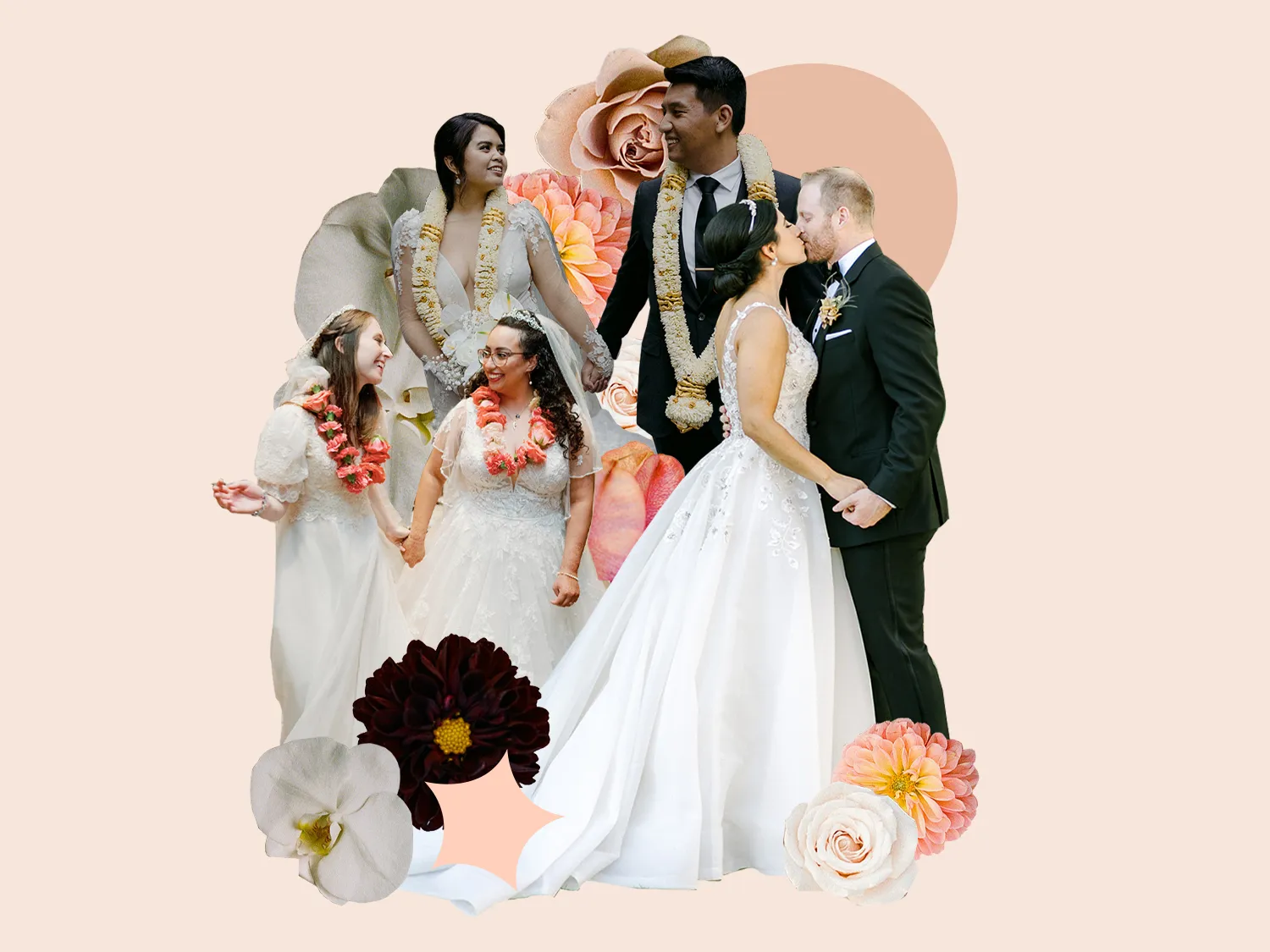

The United States is often described as a melting pot, but when it comes to nuptials, it looks more like a vibrant mosaic. While the “standard” American wedding—white dress, tuxedo, church ceremony, and hotel reception—is a familiar trope in movies, the reality is far more diverse. From the intricate mehndi patterns of a Hindu bride to the soulful jumping of the broom in African-American ceremonies, the landscape of love in America is shaped by centuries of immigration, heritage, and faith.
Planning a wedding is ultimately an exercise in identity. It is a moment where couples decide not just who they are to each other, but where they come from and what values they intend to carry forward. For many, this means reaching back into their ancestral history to revive rituals that have been performed for generations. For others, particularly in an era of increasing intercultural relationships, it means weaving two distinct histories into a new, unified tapestry.
This guide explores the rich variety of wedding traditions across different cultures in the USA. Whether you are planning a fusion ceremony, looking to honor your own heritage, or simply curious about the symbolism behind these rituals, understanding these customs offers a window into the diverse heart of American celebration.
What Are Wedding Traditions?
At their core, wedding traditions USA couples follow are more than just habits or party themes. They are symbolic acts that serve a specific purpose: to bind the couple together, bless their union, and acknowledge the community that supports them.
Rituals provide a sense of continuity. When a Jewish groom breaks a glass or a Hispanic couple is draped in a lazo, they are performing the same actions as their great-grandparents. This connection to the past grounds the ceremony in something larger than the couple themselves.
However, traditions are not static. In the modern American context, these rituals often undergo adaptation. A couple might shorten a multi-day Indian celebration to fit a weekend schedule, or a non-religious couple might adapt a handfasting ceremony to focus on nature rather than deity. The meaning remains, even if the method evolves.
Wedding Traditions Across Different Cultures in the USA
The United States has no single national religion or ethnicity, which means wedding traditions across different cultures USA are incredibly varied. Immigration patterns have brought customs from every continent, which have then been preserved, adapted, and sometimes blended.
Intercultural and fusion weddings are on the rise. According to Pew Research Center, roughly one-in-five newlyweds in the U.S. are married to someone of a different race or ethnicity. This demographic shift has led to a creative explosion in the wedding industry, where ceremonies are designed to respect dual heritages. You might see a bride change from a white gown into a red qipao, or a menu that features both tacos and sushi. Respecting these traditions requires understanding their origins and their significance.
Christian Wedding Traditions
For many Americans, Christian wedding traditions USA form the baseline of what is considered a “traditional” wedding, though practices vary significantly between denominations (Catholic, Protestant, Orthodox, etc.).
Church Ceremonies
Traditionally, these weddings take place in a church, signifying that the marriage is a covenant made before God. The ceremony is usually officiated by a priest, pastor, or minister.
Exchange of Vows and Rings
The core of the Christian ceremony is the exchange of vows—promises of loyalty, love, and care “until death do us part.” This is followed by the exchange of rings, which serves as an outward symbol of this inward commitment. The circle of the ring represents eternity, having no beginning and no end.
White Wedding Symbolism
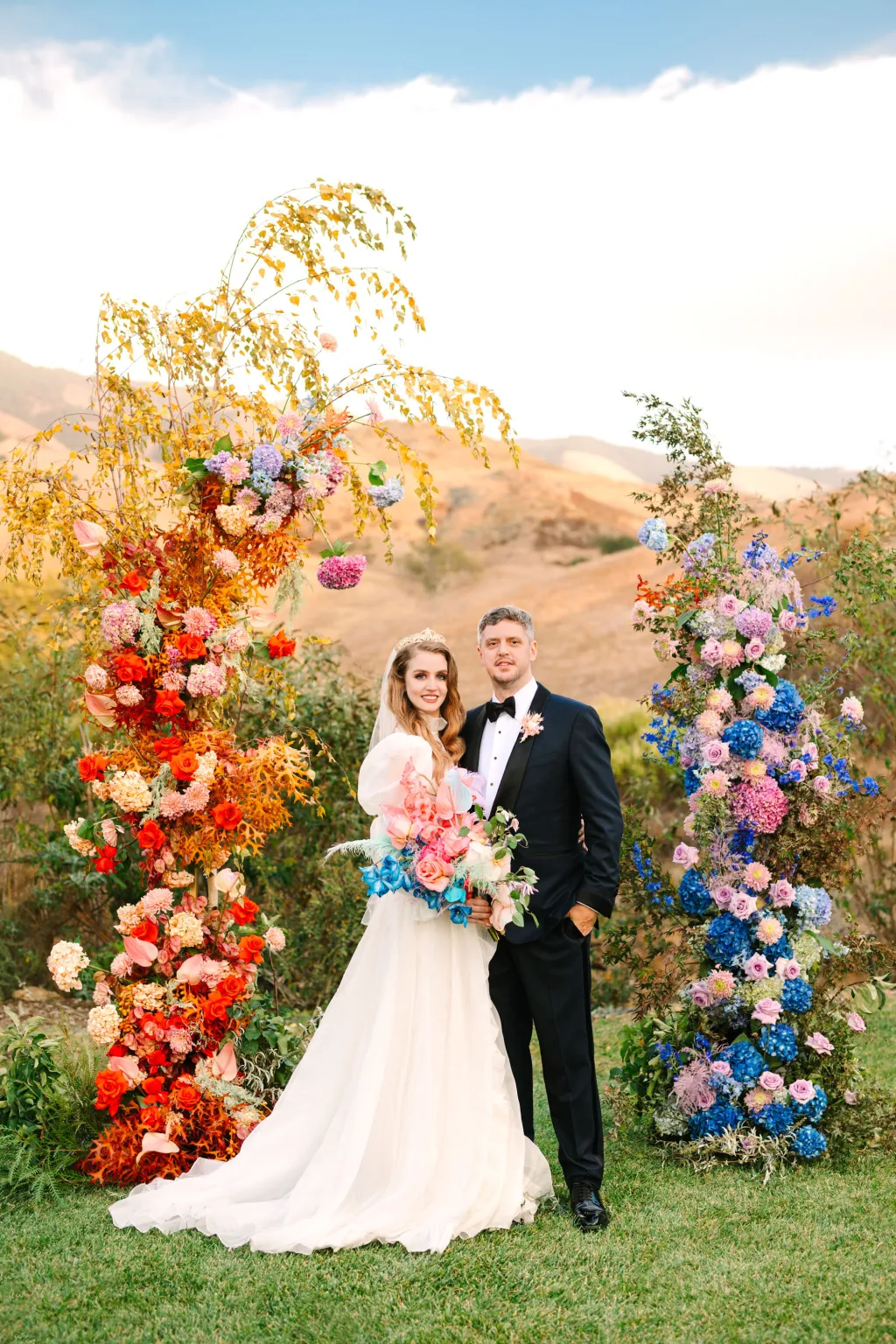
The white wedding dress, popularized by Queen Victoria in the 19th century, is a staple of Christian weddings in the U.S. While often associated with purity, today it largely represents joy and celebration. The father walking the bride down the aisle to “give her away” is another enduring tradition, though many modern brides view this as an act of family support rather than a transfer of authority.
Jewish Wedding Traditions
Jewish wedding customs USA are deeply rooted in law and spiritual symbolism, focusing on the creation of a new household.
Chuppah and Ketubah
The ceremony takes place under a chuppah, a canopy open on all four sides. This symbolizes the couple’s new home and their commitment to hospitality, recalling the tent of Abraham and Sarah. Before the ceremony, the couple signs the ketubah, a marriage contract that outlines the groom’s responsibilities to the bride (though modern versions often emphasize mutual commitment).
Breaking the Glass
Perhaps the most famous Jewish tradition is the breaking of the glass. At the conclusion of the ceremony, the groom stomps on a glass wrapped in cloth. While there are many interpretations, the most common is that it tempers the joy of the occasion with a reminder of the destruction of the Temple in Jerusalem. It reminds the couple that even in their happiest moment, the world is still broken and needs repair.
Symbolic Blessings
The Sheva Brachot (Seven Blessings) are recited over a cup of wine, blessing God for the creation of the world, humanity, and the joy of the couple.
Hindu & South Asian Wedding Traditions
Indian wedding traditions USA are known for their vibrancy, color, and length. A Hindu wedding is not just a ceremony but a festival that can span several days.
Multi-Day Ceremonies
Events often include the Sangeet, a pre-wedding party filled with dance and music, and the Mehndi ceremony, where the bride has intricate henna designs applied to her hands and feet. The designs are said to bring luck and health.
Sacred Fire Rituals
The wedding ceremony itself usually takes place under a mandap (a pillared structure). The central ritual is the Saptapadi (Seven Steps), where the couple takes seven steps together around a sacred fire (Agni), making seven vows to each other regarding support, nourishment, and friendship.
Vibrant Attire and Celebrations
Unlike the Western preference for white, Hindu brides typically wear red, a color symbolizing fertility and prosperity. Gold jewelry is heavily featured. The groom’s arrival, known as the Baraat, is a joyous procession involving music, drumming, and dancing.
Muslim Wedding Traditions
Muslim wedding traditions USA prioritize the contract and the community, reflecting modesty and spiritual values.
Nikah Ceremony
The actual wedding ceremony is called the Nikah. It is a simple, solemn contract signed by the bride and groom in front of witnesses. The groom provides a Mahr (dowry or gift) to the bride, which remains her property, symbolizing his commitment to her security.
Role of Family and Witnesses
Consent is paramount in Muslim marriages. The Wali (guardian of the bride) plays a crucial role. Following the Nikah, there is usually a Walima, a wedding banquet to announce the marriage to the community and share food, which is considered a blessed act.
Modesty and Spiritual Values
While customs vary by culture (Arab, South Asian, African American Muslim, etc.), ceremonies generally observe Islamic principles of modesty. Readings from the Quran are central to the event, invoking Allah’s blessing on the union.
East Asian Wedding Traditions
Couples incorporating Chinese Korean wedding traditions USA often blend Western-style ceremonies with specific cultural rituals that honor family hierarchy.
Tea Ceremonies
In Chinese tradition, the tea ceremony is the most significant ritual. The couple serves tea to their parents and elders as a sign of respect and gratitude. In return, the elders offer blessings and gifts, often in the form of red envelopes (hongbao) containing money or gold jewelry.
Symbolic Colors and Attire
Red is the dominant color in Chinese weddings, representing luck, joy, and happiness. While many brides wear a white dress for the vows, they often change into a red Qipao or Cheongsam for the reception.
Family Honor and Blessings
In Korean tradition, the Paebaek was originally a private ceremony for the groom’s family, but today it often includes the bride’s family too. The parents throw dates and chestnuts (symbolizing children) into the bride’s skirt to bless the couple with fertility.
African & African-American Wedding Traditions
Many African wedding traditions USA are profound acts of reclaiming heritage and celebrating resilience.
Jumping the Broom
This is the most well-known African-American tradition. Its roots trace back to the era of slavery in the United States when enslaved people were forbidden from legally marrying. Jumping over a broom became a spiritual and communal act of sweeping away the past and jumping into a new life together. Today, it remains a powerful symbol of overcoming adversity and honoring ancestors.
Ancestral Symbolism
Many couples incorporate the “Libation Ceremony,” where a liquid (often water or alcohol) is poured onto the Earth to honor ancestors and ask for their guidance.
Community Involvement
Weddings are viewed as the uniting of two families, not just two individuals. Using Kente cloth (a Ghanaian fabric) in the décor or attire is a popular way to visually honor African heritage. The “Tasting of the Four Elements” (lemon, vinegar, cayenne, and honey) is another ritual that represents the sour, bitter, hot, and sweet parts of life the couple will endure together.
Latin American & Hispanic Wedding Traditions
Hispanic wedding traditions USA are often deeply intertwined with Catholic practices, emphasizing unity and the role of sponsors.
Lazo Ceremony
After the exchange of vows, a Lazo (a large rosary, ribbon, or flower cord) is placed in a figure-eight shape around the shoulders of the couple. This symbol of infinity represents their everlasting union and the fact that they are now bound together.
Arras Coins
The groom gives the bride Las Arras Matrimoniales—thirteen gold coins. Historically, this represented the groom’s pledge to provide for the family and the bride’s trust in his ability to do so. In modern interpretations, it represents the couple’s shared finances and their promise to steward their household wealth together.
Music, Dance, and Faith
Receptions are high-energy events. The “Money Dance” is common, where guests pin money on the bride and groom in exchange for a dance. Madrinas and Padrinos (godparents or sponsors) play a huge role, often paying for specific parts of the wedding and acting as spiritual mentors.
Native American Wedding Traditions
There are hundreds of federally recognized tribes, so there is no single set of Native American wedding traditions. However, many share a deep connection to nature and spirituality.
Nature-Based Ceremonies
Ceremonies are often held outdoors to maintain a connection with the Creator and the Earth. The four cardinal directions (North, South, East, West) may be honored or invoked during the ceremony to bless the union.
Tribal Customs
The Vase Ceremony is common in the Southeast and Southwest, where the couple drinks from a vessel with two spouts, symbolizing two lives becoming one. In the Blanket Ceremony, the couple may be wrapped individually in blue blankets, which are then removed to reveal them wrapped together in a single white blanket, signifying the warmth and protection of their new life.
Spiritual Symbolism
Garments are often handmade and feature tribal-specific beadwork and symbolism. The exchange of food, such as corn or venison, often symbolizes the promise to nourish and protect one another.
Modern Multicultural & Fusion Weddings
As the world becomes smaller, multicultural weddings USA are becoming larger and more complex. These weddings are beautiful balancing acts that require creativity and compromise.
Blending Traditions
A fusion wedding might involve two separate ceremonies on the same day (a Hindu morning ceremony and a Christian afternoon ceremony) or a single ceremony that integrates elements of both. For example, a couple might stand under a Chuppah but recite Christian vows.
Inclusive Ceremonies
The goal is to make all guests feel welcome. This often involves explaining rituals in the wedding program or having the officiant describe the significance of a specific custom so that guests from the “other side” of the family understand what is happening.
Personalization and Respect
Modern couples are prioritizing personalization. They might take the aesthetic of a tradition without the religious dogma, or conversely, lean heavily into the spiritual aspects while discarding outdated gender roles.
How Couples Choose Which Traditions to Follow
Choosing wedding traditions USA couples will retain is one of the first major decisions of an engagement. It can be a source of bonding, but also friction.
Family Expectations
Parents often have strong visions of their child’s wedding based on their own cultural upbringing. Navigating these expectations requires open communication. Couples often have to decide where to draw the line between honoring their parents’ wishes and establishing their own identity.
Cultural Identity
For second or third-generation immigrants, a wedding is often a time to reconnect with a culture they may feel distant from in daily life. Incorporating specific foods, music, or languages can be a way to reclaim that identity.
Personal Values
Ultimately, the traditions chosen must align with the couple’s values. If a tradition feels misogynistic or irrelevant to the couple, they are increasingly likely to discard it or rewrite it. The modern American wedding is about authenticity.
Frequently Asked Questions (FAQ)
Q1. What are the most common wedding traditions in the USA?
The most common traditions include the bride wearing a white dress, the exchange of rings, the tossing of the bouquet, the first dance, and cutting the wedding cake. These are generally secularized Western traditions that appear in most American weddings regardless of religion.
Q2. How do multicultural weddings work?
Multicultural weddings blend rituals from the backgrounds of both partners. This can be done by holding two separate ceremonies, having a single ceremony with mixed rituals (fusion), or celebrating one culture during the ceremony and the other during the reception.
Q3. Can couples combine traditions from different cultures?
Yes, absolutely. Many couples combine traditions, such as jumping the broom after breaking the glass. The key is to ensure the rituals are performed with respect and understanding of their original meanings.
Q4. Are traditional weddings still popular in the USA?
Yes, but the definition of “traditional” is expanding. While fewer people are marrying in religious institutions than in the past, couples are still eager to incorporate ritualistic elements that provide meaning and gravitas to the event.
Q5. How do families influence wedding traditions?
Families often preserve cultural heritage. Parents and grandparents act as the keepers of tradition, suggesting rituals that the couple may not be aware of. They may also provide the necessary items, such as the arras coins or the family veil.
Q6. What cultural wedding traditions are symbolic?
Almost all are symbolic. For example, the Jewish Chuppah symbolizes the home, the Hindu Saptapadi symbolizes the journey of life, and the Celtic handfasting symbolizes the binding of souls.
Q7. How are modern weddings changing traditions?
Modern weddings are becoming more egalitarian and personalized. Brides may walk themselves down the aisle, grooms may take the bride’s name (or hyphenate), and vows are often written personally rather than using scriptural text.
Final Thoughts: Celebrating Love Through Culture
The beauty of the American wedding landscape lies in its refusal to be singular. Whether it is a quiet elopement in a National Park or a 500-guest banquet in a city hotel, wedding traditions across different cultures USA provide the framework for celebrating love.
Diversity enriches these celebrations. It reminds us that while love is a universal human experience, the way we express it is unique to our history and our community. By respecting and understanding these traditions, we not only honor where we come from but also pave the way for a more inclusive future. As couples continue to blend heritage with personal values, the American wedding will continue to evolve, remaining a vibrant reflection of the people who call this country home.