




The Rise of Competitive Esports Explained in the USA
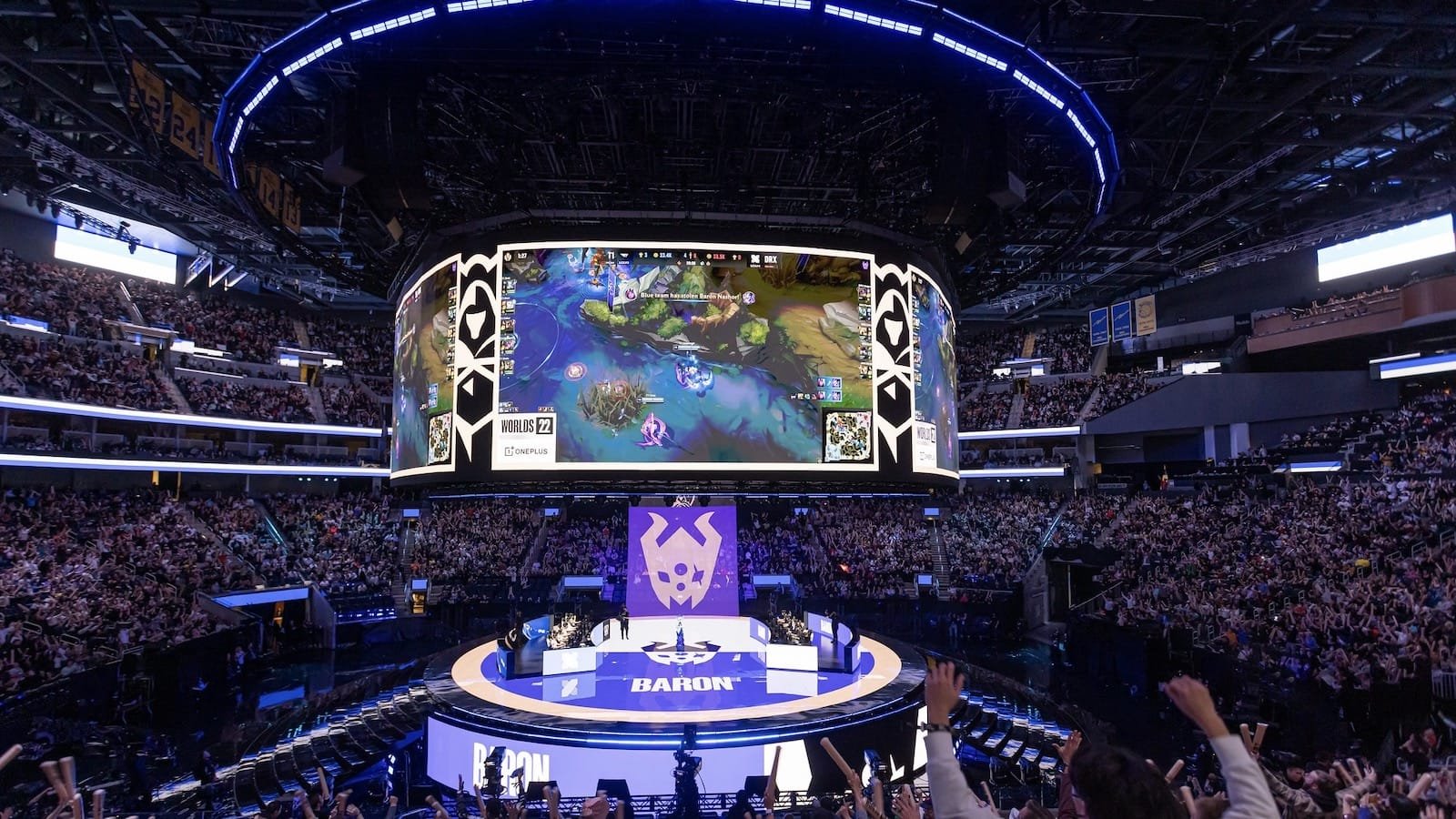

Ten years ago, the idea that a video game tournament could sell out the Staples Center faster than a pop star’s concert seemed laughable to the general public. Yet, in 2013, the League of Legends World Championship did exactly that. Today, the skepticism has largely evaporated, replaced by a booming industry that rivals traditional sports in viewership, revenue, and cultural impact.
We have moved past the era where gaming was solely a pastime for kids in basements. We are now in an age of professional athletes, multi-million dollar contracts, and dedicated arenas. The rise of competitive esports explained in the USA is a story of technological convergence, shifting entertainment habits, and the professionalization of play.
Understanding this industry is no longer optional for marketers, investors, or even parents. It is a dominant force in modern entertainment. This guide explores the ecosystem of competitive gaming in the United States, breaking down how it works, why it is growing, and what the future holds for this digital phenomenon.
What Is Competitive Esports?
At its core, “competitive esports USA” refers to organized, multiplayer video game competitions, typically between professional players, either individually or as teams. While millions of people play video games casually, esports is the professional tier where the stakes—and the skill levels—are exponentially higher.
Definition and Scope
Esports transforms gaming from a hobby into a spectator sport. It involves a structured ecosystem of leagues, tournaments, sponsors, and salaried players. The distinction lies in the intent and the infrastructure. A casual gamer plays for fun; an esports athlete plays to win championships, secure endorsements, and build a career.
Esports vs. Casual Gaming
The gap between a casual player and a pro is similar to the gap between someone playing pickup basketball at the YMCA and an NBA player. Professional gamers possess lightning-fast reflexes, deep strategic understanding, and the ability to perform under immense pressure. They practice for 10 to 14 hours a day, review game footage (VODs), and work with coaches and analysts to refine their gameplay.
Popular Competitive Game Genres
The esports landscape in the US is diverse, dominated by several key genres:
- MOBA (Multiplayer Online Battle Arena): Games like League of Legends and Dota 2 involve two teams of five attempting to destroy the opposing team’s base. These are known for high strategic depth.
- FPS (First-Person Shooter): Titles such as Call of Duty, Overwatch 2, Valorant, and Counter-Strike 2 focus on shooting mechanics, tactical positioning, and team coordination.
- Battle Royale: Games like Fortnite and Apex Legends drop large numbers of players onto a map where they fight until one person or team remains.
- Fighting Games: The Street Fighter and Super Smash Bros. series focus on one-on-one combat and have a deep grassroots history.
- Sports Simulations: NBA 2K and Madden NFL mirror traditional sports and often have direct ties to the actual NBA and NFL leagues.
Rise of Competitive Esports in the USA
The rise of competitive esports explained in the USA cannot be attributed to a single factor. Instead, it is the result of a perfect storm of technology, investment, and generational shifts.
Growth in Viewership and Participation
The numbers tell a compelling story. Viewership for major esports events often eclipses that of major traditional sporting events like the World Series or the NBA Finals. In the US, platforms like Twitch and YouTube have democratized access to content. Fans do not need a cable subscription to watch their favorite teams; they simply need an internet connection. This accessibility has fueled massive participation, creating a feedback loop where players become fans and fans become players.
Investment from Brands and Media
Historically, gaming was a niche market for advertisers. Today, blue-chip brands like Coca-Cola, Mercedes-Benz, Intel, and State Farm are pouring millions into the ecosystem. They recognize that the esports audience is elusive on traditional media channels. Furthermore, traditional sports owners—like Robert Kraft (New England Patriots) and Stan Kroenke (LA Rams)—have purchased esports franchises, bringing legitimacy and structural expertise to the industry.
Cultural Acceptance of Esports
The stigma surrounding video games is fading. High schools are forming esports clubs alongside chess and debate teams. Universities are offering scholarships. The cultural narrative has shifted from “gaming is a waste of time” to “gaming is a legitimate skill and career path.” As the first generation of gamers grows up and becomes parents, the acceptance of esports as a valid form of competition continues to solidify.
Professional Esports Leagues & Tournaments
The structure of “esports leagues USA” has evolved rapidly, moving from disjointed hotel ballrooms to franchised leagues that mirror the NFL or NBA.
League-Based Competitive Formats
Developers like Riot Games (League of Legends, Valorant) and Activision Blizzard (Call of Duty, Overwatch) have pushed for franchised leagues. in this model, organizations pay millions of dollars for a permanent slot in the league. This provides stability for players and investors, ensuring that teams don’t disappear overnight if they have a bad season. The Call of Duty League (CDL), for example, features city-based teams like Atlanta FaZe and OpTic Texas, aiming to build local fanbases similar to traditional sports.
Major Tournaments and Prize Pools
While leagues offer stability, tournaments offer spectacle. Events like The International (Dota 2) have featured prize pools exceeding $40 million, funded largely by community purchases of in-game items. In the US, events like the Fortnite World Cup and major League of Legends championships fill stadiums and attract millions of concurrent online viewers.
Structured Seasons and Championships
Just like the path to the Super Bowl, esports operates on seasonal schedules. Teams compete in regular-season matches to qualify for playoffs and, ultimately, world championships. These distinct seasons allow for narrative building, giving fans storylines to follow and rivalries to invest in throughout the year.
Role of Streaming & Digital Platforms
One cannot discuss the US market without analyzing “esports streaming USA”. Unlike traditional sports, which are locked behind TV rights deals, esports grew up on the open internet.
Live Streaming and On-Demand Content
Twitch (owned by Amazon) is the undisputed king of live esports content, with YouTube Gaming serving as a strong competitor. These platforms allow for real-time interaction. Viewers can chat with each other, predict match outcomes, and even interact with the broadcasters. This interactivity creates a communal experience that passive TV watching cannot replicate.
Fan Engagement and Community Building
Streaming breaks down the wall between athlete and fan. A pro player might compete in a high-stakes tournament on Saturday and then stream casually from their bedroom on Tuesday, chatting directly with their subscribers. This accessibility fosters intense loyalty. Fans often follow specific players rather than teams, migrating with them if they trade organizations.
Monetization Through Ads and Subscriptions
Streaming is a primary revenue engine. Fans support creators and tournaments through monthly subscriptions, direct donations (bits), and watching advertisements. For tournament organizers, selling media rights to streaming platforms has become a lucrative business, mirroring the TV deals of traditional sports.
Esports Players, Teams & Career Paths
The phrase “esports careers USA” encompasses far more than just clicking a mouse. The industry has created a robust job market that requires a wide array of skills.
Professional Players and Training
For the players, it is a high-performance job. Pro teams live and train in gaming houses or headquarters. Their days are regimented: strategy meetings, solo practice, team scrimmages (practice matches), and VOD review. Physical fitness is also prioritized to prevent injury and maintain mental sharpness.
Team Organizations and Coaching
Behind every great team is a support staff. Head coaches draft strategies and manage personalities. Analysts break down data to find competitive edges. Team managers handle logistics, travel, and housing. Organizations like Cloud9, Team Liquid, and 100 Thieves have become massive lifestyle brands, selling merchandise and content far beyond just their match results.
Support Roles and Industry Jobs
The ecosystem requires broadcasters (shoutcasters), observers (in-game camera operators), event producers, social media managers, nutritionists, sports psychologists, and business development executives. The industry is hungry for professionals who can translate traditional business skills into the gaming world.
Esports Audience Growth & Demographics
The “esports audience USA” is the envy of advertisers everywhere. It is young, tech-savvy, and affluent.
Youth-Driven but Multi-Age Appeal
While the core demographic remains Gen Z and Millennials (ages 18–34), the audience is aging up. As original gamers enter their 40s, they remain engaged. However, esports remains the most effective way to reach young men who have largely abandoned traditional television.
Global Fan Communities
While this article focuses on the USA, the audience is inherently global. A US fan might wake up at 4 AM to watch a tournament in Korea. This connectivity creates a melting pot of cultures and shared language through the games themselves.
Mobile and Social Viewing Habits
This audience consumes content on mobile devices. They want highlights on TikTok, discussions on Reddit and Discord, and live matches on Twitch. They are “second-screen” viewers, often chatting on their phone while watching the match on a monitor.
Sponsorships, Media Rights & Revenue Streams
Understanding “esports revenue USA” requires looking at a diversified portfolio. It is no longer just about selling tickets.
Brand Sponsorships and Endorsements
Sponsorship remains the largest revenue stream. Brands pay to have their logos on jerseys, in-game overlays, and social media content. We are seeing a shift from endemic brands (gaming hardware like Logitech) to non-endemic brands (State Farm, Honda, MasterCard) seeking access to the demographic.
Media and Broadcasting Deals
As viewership stabilizes, media rights are becoming more valuable. Streaming platforms pay for exclusivity. There is also a push toward premium content packages and “digital passes” that give viewers special camera angles or in-game drops.
Merchandise and In-Game Monetization
Teams sell jerseys and hoodies, often dropping limited-edition streetwear collaborations. Additionally, “digital goods” are massive. Game publishers share revenue with teams when fans buy team-branded “skins” (costumes) for their in-game characters.
Esports in Education & Grassroots Programs
A uniquely American development is “collegiate esports USA”. The US educational system has embraced esports in a way few other countries have.
College and High School Leagues
Hundreds of US colleges now have varsity esports programs. Organizations like NACE (National Association of Collegiate Esports) help structure this space. High school leagues are also exploding, providing a structured environment for students who might not be interested in traditional athletics.
Scholarships and Academic Programs
Universities are offering substantial scholarships to top League of Legends or Overwatch players, treating them exactly like football or basketball recruits. Beyond playing, colleges like UC Irvine and Ohio State University offer degrees and certificates in esports management, game design, and broadcasting.
Talent Development Pipelines
The collegiate scene is becoming a “path to pro.” The NBA 2K League, for instance, holds a draft where players are selected, often coming from amateur or semi-pro backgrounds. This structure provides a clearer career path for aspiring pros.
Challenges Facing Competitive Esports
Despite the growth, “esports challenges USA” are significant. The industry is currently experiencing a market correction after years of inflated valuations.
Player Burnout and Health Concerns
The career of an esports athlete is short, often ending by the mid-20s. Repetitive Strain Injury (RSI), carpal tunnel, and mental burnout are rampant. The pressure to perform 12 hours a day takes a severe toll, leading to early retirements.
Regulation and Governance
Unlike FIFA for soccer, there is no single governing body for esports. The game publishers (Riot, Valve, Activision) own the IP and make the rules. This can lead to conflicts of interest and instability if a publisher decides to shut down a league or change the game mechanics overnight.
Sustainability and Long-Term Growth
Many teams are still operating at a loss, prioritizing growth over profitability. The “esports winter” has seen venture capital dry up, forcing teams to cut costs and focus on sustainable business models. The industry must prove it can generate consistent profit without relying solely on investor cash.
Frequently Asked Questions (FAQ)
Q1. What is competitive esports?
Competitive esports is the world of organized, professional video game competitions. It involves professional players and teams competing in leagues or tournaments for prize money and prestige, watched by millions of fans.
Q2. Why is esports growing so fast in the USA?
The growth is driven by the accessibility of streaming platforms like Twitch, massive investment from major brands and sports owners, and a cultural shift where younger generations view gaming as a primary form of entertainment.
Q3. How do players become professional esports athletes?
Players typically start by reaching the highest rank in a game’s public ladder. They then join amateur teams, compete in open tournaments, and get noticed by scouts or through collegiate programs. It requires immense dedication and practice time.
Q4. How do esports teams make money?
Teams generate revenue through corporate sponsorships, merchandise sales, media rights revenue sharing from leagues, and prize money winnings.
Q5. Is esports considered a real sport?
While physically different from athletic sports, esports shares the same elements of competition, strategy, training, teamwork, and spectator engagement. The US government recognizes pro gamers as professional athletes for visa purposes.
Q6. What role does streaming play in esports growth?
Streaming is the lifeblood of esports. It provides the venue for broadcasting tournaments and allows players to build personal brands and direct connections with fans, driving engagement and monetization.
Q7. What does the future of esports look like in the USA?
The future likely involves more sustainable franchise models, deeper integration with collegiate systems, and continued crossover with traditional sports and pop culture.
Final Thoughts: Esports as the Future of Competition
The rise of competitive esports explained in the USA is not a temporary trend; it is a fundamental shift in how humans play and watch competition. We are witnessing the maturation of an industry that blends the excitement of sport with the limitless possibilities of digital technology.
For the player, it is a legitimate career path. For the fan, it is a community. For the investor, it is the future of media. As stadiums continue to fill and viewership records continue to shatter, one thing is clear: esports is here to stay, and the game has only just begun.