




Technology Trends Driving Digital Transformation in the USA

The American business landscape is undergoing a seismic shift. Companies that once dominated their sectors are now racing to reinvent themselves, while startups disrupt established markets with unprecedented speed. This volatility is driven by one core force: rapid technological change.
Across every industry—from finance in New York to manufacturing in the Midwest—organizations face immense competitive pressure to evolve. Stagnation is no longer just a risk; it is an existential threat. But what does this evolution look like in practice? It isn’t just about digitizing paper records or setting up a Slack channel. It’s about a fundamental rethinking of how an organization uses technology, people, and processes to radically improve performance.
Digital transformation today is the integration of digital technology into all areas of a business. It changes how you operate and deliver value to customers. It’s also a cultural change that requires organizations to continually challenge the status quo, experiment, and get comfortable with failure. As we look at the current landscape, several key technology trends are accelerating this shift across the United States.
What Is Digital Transformation?
At its core, digital transformation in the USA represents a foundational change in how an organization delivers value to its customers. It is more than just a buzzword thrown around in boardrooms; it is a strategic necessity.
It is helpful to distinguish between “digitalization” and “transformation.” Digitalization might involve moving from manual spreadsheets to cloud-based accounting software—a necessary upgrade, but one that primarily improves efficiency. Transformation, however, goes further. It leverages that software to unlock new business models, such as using real-time financial data to offer dynamic pricing or predictive inventory management.
The impact is threefold:
- Business Impact: It opens new revenue streams and modernizes legacy business models.
- Customer Impact: It creates seamless, personalized experiences that today’s consumers demand.
- Operational Impact: It streamlines workflows, reduces overhead, and empowers employees with better tools.
For American businesses, this means moving beyond isolated tech upgrades to a holistic strategy where technology is the backbone of the organization.
Technology Trends Driving Digital Transformation
The engine of this change is a collection of specific technology trends driving digital transformation in the USA. These aren’t just isolated tools; they are converging forces that amplify each other.
Three main pillars define the current movement:
- Automation and Intelligence: Moving from doing things faster to doing things smarter.
- Cloud-First Strategies: Shifting infrastructure from rigid, on-premise servers to flexible, scalable cloud environments.
- Data-Centric Operations: Treating data not as a byproduct of business, but as a core asset that informs every decision.
Let’s explore the specific technologies that are making these pillars a reality.
Artificial Intelligence & Machine Learning
Perhaps no technology has captured the imagination—and the budget—of American enterprises quite like Artificial Intelligence (AI) and Machine Learning (ML). AI digital transformation in the USA is no longer theoretical; it is operational.
Predictive Analytics and Personalization
Retailers use ML algorithms to predict what a customer will want before they know it themselves. Streaming services use it to keep viewers glued to their screens. In healthcare, predictive analytics are being used to anticipate patient outcomes and resource needs. This ability to foresee trends allows businesses to be proactive rather than reactive.
Intelligent Automation
AI takes standard automation a step further. Instead of just following a set of rules, intelligent systems can learn and adapt. For example, in customer service, AI agents can handle complex queries, understand sentiment, and route issues to human agents only when necessary, learning from every interaction to improve future performance.
AI-Powered Decision-Making
Executives are increasingly relying on AI to support high-level strategy. By processing vast amounts of market data, legal documents, or financial reports, AI tools provide insights that human analysis might miss, enabling faster, more accurate decision-making.
Cloud Computing & SaaS Adoption
The days of massive, on-premise server rooms are fading. Cloud computing trends in the USA show a definitive shift toward flexibility and agility. The cloud is the foundation upon which almost all other digital transformation efforts are built.
Hybrid and Multi-Cloud Strategies
Few large organizations rely on a single public cloud provider anymore. The trend is toward hybrid environments (mixing on-premise private clouds with public clouds) and multi-cloud strategies (using AWS, Azure, and Google Cloud simultaneously). This prevents vendor lock-in and allows companies to use the best specific tools from each provider.
Scalability and Cost Efficiency
The cloud allows businesses to scale resources up or down instantly. A retailer can double their computing power on Black Friday and scale it back on Monday. This elasticity transforms IT costs from a heavy capital expenditure (CapEx) into a manageable operating expense (OpEx).
Cloud-Native Applications
Companies are not just “lifting and shifting” old apps to the cloud; they are building “cloud-native” applications using microservices and containers. These applications are designed specifically for the cloud environment, making them more resilient, manageable, and faster to update.
Automation, RPA & Intelligent Workflows
Efficiency is the fuel of profitability. Automation in digital transformation is about removing friction from the system.
Robotic Process Automation (RPA)
RPA involves software “bots” that mimic human actions to perform repetitive tasks. In the financial sector, RPA bots handle invoice processing, data entry, and compliance reporting. This frees up human workers to focus on high-value strategic work rather than mundane keystrokes.
Workflow Optimization
Beyond individual tasks, technology is optimizing entire workflows. Intelligent platforms can orchestrate complex processes involving multiple departments. For example, an employee onboarding workflow might automatically trigger IT to provision a laptop, HR to send contracts, and Security to set up badge access—all without a single email being sent.
Reducing Operational Costs and Errors
Humans get tired; software doesn’t. Automated systems reduce the error rate in data-heavy processes to near zero. This reliability translates directly to cost savings and reduced liability, particularly in regulated industries like healthcare and finance.
Data, Analytics & Business Intelligence
Data is the new oil, but it’s useless if you can’t refine it. Data driven transformation in the USA focuses on turning raw information into actionable intelligence.
Real-Time Insights
The speed of business has increased. Monthly reports are often too old to be useful. Modern business intelligence (BI) tools provide real-time dashboards that show the health of the business right now. A logistics company can see exactly where every truck is; a marketing team can see campaign performance minute-by-minute.
Big Data and Advanced Analytics
The sheer volume of data generated by modern businesses is staggering. Advanced analytics tools help organizations sift through terabytes of structured and unstructured data to find patterns. This might include analyzing social media sentiment, sensor data from factory machines, or customer purchase histories.
Data-Driven Strategy and Forecasting
When data is central to the organization, strategy shifts from “gut feeling” to evidence-based planning. Companies use historical data to forecast sales, optimize supply chains, and allocate budgets with a high degree of precision.
Cybersecurity & Digital Trust
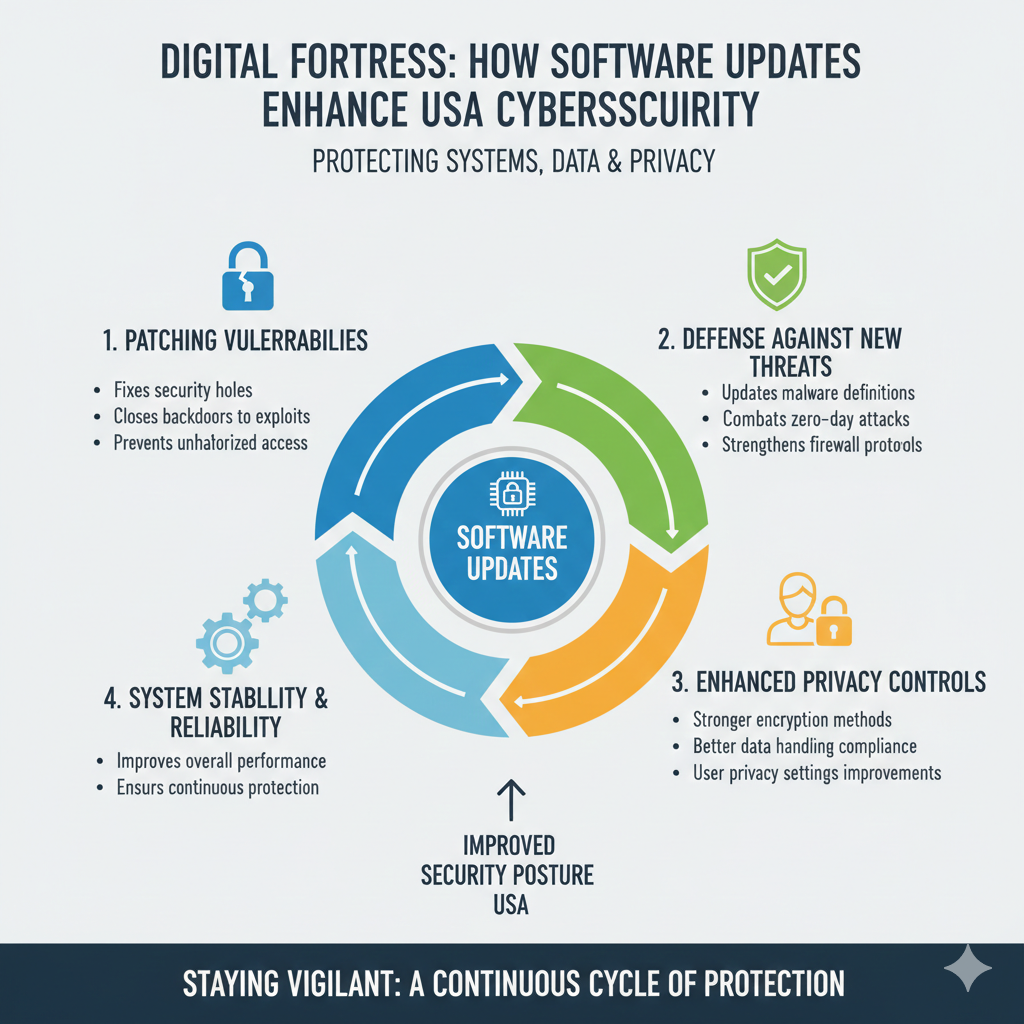
As businesses become more digital, the attack surface grows. Cybersecurity digital transformation in the USA is the critical shield protecting these new digital assets. You cannot transform without trust.
Zero-Trust Security Models
The old “castle and moat” security model—where everything inside the network is trusted—is obsolete. The new standard is Zero Trust: “Never trust, always verify.” Every user and device, whether inside or outside the network, must be authenticated and authorized before accessing resources.
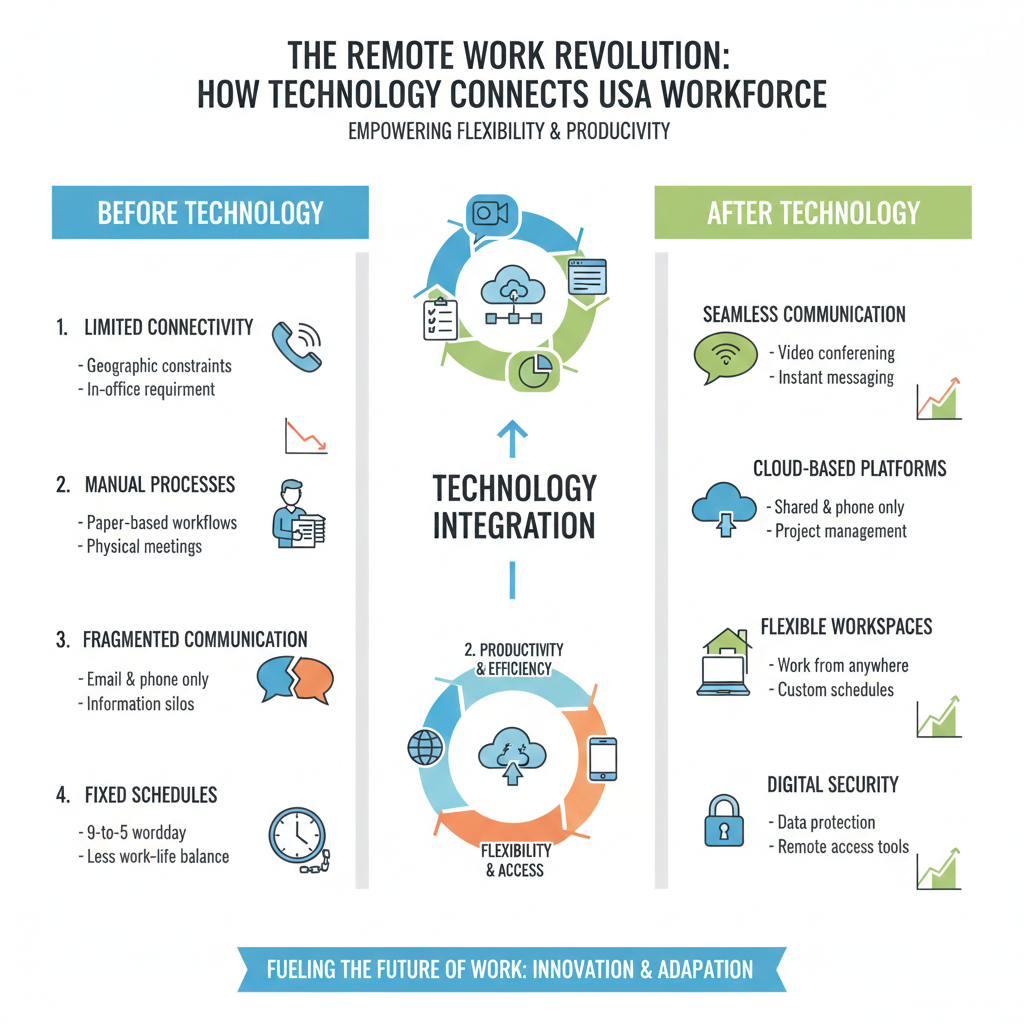
Protecting Cloud and Remote Work Systems
With the rise of remote work and cloud infrastructure, the traditional network perimeter has dissolved. Security must now travel with the user. Solutions like Secure Access Service Edge (SASE) bundle network security functions with WAN capabilities to support the dynamic, secure access needs of organizations.
Compliance and Data Privacy
With regulations like CCPA in California and GDPR affecting global operations, managing data privacy is a legal necessity. Digital transformation tools now include automated compliance monitoring to ensure that sensitive customer data is handled correctly, avoiding costly fines and reputational damage.
Customer Experience & Digital Platforms
The ultimate judge of any transformation effort is the customer. Digital customer experience in the USA is the battleground where brand loyalty is won or lost.
Omnichannel Engagement
Customers expect a consistent experience whether they are on a mobile app, a website, in a physical store, or chatting on social media. Omnichannel platforms unify these touchpoints so that a customer doesn’t have to repeat themselves. If you start a return online, the clerk in the store should know about it the moment you walk in.
Personalization at Scale
Using the data and AI tools mentioned earlier, companies can deliver hyper-personalized experiences to millions of customers simultaneously. This goes beyond “Hello, [Name].” It means curating product recommendations, content, and offers that align perfectly with an individual’s preferences and behavior.
UX-Driven Product Design
User Experience (UX) design is central to product development. Companies are adopting design thinking methodologies, prototyping rapidly, and using user feedback loops to ensure digital products are intuitive and delightful to use. A clunky interface is often enough to drive a customer to a competitor.
Emerging Technologies Shaping the Future
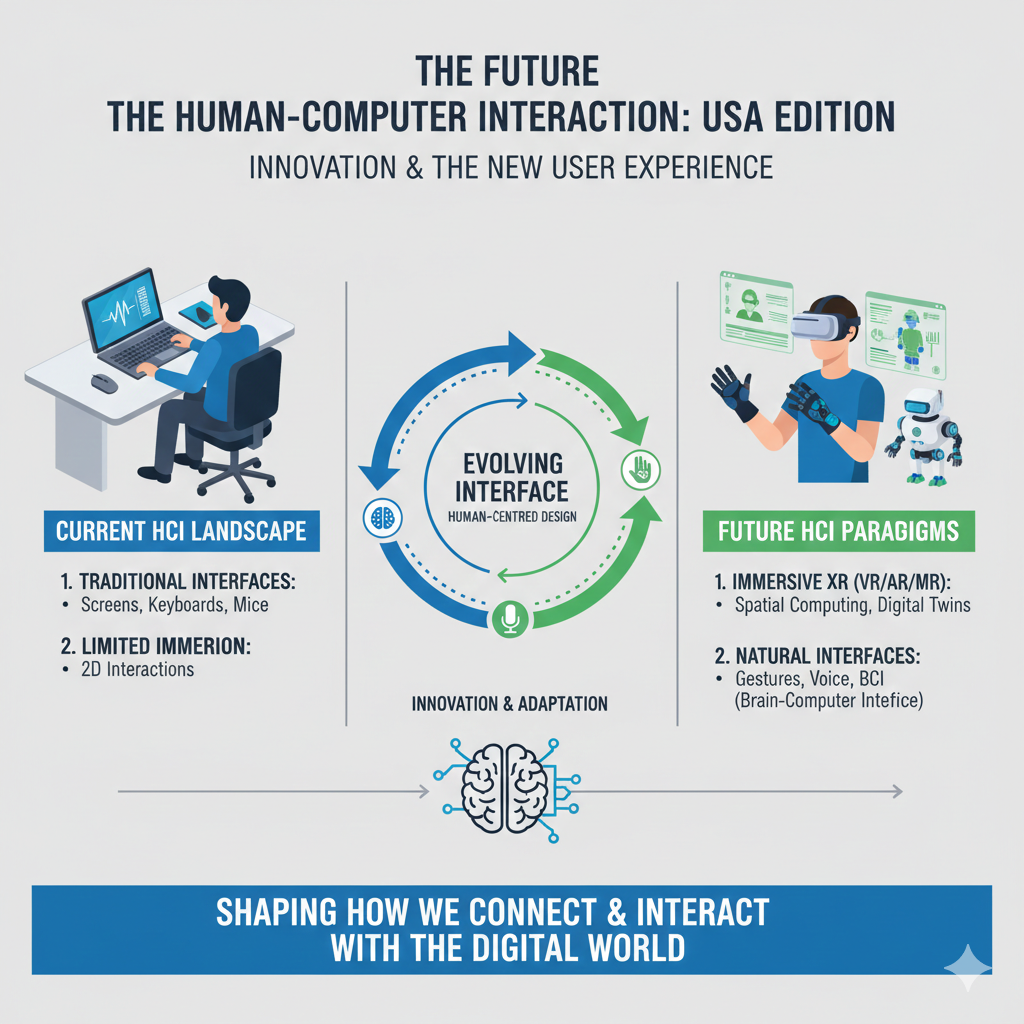
While the trends above are mainstream, forward-thinking leaders are already looking at emerging technology trends in the USA.
- Internet of Things (IoT): Connecting physical devices—from factory sensors to smart thermostats—to the internet allows for unprecedented monitoring and control of the physical world.
- Edge Computing: Processing data closer to where it is generated (the “edge”) rather than sending it all to a central cloud. This reduces latency, which is critical for applications like autonomous vehicles or real-time manufacturing adjustments.
- Blockchain Applications: Beyond crypto, blockchain offers secure, transparent ledgers for supply chain tracking, smart contracts, and identity verification.
- Low-Code and No-Code Platforms: democratizing development by allowing non-technical employees (“citizen developers”) to build applications and automate workflows without writing complex code.
Frequently Asked Questions (FAQ)
Q1. What technologies are driving digital transformation in the USA?
The primary drivers include Artificial Intelligence (AI) and Machine Learning, Cloud Computing, the Internet of Things (IoT), Big Data Analytics, and Robotic Process Automation (RPA).
Q2. Why is AI important for digital transformation?
AI enables businesses to process vast amounts of data for better decision-making, automate complex tasks, and personalize customer experiences at scale, acting as an accelerator for all other digital initiatives.
Q3. How does cloud computing support transformation efforts?
The cloud provides the necessary scalability, flexibility, and cost-efficiency. It allows businesses to deploy new applications quickly and access powerful computing resources without heavy upfront infrastructure investments.
Q4. What role does automation play in business transformation?
Automation increases operational efficiency by handling repetitive tasks, reducing human error, and freeing up employees to focus on strategic, creative, and high-value work.
Q5. Is cybersecurity a key part of digital transformation?
Yes, absolutely. As businesses digitize more assets and processes, they become more vulnerable to cyber threats. Robust cybersecurity ensures business continuity and maintains customer trust.
Q6. How can small businesses adopt digital transformation?
Small businesses can start by adopting cloud-based SaaS tools for accounting, marketing, or project management. They can automate simple workflows and use data analytics to better understand their local market before scaling up.
Q7. What industries are leading digital transformation in the USA?
The technology, financial services, healthcare, and retail sectors are currently among the most aggressive adopters, though manufacturing and logistics are catching up quickly through Industry 4.0 initiatives.
Building a Digitally Transformed Future
Digital transformation is not a destination; it is a journey. The technology trends driving digital transformation in the USA will continue to evolve. Today it is AI and Cloud; tomorrow it might be Quantum Computing and the Metaverse.
Key takeaways for organizations include:
- Stay Agile: The ability to pivot quickly is more valuable than any single tool.
- Focus on Value: Don’t adopt tech for tech’s sake. Every initiative must drive business value.
- Empower People: Technology enables, but people transform. Invest in training and culture.
Organizations that view technology not just as a utility, but as a growth enabler, will be the ones that define the future of the American economy. The question is no longer if you should transform, but how fast you can adapt to the trends reshaping our world.