





Surviving the Freeze: Essential Winter Storm Protocols for Power Outages & Extreme Cold

When the sky turns gray and the temperature plummets, a winter storm warning can send a shiver down anyone’s spine. It’s more than just snow days and hot cocoa; severe winter weather brings serious risks, from extended power outages to life-threatening cold. Being prepared isn’t about panic—it’s about having a plan.
Knowing what to do before the lights go out can make the difference between an uncomfortable few days and a genuine emergency. This guide covers essential protocols for handling power outages, preserving heat, and staying safe when winter strikes hard. By taking the right steps now, you can keep your home and family secure through the toughest freezes.
What a Winter Storm Warning Really Means
Meteorology terms can be confusing. When the local news starts flashing colors across the map, understanding the difference between a “watch” and a “warning” is crucial for gauging the severity of the threat.
Winter Storm Warning vs. Watch vs. Advisory:
- Winter Storm Warning: This is the most serious alert. It means severe winter weather is occurring or imminent. Heavy snow, significant ice accumulations, or dangerous sleet are expected. If you see this, you need to act immediately to secure your home.
- Winter Storm Watch: This means hazardous weather is possible within the next 12 to 48 hours. It’s a signal to review your emergency plans and check your supplies.
- Winter Weather Advisory: This indicates that winter weather is expected to cause inconveniences and hazardous driving conditions, but usually not to the level of threatening life or property if caution is exercised.
When meteorologists issue a warning, they have high confidence that the event will happen. During these events, the typical risks escalate quickly. Roads become impassable, emergency services may be delayed, and the strain on infrastructure can lead to systemic failures. Recognizing the severity of a “winter storm warning meaning” is the first step in protecting yourself.
Why Power Outages Are Common During Winter Storms
Losing electricity is one of the most dreaded aspects of a winter storm. It turns a warm shelter into a freezing icebox in a matter of hours. But why does the grid fail so often when we need it most?
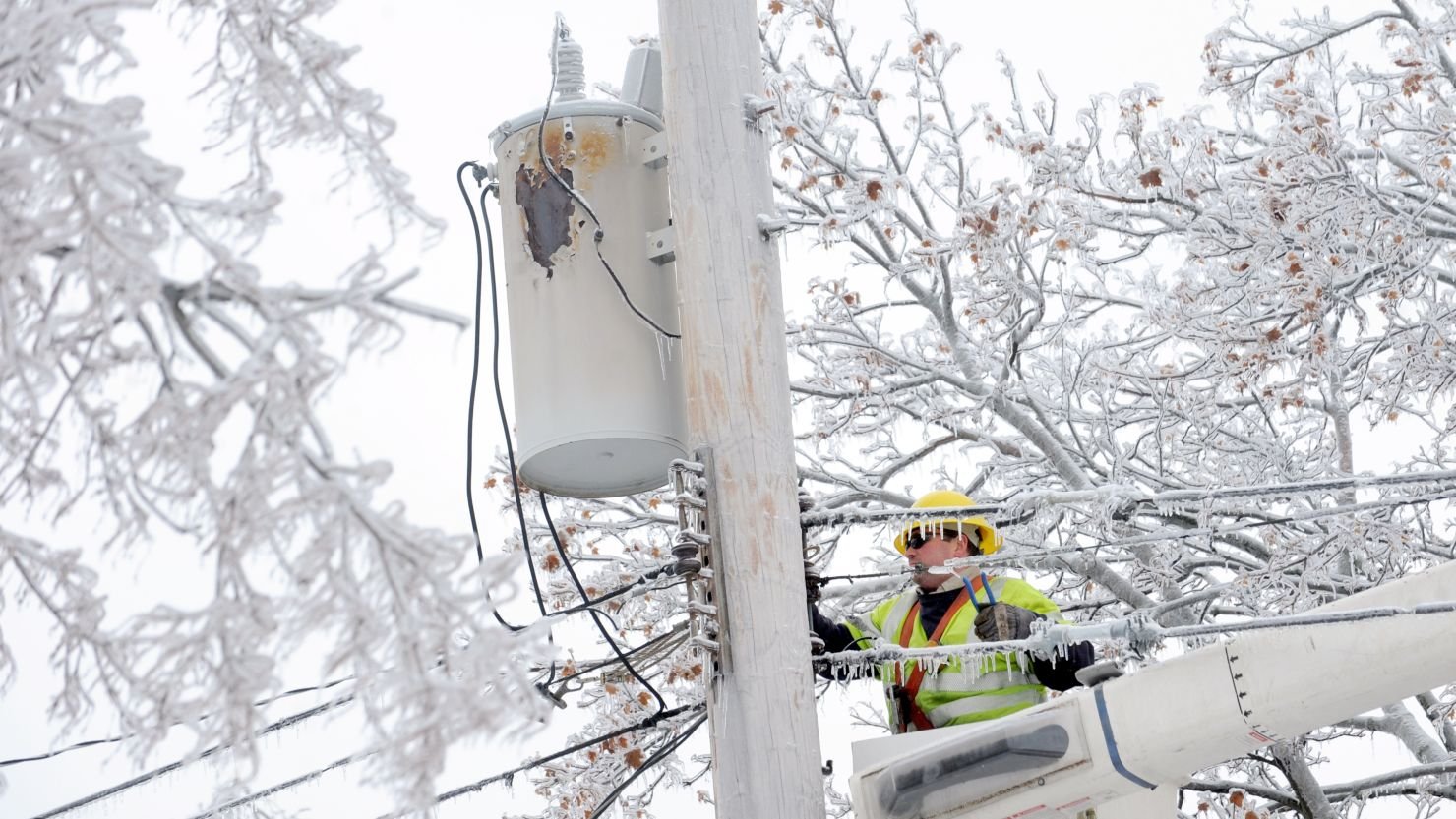
The primary culprit is physical damage. Ice accumulation is heavy; just a half-inch of ice can add 500 pounds of weight to a span of power lines. Combined with high winds and heavy snow, this snaps lines and topples poles. Trees, weighed down by the same ice and snow, often fall onto the lines, causing widespread breaks.
High demand also plays a role. When temperatures drop, heating systems work overtime. This surge in electricity usage puts immense stress on the grid, occasionally leading to rolling blackouts or equipment failure. Furthermore, repair crews face the same dangerous conditions you do—icy roads and blinding snow—which often delays restoration efforts. Understanding “winter storm power outages” helps manage expectations: you need to be prepared to function without power for days, not just hours.
How to Prepare Before the Power Goes Out
Waiting until the lights flicker is too late. Preparation starts when the forecast looks grim.
Emergency Kit Essentials:
Build a kit that can sustain your household for at least 72 hours.
- Light: Flashlights and headlamps with plenty of extra batteries. Avoid candles due to fire risk.
- Communication: A battery-powered or hand-crank NOAA weather radio.
- First Aid: Basic medical supplies and a supply of any necessary prescription medications.
- Tools: A multi-tool, duct tape, and manual can opener.
Charging Devices and Backups:
Fully charge all cell phones, tablets, and laptops. If you have portable power banks, charge those as well. In a pinch, your car charger can work, but never run the car inside a garage.
Protecting Pipes and Appliances:
Set your refrigerator and freezer to the coldest settings to build up a thermal reserve. Unplug sensitive electronics like TVs and computers to protect them from power surges when electricity is restored. “Power outage preparation winter” checklists should always include locating your main water valve in case you need to shut off water to prevent frozen pipes from bursting.
Staying Warm Safely Without Electricity
Once the furnace stops, your home will begin to lose heat. Your goal is to retain body warmth and create a micro-climate within your house.
Layering and Body-Heat Retention:
Dress in layers. Start with a moisture-wicking base layer (synthetic or wool, never cotton), add an insulating middle layer like fleece, and finish with a blanket or coat. Wear a hat—significant heat is lost through the head.
Shelter in Place:
Choose one room to live in, ideally a small room with few windows on the south side of the house (to catch any daytime sun). Close off the rest of the house. Hang blankets over windows and doorways to insulate the space. Set up a tent inside this room if you have one; sleeping inside a tent traps body heat incredibly effectively.
Safe Use of Fireplaces:
If you have a wood-burning fireplace or stove, ensure it is vented properly and the chimney is clear. Keep a glass or metal screen in front of the fire to prevent embers from popping out. “Stay warm without power” strategies rely on insulation first, and active heating second.
Heating Safety Rules Everyone Should Follow
Desperation can lead to dangerous decisions. Every winter, emergency rooms see spikes in carbon monoxide (CO) poisoning and fire injuries.
Carbon Monoxide Risks:
CO is colorless, odorless, and deadly. Never use gas stovetops or ovens to heat your home. Never run a generator, charcoal grill, or camp stove inside your home, garage, or basement. Ensure you have working battery-operated CO detectors on every level of your home.
Generator Safety Basics:
If you use a portable generator, keep it at least 20 feet away from your home, directed away from windows and vents. Dry hands before touching it to avoid electrocution.
What Not to Use:
Do not use outdoor propane heaters indoors unless they are specifically rated for indoor use and have oxygen depletion sensors. “Winter heating safety” is non-negotiable; saving heat isn’t worth risking your life.
Food and Water Safety During Power Outages
Your refrigerator will keep food cold for about four hours if it is unopened. A full freezer will hold its temperature for about 48 hours (24 hours if half-full).
Refrigerator and Freezer Rules:
Keep the doors closed. Every time you open the door, cold air escapes. If the outage is prolonged and temperatures are freezing outside, you might be tempted to put food in the snow. This is risky due to animals and inconsistent temperatures (sunlight can warm containers even in the cold). Instead, fill empty space in the freezer with bottles of water before the storm; ice blocks hold cold better than empty air.
Safe Drinking Water:
If water treatment plants lose power, a “boil water” advisory might be issued. Keep a supply of bottled water (one gallon per person per day). If you run out, melt snow for water, but bring it to a rolling boil for one minute to kill bacteria. “Food safety power outage” protocols protect you from foodborne illness when medical help might be hard to reach.
Protecting Pipes and Preventing Frozen Plumbing
Frozen pipes are a nightmare scenario that can cause thousands of dollars in water damage.
Letting Faucets Drip:
When it’s extremely cold, allow lukewarm water to drip from faucets served by exposed pipes. Even a trickle helps prevent pipes from freezing.
Insulation:
Open kitchen and bathroom cabinet doors to allow warmer air to circulate around the plumbing. If you have unheated areas like a garage or basement, wrap pipes in foam insulation or even newspapers and rags.
If Pipes Freeze:
If you turn on a faucet and only a few drops come out, leave the faucet open. Apply heat to the section of pipe using an electric heating pad wrapped around the pipe, an electric hair dryer, or a portable space heater (kept at a distance). Never use an open flame like a blowtorch. Learning to “prevent frozen pipes” saves you from a messy disaster during recovery.
Health Risks During Extreme Cold
Extreme cold stresses the body. Recognizing the signs of cold-related illness is vital.
Hypothermia:
This occurs when the body loses heat faster than it can produce it. Warning signs include shivering, exhaustion, confusion, fumbling hands, memory loss, and slurred speech. If you notice these symptoms, get the person to a warm room, remove wet clothing, and warm the center of the body first (chest, neck, head, and groin) using skin-to-skin contact or dry layers.
Frostbite:
This is an injury caused by freezing. It typically affects the nose, ears, cheeks, chin, fingers, and toes. Symptoms include numbness, white or grayish-yellow skin, and firm or waxy skin.
Vulnerable Groups:
Seniors and infants lose body heat more easily. Check on elderly neighbors and keep babies in warm layers (but be careful of suffocation hazards with heavy blankets in cribs). “Hypothermia prevention” requires constant vigilance.
Travel and Outdoor Safety During Winter Storms
The safest place during a winter storm is indoors. However, if you must go out or get caught traveling, knowing what to do is critical.
Stay Off Roads:
If you don’t have to drive, don’t. Snowplows need room to work, and stranded cars block emergency vehicles.
Emergency Car Kits:
If travel is unavoidable, keep a kit in your trunk: jumper cables, sand or cat litter (for traction), a shovel, an ice scraper, warm clothes, blankets, food, and water.
If Stranded:
Stay with your vehicle. It provides temporary shelter and makes it easier for rescuers to find you. Tie a bright cloth to the antenna or door handle. Run the engine and heater for about 10 minutes every hour to stay warm, but make sure the exhaust pipe is clear of snow to prevent carbon monoxide poisoning. “Winter storm travel safety” dictates that you prepare for the worst-case scenario.
Communication and Staying Informed
Information is a survival tool. Knowing when the storm will end or when power might return helps you ration supplies.
Alerts:
Sign up for your local community’s warning system. The Emergency Alert System (EAS) and NOAA Weather Radio also provide emergency broadcasts.
Conserving Battery:
Turn down the brightness on your phone. Close unused apps. Put the phone in airplane mode when you aren’t using it to search for updates or contact family. Text messages are more likely to get through than voice calls when networks are congested.
Neighbors:
Check on neighbors, especially the elderly, but do so safely. If walking conditions are icy, use phone calls instead of risking a fall.
What to Do When Power Is Restored
The return of electricity is a relief, but the danger isn’t immediately over.
Restarting Appliances:
Wait a few minutes after the power comes back on before plugging in major appliances. This protects the grid from a sudden surge in demand and protects your equipment from voltage fluctuations.
Checking for Damage:
Inspect the outside of your home for damage from fallen trees or ice. Check the basement for flooding if sump pumps were disabled.
Restocking:
Once the roads are clear and stores reopen, replace the batteries, food, and water you used. “Winter storm recovery tips” include learning from the experience to improve your kit for next time.
Common Winter Storm Survival Mistakes
Avoiding common errors can keep you safe.
Overusing Unsafe Heat:
Do not try to heat your home with the oven. It is a fire hazard and a CO risk.
Waiting Too Long:
Don’t wait until the snow starts falling to buy groceries or gas. Panic buying leads to empty shelves.
Ignoring Warnings:
“I’ve driven in snow before” is a common last thought before an accident. Respect the weather warnings. “Winter storm safety mistakes” often stem from overconfidence.
Frequently Asked Questions (FAQ)
How long can food stay safe during a power outage?
Food in a refrigerator stays safe for up to 4 hours if the door is unopened. A full freezer keeps food frozen for 48 hours; a half-full freezer lasts for 24 hours.
Is it safe to use a generator indoors?
No. Never use a generator indoors, in a garage, or near windows. Generators produce carbon monoxide, which can kill in minutes.
How cold is too cold inside a house?
According to the World Health Organization, indoor temperatures below 64°F (18°C) can start to affect health, especially for the elderly or infants. If the temperature drops significantly below this, focus on body heat retention and occupying a single room.
Should I drip faucets during extreme cold?
Yes. If temperatures drop below freezing, let warm water drip from faucets served by exposed pipes. Moving water is less likely to freeze.
What should be in a winter emergency kit?
Your kit should include water (1 gallon per person/day), non-perishable food, flashlights, batteries, a first aid kit, medications, multi-tool, warm clothing/blankets, and a battery-powered radio.
Final Thoughts — Preparation Is the Best Protection
Winter storms reward readiness. While you cannot control the weather or the power grid, you can control how you respond. By building an emergency kit, insulating your home, and knowing the safety protocols for heating and food, you turn a potential disaster into a manageable situation.
Take small steps today. Buy the batteries. Check the pantry. Wrap the pipes. When the wind howls and the lights go out, you’ll be ready to weather the storm safely.