






Record of the Year Grammy 2026 Winner Explained: Why This Song Won
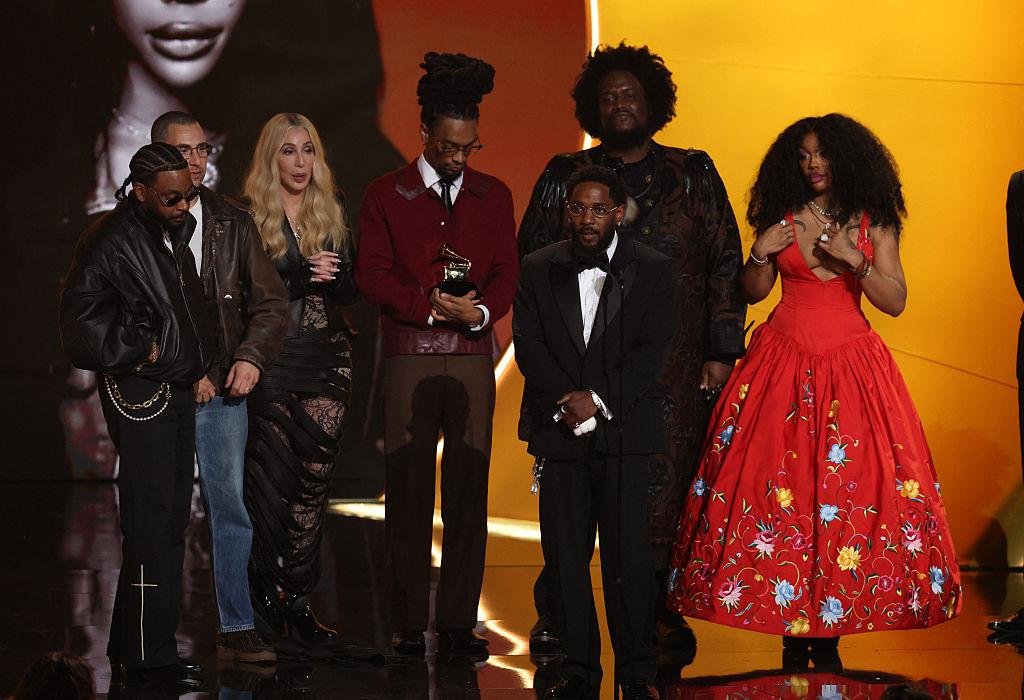

The Grammys have a reputation for moments that spark debate, joy, and confusion in equal measure. Every year, millions tune in to see which artist will take home the coveted “Big Four” awards, but few categories generate as much misunderstanding as Record of the Year. It sounds straightforward—the best record of the year—but the nuance of what actually constitutes a “record” in the eyes of the Recording Academy often escapes the casual viewer.
This year, the night belonged to “Luther” by Kendrick Lamar and SZA. It was a victory that felt both inevitable and surprising, blending high-art hip-hop with soul-baring R&B in a way that captured the collective ear of the industry. But why this specific track? What separated it from the other chart-topping behemoths of 2026? To understand the win, we need to peel back the layers of production, performance, and technical wizardry that the Record of the Year category is designed to honor.
What Is the Record of the Year Grammy?
Before dissecting the specific triumph of “Luther,” it is crucial to clarify what the Record of the Year Grammy explained actually entails. This award is frequently confused with Song of the Year, yet they reward completely different aspects of music creation.
Record of the Year is all about the final product that comes out of your speakers. It honors the technical and artistic execution of a specific recording. The Academy isn’t just listening to the lyrics or the melody; they are listening to the vocal performance, the production choices, the mixing, the engineering, and the overall “vibe” of the track. It is an award for the sound itself.
This distinction is why you often see the credits list for Record of the Year stretching far longer than Song of the Year. The statuettes go to the performing artist(s), the producers, the recording engineers, and the mixers. It is a team sport. When you see a track win Record of the Year, you are seeing the industry tip its hat to the sonic architects who built the song layer by layer.
Conversely, Song vs Record of the Year is a battle of composition versus construction. Song of the Year goes to the songwriters—the people who wrote the lyrics and the melody. You could record a Song of the Year winner on a cheap voice memo app and the composition would still be brilliant. But for Record of the Year, that voice memo wouldn’t stand a chance. The recording needs to be pristine, impactful, and technically flawless.
2026 Record of the Year Winner — Full Details
The Record of the Year Grammy 2026 winner was officially announced as “Luther,” a powerhouse collaboration between Kendrick Lamar and SZA. The track, which dominated airwaves and streaming playlists throughout late 2025 and 2026, was widely regarded as a frontrunner, but its victory was far from guaranteed given the stiff competition.
The Luther Grammy win wasn’t just a win for the two marquee artists. The award was shared with a formidable team of collaborators. Producers Sounwave and Carter Lang, long-time architects of the TDE sound, were instrumental in crafting the song’s lush, sample-heavy atmosphere. The engineering team, led by mixing legend Manny Marroquin, ensured that every vocal inflection and bass hit sat perfectly in the mix.
The acceptance moment was understated but powerful. Kendrick, known for his reclusive nature, let SZA take the lead at the microphone. She spoke passionately about the collaborative process, highlighting the hours spent in the studio refining the specific texture of the drums and the vocal harmonies. It was a speech that underscored exactly why this category exists: to celebrate the labor of love that is audio production.
Why “Luther” Stood Out to Grammy Voters
So, why Luther won Grammy voters over is a question of balance. The Recording Academy voting block is diverse, made up of engineers, producers, songwriters, and artists from various genres. To win Record of the Year, a track usually needs to appeal to the technical sensibilities of the engineers while still capturing the emotional heart that artists and songwriters look for.
“Luther” achieved this through exceptional vocal chemistry. Kendrick Lamar’s delivery—sharp, rhythmic, and intense—provided a perfect counterweight to SZA’s ethereal, fluid vocals. It wasn’t just that they sounded good individually; the way their voices were recorded and mixed created a conversation within the song. The dynamics shifted naturally, moving from intimate whispers to soaring choruses without ever feeling disjointed.
Furthermore, the Grammy winning record analysis shows a track that managed to be complex without being alienating. It had the artistic depth expected of a Kendrick Lamar track, but the melodic accessibility of an SZA hit. Voters love a record that feels “important” but still sounds good on the radio. “Luther” walked that tightrope perfectly. It felt like a classic soul record reimagined for 2026, familiar yet distinctly modern.
Production Breakdown — What Made the Record Elite
When discussing Grammy record production quality, “Luther” serves as a masterclass. The production breakdown reveals why it rose above its competitors.
First, let’s talk about the low end. In modern hip-hop and R&B, managing the bass frequencies is often the hardest part of the mix. “Luther” features a warm, enveloping bassline that drives the song without muddying the vocals. This is the mark of elite music mixing Grammy voters look for. You can hear the separation between the kick drum and the bass guitar, a subtle technical feat that ensures the song hits hard on a car stereo and sounds clear on phone speakers.
The arrangement was equally critical. The song resists the urge to be static. It evolves. Subtle instrumentation enters and exits—a stray flute line here, a distorted synth there—keeping the listener engaged. The sonic clarity allowed every one of these elements to shine. There is a “gloss” to the production that screams high budget and high expertise. It wasn’t raw; it was polished to a mirror shine.
Replay value is another, often unspoken, factor. A Record of the Year needs to be a song you can listen to 500 times and still find something new. The intricate layering on “Luther” rewarded repeat listens, allowing voters to discover new ear candy with every spin.
Cultural and Industry Impact of the Win
The Grammy Record of the Year impact extends beyond the trophy itself. “Luther” was not an underdog; it was a cultural juggernaut. Its chart performance was steady, dominating the Billboard Hot 100 for weeks and maintaining a presence in the top 10 for months.
Streaming dominance played a massive role. In an era where metrics matter, the sheer volume of streams “Luther” accumulated made it impossible to ignore. It proved that a song didn’t need to be a generic pop banger to achieve mass appeal. It bridged the gap between the rap community and the pop/R&B world, creating a “four-quadrant” hit that grandmothers and teenagers alike found themselves humming.
The Luther cultural influence is also tied to its sound. It solidified a shift in modern R&B towards more organic, live-instrumentation-heavy production. We are likely to see a wave of copycat records in 2027 attempting to replicate that warm, vintage-meets-futuristic aesthetic. By rewarding this track, the Academy signaled that they value human feel and groove over purely programmed perfection.
Record of the Year vs Song of the Year (2026 Context)
This year provided a perfect case study for the difference Song vs Record of the Year Grammy. While “Luther” took home the Record prize, the Song of the Year award went to a different contender entirely—a stripped-back acoustic ballad that focused heavily on lyrical storytelling.
This split verdict highlights how voters separate the honors. For Song of the Year, they voted for the pen—the clever metaphors, the narrative arc, and the melody that could stand alone on a piano. For Record of the Year, they voted for the package. “Luther” had great lyrics, certainly, but its true power lay in how those lyrics were presented.
The voters recognized that while the Song of the Year winner was a triumph of composition, “Luther” was a triumph of craft. It was a sonic experience. If you stripped away the production of “Luther” and played it on an acoustic guitar, it might lose some of its magic. That is the hallmark of a great Record of the Year contender; the recording process is intrinsic to the song’s identity.
Other Record of the Year Nominees
The field for Record of the Year nominees 2026 was incredibly crowded. “Luther” was up against high-octane pop anthems, a viral country crossover hit, and a dark horse indie-rock track that had gained unexpected momentum.
One major contender was the synth-pop smash “Neon Horizon,” which many predicted would win due to its radio ubiquity. It was technically flawless but perhaps lacked the emotional weight that “Luther” carried. Another strong nominee was the ballad “Quiet Rooms,” which had incredible vocal performance but simpler production.
Ultimately, these tracks fell short because “Luther” checked every box. It had the technical proficiency of “Neon Horizon” and the emotional resonance of “Quiet Rooms.” Fan expectations were split, leading to tense debates on social media, but the industry consensus leaned towards “Luther” as the most “complete” package of the year.
What This Win Means for Kendrick Lamar & SZA
For Kendrick Lamar, this win adds another jewel to an already heavy crown. Kendrick Lamar Grammy wins have historically leaned towards Rap categories. Winning Record of the Year places him firmly in the general field pantheon, proving his appeal transcends genre boundaries. It reinforces his status not just as a rapper, but as a musical visionary capable of crafting globally resonant sounds.
For SZA, the SZA Grammy 2026 victory is a validation of her evolution. She has long been a critical darling, but a Big Four win like this cements her legacy as a superstar. It proves she can stand toe-to-toe with the biggest names in the industry and anchor a Record of the Year winning track.
Expectations for future collaborations are now sky-high. The industry will be clamoring for more Lamar/SZA link-ups, and both artists will face the pressure of following up a record that defined a year.
How Record of the Year Reflects Music Trends in 2026
The win for “Luther” serves as a mirror for the music trends 2026 Grammys are highlighting. First and foremost: genre-blending is no longer a niche experiment; it is the standard. “Luther” is rap, it is R&B, it is soul, it is pop. It refuses to be boxed in.
Secondly, it highlights the Grammy production trends favoring texture over volume. For a decade, the “loudness wars” meant records were compressed to be as loud as possible. “Luther” is dynamic. It breathes. This win suggests the industry is moving back towards audiophile-quality mixing, where detail is valued over sheer impact.
Finally, it shows that emotion-driven music is winning over purely functional dance music. In a world of short-form video content and 15-second hooks, “Luther” succeeded as a full, cohesive song that takes the listener on a journey.
Frequently Asked Questions (FAQ)
What does Record of the Year actually reward?
It rewards the overall sound of a specific recording. This includes the artist’s performance, the production, the mixing, and the engineering. It is distinct from songwriting.
Who receives the Grammy for Record of the Year?
The trophy goes to the Artist, the Producer(s), the Recording Engineer(s), and the Mixer(s). It is a comprehensive award for the entire technical and creative team.
Can one song win both Record and Song of the Year?
Yes, it happens frequently. Songs like “Hello” by Adele and “This Is America” by Childish Gambino have won both. However, splits are also common when voters want to honor different strengths.
Why didn’t the Song of the Year winner take this award?
Often, a song with incredible lyrics (Song of the Year material) might have simpler or less innovative production. Conversely, a Record of the Year winner might rely heavily on production tricks and vibes rather than traditional songwriting structure.
Is Record of the Year the most prestigious Grammy?
It is arguably the most prestigious for producers and engineers. For the general public, Album of the Year usually holds the top spot, but Record of the Year is widely considered the biggest award for a single track.
Final Thoughts — Why “Luther” Defined Record of the Year 2026
“Luther” didn’t just win a trophy; it captured a moment. In a year filled with disposable content and fleeting viral trends, Kendrick Lamar and SZA crafted something that felt permanent. It was a victory for excellence in sound, proving that meticulous production and raw talent are still the winning combination.
Grammy voters rewarded polish and presence. They chose a track that sounded expensive, expansive, and emotional. “Luther” is a defining record of the modern era because it bridges the gap between technical perfection and human feeling. It reminds us that at the end of the day, the “Record” is about capturing magic in a bottle, and in 2026, no one did that better than this team.