


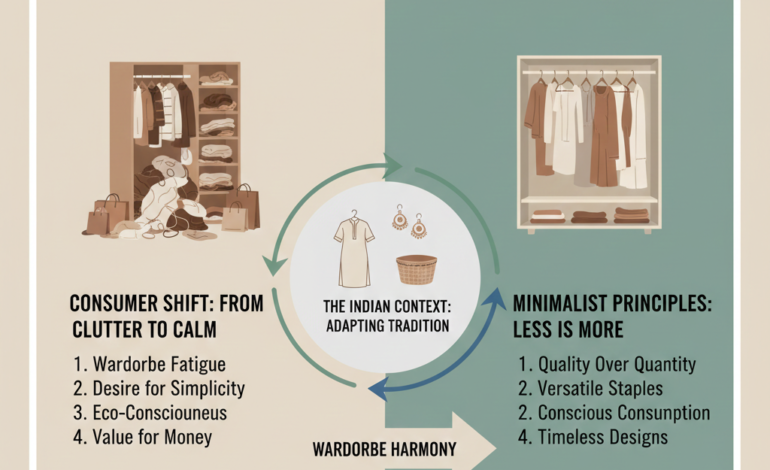

Introduction to Minimalism in Fashion
Minimalism in fashion is a design philosophy that prioritizes simplicity, functionality, and quality over elaborate ornamentation and excess. The origins of this movement can be traced back to the mid-20th century, primarily influenced by minimalist art and architecture. Designers such as Rei Kawakubo and Jil Sander exhibited a profound commitment to stripped-down aesthetics, establishing the groundwork for a fashion movement that seeks to distill clothing to its essence. This approach encapsulates the idea that less is indeed more, where the focus lies on the purity of design and the inherent beauty of the materials used.
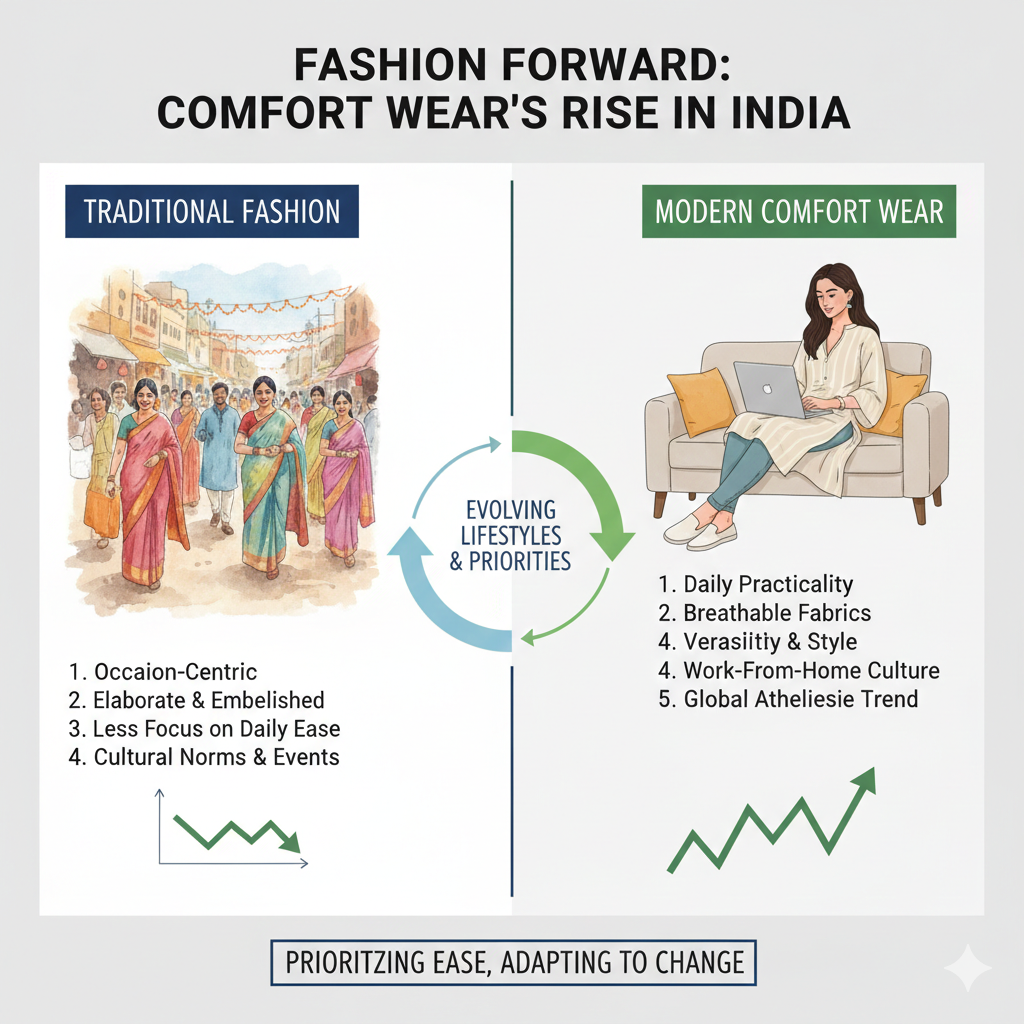
In recent years, minimalism has gained traction on a global level, resonating with consumers seeking to simplify their lives amidst the chaos of modern living. This shift reflects a broader cultural trend towards sustainability and conscious consumption, where individuals are increasingly drawn to quality over quantity. This paradigm shift is particularly relevant in the context of the Indian fashion landscape. Traditionally, Indian fashion has been characterized by its opulence, with vibrant colors, intricate embroidery, and lavish details. However, as global influences permeate the market, the minimalist fashion movement is starting to attract Indian consumers who appreciate its understated elegance and versatile nature.
As the world increasingly leans toward sustainability, minimalism serves as a response to fast fashion, promoting longevity and thoughtful consumption. There is a growing realization that investing in fewer, high-quality pieces can lead to a more sustainable wardrobe. For Indian consumers, this movement offers a refreshing alternative to the often extravagant styles prevalent in traditional fashion, providing an opportunity for personal expression anchored in simplicity. The emerging interest in minimalist fashion signifies a shift in values, moving away from the pursuit of excess towards a lifestyle that embraces clarity, intentionality, and functionality.
The Philosophy Behind Minimalist Fashion
The minimalist fashion movement is predicated on the belief that the essence of style is encapsulated in the principle of ‘less is more.’ This philosophy advocates for a curated wardrobe that emphasizes quality over quantity, allowing consumers to make thoughtful choices regarding their attire. In recent years, there has been a notable shift in consumer behavior towards sustainable practices in India, largely as a response to the challenges posed by fast fashion. With increased awareness regarding its detrimental environmental impact, many consumers are now gravitating towards the minimalist approach in fashion.
Minimalism in fashion is closely aligned with the concept of slow fashion, which emphasizes ethical production practices and the need for longevity in clothing. This approach encourages consumers to invest in timeless pieces that serve multiple purposes and can be worn across various settings. By choosing fewer, high-quality items, individuals not only reduce their ecological footprint but also enrich their wardrobe with versatile styles that stand the test of time.
The rise of minimalist fashion aligns with the changing preferences of Indian consumers, particularly the younger demographic that seeks sustainable alternatives. Awareness campaigns and celebrity endorsements have further fueled interest in brands that adopt minimalist principles and prioritize sustainability. This shift signifies a movement towards mindful consumption, where consumers increasingly evaluate the environmental and social ramifications of their fashion choices. As the minimalist fashion movement gathers momentum in India, it becomes evident that it is not merely a passing trend but a shift towards a more sustainable lifestyle.
Key Characteristics of Minimalist Fashion
Minimalist fashion is increasingly gaining traction among Indian consumers, characterized by its distinct features that prioritize simplicity, functionality, and elegance. One of the most defining characteristics of minimalist fashion is the neutral color palette. Shades such as white, beige, grey, and black dominate this style, allowing for versatility and ease in mixing and matching outfits. This approach contrasts sharply with traditional Indian garments, which often showcase vibrant colors and intricate patterns.
Another hallmark of minimalist fashion is the use of clean lines. Minimalist garments are typically tailored to create a streamlined silhouette, eschewing excessive embellishments and prints. For instance, a well-fitted white shirt paired with straight-cut trousers exemplifies minimalist attire, focusing on form and fit rather than decorative accents. This simplicity creates a timeless look that transcends trends and seasons, appealing to consumers seeking longevity in their wardrobe choices.
The emphasis on high-quality materials is also fundamental to the essence of minimalist fashion. Fabrics like organic cotton, linen, and silk are favored for their durability and comfort, ensuring that pieces remain not only stylish but also practical for everyday wear. For example, a minimalist dress made from high-quality cotton can serve as a staple piece that adapts from casual daytime wear to more formal evening events.
In conclusion, the minimalist fashion movement distinguishes itself from the ornate styles traditionally found in Indian culture through its focus on neutral color palettes, clean lines, and quality materials. Such characteristics cater to the modern consumer’s desire for simplicity and elegance in their fashion choices.
Minimalist Fashion for Indian Consumers: Cultural Adaptation
The minimalist fashion movement, although founded on the principles of simplicity and functionality, finds unique expressions within the diverse cultural landscape of India. For Indian consumers, adopting minimalist fashion means more than just embracing a Western trend; it involves a thoughtful integration of traditional aesthetics into contemporary wardrobes. This fusion showcases how local designers are interpreting minimalism while remaining rooted in cultural significance.
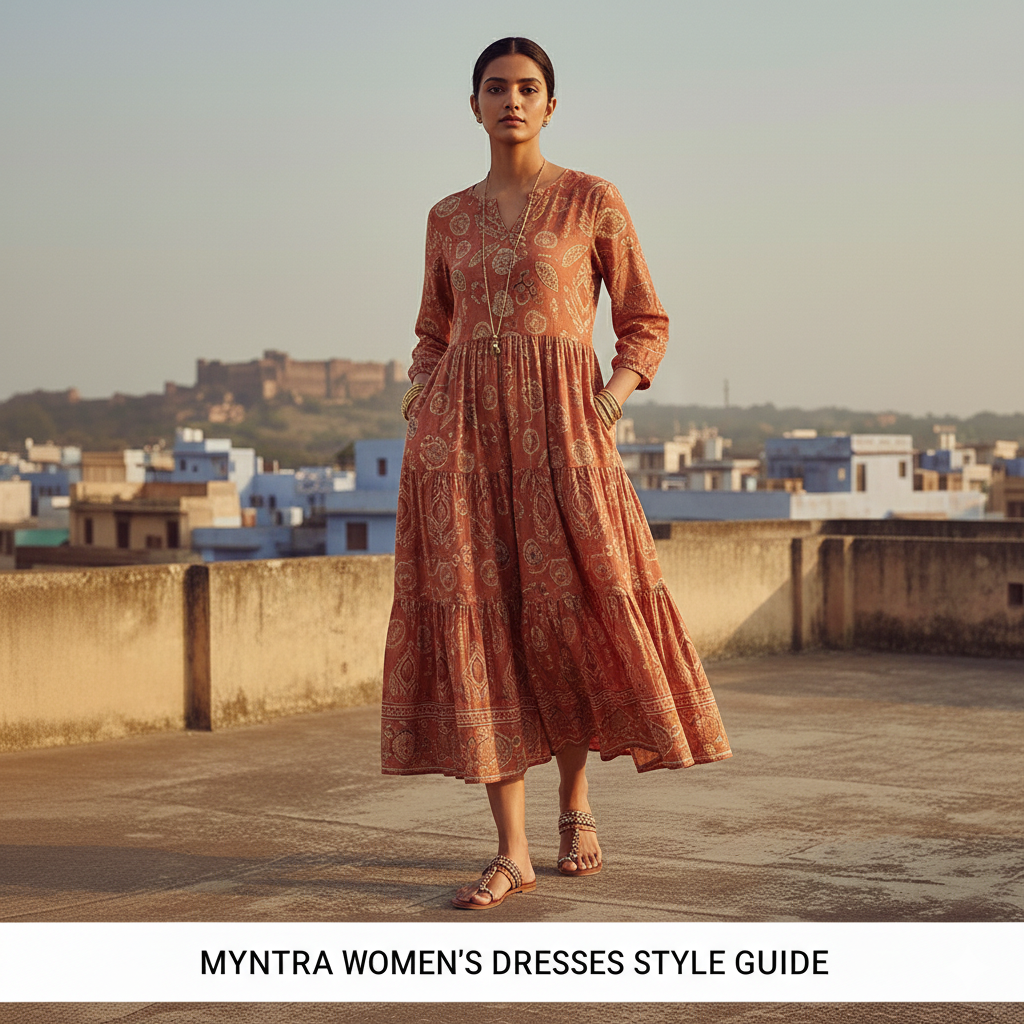
Indian designers are increasingly recognizing the need for sustainable fashion that resonates with the ethos of minimalism. They are focusing on creating pieces that emphasize clean lines and subtle elegance while incorporating traditional techniques and fabrics. For instance, designers often employ handloom textiles or utilize block printing methods, merging age-old craftsmanship with modern silhouettes. This approach not only preserves the rich heritage of Indian fashion but also provides consumers with options that reflect both their cultural identity and minimalist ideals.
Moreover, the adaptation of minimalist fashion in India is visible in the use of a neutral color palette that aligns with the minimalist aesthetic without compromising on local flair. Colors such as beige, white, and pastels dominate, while traditional motifs might be subtly integrated into the fabric patterns. This blend creates a visual harmony that appeals to the contemporary Indian consumer who seeks to express sophistication with simplicity.
As Indian brands and designers continue to innovate, it becomes apparent that minimalist fashion can successfully coexist with India’s diverse cultural heritage. By drawing inspiration from practicality and minimalism, the fashion landscape is evolving, offering consumers a way to embrace modernity while honoring tradition. This balance is essential, as it not only caters to the aesthetic sensibilities of Indian shoppers but also ensures that their cultural narratives remain an integral part of their style choices.
Styling Tips for Embracing Minimalist Fashion in India
Adopting minimalist fashion in India requires a thoughtful approach, combining style with cultural sensibilities. Here are several practical tips to help you embrace this elegant yet straightforward fashion movement.
First and foremost, investing in versatile pieces is essential. Look for clothing items that can be styled in multiple ways, such as a plain white shirt or a classic pair of well-fitted trousers. These items can serve as the foundation for a variety of outfits, allowing for an effortless transition from day to night. Additionally, choose colors that are neutrals or soft tones, which lend themselves well to layering and easy mixing.
Building a capsule wardrobe is another effective strategy for minimalist styling. A capsule wardrobe should consist of a curated collection of essential items that complement each other, making it easier to create outfits without overwhelming choices. For instance, consider pairing a black kurta with jeans and adding accessories to either dress it up or keep it casual. This will save time and reduce decision fatigue, which is a key component of minimalist living.
Moreover, focus on quality over quantity. Invest in a few high-quality garments that reflect your personal style, rather than filling your closet with fast fashion items. Fabrics that are breathable and comfortable, such as cotton or linen, are perfect for the Indian climate and align with minimalist principles by emphasizing simplicity and longevity.
Lastly, experiment with layering, a technique that can enhance your outfit while keeping it minimalistic. Lightweight cardigans or shawls can add texture without overwhelming your look. Choose accessories thoughtfully; opt for a single statement piece rather than multiple distractions, allowing your outfit to remain the focus.
By following these tips, you can successfully incorporate minimalist fashion into your wardrobe while honoring Indian styles and traditions.
The Role of Sustainability in Minimalist Fashion
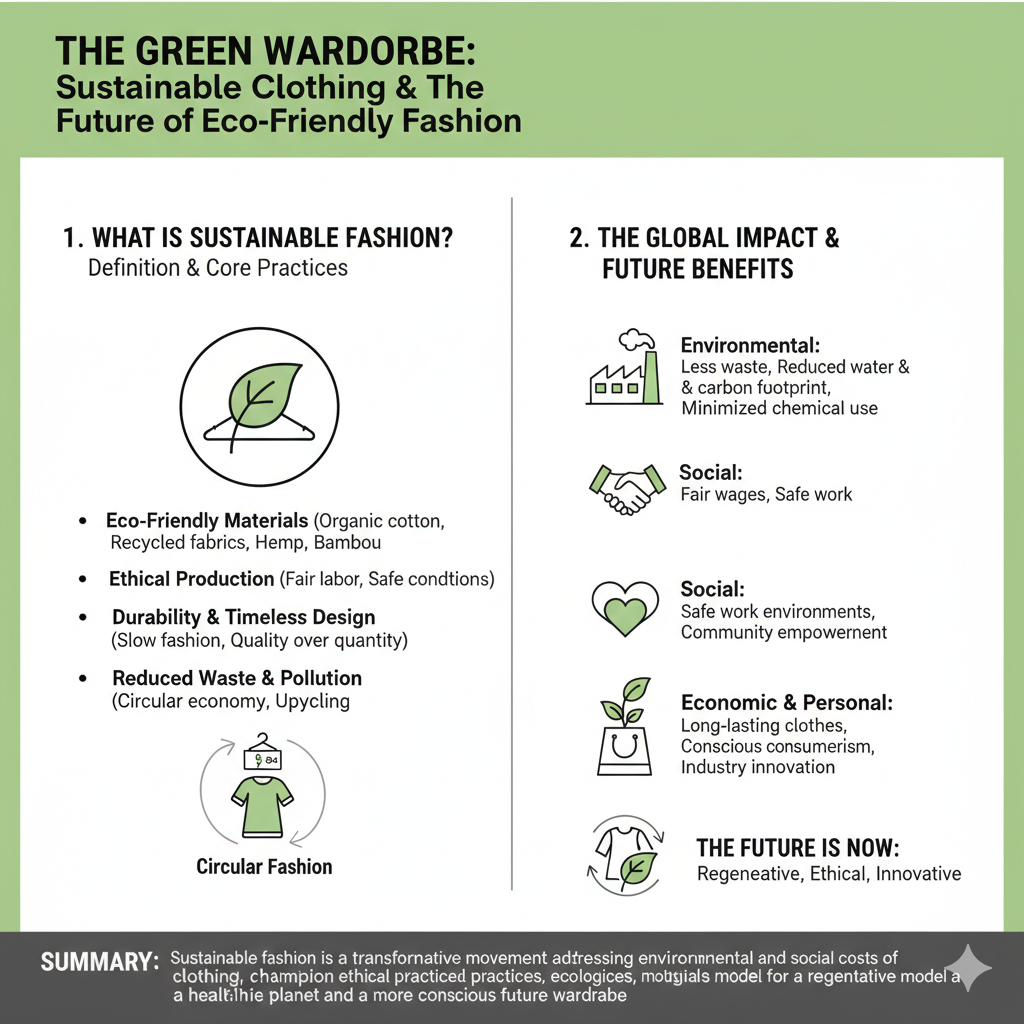
The minimalist fashion movement and sustainability share a profound bond, providing a pathway to more thoughtful consumption habits. By focusing on minimalism, consumers are encouraged to reduce their overall consumption, which directly contributes to a more sustainable approach to fashion. Instead of purchasing numerous fast-fashion items, minimalism advocates for a curated wardrobe where each piece is chosen for its versatility and longevity, effectively minimizing waste and the environmental footprint associated with clothing production.
Central to this philosophy is the notion of quality over quantity. Minimalist fashion promotes investing in high-quality garments that are designed to last, rather than frequent purchases of cheaper, lower-quality items. Such a shift can lead to a decrease in resource depletion, as high-quality materials often have a lower environmental impact over time, compared to disposable fast-fashion pieces that quickly end up in landfills.
Moreover, the minimalist trend aligns seamlessly with the rise of second-hand and ethically-produced items. By embracing thrift shopping and vintage finds, consumers not only reduce new production demands but also give new life to pre-loved garments. Ethically-produced fashion, which focuses on fair labor practices and sustainable materials, complements the minimalist ethos by ensuring that the items chosen are produced with consideration for both the environment and the people involved in their creation.
Ultimately, the intersection of minimalist fashion and sustainability prompts consumers to become more intentional with their choices. Such a lifestyle encourages a connection to the items they own, fostering appreciation while promoting ethical consumption practices that align with global sustainability goals. By adopting a minimalist framework, Indian consumers can play a pivotal role in the broader movement towards sustainable fashion, benefiting both themselves and the planet.
Popular Minimalist Fashion Brands in India
The minimalist fashion movement has gained significant traction in India, prompting various brands to adopt and promote its principles. These brands emphasize clean lines, an understated aesthetic, and sustainable practices, making them appealing to consumers who prioritize both style and substance. Here are some notable names reshaping the landscape of minimalist fashion in India.
One prominent brand is Anita Dongre, known for her commitment to sustainability and ethical fashion. Her collections often feature timeless silhouettes crafted from natural fabrics. With a focus on traditional techniques, Dongre merges modern aesthetic sensibilities with cultural narratives, resonating with consumers seeking a blend of minimalism and tradition.
Another noteworthy mention is Nude, a brand synonymous with simplicity and functional design. Known for its neutral color palettes and versatile pieces, Nude offers essential garments that can be styled in multiple ways, catering to the practicalities of daily wear. Their emphasis on quality over quantity aligns perfectly with the minimalist ethos.
W for Woman also plays a significant role in this space, offering a range of apparel that embodies contemporary minimalism infused with Indian craftsmanship. Their collections often feature uncomplicated designs that focus on form and comfort, allowing for ease of movement while maintaining elegance.
Finally, The Potters Hand showcases a unique approach by incorporating local artisanship into minimalist designs. Each piece tells a story, marrying the simplicity of modern fashion with the richness of Indian artisan traditions.
These brands not only present stylish yet minimalistic options but also advocate for a more sustainable fashion industry. Each showcases unique approaches to minimalism, appealing to the discerning tastes of Indian consumers while contributing to a broader movement towards mindful consumption.
Challenges and Misconceptions About Minimalist Fashion in India
The minimalist fashion movement, while gaining traction globally, is still met with skepticism in India. One common misconception is that minimalist fashion is exclusively suited for a specific body type, leading many to believe they cannot embrace the style. However, minimalism is about design simplicity and the effective use of space rather than adhering to strict body standards. It allows individuals of all sizes to express themselves through versatile clothing options that emphasize personal comfort and aesthetics.
Another prevalent myth is that minimalism lacks color and vibrancy, which could not be further from the truth. While minimalist fashion often showcases neutral tones, it also embraces bold colors when utilized thoughtfully. The core principle is not the absence of color but rather intentionality in choices, allowing for a more cohesive and refined wardrobe that celebrates individual style without overwhelming the senses.
Moreover, the challenge of societal pressure to conform to elaborate traditional styles complicates the acceptance of minimalist fashion in India. The cultural context often demands embellishments and intricate designs, making simplicity seem less desirable. However, it is essential to recognize that minimalist fashion can coexist with traditional elements, fostering a new modern identity that respects cultural heritage while promoting self-expression.
To overcome these barriers, education and dialogue are key. Engaging with communities to share success stories of individuals who have adopted a minimalist wardrobe can inspire others to experiment with simplicity. Styling workshops and events that celebrate minimalism can further demystify the movement, encouraging acceptance and appreciation among diverse audiences.
Conclusion: The Future of Minimalist Fashion in India
The minimalist fashion movement has gained significant traction in India over the past few years, as consumers increasingly prioritize sustainability, quality, and timelessness over fleeting trends. This shift in perception is leading many to reevaluate their wardrobe choices, fostering a desire for fewer, but more meaningful, garments. Minimalist fashion advocates for a clean, uncluttered aesthetic, allowing individuals to express their personality without overwhelming their visual presence. This can be particularly empowering in a diverse culture that often celebrates vibrant colors and intricate designs.
As consumers continue to gravitate towards this approach, the future of minimalist fashion in India appears promising. Eco-conscious brands are emerging, offering apparel that adheres to sustainable practices while maintaining a minimalist appeal. By focusing on high-quality materials and craftsmanship, these brands not only cater to the growing demand for ethical consumption but also encourage consumers to invest wisely in their wardrobe. This trend aligns with the global move towards sustainability, which is becoming a cornerstone of modern fashion.
However, the coexistence of minimalist fashion with traditional styles presents both challenges and opportunities. Many Indian consumers remain deeply rooted in the cultural significance of traditional attire, which often embodies intricate craftsmanship and historical narratives. The challenge lies in harmonizing minimalist principles with these rich traditions. Designers and consumers alike have the potential to innovate by blending minimalist aesthetics with traditional elements, creating unique styles that honor the past while embracing the future.
In conclusion, the rise of minimalist fashion presents an opportunity for Indian consumers to adopt a more intentional approach to their clothing choices. Embracing this movement may not only lead to more sustainable consumption but also pave the way for reimagining traditional aesthetics through a contemporary lens. As the dialogue around fashion continues to evolve, being mindful of how we dress can significantly impact both personal style and the environment.