




How Tourism Affects Local Economies in the USA

We all know the feeling of needing a break. Whether it’s a long weekend in Nashville or a week unplugged in a cabin in the Pacific Northwest, travel is often about recharging our own batteries. But have you ever stopped to think about what that trip does for the place you’re visiting?
For young professionals, travel is more than just leisure; it’s a way to collect experiences and gain perspective. But beyond the Instagram posts and memories, every flight booked, latte purchased, and boutique hotel stay contributes to a massive economic engine. Tourism isn’t just about fun—it’s a critical financial pillar for communities across the United States. From bustling metropolises to quiet coastal towns, visitors bring fresh capital that keeps local hearts beating.
In this deep dive, we’re unpacking exactly how your wanderlust fuels local economies, creates jobs, and shapes the communities we love to visit.
What Is Tourism’s Economic Impact?
When we talk about tourism’s economic impact, it’s easy to just think about the price of a plane ticket. However, the financial footprint is far more complex and reaches much deeper into the community. Economists generally break this down into three categories: direct, indirect, and induced effects.
Direct effects are the most obvious—money spent directly by tourists on hotels, restaurants, and attractions. Indirect effects happen when those businesses spend money to restock supplies (like a restaurant buying produce from a local farm). Induced effects occur when employees of those businesses spend their wages within the local economy.
While national tourism numbers grab headlines, the local influence is often where the real story lies. A billion-dollar national industry translates into paved roads, new parks, and thriving main streets at the local level.
Why Tourism Matters to Local Economies in the USA
For many U.S. towns and cities, tourism isn’t just a bonus; it’s a lifeline. Visitor spending power injects cash into areas that might otherwise struggle to attract outside investment. This is especially true for regions moving away from traditional industries like manufacturing or coal.
Tourism also drives regional development and diversification. A town known only for one industry becomes vulnerable to market shifts. By developing a tourism sector, communities create a safety net. It encourages the growth of a diverse range of services—from tech startups focusing on travel apps to artisanal bakeries—making the local economy more resilient against downturns.
Positive Economic Effects of Tourism
The benefits of a thriving tourism sector are tangible. You can see them in the revitalized downtowns and busy storefronts. Here is how that visitor revenue actually manifests on the ground.
Job Creation and Employment
The most immediate impact is jobs. The hospitality sector is a massive employer, offering roles ranging from entry-level service positions to high-level management careers in hotel chains and destination marketing organizations. This includes direct roles in hotels and transportation, but also service jobs in spas, gyms, and retail.
It’s important to note the mix of seasonal versus year-round jobs. In ski towns or beach resorts, employment might spike during peak months, offering great opportunities for students or gig workers. However, many destinations are working hard to create year-round appeal to turn those seasonal gigs into stable, full-time careers.
Growth of Small Businesses
Have you ever visited a town specifically to try a famous coffee shop or browse a unique vintage store? Tourism is a massive driver for small business growth. It lowers the barrier to entry for entrepreneurs. A steady stream of visitors provides a customer base that local residents alone might not support.
This environment fosters entrepreneurship. It allows a chef to open a niche restaurant or an artist to launch a gallery. For young professionals looking to leave the corporate grind and start a passion project, tourist-heavy towns often offer the perfect launchpad.
Increased Local Tax Revenue
Tourists pay their fair share, too. Through sales tax, lodging taxes (often called bed taxes), and tourism-specific fees, visitors contribute significantly to the public purse. This revenue is crucial because it helps fund public services without raising taxes on local residents. It pays for police, fire departments, schools, and sanitation—services that benefit everyone, long after the tourists have gone home.
Infrastructure and Community Investment
To attract visitors, cities need to look good and function well. This necessity drives investment in infrastructure. We’re talking about better roads, upgraded airports, and expanded public transportation systems.
Furthermore, tourism revenue often funds the revitalization of public spaces like parks, waterfronts, and plazas. These projects might be pitched to attract conventions or festivals, but ultimately, they improve the quality of life for the people who live there 365 days a year.
Tourism’s Impact on Different Local Economies
Not all destinations feel the impact of tourism in the same way. The economic dynamics shift depending on the geography and size of the community.
Urban destinations like New York or Chicago benefit from business travel and large-scale conventions. Here, tourism supports a vast ecosystem of transit, entertainment, and high-end dining.
Rural and small-town communities often rely on tourism to combat population decline. A popular hiking trail or a historic landmark can put a small town on the map, bringing in gas money, diner receipts, and B&B stays that keep the town viable.
Coastal and resort areas have economies almost entirely synchronized with visitor flows. In these locations, tourism dictates real estate prices, local wages, and even school calendars.
Role of Domestic vs International Tourism
While international travelers often spend more per trip, domestic tourism is the bread and butter of the U.S. travel economy. U.S. traveler spending is resilient; even when global events slow international travel, Americans still take road trips and weekend getaways.
However, global visitor contributions shouldn’t be overlooked. International tourists often stay longer and buy more retail goods, effectively importing foreign wealth into U.S. local economies. A balanced mix of both is the “sweet spot” for a healthy local economy.
Multiplier Effect of Tourism Spending
The “multiplier effect” is an economic concept that describes how money circulates. When you buy a $50 dinner at a local bistro, that money doesn’t disappear. The bistro uses it to pay the server, who uses it to pay rent to a local landlord, who uses it to buy groceries at the local market.
Supply chain benefits are a huge part of this. Hotels need laundry services, florists, and IT support. Restaurants need accountants and farmers. One tourist dollar can change hands multiple times within a community, magnifying its value significantly before it eventually leaves the local ecosystem.
Seasonal Tourism and Economic Stability
Seasonality is a double-edged sword. Peak-season dependence can lead to “feast or famine” cycles for local businesses. A rainy July in a beach town can devastate yearly earnings.
Off-season challenges force businesses to be creative. Many spots now host winter festivals, culinary weeks, or conferences during the slow months to smooth out revenue spikes. For workers, this seasonality can make financial planning difficult, highlighting the need for a diversified local economy that doesn’t rely solely on visitors.
Challenges and Downsides of Tourism
It’s not all revenue and renovation. Tourism brings significant challenges that local governments and residents have to manage carefully.
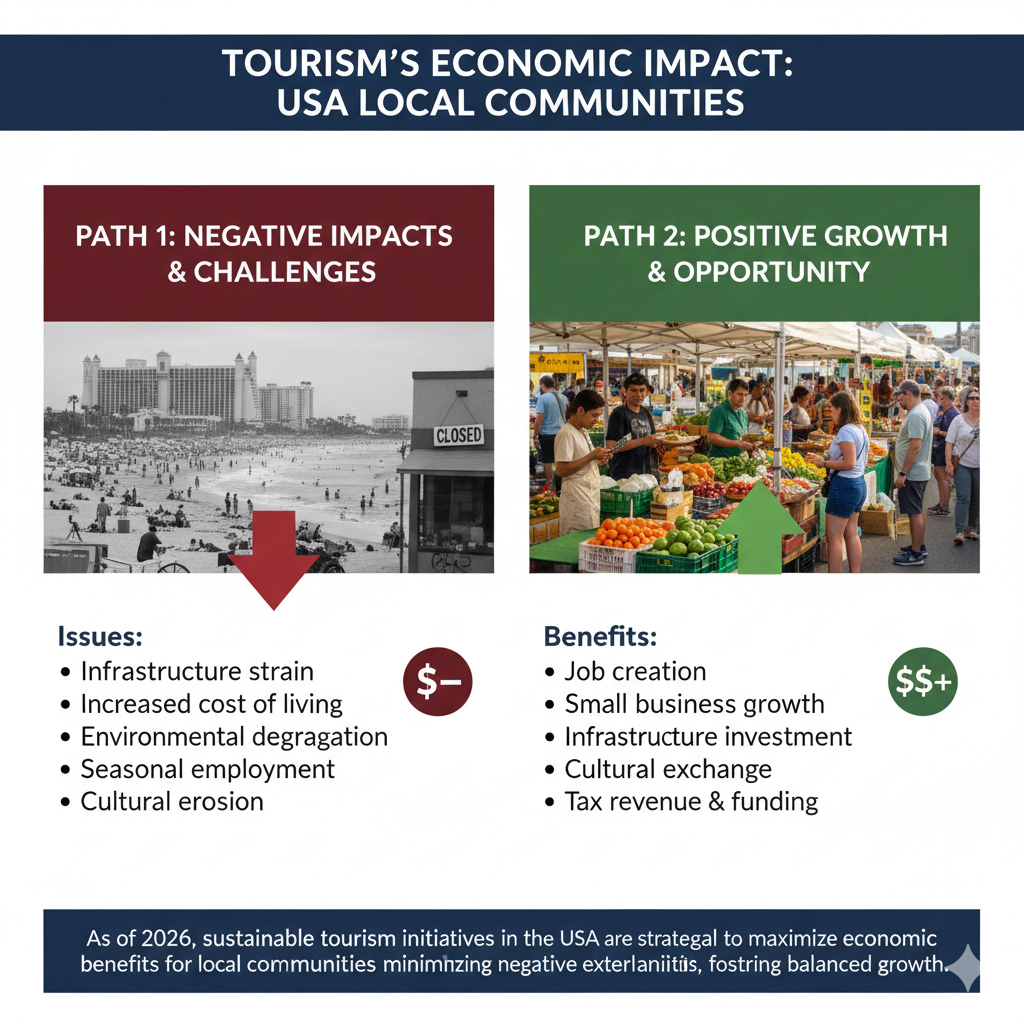
Rising housing and living costs are perhaps the biggest issue. When short-term rentals (like Airbnbs) become more profitable than long-term leases, locals can be priced out of their own neighborhoods. This gentrification can change the character of a community.
Overcrowding and resource strain are also real concerns. Traffic congestion, crowded trails, and pressure on water and waste systems can degrade the quality of life for residents.
Finally, while tourism creates jobs, it is often criticized for low-wage or unstable employment. Service industry roles can be demanding and lack benefits, making it hard for workers to afford living in the very destinations they serve.
Sustainable Tourism and Long-Term Growth
To combat these downsides, the industry is shifting toward sustainable tourism. This isn’t just about eco-friendly hotels; it’s about balancing growth with community needs.
Responsible tourism practices involve managing visitor numbers and ensuring that tourism development aligns with the values of the residents. It’s about creating a “high value, low impact” model where visitors spend more but strain local resources less. For the conscious traveler, this means choosing local businesses and respecting local regulations.
Tourism and Cultural Preservation
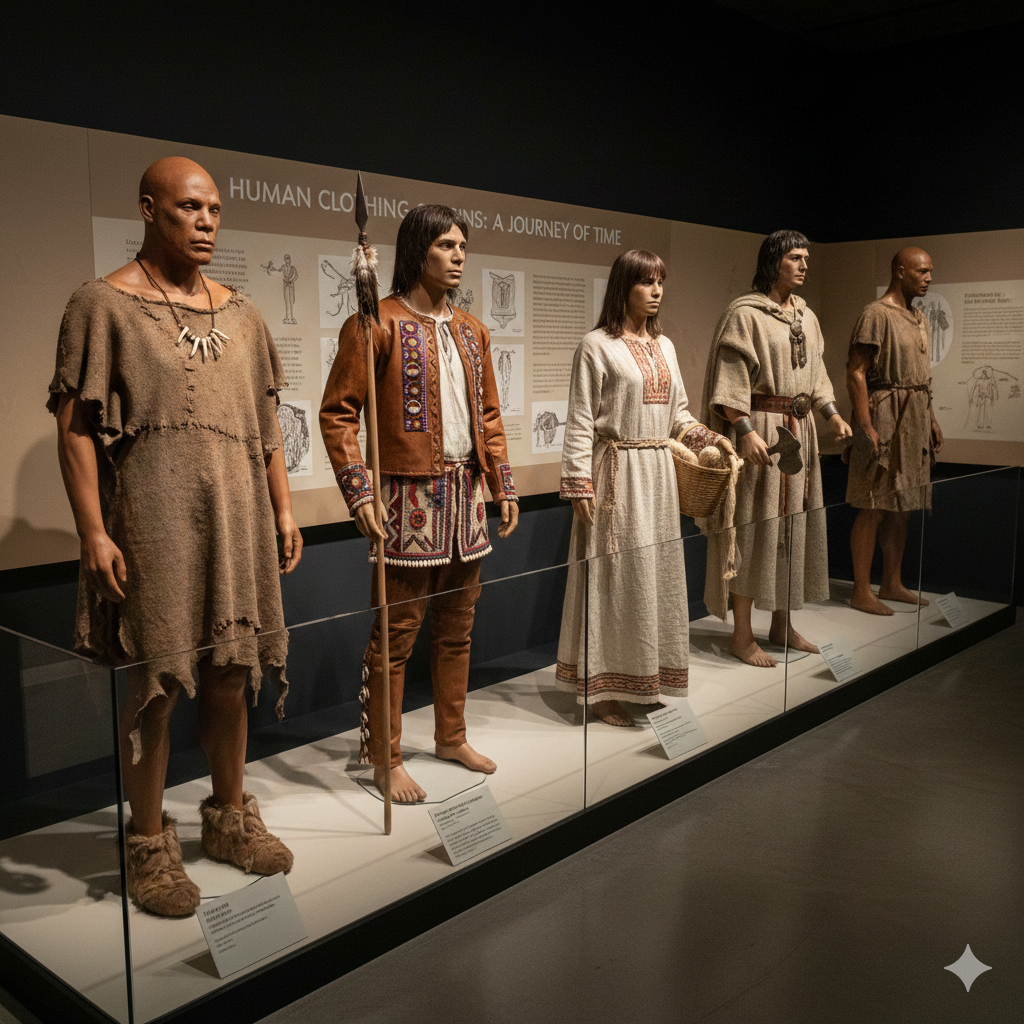
Tourism can be a powerful force for keeping culture alive. It provides a financial incentive for supporting local heritage, whether that’s preserving historic architecture, funding music festivals, or keeping traditional crafts viable.
However, there is a risk of over-commercialization. When culture becomes a commodity, it can lose its authenticity—often referred to as the “Disneyfication” of a destination. Striking a balance requires active involvement from local cultural leaders to ensure their story is told on their terms.
How Local Governments Support Tourism
Local governments play a quarterback role in this ecosystem. Through Destination Marketing Organizations (DMOs), they brand their cities to attract the right kind of traveler.
They also use incentives and public-private partnerships to spur development. This might look like tax breaks for a developer turning an old factory into a boutique hotel or city funding for a convention center expansion. These investments are calculated risks taken in hopes of future economic returns.
Measuring Tourism’s Economic Impact
How do we know if it’s working? Data. Analysts look at visitor spending metrics—credit card data is particularly useful here—to see exactly where and how much tourists are spending.
They also track employment and tax data. If hospitality hiring is up and lodging tax revenue is climbing, the tourism economy is generally healthy. These metrics help city planners decide where to invest next, whether it’s a new stadium or better hiking trails.
Future Outlook for Tourism and Local Economies
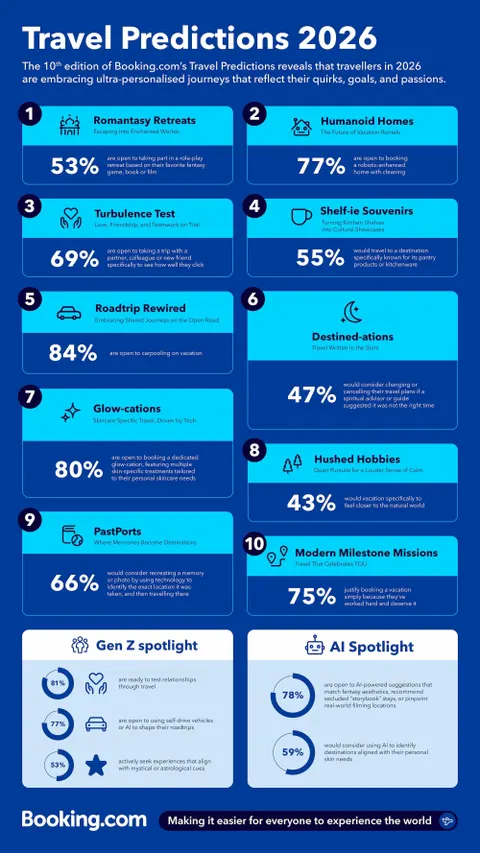
The travel landscape is evolving. Post-pandemic recovery trends show a massive desire for connection and experience. People are prioritizing travel despite inflation, viewing it as a non-negotiable part of their lifestyle.
Technology and experience-driven travel are the new frontiers. From AI-planned itineraries to VR previews of destinations, tech is making travel more accessible. Simultaneously, travelers are seeking “transformational travel”—experiences that change them. Local economies that offer unique, authentic, and immersive experiences will be the winners in the coming decade.
FAQs – Tourism and Local Economies
How does tourism help local economies?
Tourism injects “new” money into a community. It creates jobs, supports small businesses, and generates tax revenue that funds public services like schools and infrastructure improvements.
What are the negative effects of tourism?
High tourism levels can lead to increased cost of living and housing shortages for locals. It can also cause overcrowding, traffic congestion, and environmental degradation if not managed sustainably.
Do small towns benefit from tourism?
Absolutely. For many small towns, tourism is a primary economic driver that supports local shops and restaurants, preventing economic stagnation and keeping the community vibrant.
How important is tourism to the U.S. economy?
It is vital. Tourism is one of the largest service exports in the U.S., supporting millions of jobs and contributing roughly $2 trillion in economic output annually.
Can tourism support long-term economic growth?
Yes, if managed correctly. By reinvesting tourism revenue into infrastructure and community assets, and by practicing sustainable tourism, destinations can ensure long-term prosperity rather than short-term booms.
Shaping the Places We Love
The next time you book a trip, remember that you are an active participant in that destination’s economy. Your choices—where you sleep, eat, and shop—have a direct impact on the livelihood of the locals. By understanding the economics of tourism, we can become better travelers, ensuring that the places we love to visit continue to thrive for years to come.