





How Stress Impacts Physical Health in the USA (Body-Wide Effects)

Stress is often dismissed as a mental hurdle—a feeling of being overwhelmed, anxious, or “burned out.” But for millions of Americans, stress isn’t just in their heads; it’s manifesting deeply within their bodies. From tension headaches to soaring blood pressure, the physical toll of living in a high-pressure society is undeniable.
In the United States, stress has become a pervasive public health concern. The demands of modern life—juggling careers, financial instability, and fast-paced lifestyles—keep many people in a constant state of alertness. While the human body is designed to handle short bursts of tension, it is not built to endure the chronic, unrelenting pressure that has become the norm for so many.
Understanding the connection between your mind and body is the first step toward reclaiming your health. This guide explores exactly how stress reshapes your physiology, why it’s particularly problematic in the USA, and what you can do to break the cycle.
What Is Stress and How Does It Affect the Body?
To understand the physical effects of stress, we first need to define what stress actually is. Biologically, stress is the body’s reaction to a challenge or demand.
There are two main types: acute stress and chronic stress. Acute stress is short-term—like slamming on the brakes to avoid a car accident or giving a public speech. Chronic stress is long-term—like dealing with a toxic workplace, ongoing financial debt, or caring for a sick relative.
The Fight-or-Flight Response
When you perceive a threat, your hypothalamus (a tiny region at the base of your brain) sets off an alarm system in your body. Through a combination of nerve and hormonal signals, this system prompts your adrenal glands to release a surge of hormones, including adrenaline and cortisol.
This is the famous “fight-or-flight” response. Your heart beats faster to pump blood to your muscles. Your breath quickens to take in more oxygen. Your senses sharpen. In a survival situation, this reaction saves your life.
Short-Term vs. Long-Term Effects
In short bursts, stress can actually be helpful. It helps you meet deadlines or react quickly in sports. However, the problem arises when this alarm system stays switched on.
When stress effects on the body become continuous, your body never gets the signal to return to normal functioning. This disrupts nearly every system you have. It can suppress your immune system, upset your digestive and reproductive systems, increase the risk of heart attack and stroke, and speed up the aging process.
Why Stress Is a Major Health Issue in the USA
The United States faces a unique set of pressures that contribute to a high prevalence of chronic stress causes. According to the American Psychological Association, significant sources of stress for Americans include the future of the nation, money, work, and the political climate.
The Modern American Lifestyle
The “hustle culture” prevalent in the US often glorifies overworking and minimizes rest. Americans work longer hours and take fewer vacation days compared to many other developed nations. Combined with the rising cost of living and healthcare expenses, this creates a perfect storm for anxiety.
The Link to Modern Diseases
This high-stress environment is directly correlated with the rise of chronic conditions. Stress health USA statistics show a parallel between rising stress levels and the increase in lifestyle-related diseases such as hypertension, obesity, and type 2 diabetes. When the body is constantly fighting invisible tigers, it wears down the machinery necessary for long-term health.
How Stress Affects Heart and Cardiovascular Health
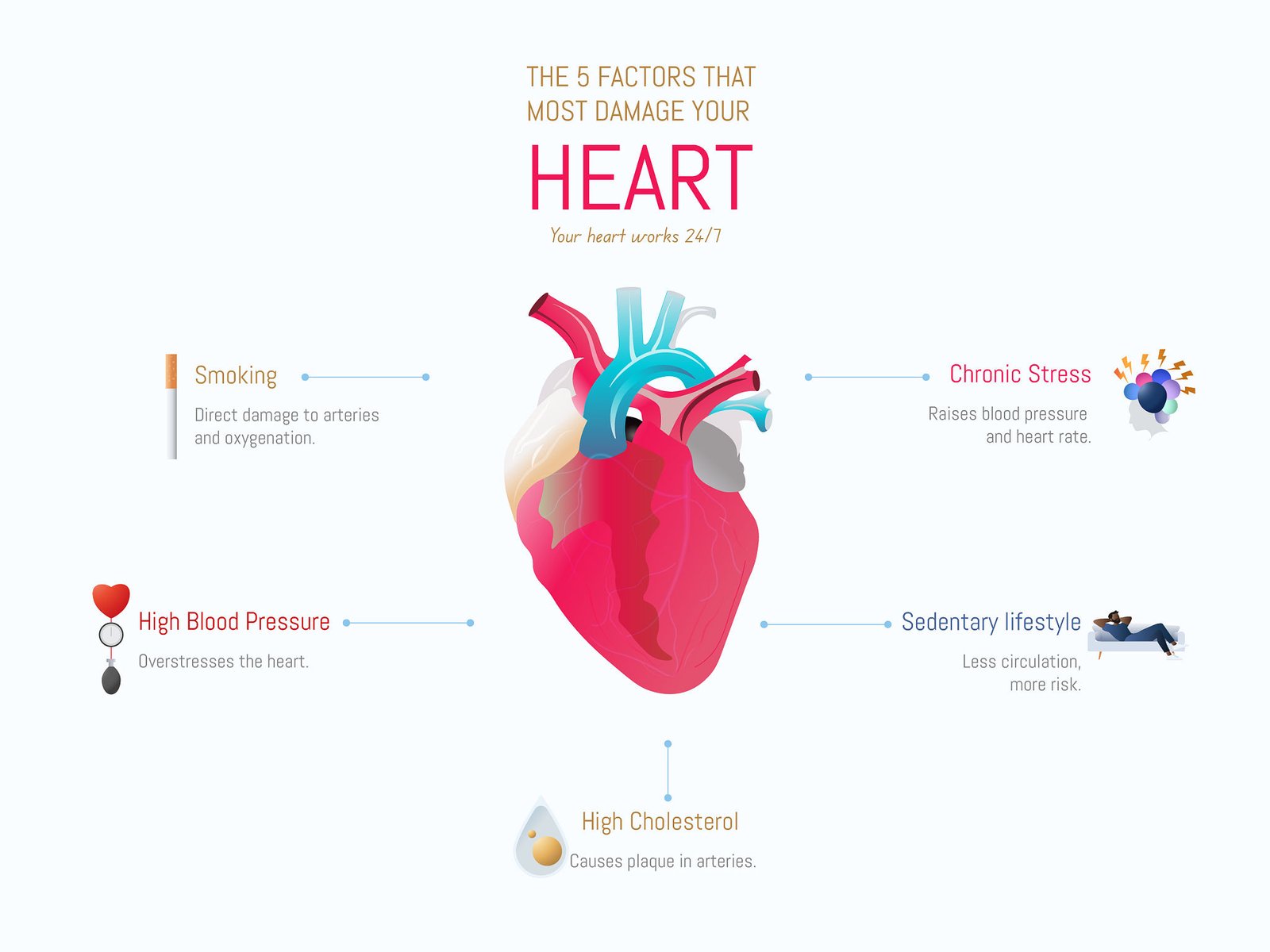
Perhaps the most dangerous impact of chronic stress is on the heart. The connection between stress and heart health is well-documented and severe.
Blood Pressure and Heart Rate
During a stressful moment, adrenaline causes your heart to beat faster and your blood pressure to rise. Over time, if you are constantly stressed, this elevated state becomes your new baseline. Stress blood pressure USA rates are a significant concern, as high blood pressure (hypertension) is a leading cause of heart disease and stroke.
Inflammation and Arterial Damage
Chronic stress triggers inflammation in the circulatory system, particularly in the coronary arteries. This inflammation is thought to link stress to atherosclerosis (hardening of the arteries) and heart attacks. Furthermore, coping mechanisms for stress—such as smoking, overeating, or excessive alcohol consumption—further damage the cardiovascular system, creating a compounded risk.
Impact of Stress on the Immune System
Have you ever noticed that you tend to get sick right after a major project is due or during a difficult family event? That is stress immune system suppression in action.
Weakened Immune Response
When you’re stressed, the immune system’s ability to fight off antigens is reduced. That is why we are more susceptible to infections. The stress hormone cortisol can suppress the effectiveness of the immune system (specifically by lowering the number of lymphocytes).
Chronic Inflammation
While acute stress suppresses the immune system, chronic stress can lead to immune dysregulation. This often results in low-grade chronic inflammation. Stress and inflammation are linked to numerous health issues, including arthritis, fibromyalgia, lupus, and psoriasis. Instead of fighting off invaders, the immune system begins to turn against the body or remains in a state of constant, damaging agitation.
Stress and Digestive Health Problems
The gut is often called the “second brain,” and for good reason. The gut-brain connection is strong, meaning your stomach creates immediate physical reactions to mental stress.
The Gut-Brain Axis
When the fight-or-flight response is activated, the central nervous system shuts down digestion. Blood flow is diverted away from the stomach to the muscles. This slows down digestion and can cause bloating, pain, or discomfort.
Common Digestive Issues
Stress digestive health impacts are wide-ranging. Stress can affect how quickly food moves through your body, leading to either diarrhea or constipation. Furthermore, stress gut problems can exacerbate chronic conditions like Irritable Bowel Syndrome (IBS), Gastroesophageal Reflux Disease (GERD), and stomach ulcers. While stress doesn’t cause ulcers (bacteria do), it can make them much worse and harder to heal.
How Stress Impacts Sleep and Energy Levels
Sleep and stress have a complicated, bidirectional relationship. Stress causes sleep loss, and sleep loss causes stress.
Insomnia and Hyperarousal
Stress and sleep problems often go hand in hand because cortisol keeps the brain alert. You might feel “tired but wired”—exhausted physically but mentally unable to shut down. Racing thoughts about finances, work, or relationships prevent the body from entering deep, restorative sleep cycles.
Fatigue and Burnout
Without adequate rest, the body cannot repair itself. This leads to stress fatigue USA residents know all too well. Chronic fatigue affects concentration, mood, and physical coordination. Over time, this depletion leads to burnout—a state of emotional, physical, and mental exhaustion caused by excessive and prolonged stress.
Stress, Hormones, and Weight Changes
Many people find their weight fluctuating during difficult times. This isn’t just about “comfort eating”; it’s a biochemical reaction involving stress hormones cortisol.
Cortisol and Belly Fat
When cortisol levels remain high, the body thinks it needs to refuel after fighting a threat. This triggers cravings for sweet, fatty, and salty foods. Furthermore, cortisol encourages the body to store fat, particularly in the abdomen (visceral fat). This type of fat is metabolically active and increases the risk of heart disease and diabetes.
Hormonal Imbalances
Stress weight gain USA trends are also linked to how stress disrupts other hormones. It can impact thyroid function (which regulates metabolism) and insulin sensitivity. In women, high stress can disrupt menstrual cycles and libido; in men, it can lower testosterone levels.
Long-Term Physical Health Risks of Chronic Stress
If left unchecked, the cumulative damage of stress leads to serious long-term consequences. The chronic stress health risks extend far beyond temporary discomfort.
Diabetes and Metabolic Disorders
Because stress causes the liver to release extra sugar (glucose) into the bloodstream to provide energy for “fight or flight,” chronic stress keeps blood sugar levels consistently high. Over time, this increases the risk of developing type 2 diabetes.
Chronic Pain
Stress causes muscles to tense up to guard against injury. If muscles are taut and tense for long periods, this can trigger other reactions of the body and even promote stress-related disorders. Long-term stress effects include tension headaches, migraines, and chronic back and shoulder pain.
Physical Warning Signs of Excessive Stress
Your body usually signals that it is under too much pressure long before a major health crisis occurs. Recognizing these physical signs of stress is crucial for early intervention.
Common stress symptoms body signals include:
- Headaches: Frequent tension headaches or migraines.
- Muscle Tension: A stiff jaw (bruxism), tight neck, or sore shoulders.
- Chest Pain: Rapid heartbeat or palpitations (always consult a doctor for chest pain).
- Fatigue: Feeling tired even after sleeping.
- Stomach Upset: Nausea, diarrhea, or constipation.
- Frequent Colds: Getting sick more often than usual.
- Loss of Libido: Decreased sexual desire or ability.
- Shaking: Tremors or ringing in the ears.
How to Reduce Stress for Better Physical Health
The good news is that the body is resilient. By implementing stress management tips USA experts recommend, you can reverse many of the physical impacts of stress.
Move Your Body
Exercise is one of the most effective ways to reduce stress naturally. It lowers stress hormones and releases endorphins, the body’s natural mood elevators. You don’t need to run a marathon; a 30-minute walk can make a significant difference.
Mindfulness and Relaxation
Techniques such as meditation, deep breathing exercises, and yoga activate the parasympathetic nervous system—the “rest and digest” system that counteracts the fight-or-flight response.
Work-Life Boundaries
In an always-connected world, setting boundaries is vital. This means turning off work emails after hours, taking allotted vacation time, and learning to say “no” to additional responsibilities when your plate is full.
Stress Management vs. Medical Treatment
Sometimes, deep breathing isn’t enough. Knowing the difference between stress management vs therapy needs is important.
When to Seek Help
If stress treatment USA options like lifestyle changes aren’t working, or if you feel like stress is controlling your life, professional help is necessary. If you experience chest pain, severe anxiety attacks, or feelings of hopelessness, seek medical attention immediately.
The Role of Healthcare
Doctors and therapists can provide tools that go beyond self-help. Cognitive Behavioral Therapy (CBT) is highly effective for stress. In some cases, medication may be needed to manage underlying anxiety or depression, giving the patient the stability needed to make lifestyle changes.
Frequently Asked Questions (FAQ)
Can stress really cause physical illness?
Yes. The mind-body connection is powerful. Chronic stress creates a physiological environment—through inflammation, hormonal imbalances, and high blood pressure—that fosters disease. It can worsen existing conditions and creates susceptibility to new ones.
How much stress is considered unhealthy?
Stress becomes unhealthy when it is chronic (constant), feels unmanageable, or interferes with your ability to live a normal life. If you feel unable to cope with day-to-day tasks or physical symptoms are appearing, the stress level is unhealthy.
Does stress affect everyone the same way?
No. Genetics, life experiences, and coping mechanisms all play a role. Some people may develop headaches, while others experience digestive issues. Furthermore, what one person finds stressful, another might find exciting.
Can exercise reduce stress-related health problems?
Absolutely. Physical activity metabolizes the excess stress hormones (like adrenaline) built up in the blood. It also improves cardiovascular health and sleep, directly counteracting the negative effects of stress.
How long does it take to recover from chronic stress?
There is no set timeline. It depends on the duration of the stress and the severity of the physical impact. However, the body begins to repair itself almost immediately once the stressor is removed or managed. Blood pressure can lower within minutes of deep breathing, and sleep patterns can improve within weeks of better hygiene.
Final Thoughts on Stress and Physical Health
Viewing stress management as a luxury is a mistake; it is a fundamental component of preventive healthcare. The body keeps the score. Every sleepless night, every skipped meal, and every moment of unmanaged anxiety accumulates.
Living in the USA presents unique challenges, but it also offers access to diverse resources for health and wellness. By acknowledging the physical reality of stress, you can take proactive steps to protect your heart, your immune system, and your future. Prioritizing your peace of mind is not just about feeling better emotionally—it is about living a longer, healthier physical life.