





How Nutrition Affects Overall Wellbeing in the USA

Food is far more than just fuel to get us through the day; it acts as a complex information system for the body. Every bite you take sends signals that influence how you feel, think, and perform. While we often hear about the latest diets or weight-loss trends, the fundamental truth is that nutrition serves as the bedrock of your entire life experience. What you eat directly dictates the quality of your sleep, the stability of your mood, and your ability to fight off illness.
In the United States, where convenience foods often overshadow nutrient-dense options, understanding this connection is critical. The daily choices we make at the grocery store or the drive-thru accumulate over time, shaping our long-term health trajectory. It isn’t just about avoiding sickness; it’s about thriving. Nutrition matters now more than ever because it empowers us to take control of our vitality in a high-stress, fast-paced environment.
What Is Overall Wellbeing?
When we talk about “overall wellbeing,” we are referring to a holistic state of existence. It isn’t simply the absence of disease or infirmity. Overall wellbeing in the USA encompasses physical vitality, mental clarity, and emotional stability. It is the ability to wake up feeling rested, to handle stress with resilience, and to move through your day with purpose and energy.
Various lifestyle factors influence this state, including sleep quality, physical activity, social connections, and stress management. However, nutrition plays the foundational role. You cannot exercise your way out of a poor diet, nor can you meditate away the brain fog caused by chronic inflammation from processed sugar. Nutrition provides the raw materials your body needs to build cells, regulate hormones, and repair tissues. Without high-quality inputs, the complex machinery of your body cannot function at its peak, compromising every aspect of your wellbeing.
How Nutrition Affects Overall Wellbeing
The link between what we eat and how we feel is undeniable. When exploring how nutrition affects overall wellbeing in the USA, we must look at the biological mechanisms at play.
First, consider energy production. Your metabolism relies on a steady stream of macronutrients—carbohydrates, proteins, and fats—along with essential vitamins and minerals to convert food into adenosine triphosphate (ATP), the energy currency of the cell. If you are deficient in key nutrients like magnesium or B vitamins, this process becomes inefficient, leading to fatigue.
Second, nutrition governs brain function and mood regulation. Your brain is an energy-intensive organ that requires constant fuel. Furthermore, the production of neurotransmitters like serotonin and dopamine—chemicals that regulate happiness and motivation—is dependent on amino acids derived from protein.
Finally, nutrition is the primary driver of disease prevention and resilience. A well-nourished body can repair DNA damage, fight off pathogens, and manage inflammation. In contrast, poor nutrition leaves the body vulnerable, constantly fighting an uphill battle against stress and cellular decay.
Nutrition and Physical Health
The most visible impact of diet is on our physical form. Nutrition and physical health in the USA are inextricably linked, influencing everything from the strength of our skeleton to the rhythm of our heartbeat.
Muscle Strength and Bone Health
Protein is essential for muscle repair and growth. Without adequate protein intake, the body breaks down muscle tissue for energy, leading to weakness and a slower metabolism. Similarly, bone health relies on a matrix of minerals, primarily calcium, magnesium, and vitamin D. A diet lacking these nutrients increases the risk of osteoporosis and fractures later in life.
Heart Health and Circulation
The cardiovascular system is highly sensitive to dietary inputs. Diets high in sodium and unhealthy saturated fats can harden arteries and raise blood pressure. Conversely, foods rich in omega-3 fatty acids, fiber, and antioxidants—like fatty fish, oats, and berries—keep blood vessels flexible and reduce the strain on the heart.
Weight Management and Metabolism
While calories matter, the quality of those calories dictates metabolic health. High-fiber foods keep you full longer and regulate insulin levels, preventing the blood sugar spikes that lead to fat storage. Proper nutrition supports a healthy metabolism, making weight management a natural byproduct of a healthy lifestyle rather than a constant struggle.
Nutrition and Mental Health
For years, the medical community treated the mind and body as separate entities. Today, we know that nutrition and mental health in the USA are deeply connected. The “Standard American Diet,” characterized by high intakes of processed meats, refined grains, and added sugars, has been linked to higher rates of depression and anxiety.
Mood Stability and Stress Response
Fluctuations in blood sugar often mimic the symptoms of anxiety. When you crash after a sugar high, your body releases cortisol and adrenaline, the stress hormones. Eating balanced meals with protein and healthy fats keeps blood sugar stable, providing a steady emotional baseline.
Brain Health and Cognitive Performance
Your brain is composed largely of fat. Consuming healthy fats, particularly omega-3s found in walnuts, flaxseeds, and fish, is crucial for maintaining the structural integrity of brain cells. These fats support cognitive performance, memory retention, and focus. Conversely, diets high in trans fats and excessive sugar can promote inflammation in the brain, which is increasingly linked to cognitive decline and conditions like Alzheimer’s disease.
The Role of Micronutrients
Zinc, iron, and folate are vital for brain health. Deficiencies in these micronutrients can lead to symptoms resembling depression. Ensuring a diet rich in leafy greens, legumes, and lean meats helps protect mental resilience.
Gut Health, Digestion & Immunity
You have likely heard the phrase “trust your gut,” but physiologically, your gut is responsible for much more than intuition. Gut health and nutrition in the USA have become hot topics because scientists now understand that the gut microbiome—the trillions of bacteria living in your digestive tract—acts almost like a second brain.
The Microbiome and Digestion
A diverse microbiome is essential for breaking down food and absorbing nutrients. When you eat a wide variety of plant foods, you feed the “good” bacteria. When you eat highly processed foods, you starve them, allowing harmful bacteria to thrive, which causes gas, bloating, and poor nutrient absorption.
Immune System Support
Surprisingly, about 70% of your immune system resides in your gut. The gut lining acts as a barrier, preventing harmful substances from entering the bloodstream. Key nutrients like fiber (which feeds beneficial bacteria) and probiotics (found in fermented foods like yogurt, kimchi, and sauerkraut) strengthen this barrier. A healthy gut ensures that your immune system is poised to fight infection without being chronically overactive, which can lead to autoimmune issues.
Energy Levels & Daily Performance
Do you hit a slump at 2:00 PM every day? This is rarely a lack of willpower; it is usually a nutritional error. Foods that boost energy in the USA are not the sugary energy drinks or candy bars marketed to tired workers. True energy comes from cellular efficiency.
Stable Blood Sugar Levels
The key to sustained energy is avoiding the rollercoaster of glucose spikes and crashes. Complex carbohydrates (like quinoa or sweet potatoes) release energy slowly, while simple sugars cause a rapid spike followed by a crash that leaves you lethargic.
Hydration and Nutrient Timing
Dehydration is one of the most common causes of fatigue. Even mild dehydration can impair concentration and physical performance. Furthermore, nutrient timing—eating regular, balanced meals—ensures your brain and muscles have a consistent fuel supply, preventing that “running on fumes” feeling.
Long-Term Health & Disease Prevention
While good nutrition helps you feel better today, its most profound power lies in nutrition and disease prevention in the USA. Chronic diseases such as type 2 diabetes, cardiovascular disease, and certain cancers are leading causes of death, yet many are preventable through lifestyle changes.
Reducing Risk of Chronic Illness
An eating pattern rich in fruits, vegetables, whole grains, and lean proteins provides the antioxidants and phytonutrients necessary to combat oxidative stress—the cellular damage that leads to aging and disease.
Anti-Inflammatory Diets
Chronic, low-grade inflammation is the root of many modern diseases. Foods like turmeric, leafy greens, berries, and olive oil have powerful anti-inflammatory properties. By prioritizing these foods and minimizing inflammatory triggers like processed seed oils and excessive alcohol, you effectively lower your risk of developing chronic conditions.
Nutrition and Healthy Aging
Aging is inevitable, but how you age is not. Proper protein intake prevents sarcopenia (muscle loss) in older age, while calcium and vitamin D protect bone density. Nutrition allows you to maintain independence and vitality well into your later years.
Common Nutrition Challenges in the USA
Despite having access to abundant food, many Americans are “overfed but undernourished.” There are significant nutrition challenges in the USA that make healthy eating difficult.
Processed Food Consumption
Ultra-processed foods make up a staggering percentage of the average American diet. These foods are hyper-palatable, designed to be addictive, and often stripped of fiber and nutrients. They provide empty calories that confuse the body’s satiety signals, leading to overeating.
Time and Budget Constraints
For many families, time is a luxury. Fast food is often cheaper and faster than sourcing and cooking fresh ingredients. The perception that healthy eating is expensive or time-consuming is a major barrier to better wellbeing.
Misinformation and Fad Diets
The nutrition landscape is cluttered with conflicting advice. One day eggs are bad; the next they are a superfood. Keto, Paleo, Vegan, Carnivore—the endless cycle of fad diets creates confusion and often leads to disordered eating patterns rather than sustainable health.
Practical Tips for Improving Nutrition
Improving your diet doesn’t require a complete overhaul overnight. In fact, small, consistent changes are often more effective. Here are some healthy eating tips for the USA audience.
Building Balanced Meals
Stop counting calories and start looking at your plate. Aim for half your plate to be vegetables, a quarter lean protein, and a quarter high-quality carbohydrates, with a thumb-sized portion of healthy fats. This formula ensures you get the nutrients you need without obsessive tracking.
Simple Dietary Swaps
- Instead of soda, try sparkling water with lemon.
- Swap white bread for whole-grain or sourdough.
- Replace sugary breakfast cereals with oatmeal or eggs.
- Snack on nuts or fruit instead of chips.
Sustainable Habits
Focus on adding rather than subtracting. Instead of banning pizza, add a large side salad to the meal. Drink a glass of water before your morning coffee. By focusing on nourishment rather than restriction, you build a healthier relationship with food that can last a lifetime.
Frequently Asked Questions (FAQ)
Q1. How does nutrition affect overall wellbeing?
Nutrition provides the raw materials for every function in the body. It dictates energy levels, immune strength, mental clarity, and emotional resilience. Good nutrition optimizes these functions, while poor nutrition impairs them.
Q2. Can diet influence mental health and mood?
Yes. The gut produces nearly 90% of the body’s serotonin. A diet high in processed foods and sugar can increase inflammation and blood sugar swings, worsening anxiety and depression, while a nutrient-dense diet supports brain health.
Q3. What foods support long-term health?
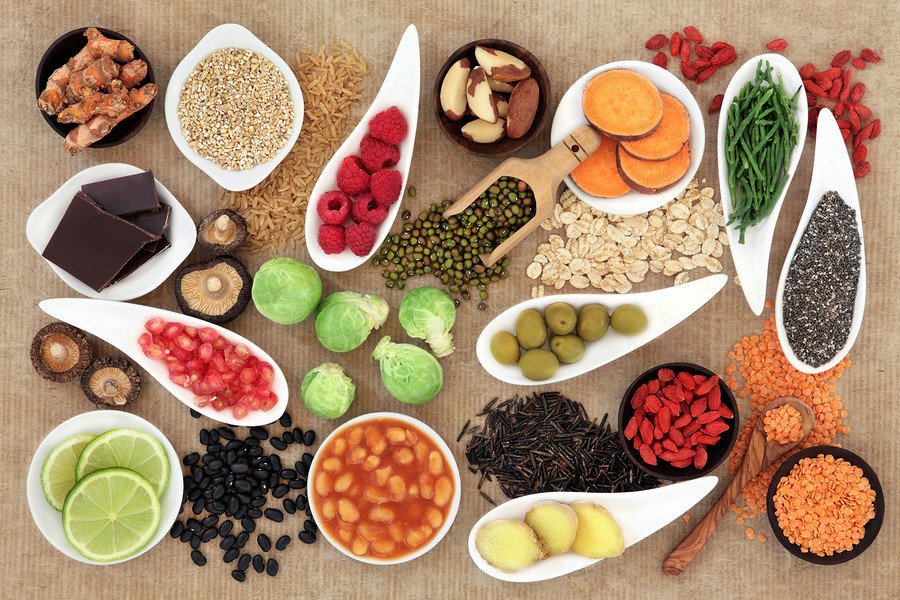
Whole, unprocessed foods are best. Focus on leafy greens, berries, cruciferous vegetables, fatty fish, nuts, seeds, legumes, and whole grains. These foods are rich in the fiber and antioxidants needed to prevent chronic disease.
Q4. How does nutrition impact energy levels?
Food is fuel. Complex carbohydrates provide steady energy, while proteins and fats signal the body to release that energy slowly. Relying on sugar gives a temporary boost followed by a crash.
Q5. Is gut health important for wellbeing?
Absolutely. A healthy gut microbiome aids digestion, synthesizes vitamins, and regulates the immune system. Poor gut health is linked to autoimmune diseases, skin conditions, and mental health issues.
Q6. Can better nutrition prevent chronic diseases?
Evidence suggests that a significant portion of heart disease, stroke, and type 2 diabetes cases could be prevented through dietary changes, specifically by reducing processed foods and increasing plant-based intake.
Q7. How can Americans improve daily nutrition habits?
Start small. Cook one more meal at home per week, increase water intake, and focus on adding one vegetable to every dinner. Consistency matters more than perfection.
Final Thoughts: Nutrition as a Lifelong Investment
Viewing food merely as a way to manipulate your weight misses the bigger picture. Nutrition is a lifelong investment in your personal infrastructure. It is the daily commitment to giving your body the respect and resources it needs to carry you through life.
Remember, perfect eating does not exist. There will be days of birthday cake and holiday feasts, and that is part of a balanced life. However, by making the majority of your choices centered around whole, nutrient-dense foods, you build a foundation of resilience. Small changes—an extra glass of water, a handful of spinach, a piece of fruit—compound over time to yield massive gains in your health, energy, and overall happiness. Start today, and your future self will thank you.