




How Home Cooking Is Making a Comeback in the USA

For decades, the trajectory of American dining pointed in one direction: away from the stove. The rise of TV dinners in the 1950s, followed by the explosion of fast-food chains and the advent of app-based delivery services, suggested a future where residential kitchens might become vestigial organs of the home—used more for reheating than creating. Convenience was king, and the art of preparing a meal from scratch seemed to be fading into nostalgia.
Yet, a fascinating shift is underway. Across the United States, aprons are being tied, knives are being sharpened, and ovens are preheating with renewed frequency. We are witnessing a definitive pivot from hyper-convenience to conscious consumption. This isn’t just about survival or necessity; it represents a fundamental change in how Americans value their time, their health, and their money.
The resurgence isn’t limited to a specific demographic or region. From Gen Z experimenting with viral recipes to families looking to stretch their budgets, the kitchen is reclaiming its status as the heart of the home. This movement goes beyond simply making dinner; it reflects a broader cultural reset regarding what we eat and how we choose to live.
The Decline—and Return—of Home Cooking
To understand the current landscape, we have to look at where we’ve been. For a long time, home cooking trends in the USA were on a downward slope. As dual-income households became the norm and work hours extended, the energy required to plan, shop, prep, and clean up after a meal felt like a heavy burden. The marketplace responded with ultra-processed solutions and drive-thru windows that promised to feed a family in minutes for a handful of dollars.
Reliance on takeout and pre-packaged meals became the default for millions. The skill transfer that used to happen between generations—standing on a stool watching a parent chop vegetables—was interrupted by the microwave’s ping. However, recent years have disrupted this pattern. The global pauses caused by the pandemic forced many back into their kitchens, but the habit stuck even after restaurants reopened.
We are now seeing a lifestyle shift where cooking is viewed less as a chore and more as a reclaimable skill. It is an act of autonomy. People are realizing that outsourcing their meals means outsourcing their health and their budget to corporations that may not have their best interests at heart. This realization has sparked a cultural reset, placing value back on the labor and love involved in feeding oneself.
How Home Cooking Is Making a Comeback in the USA
The reasons behind this revival are multifaceted, but they center on a desire for agency. How home cooking is making a comeback in the USA is largely defined by a collective need for control. When you order from a restaurant, you are at the mercy of the chef’s heavy hand with salt, sugar, and industrial oils. When you cook at home, you are the gatekeeper of your own body.
This shift is heavily fueled by greater health awareness. Americans are becoming increasingly literate about nutrition labels and ingredient lists. The mystery of “natural flavors” or high-fructose corn syrup is less appealing than the transparency of a meal made from raw ingredients.
There are also significant emotional benefits. In a digital, intangible world where so much of our work happens on screens, cooking offers a tactile, sensory experience. Chopping an onion, searing a steak, or kneading dough provides a physical connection to the real world that an app simply cannot replicate.
Rising Food Costs & Budget Awareness
While health and emotion play roles, we cannot ignore the economic reality. Inflation has hit restaurant menus hard. The price gap between dining out and eating in has widened, making food cost savings through home cooking in the USA a primary motivator for many households. A meal that costs $25 per person at a casual restaurant can often be replicated at home for a fraction of the price.
This financial pressure has turned meal planning into a popular strategy for affordability. Shoppers are becoming savvier, utilizing grocery store loyalty programs and buying in bulk to maximize their dollar. The stigma once associated with “budget meals” has vanished, replaced by a pride in frugality and resourcefulness.
Reducing grocery and dining expenses is no longer just about survival; it’s a smart financial move. Americans are realizing that one of the most effective ways to control monthly spending is to limit how often they swipe their card at a café or restaurant. The kitchen has become a place of economic empowerment.
Health, Nutrition & Clean Eating Goals
The definition of “healthy” has evolved, and the home kitchen is the laboratory where these new definitions are tested. Healthy home cooking in the USA is driving a massive reduction in processed food intake. People are moving away from “low fat” or “low calorie” labels and toward “whole food” and “clean eating” philosophies.
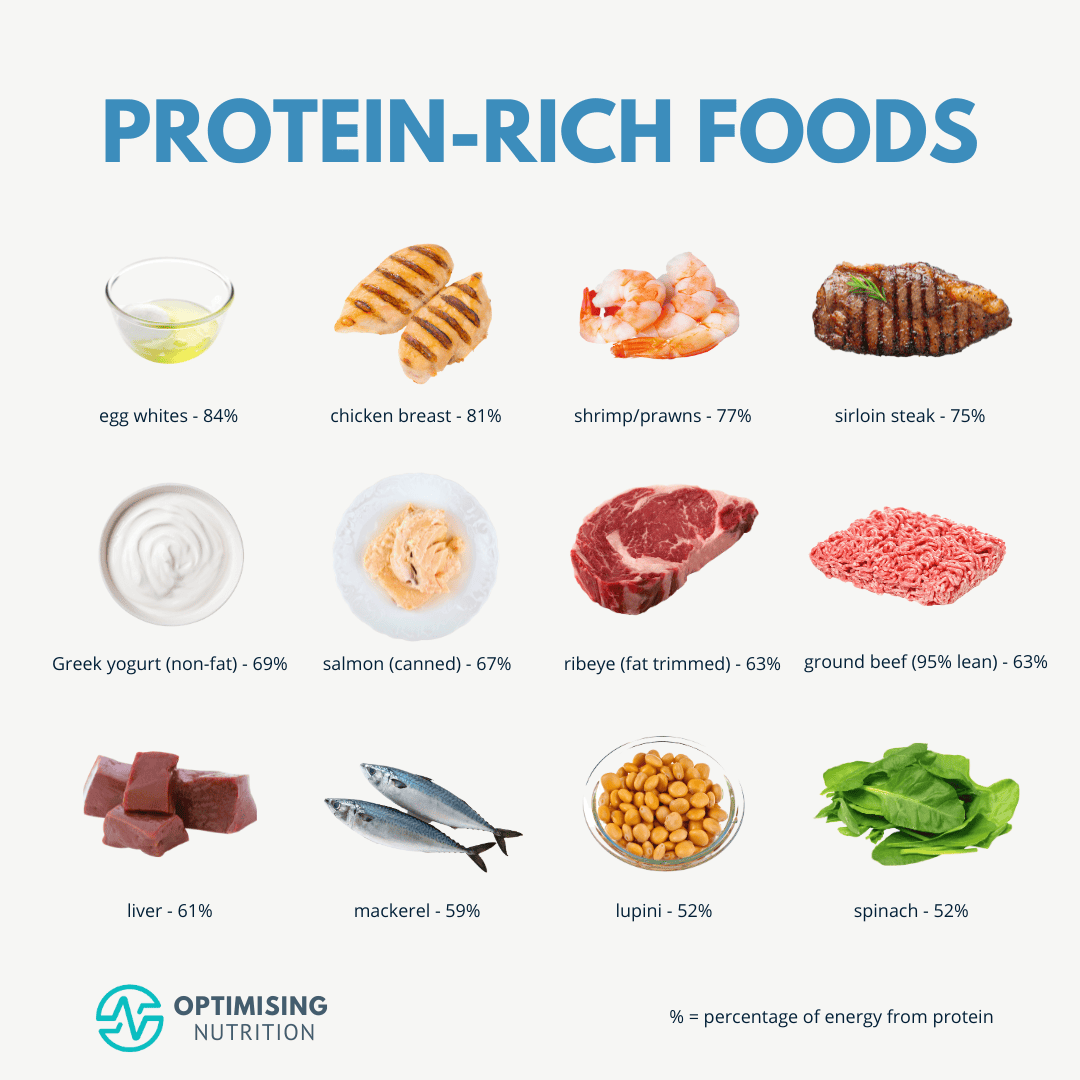
Cooking at home allows for precise portion control, a significant struggle when dining out where plate sizes have ballooned. It also allows for effortless dietary customization. Whether a household is managing gluten intolerance, adhering to a keto lifestyle, or prioritizing high-protein intake for fitness goals, the home kitchen is the only place where these needs can be met without cross-contamination fears or awkward modifications to a menu item.
The ability to swap refined sugar for honey, or vegetable oil for olive oil, gives home cooks the power to upgrade the nutritional profile of any dish. This level of granular control is a major driver for health-conscious individuals returning to the stove.
Influence of Social Media & Digital Tools
If you want to see where the cooking revival is happening most visibly, look at your phone screen. Social media cooking trends in the USA have transformed food preparation from a solitary domestic duty into a communal, visual, and highly shareable event. Platforms like TikTok and Instagram have democratized culinary education. You no longer need to watch a 30-minute show on the Food Network to learn a technique; you can learn it in a 60-second video set to a catchy song.
Viral recipes—think baked feta pasta or salmon rice bowls—create global dinner parties where millions of people make the same dish simultaneously. These trends make cooking feel accessible and exciting rather than intimidating.
Digital tools further lower the barrier to entry. Cooking apps and smart meal planners generate grocery lists automatically, reducing the mental load of “what’s for dinner?” Online grocery shopping adds another layer of convenience, allowing cooks to order exactly what they need without the temptation of impulse buys in the snack aisle.
Time-Saving Cooking Trends
One of the biggest historical barriers to cooking was time, but modern trends are dismantling this obstacle. Easy home cooking in the USA is now defined by efficiency. The era of the “Sunday meal prep” has arrived, where hours of cooking on the weekend translate to grab-and-go meals throughout the workweek. Batch cooking allows busy professionals to fill their freezers with homemade options, reducing the reliance on emergency takeout.
We are also seeing a boom in “one-pot” and “sheet pan” recipes. These methods minimize the most dreaded part of cooking: the cleanup. If a delicious, nutritious dinner can be prepared on a single baking sheet and roasted in 20 minutes, the argument for ordering delivery weakens significantly.
Technology plays a role here too. Smart kitchen appliances like air fryers and Instant Pots have revolutionized the speed at which food can be prepared. An air fryer can roast vegetables in half the time of a conventional oven, making fresh sides feasible even on a Tuesday night.
Home Cooking as Lifestyle & Self-Care
Perhaps the most profound shift is the reframing of cooking as self care in the USA. For a stressed-out population, the rhythmic nature of chopping vegetables or stirring a pot can be meditative. It is a time to unplug from the demands of the digital world and focus on a tangible task with a clear, rewarding outcome.
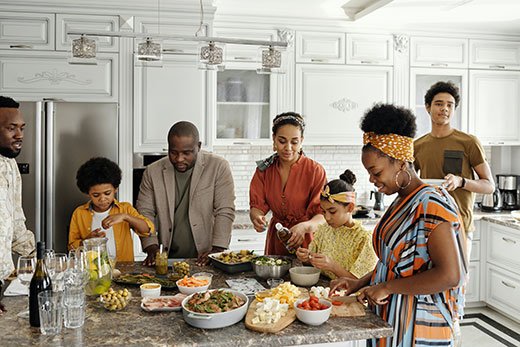
This extends to the dining table as well. Family bonding and shared meals are being prioritized again. In a fragmented world, the dinner table remains one of the few places where a household gathers, puts down their devices, and connects face-to-face.
Mindful eating habits are cultivated here. When you have labored over a meal, you are more likely to savor it, eating slowly and appreciating the flavors, rather than mindlessly consuming calories while watching TV. Cooking has become a way to care for oneself and one’s loved ones, transforming a chore into a ritual of affection.
Generational Shifts in Cooking Habits
It is a common misconception that younger generations are killing the kitchen. In reality, millennial home cooking in the USA—along with Gen Z’s participation—is driving much of this innovation. These cohorts are approaching cooking with a different mindset than their parents. They are less bound by tradition and more open to global flavors and experimentation.
They are learning from online content creators who look like them and cook in kitchens that look like theirs, rather than from Michelin-star chefs in pristine studios. This relatability breeds confidence.
Furthermore, sustainability and food values are huge drivers for these generations. They care about where their food comes from, the carbon footprint of their meals, and the ethics of meat production. Cooking at home allows them to align their diet with their values, choosing local produce or plant-based alternatives that might be scarce or overpriced on standard restaurant menus.
Challenges to Cooking at Home
Despite the resurgence, barriers to home cooking in the USA persist. The modern world is demanding, and time constraints remain the number one enemy of the home cook. Between commuting, working, and parenting, finding that hour to prepare a meal can feel impossible.
There is also the issue of cooking confidence and skills. A generation raised on ready-meals may feel lost when staring at a raw chicken breast or a bundle of kale. The fear of failure—of ruining dinner and wasting money—is real.
Kitchen access and planning hurdles also play a role. Not everyone has a fully equipped kitchen or easy access to fresh, affordable grocery stores. “Food deserts” remain a problem, and for those living in shared spaces or small apartments, the physical act of cooking can be logistically difficult. However, the market is responding with simpler recipes and smarter tools to help overcome these hurdles.
Frequently Asked Questions (FAQ)
Q1. Why is home cooking becoming popular again in the USA?
It is a combination of rising restaurant prices, increased health awareness, and the influence of social media making cooking look accessible and fun. People want more control over what they put in their bodies and where their money goes.
Q2. Is cooking at home really cheaper than eating out?
Yes, in almost all cases. While the initial grocery bill might look high, the cost per serving is significantly lower than restaurant meals. You pay for the labor and overhead of the restaurant when you dine out; at home, you only pay for ingredients.
Q3. Do younger generations cook more at home now?
Yes, Millennials and Gen Z are enthusiastic home cooks. They utilize digital tools and social media for inspiration and are often more experimental with global cuisines and plant-based ingredients than previous generations.
Q4. How does home cooking support healthier eating?
It allows for complete control over ingredients. You decide how much salt, sugar, and fat goes into your food. It eliminates hidden calories found in restaurant meals and encourages the use of whole, unprocessed foods.
Q5. What role does social media play in home cooking trends?
Social media acts as a visual cookbook and a source of inspiration. Short-form videos on TikTok and Instagram introduce new recipes and techniques to millions, demystifying the cooking process and creating viral food trends.
Q6. How can busy adults cook more at home?
Strategies like meal prepping, batch cooking on weekends, and using appliances like slow cookers or air fryers can drastically reduce active cooking time during the week. Focusing on simple, 30-minute recipes helps too.
Q7. Will the home cooking trend continue beyond 2026?
Current indicators suggest yes. The economic benefits and the ingrained habits formed during the last few years, combined with a cultural shift toward wellness and sustainability, point to home cooking being a long-term lifestyle change rather than a passing fad.
Home Cooking as a Modern Essential
The return to the kitchen is not a regression; it is an evolution. Home cooking has re-emerged as a modern essential, a vital skill for navigating the economic and health landscape of the 21st century. It is a powerful tool for wellness, a shield against inflation, and a source of joy in a stressful world.
Balancing convenience with intention will always be a challenge, but Americans are proving that they are up for the task. By embracing new tools, new inspirations, and a new mindset, we are ensuring that home cooking is here to stay. We are remembering that the best table in town is the one in our own dining room.