




How Food Labels Impact Consumer Choices in the USA

Have you ever stood in the grocery aisle, paralyzed by the sheer number of options for something as simple as peanut butter? One jar boasts “All Natural,” another claims “Reduced Fat,” while a third highlights “No Added Sugar.” This moment of hesitation is exactly where food labels come into play.
For millions of Americans, these small panels of information are the primary tool for making dietary decisions. As health awareness rises across the country, shoppers are no longer just grabbing the most colorful package. They are turning packages over, scanning for specific ingredients, and checking nutritional values.
Transparency has become a currency in the modern food industry. Consumers want to know what they are putting into their bodies, where it came from, and how it might affect their long-term health. But do these labels actually change what ends up in the cart? And how much of this influence is based on facts versus clever marketing?
What Are Food Labels?
Before we look at the psychological impact, we need to understand what constitutes a food label in the American market. Food labels in the USA are more than just the brand name; they are a complex system of regulated information designed to protect and inform consumers.
The Anatomy of a Label
The most recognizable part is the Nutrition Facts panel. This standardized chart breaks down the caloric content and nutrient density of the product. Next is the ingredient list, which details every component in descending order by weight.
Beyond these mandated sections, you have front-of-pack claims and symbols. These are often voluntary marketing tools used to highlight desirable attributes like “High Protein” or “Gluten-Free.”
Regulatory Oversight
In the United States, the Food and Drug Administration (FDA) and the United States Department of Agriculture (USDA) are the primary watchdogs. They ensure that the information provided is truthful and not misleading. For instance, a product cannot simply claim to be “Healthy” without meeting specific nutritional criteria set by the FDA. This regulatory framework provides a baseline of trust, allowing consumers to rely on food labels in the USA as a credible source of information.
How Food Labels Impact Consumer Choices
When you look at how food labels impact consumer choices in the USA, you find that they function essentially as shortcuts. In a busy supermarket environment, few people have the time to analyze every product deeply. Labels provide quick heuristics—mental shortcuts—that help shoppers categorize foods as “good” or “bad” in seconds.
Perception vs. Reality
One significant impact is the gap between health perception and nutritional reality. A product labeled “Low Fat” might be perceived as healthier, prompting a purchase. However, that same product might be high in added sugars to compensate for the flavor loss. Consumers often make choices based on the highlighted virtue of the product, sometimes overlooking other negative attributes.
Building Brand Trust
Labels also serve as a bridge of trust. Brands that disclose more information—such as sourcing details or non-GMO certifications—often enjoy higher credibility. This transparency signals to the consumer that the company has nothing to hide, fostering loyalty and influencing repeat purchase behavior.
Nutrition Facts & Consumer Understanding
The nutrition facts label in the USA is perhaps the most critical tool for health-conscious shoppers, yet it remains a source of confusion for many.
Decoding the Data
The panel lists calories, macronutrients (fats, carbohydrates, proteins), and micronutrients (vitamins and minerals). For consumers tracking their intake, this data is indispensable. The inclusion of the “Percent Daily Value” (%DV) helps put these numbers into context based on a 2,000-calorie diet.
The Serving Size Dilemma
A major pain point has historically been serving sizes. If a bag of chips lists 150 calories per serving, but the bag contains three servings, a consumer might inadvertently consume 450 calories believing they only ate 150. While recent FDA updates have mandated that serving sizes reflect what people actually eat rather than what they should eat, confusion persists. How consumers interpret this data directly correlates with their ability to make choices that align with their health goals.
Ingredient Lists & Clean Label Trends
As consumers become more skeptical of ultra-processed foods, ingredient labels on food in the USA have moved to center stage. The “Clean Label” trend describes the growing consumer preference for products containing ingredients that are recognizable and pronounceable.
The Appeal of Simplicity
Short ingredient lists are increasingly equated with wholesomeness. A list that includes “milk, salt, enzymes” is often preferred over one containing “calcium propionate” or “high fructose corn syrup.” This shift has forced many manufacturers to reformulate their products, removing artificial additives to appeal to label-conscious buyers.
Transparency Movements
The “clean eating” movement drives a demand for total transparency. Consumers aren’t just looking for what is in the food; they are looking for what isn’t. The absence of artificial colors, flavors, and preservatives is often a stronger selling point than the presence of vitamins.
Health Claims, Buzzwords & Marketing Language
If the Nutrition Facts panel is the science, food packaging claims in the USA are the art. Terms like “Organic,” “Natural,” and “Artisanal” are powerful drivers of consumer behavior.
The Health Halo Effect
These buzzwords often create a “health halo”—an impression that a food is healthier than it truly is. A cookie labeled “Organic” is still a cookie, yet consumers might feel better about eating it compared to a conventional alternative. This psychological buffer allows for permissible indulgence, where the label validates the treat.
Regulation vs. Marketing
While terms like “Organic” are strictly regulated by the USDA, others like “Natural” are murkier. This grey area allows marketing teams to craft a narrative of health that appeals to consumer aspirations. Understanding the difference between a regulated claim and a marketing slogan is crucial for savvy shopping.
Front-of-Pack Labels & Visual Cues
To cater to time-poor shoppers, the industry relies heavily on front of pack food labels in the USA. These are designed to catch the eye and communicate value instantly.
Visual Hierarchy
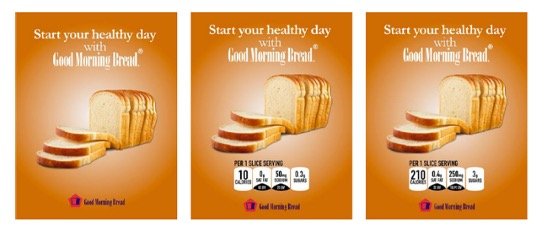
Icons, rating systems, and color coding play a huge role here. A green checkmark or a heart symbol can signal heart health in a split second. These visual cues create a hierarchy of information, guiding the eye to the product’s best features before the consumer even picks it up.
Speeding Up Decisions
Research suggests that front-of-pack labeling significantly speeds up the decision-making process. When key attributes like “20g Protein” or “Keto Friendly” are bold and visible, it removes the friction of searching for that information on the back. This convenience is a major factor in driving impulse purchases.
Price, Brand Loyalty & Label Influence
While labels are powerful, they do not exist in a vacuum. Consumer food buying behavior in the USA is a balancing act between information, price, and habit.
Overriding Price Sensitivity
Interestingly, compelling labels can often override price sensitivity. Consumers are increasingly willing to pay a premium for products that carry specific labels like “Non-GMO Project Verified” or “Fair Trade.” The label adds value that justifies the higher cost in the mind of the buyer.
The Role of Habit
Brand loyalty can sometimes dampen the impact of labels. If a shopper has bought the same brand of cereal for ten years, they may not read the label at all. However, if a trusted brand changes its recipe or a competitor introduces a compelling new claim, that loyalty can be tested.
Impact on Healthier Eating Habits
Can reading a box actually make you healthier? The connection between food labels and healthy eating in the USA is strong.
Making Nutrient-Dense Choices
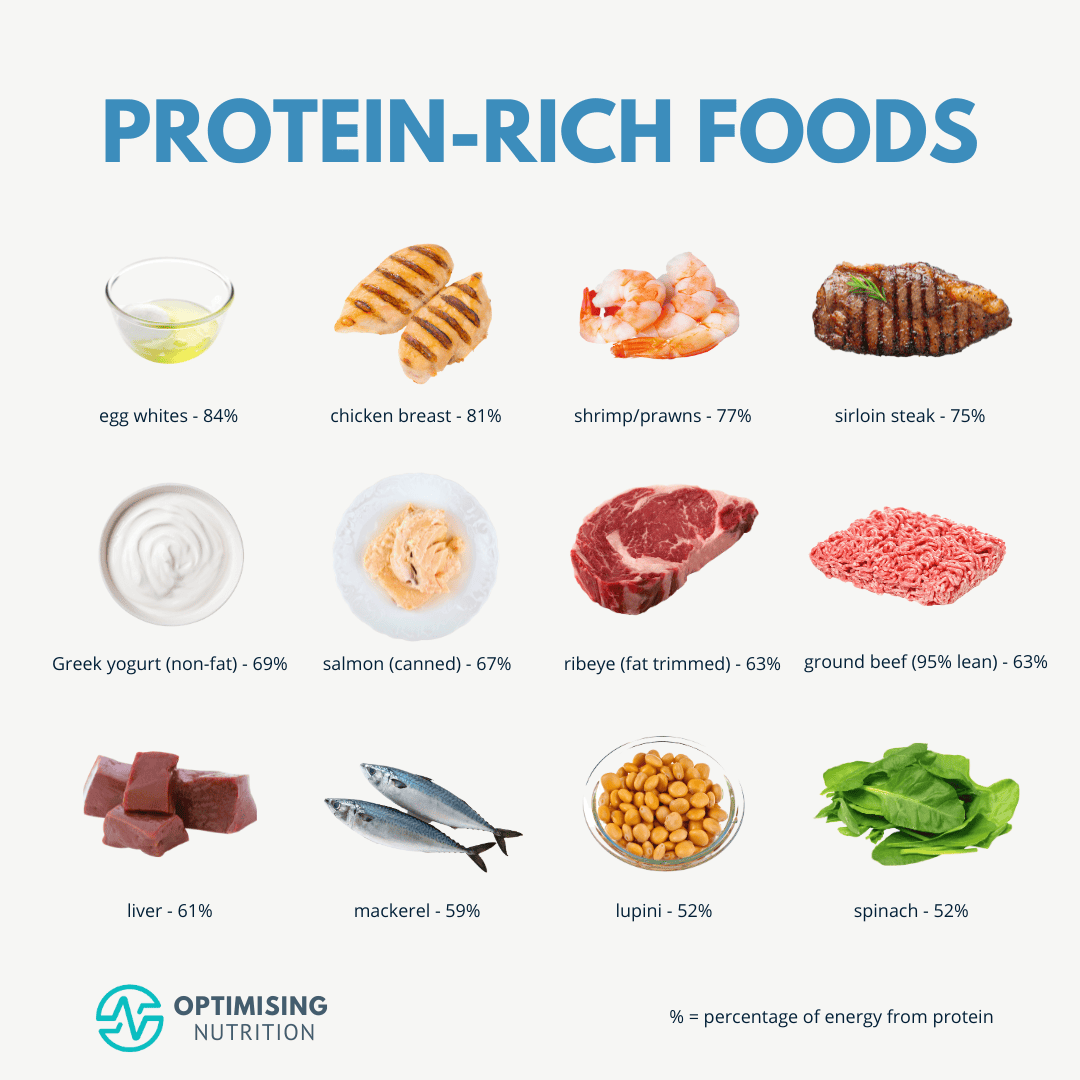
For those actively trying to improve their diet, labels are non-negotiable. They allow shoppers to swap nutrient-poor options for nutrient-dense ones. This might mean choosing a yogurt with more protein and less sugar or picking a bread with higher fiber content.
Supporting Health Goals
For individuals managing conditions like diabetes or hypertension, labels are medical tools. Checking for sodium content or added sugars is a daily necessity. In this context, accurate labeling supports specific dietary goals and helps manage public health outcomes.
Challenges & Limitations of Food Labels
Despite their benefits, the system is far from perfect. Food label challenges in the USA often stem from the very thing they are trying to provide: information.
Information Overload
There is such a thing as too much data. When a package is covered in claims, certifications, facts, and warnings, consumers can experience information overload. This can lead to decision fatigue, causing the shopper to ignore the information entirely and choose based on price or packaging design.
Literacy Issues
Label literacy is another barrier. Understanding how to calculate servings or interpreting %DV requires a certain level of nutritional knowledge and numeracy skills. Without widespread education, the data on the label remains inaccessible to vulnerable populations who might benefit from it the most.
Future Trends in Food Labeling
The landscape is shifting. The future of food labels in the USA points toward greater integration of technology and simplicity.
Digital Transparency
We are likely to see more digital solutions, such as QR codes that unlock detailed sourcing maps or allergen information that wouldn’t fit on a physical package. This allows for depth of information without cluttering the design.
Sustainability and Ethics
Future labels will likely focus heavily on sustainability. Carbon footprint scores, water usage metrics, and ethical labor certifications are poised to become the next big drivers of consumer choice as climate awareness grows.
Frequently Asked Questions (FAQ)
Q1. How do food labels influence consumer choices in the USA?
Food labels influence choices by acting as quick information sources that help consumers assess health benefits, ingredients, and ethical standards. They allow shoppers to categorize products (e.g., “healthy” vs. “unhealthy”) and justify purchasing decisions based on dietary goals or values.
Q2. Do nutrition labels actually change buying behavior?
Yes, for many demographics. Studies show that consumers who read nutrition labels regularly are more likely to eat lower amounts of fat and added sugars. However, the impact varies based on the shopper’s motivation and nutritional literacy.
Q3. What food label claims are most trusted by consumers?
Regulated claims like “USDA Organic” tend to carry high trust because they are backed by government standards. “Non-GMO” and “No Artificial Preservatives” are also highly trusted and sought after.
Q4. Are “natural” and “organic” labels the same?
No. “Organic” is a strictly regulated term relating to agricultural methods and prohibiting synthetic pesticides and GMOs. “Natural” currently has no formal definition from the FDA for most foods, meaning it is often used loosely for marketing.
Q5. Why are serving sizes confusing on food labels?
Confusion often arises because serving sizes reflect the amount typically eaten, not necessarily the recommended amount. Consumers may mistakenly assume the entire package is a single serving when it actually contains multiple servings.
Q6. Can food labels help people eat healthier?
Absolutely. By providing transparency regarding calories, saturated fats, sodium, and sugars, labels empower consumers to make informed swaps that align with a healthier diet.
Q7. What changes are coming to food labeling in the future?
Expect to see more emphasis on sustainability (carbon footprints), clearer front-of-pack rating systems to simplify health decisions, and digital labels (QR codes) for extended transparency.
Reading Labels, Making Better Choices
Food labels are powerful tools, but they are not guarantees of health. They provide the data needed to make decisions, but the interpretation of that data rests with the shopper.
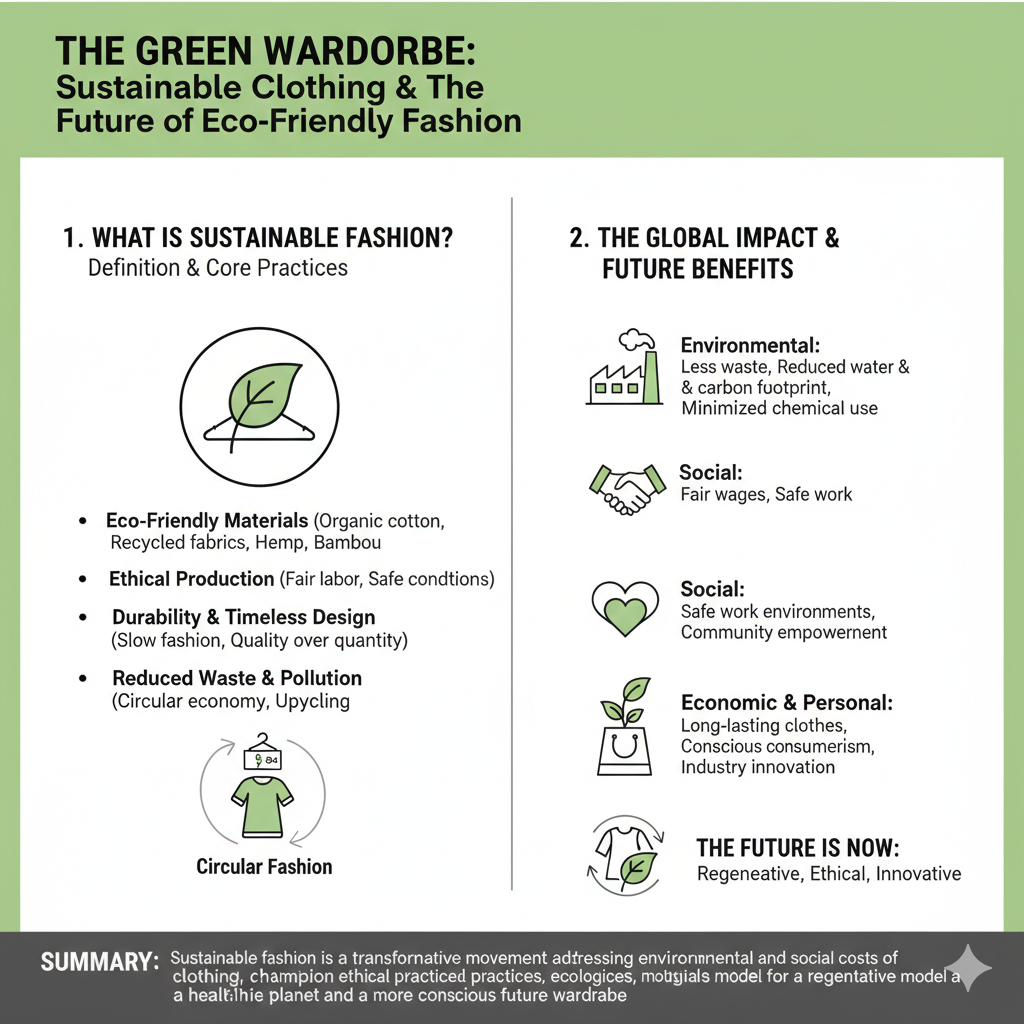
As the American food landscape continues to evolve, the importance of informed decision-making grows. Whether you are avoiding allergens, cutting sugar, or looking for ethically sourced coffee, the label is your first line of defense. Label literacy matters more than ever—not just for personal health, but for driving the industry toward greater transparency and accountability.
Next time you are in the aisle, take that extra moment. Turn the package over. Look past the buzzwords. The choice you make influences not just your dinner, but the future of the food system itself.