





How Eating Habits Differ Between the USA and Europe

Food is far more than just fuel for our bodies; it is a vibrant expression of culture, history, and daily life. If you have ever traveled across the Atlantic, the differences in how people eat become immediately apparent. From the sheer size of a coffee cup to the time dinner is served, the contrast between American and European dining is sharp.
Comparing these habits isn’t just an exercise in cultural observation. It offers critical insights into health outcomes, social structures, and our relationship with what we consume. While the United States often prioritizes convenience and abundance, European nations tend to lean toward tradition and moderation. Of course, Europe is a continent of many distinct cultures—a breakfast in Berlin looks very different from one in Rome—but there are overarching trends that distinguish the European approach from the American way of life.
Understanding these differences helps explain why public health statistics vary so wildly between the two regions. It also prompts us to examine our own routines. Are we eating for nourishment and connection, or are we eating for efficiency? In this exploration of the Atlantic food divide, we uncover the distinct philosophies that shape meals in the Western world.
Overview of Eating Habits in the USA
When observing eating habits in the USA, the driving force is often the demands of a high-pressure lifestyle. The American work culture, known for its intensity and long hours, heavily influences how people eat. Efficiency is king. Breakfast is often a grab-and-go affair—a smoothie consumed in the car or a bagel eaten while answering morning emails.
This need for speed has birthed a massive convenience food industry. Americans are the pioneers of the drive-thru, allowing meals to be purchased and consumed without ever leaving the vehicle. Lunch is frequently viewed as a refueling stop rather than a break; the “sad desk salad” or a quick sandwich eaten in front of a computer screen is a common reality for millions of office workers.
Snacking is another defining feature of the American diet. It is not uncommon for Americans to graze throughout the day, bridging the gaps between meals with protein bars, chips, or sugary drinks. Consequently, the line between distinct meal times often blurs, leading to a higher frequency of caloric intake throughout the day.
Overview of Eating Habits in Europe
In contrast, eating habits in Europe generally revolve around structure and tradition. While modern life is certainly speeding up in cities like London and Paris, the cultural foundation of dining remains rooted in the idea that meals are sacred pauses in the day.
In many European countries, lunch is the most significant meal of the day and is rarely taken at a desk. In places like France or Spain, a lunch break might last an hour or two, allowing time for a proper sit-down meal, sometimes involving multiple courses. This isn’t laziness; it’s a cultural acknowledgment that rest and digestion are vital for productivity.
There is also a profound emphasis on home-cooked food. While Europeans certainly enjoy restaurants, the reliance on ultra-processed convenience meals is generally lower than in the States. Regional diversity plays a massive role here. The olive-oil-drenched diet of the Mediterranean differs from the meat-and-potatoes fare of Central Europe, yet both share a commitment to using local, seasonal ingredients rather than relying heavily on industrial food products.
Portion Sizes: USA vs Europe
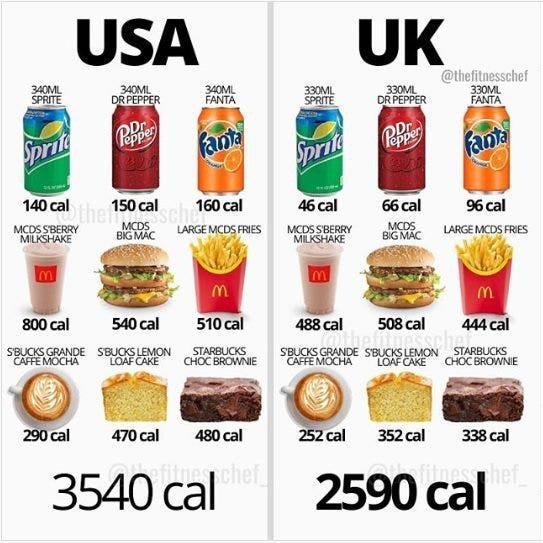
Perhaps the most visually arresting difference for travelers is the portion size comparison USA Europe. The stereotype is true: American servings are significantly larger. In the United States, value is often equated with quantity. A restaurant that serves massive plates of pasta or burgers the size of a human head is seen as giving the customer their money’s worth.
This “supersize” mentality extends to grocery stores and home cooking. Soft drinks in the US can be double or triple the size of a standard European drink. A “medium” soda in an American cinema might be considered a “large” or “extra-large” in a German one.
Europeans tend to prioritize quality over quantity. A meal might consist of a small piece of high-quality cheese, a few slices of cured meat, and fresh bread, rather than a massive platter of processed components. This approach to moderation allows for a rich and varied diet without the excessive calorie load that accompanies American “value” meals. The result is a stark difference in daily caloric intake, which plays a major role in the obesity rates observed on either side of the ocean.
Meal Timing & Frequency
If you try to find an open restaurant for dinner at 6:00 PM in southern Spain, you will likely find closed doors. Meal timing USA vs Europe highlights a significant cultural shift. Americans tend to eat earlier. Dinner in the US is typically served between 6:00 PM and 7:00 PM, especially for families with children. This aligns with an early-to-rise work culture.
Europe varies by latitude. In Northern Europe (like the Netherlands or Scandinavia), dinner times may mirror the US. However, as you move south, the clock shifts. In Italy and Spain, dinner is a late-night affair, often starting at 9:00 PM or even 10:00 PM.
Furthermore, the structure of eating differs. The American habit of constant snacking contrasts with the European tendency to stick to three distinct meals. In France, for example, “le goûter” is a specific late-afternoon snack time reserved mostly for children, whereas adults are expected to wait for dinner. This regimented approach allows the body to experience hunger and satiety cycles that constant grazing can disrupt.
Food Quality, Ingredients & Processing
When discussing food quality USA Europe, the conversation often turns to regulation. The European Union maintains much stricter standards regarding what can be put into food. Many additives, dyes, and growth hormones that are commonplace in American food production are banned in the EU due to health concerns.
For instance, chlorinated chicken and beef raised with certain growth hormones are standard in US supermarkets but illegal in Europe. American bread often contains high levels of sugar and preservatives to extend shelf life, whereas European bread is typically bought fresh and goes stale within a day or two because it lacks those additives.
This regulatory environment means that eating habits in Europe are naturally supported by a food supply chain that is less processed. You don’t have to be a health fanatic to avoid high-fructose corn syrup in Europe; it’s simply not the default sweetener. This structural difference makes it easier for the average European to consume fewer artificial ingredients than the average American, even when eating similar types of foods.
Dining Culture & Social Eating
The dining culture USA Europe divide is perhaps best summarized by how the check is handled. In the US, waiters are trained to turn tables quickly. The check is often dropped off before you’ve even finished dessert. Efficiency and speed are part of the service model, driven by a tipping culture that relies on volume.
In Europe, the table is yours for the night. You often have to flag down a waiter to pay because bringing the bill unprompted is considered rude—it implies rushing the guest. Dining is a social event, a time to converse, argue, laugh, and connect.
This social aspect of eating is crucial. In many European cultures, eating alone is rare and sometimes pitied. Food is meant to be shared. In the US, eating alone is normalized, whether it’s in a car, at a desk, or at a counter. When food becomes a solitary act of fueling rather than a communal act of sharing, the mindfulness regarding what and how much is eaten often diminishes.
Fast Food & Convenience Consumption
While fast food was born in the USA, it has certainly colonized the globe. However, fast food consumption USA Europe differs in frequency and perception. In the US, fast food is a dietary staple for a large demographic. It is breakfast, lunch, and dinner for millions, driven by low costs and high accessibility.
In Europe, fast food chains exist and are popular, but they are often treated differently. For many Europeans, McDonald’s is a treat for the kids or a late-night necessity after a bar crawl, rather than a standard Tuesday lunch option.
Interestingly, American fast-food chains often adapt to fit European tastes and regulations. The ingredients are often higher quality to meet local laws, and the menus are localized. You might find beer served at a fast-food joint in Germany or a distinct lack of “supersize” options in France. Despite the presence of these chains, the cultural default remains the local bistro, pub, or café.
Health Awareness & Dietary Patterns
Both regions are currently grappling with health crises, but the battlegrounds look different. When analyzing healthy eating habits USA Europe, obesity rates are a glaring metric. The US consistently reports significantly higher obesity rates than Western European nations. This is a complex issue tied to portion sizes, the prevalence of ultra-processed foods, and city design that necessitates driving over walking.
However, Europe is not immune. As American-style convenience foods become more available, obesity rates in Europe are climbing. Conversely, there is a growing health-conscious movement in the US. The “farm-to-table” trend, the popularity of organic markets like Whole Foods, and a surge in plant-based diets show that many Americans are actively rejecting the standard industrial diet.
The Mediterranean diet—rich in healthy fats, vegetables, and lean proteins—remains the gold standard in Southern Europe and contributes to the high life expectancy in places like Italy and Spain. The US struggles to replicate this success at scale, partly because fresh, whole ingredients are often more expensive than processed alternatives in American geography.
Cost, Accessibility & Food Spending
A major factor in these habits is the food cost comparison USA Europe. In the US, caloric density is cheap. You can buy 2,000 calories of processed food for very little money, while fresh produce can be prohibitively expensive in “food deserts.” This economic reality forces many lower-income Americans into poor eating habits.
In Europe, while inflation is a concern, basic staples like bread, cheese, vegetables, and wine are often more affordable relative to income than in the US. Subsidies for local agriculture help keep fresh food accessible.
Grocery habits also differ. Americans tend to do massive weekly or bi-weekly “hauls” at giant supermarkets, filling SUVs with bulk items. Europeans are more likely to shop frequently—sometimes daily—picking up fresh ingredients for that night’s dinner from smaller neighborhood markets. This ensures fresher food and less waste, though it requires more time.
Influence of Culture, History & Lifestyle
Food culture differences USA Europe are deeply historical. The US has Puritanical roots that often view food as fuel—something to be optimized. This feeds into the diet culture, where food is broken down into macros, points, or “good vs. bad” labels.
Europe, generally speaking, has a more hedonistic approach rooted in Catholic or Latin traditions (especially in the South), where food is a source of pleasure. There is less guilt associated with eating. A French woman might enjoy a croissant and butter without counting the calories because she trusts her body’s hunger cues and walks everywhere.
Work-life balance also dictates eating habits. The European “right to disconnect” and strong labor laws mean workers actually take their lunch breaks. The American “hustle,” combined with limited vacation time, creates an environment where slowing down to eat feels like a luxury many cannot afford.
What the USA and Europe Can Learn From Each Other
Comparison shouldn’t just be about judgment; it should be about improvement. When looking at balanced eating habits, both sides have wisdom to offer.
Americans could benefit greatly from adopting the European approach to mindfulness and moderation. Slowing down meals, prioritizing fresh ingredients, and viewing food as a social anchor rather than a pit stop could drastically improve physical and mental health.
Conversely, Europe can learn from American innovation and adaptability. The US is incredible at accommodating dietary restrictions (gluten-free, vegan, keto), whereas traditional European restaurants can sometimes be rigid. The US also excels in convenience without sacrificing variety—something that busy European professionals are beginning to appreciate.
Frequently Asked Questions (FAQ)
Q1. How do eating habits differ between the USA and Europe?
The main differences lie in portion sizes (larger in the US), meal timing (later in Europe), strictness of food regulations (tighter in Europe), and the social importance of dining (higher in Europe).
Q2. Why are portion sizes larger in the USA?
It stems from a cultural desire for “value” and aggressive competition among restaurants. In the US, a larger plate of food is often seen as a better deal, whereas Europe prioritizes the quality of the ingredients over volume.
Q3. Is European food healthier than American food?
Generally, yes. The EU has stricter bans on additives, hormones, and dyes. Additionally, the traditional European diet includes fewer processed foods and more fresh, local ingredients compared to the Standard American Diet.
Q4. Do Europeans eat fast food?
Yes, fast food is popular in Europe, but it is consumed less frequently than in the US. It is often seen as an occasional treat rather than a daily staple.
Q5. How does meal timing differ between regions?
Americans typically eat dinner early (6:00–7:00 PM). Northern Europeans have similar schedules, but Southern Europeans (Spain, Italy) eat much later, often starting dinner after 9:00 PM.
Q6. Which culture emphasizes home cooking more?
Europe tends to emphasize home cooking with fresh ingredients more than the US, where takeout and pre-prepared meals are heavily relied upon due to busy schedules.
Q7. Can Americans adopt European eating habits easily?
Yes, by prioritizing smaller portions, buying fresh ingredients more frequently, and taking time to sit down and enjoy meals without distractions.
Final Thoughts: Food as a Reflection of Lifestyle
Ultimately, the way we eat is a mirror of how we live. The stark contrast between American and European eating habits highlights a choice between efficiency and experience, between volume and variety.
There is no single “correct” way to eat, but there is undeniable value in the European model of slowing down. In a world that is increasingly demanding of our time and attention, reclaiming the dinner table as a place of connection and nourishment is a powerful act. Whether you are grabbing a burger in New York or enjoying tapas in Madrid, the goal should be the same: to eat with intention, to value the quality of the food, and to enjoy the company you keep.