




How Branding Shapes Consumer Perception in the USA (Trust, Value & Loyalty)

Think about the last time you bought a pair of sneakers. Did you grab the first generic pair you saw on the shelf, or did you gravitate toward that famous swoosh or three-stripe logo? Chances are, your decision wasn’t just about utility or comfort. It was about how you felt about the brand.
In the vast and competitive marketplace of the United States, branding is the invisible force that guides our wallets. It shapes how we see products, how much we are willing to pay for them, and whether we return for more. But branding isn’t just a logo or a catchy slogan. It is a comprehensive ecosystem of visual identity, emotional storytelling, and consistent messaging that builds a bridge between a business and its audience.
Understanding how branding shapes consumer perception is critical for any business looking to survive—and thrive—in the modern American economy. From building trust to driving loyalty, let’s explore the profound psychological impact branding has on purchasing behavior.
What Is Branding and Consumer Perception?
Before we can understand the influence of branding, we need to break down what it actually means. In the world of marketing, branding is the strategic process of creating a unique identity for a product or company. It encompasses everything from the name and logo to the tone of voice and core values. It is the personality of the business.
Consumer perception, on the other hand, is the process by which individuals select, organize, and interpret information to form a meaningful picture of a brand. It is not just about what a brand says it is; it’s about what the consumer believes it is. This perception is influenced by personal experiences, marketing messages, public reviews, and even cultural context.
When these two concepts collide, magic happens. A strong brand strategy can shift consumer perception from “this is just a coffee shop” to “this is my daily sanctuary.” In the USA, where consumers are bombarded with choices, effective branding cuts through the noise. It tells a story that resonates on an emotional level, influencing thoughts and feelings before a transaction even takes place.
Why Branding Matters in the USA Market
The American marketplace is often described as the most competitive consumer landscape in the world. Walk into any grocery store, scroll through Amazon, or browse Instagram, and you are met with an overwhelming abundance of product choices. In this environment, standing out is not just an advantage; it is a necessity for survival.
This is where the importance of branding in the USA becomes undeniable. When functionality and price are comparable across competitors, the brand becomes the deciding factor. Why does a consumer choose a $1,000 smartphone over a $300 one with similar specs? The answer lies in brand perception.
Trust acts as a key buying factor for American shoppers. With so many options available, consumers are naturally risk-averse. They gravitate toward brands they recognize and perceive as reliable. A strong brand signals quality and safety, reducing the “risk” associated with trying something new. Without that established trust, even the most innovative product can collect dust on the shelf.
How Branding Influences First Impressions
We’ve all heard that you never get a second chance to make a first impression. In business, that first impression often happens in milliseconds. Branding is the tool that controls that split-second judgment.
Visual Identity and Logo Design
Your visual identity is usually the first point of contact. A sleek, modern logo might convey innovation and tech-savviness, while a hand-drawn, rustic logo might suggest artisanal quality and sustainability. These visual cues trigger immediate psychological associations. If the visual identity looks cheap or outdated, consumers often assume the product is of lower quality, regardless of the reality.
Brand Messaging and Tone
Once the visual hook is set, brand messaging takes over. The words you use and the tone in which you deliver them set the stage for the relationship. Is your brand authoritative and professional? Or is it witty and relatable? This tone needs to align with what the target audience expects and values. A disconnect here can be jarring and lead to instant disengagement.
Website and Packaging Impact
In the digital age, a website often serves as the storefront. A clumsy, slow, or confusing website damages credibility instantly. Similarly, packaging plays a crucial role in retail. The tactile experience of unboxing a product can elevate the perceived value significantly. Apple is the master of this, turning packaging into an integral part of the brand experience. Every touchpoint matters in shaping that critical first impression.
Emotional Branding and Consumer Trust
Logic might justify a purchase, but emotion drives it. Emotional branding is the art of connecting with consumers on a deeper psychological level. It moves beyond features and benefits to tap into desires, fears, and aspirations.
In the USA, emotional connection is a currency. Brands that stand for something—whether it’s sustainability, social justice, or simply the joy of living—resonate more deeply. When a brand’s values align with the consumer’s values, a bond is formed. This is why storytelling is so powerful. It humanizes the business. Instead of a faceless corporation, the brand becomes a character in the consumer’s life story.
This emotional resonance is the foundation of credibility and reliability. When a brand consistently delivers on its emotional promise, trust is built. And in an era of skepticism and “fake news,” earning consumer trust is the holy grail of marketing. Once that trust is established, consumers are far more forgiving of mistakes and far more likely to advocate for the brand to others.
Role of Brand Consistency in Consumer Perception
Imagine if your favorite fast-food chain suddenly changed its logo, started serving 5-star gourmet meals, and used Shakespearean English in its ads. You would be confused, right? Confusion is the enemy of conversion.
Brand consistency is the glue that holds consumer perception together. It ensures that no matter where a customer interacts with a brand—be it on TikTok, in a physical store, or via an email newsletter—the experience feels familiar.
Consistent Messaging Across Channels
In an omnichannel world, maintaining a singular voice is challenging but essential. Your Instagram captions should sound like they come from the same entity as your customer support emails. This alignment reinforces the brand’s personality and values.
Visual and Voice Alignment
Consistency isn’t just about words; it’s about visuals too. Using the same color palette, fonts, and imagery style across all platforms aids in brand recognition. When consumers see that specific shade of blue or that unique font, they should immediately think of your brand.
Impact on Recognition and Recall
The ultimate goal of consistency is brand recall. You want your brand to be the first one that pops into a consumer’s mind when they need a specific product or service. Consistency builds memory structures in the brain, making the brand easier to retrieve when the buying moment arrives.
Branding and Purchasing Decisions
Ultimately, all branding efforts lead to one critical moment: the purchasing decision. How does branding actually tip the scales?
How Branding Affects Buying Behavior
Branding acts as a mental shortcut. Faced with a wall of laundry detergents, a shopper doesn’t have time to analyze the chemical composition of each bottle. Instead, they rely on brand perception. They grab the one that their mom used, or the one with the funny commercial, or the one that claims to be eco-friendly. Branding simplifies the complex decision-making process.
Price Perception and Perceived Value
Here is a powerful truth: strong branding allows you to charge more. This is the concept of perceived value. A white t-shirt is a commodity. Put a luxury designer logo on it, and it becomes a status symbol worth ten times the price. The physical product hasn’t changed much, but the perception of its value has skyrocketed. Branding convinces consumers that the higher price tag is justified by the promise of quality, status, or experience.
Brand Preference Over Competitors
When branding is done right, it creates preference. Consumers will actively seek out a specific brand, even if it’s less convenient or more expensive than the competition. This is the difference between buying “a coffee” and buying “a Starbucks.” One is a beverage; the other is a ritual.
Personal Branding and Modern Consumers
The landscape of branding in the USA is shifting. We are seeing the rise of the “personal brand.” Today, consumers are just as interested in the people behind the company as they are in the company itself.
Founder-led brands like Tesla (Elon Musk) or Spanx (Sara Blakely) leverage the personality of their creators to build a connection. Social media has accelerated this trend, allowing founders to speak directly to their audience.
This shift is driven by a hunger for authenticity and transparency. Modern consumers, particularly Gen Z and Millennials, can sniff out corporate polish from a mile away. They want to know who is making the product, how they treat their employees, and what they stand for. A founder who is visible, vulnerable, and authentic can build trust much faster than a faceless corporate entity. Personal branding humanizes the business, making it easier for consumers to form that crucial emotional bond.
Branding in the Digital Age
The digital revolution has completely transformed how branding works. In the past, branding was a monologue—TV ads talking at consumers. Today, it is a dialogue.
Online Reviews and Reputation
Consumer perception is now heavily influenced by peer reviews. A brand can spend millions on advertising, but a series of one-star reviews on Google or Yelp can tarnish that image instantly. Managing online reputation is now a core part of branding strategy.
Social Media Branding Impact
Social media is where modern branding lives and breathes. It offers an unprecedented opportunity for real-time engagement. Brands can reply to comments, jump on trends, and share behind-the-scenes content. This accessibility makes brands feel more approachable and “real.”
User Experience and Digital Touchpoints
In the digital age, your user experience (UX) is your brand. If your app crashes constantly or your checkout process is a nightmare, your brand perception suffers. A seamless, intuitive digital experience reinforces the perception of competence and quality. Every click, swipe, and scroll is a branding moment.
Branding Mistakes That Hurt Consumer Perception
Building a positive perception takes years; destroying it can take minutes. There are common pitfalls that businesses in the USA frequently fall into.
Inconsistent Brand Messaging
We touched on consistency earlier, but it bears repeating. Sending mixed signals confuses customers. If you market yourself as a luxury brand but constantly run discount clearance sales, you devalue your brand equity. Consumers won’t know where to place you in their mental hierarchy.
Overpromising and Underdelivering
Nothing kills trust faster than failing to meet expectations. If your branding promises a life-changing experience and the product is mediocre, the backlash will be swift. The gap between expectation and reality is where disappointment breeds. It is always better to under-promise and over-deliver.
Ignoring Customer Feedback
In the age of social media, ignoring your customers is dangerous. When consumers voice complaints or suggestions, they expect to be heard. Brands that delete negative comments or respond with robotic, defensive statements appear arrogant and out of touch. Listening and adapting shows that you value the customer relationship.
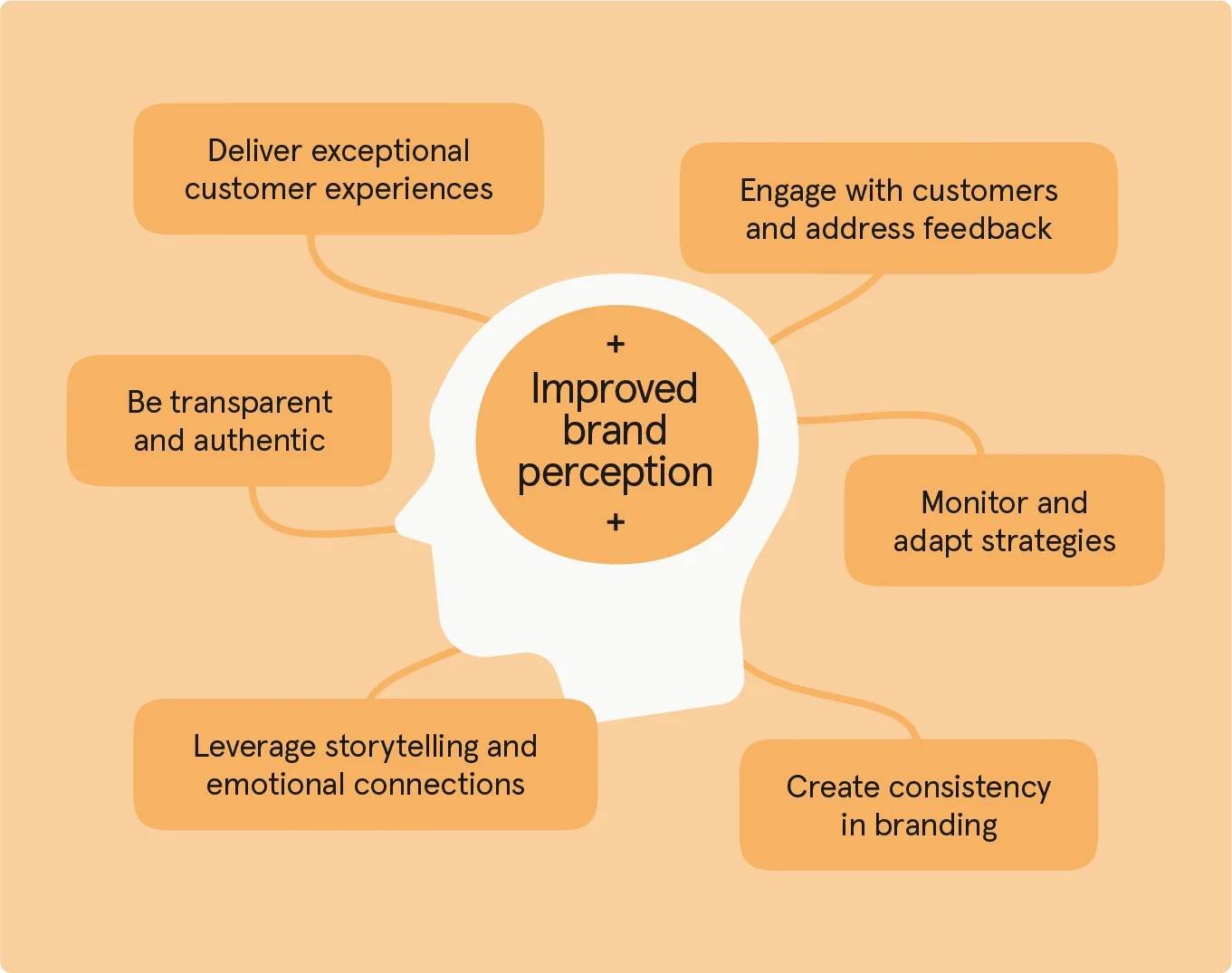
How Businesses Can Improve Brand Perception
So, how can businesses actively shape and improve how they are perceived? It’s not about manipulation; it’s about alignment.
Understanding Target Audience
You cannot appeal to everyone. Attempting to do so usually results in appealing to no one. The first step to better branding is a deep, empathetic understanding of your specific target audience. What keeps them up at night? What makes them laugh? Tailor your brand personality to fit their world.
Clear Brand Positioning
You need to know exactly where you sit in the market. Are you the low-cost leader? The premium option? The innovator? Clear positioning helps consumers categorize you quickly. It sets the right expectations from the start.
Listening and Adapting to Consumers
The best brands are agile. They monitor sentiment, conduct surveys, and actually listen to what the market is saying. If perception is shifting negatively, they pivot. They aren’t afraid to evolve their messaging or products to better serve their audience. Improvement is a continuous loop of listening, learning, and refining.
Frequently Asked Questions (FAQ)
How long does it take to build strong brand perception?
Building a strong brand perception is a marathon, not a sprint. While a viral moment can create short-term awareness, true brand equity—the kind that leads to trust and loyalty—takes years of consistent action and delivery. It requires patience and a long-term commitment to your values.
Can small businesses shape consumer perception through branding?
Absolutely. In fact, small businesses often have an advantage here. They can be more nimble, authentic, and personal than large corporations. By focusing on niche markets and building genuine relationships, startups and SMBs can cultivate a fiercely loyal following and a premium perception, even with a smaller budget.
Does branding really affect product sales?
Yes, directly and significantly. Strong branding leads to higher conversion rates, the ability to charge price premiums, and increased customer retention. It separates commodities from desired assets. When consumers trust a brand, the friction in the buying process disappears.
How does branding influence brand loyalty?
Loyalty is the result of a promise consistently kept. Branding sets the expectation (the promise), and the product/service fulfills it. When this cycle repeats, emotional bonds form. Consumers stop looking at competitors because their needs—both functional and emotional—are being met by your brand.
What is the difference between branding and marketing?
Think of it this way: Marketing is asking someone on a date. Branding is the reason they say yes. Marketing is the tactical push (ads, emails, promotions) to get attention. Branding is the strategic pull (identity, values, reputation) that keeps them interested. Marketing unearths and activates buyers; branding makes them loyal customers.
Final Thoughts on Branding and Consumer Perception
In the crowded, noisy, and fast-paced US market, perception drives preference. The actual quality of your product matters, of course, but the perception of that quality matters just as much.
Branding is far more than visuals or clever copy. It is the cumulative result of every interaction a customer has with your business. It is the trust you build, the emotions you evoke, and the consistency you maintain. Strong brands win because they understand that they aren’t just selling a product; they are selling a feeling, an identity, and a promise.
Invest in your brand, and you invest in the most valuable asset your company owns: the mindshare of your customers.