


How Ancient Civilizations Shaped Modern Clothing Styles
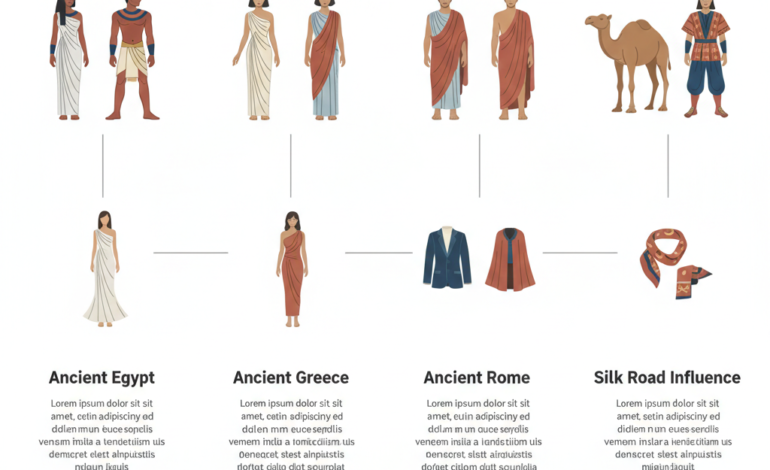

When you pull on a linen shirt on a hot day or wrap yourself in a patterned scarf, you’re participating in rituals thousands of years old. The clothes we wear carry traces of decisions made by people in deserts, river valleys, and mountain passes—choices driven by climate, status, spirituality, and survival.
Ancient civilizations didn’t just dress themselves. They invented the language of clothing that we still speak fluently. They developed techniques for weaving, dyeing, and tailoring that remain foundational to modern fashion. They turned fabric into a canvas for identity, power, and beauty.
Understanding how these early societies dressed helps us decode the garments hanging in our own closets. From the draped silhouettes of ancient Egypt to the structured robes of Mesopotamia, the past continues to influence what we consider stylish, practical, and meaningful.
This post explores how ancient clothing systems laid the groundwork for modern fashion. We’ll trace the journey from survival gear to cultural expression, examine how geography shaped fabric choices, and reveal how trade routes transformed local styles into global trends.
The Historical Roots of Human Clothing
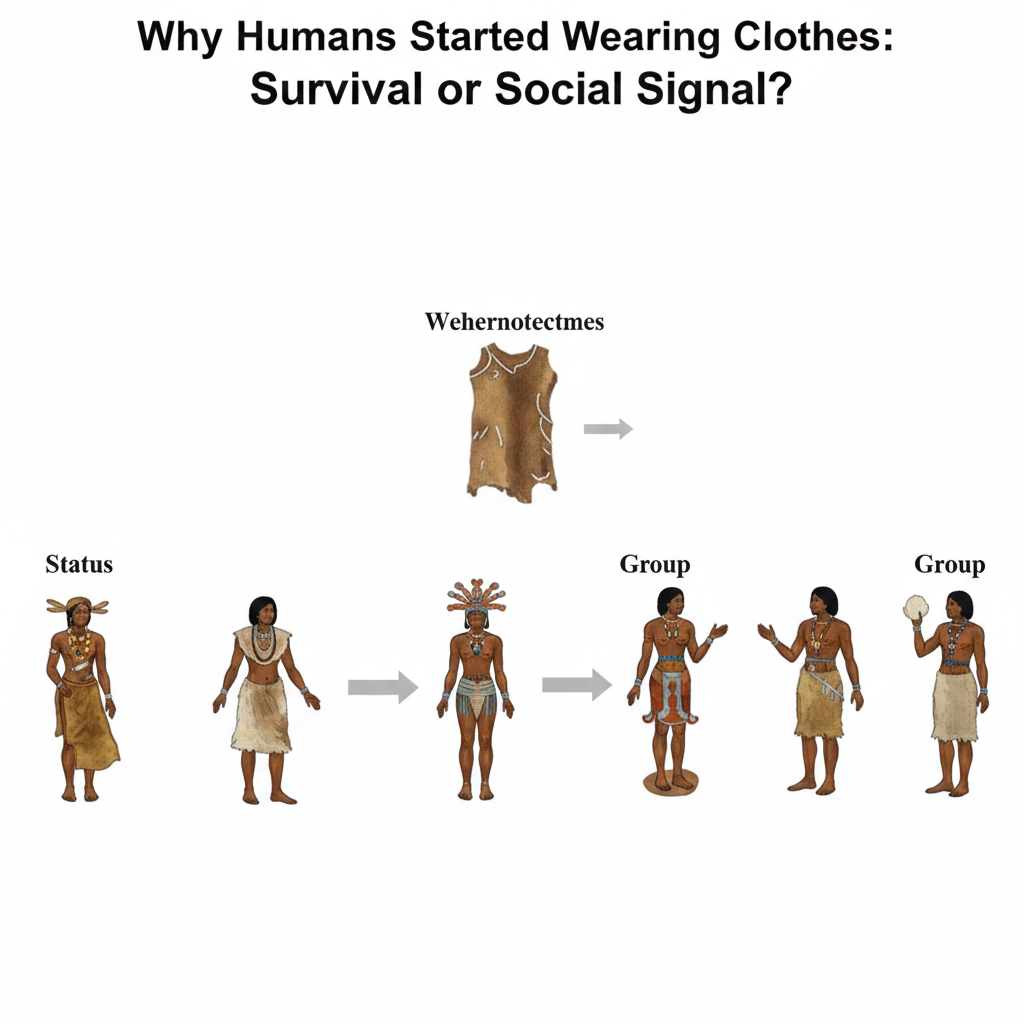
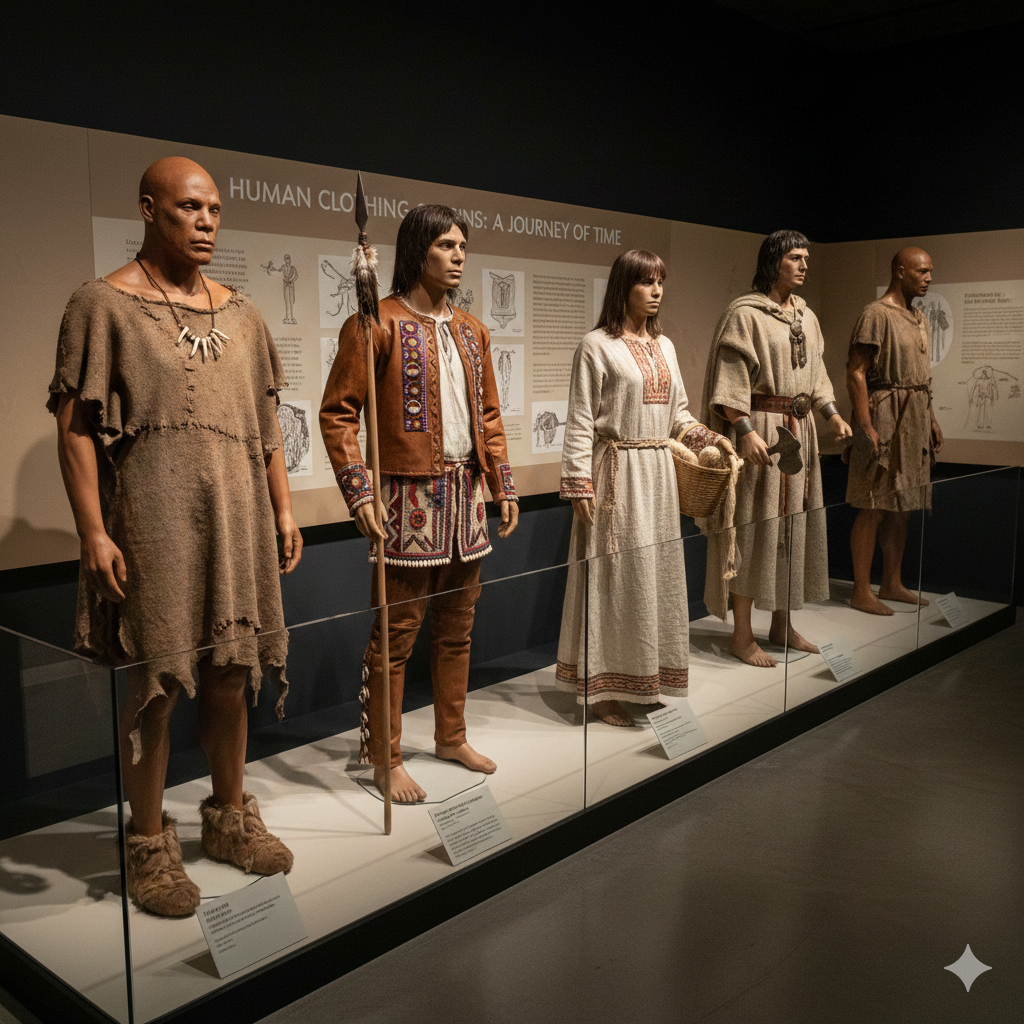
Clothing began as protection. Early humans needed shelter from sun, wind, and cold. Animal skins, plant fibers, and eventually woven textiles provided that shield. But somewhere along the timeline, practicality wasn’t enough.
As communities grew more complex, so did their wardrobes. Clothing became a tool for communication. It signaled tribe affiliation, marital status, religious devotion, and social rank. A person’s outfit told stories before they spoke a word.
Ancient civilizations formalized these meanings. They created dress codes, restricted certain colors or fabrics to specific classes, and developed garments tied to rituals and ceremonies. Clothing transitioned from purely functional to deeply symbolic.
This shift marked the beginning of fashion as we recognize it. Once people started caring about how they looked—not just whether they were warm or covered—design entered the conversation. The leap from survival to style set the stage for everything that followed.
See also: The First Materials Used In Human Clothing Before Fabric Existed
Clothing in Ancient Egypt, Mesopotamia, and India
Three of history’s most influential civilizations developed distinct approaches to dress that still echo through modern wardrobes. Each adapted to their environment while embedding social structures into every fold and fiber.
Climate and Fabric Choices
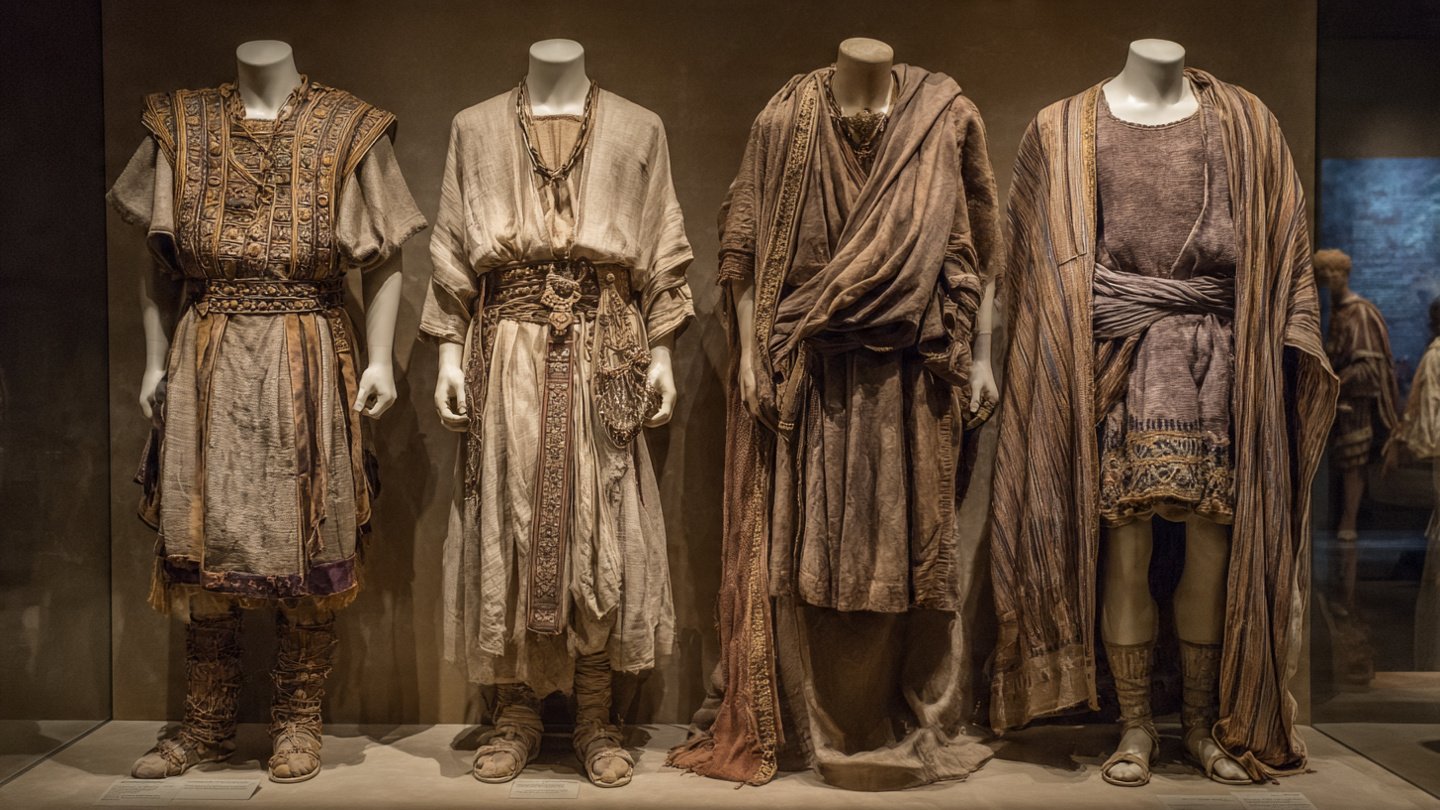
Ancient Egypt’s hot, arid climate demanded lightweight, breathable materials. Linen became the fabric of choice, woven from flax that grew abundantly along the Nile. Egyptian garments were typically white or light-colored to reflect heat, with minimal layers that allowed air circulation.
Mesopotamia, located between the Tigris and Euphrates rivers, experienced more temperature variation. Wool dominated here, sourced from the region’s extensive sheep herding. The fabric provided warmth during cooler months while remaining versatile enough for year-round wear. Mesopotamians developed sophisticated weaving techniques that produced textiles in various weights and textures.
India’s diverse climate zones produced an equally diverse textile tradition. Cotton cultivation began in the Indus Valley around 3000 BCE, offering a middle ground between linen’s crispness and wool’s warmth. Indian weavers mastered complex patterns and developed dyeing techniques that created vibrant, colorfast textiles.
Geography dictated not just what people wore, but how clothing was constructed. Egyptian pleating techniques maximized airflow. Mesopotamian layering allowed adaptation to shifting temperatures. Indian draping styles provided flexibility without requiring extensive tailoring.
Social Status and Symbolism
In ancient Egypt, clothing length correlated directly with rank. Pharaohs and high priests wore floor-length robes while laborers wore short kilts or loincloths. The quality of linen also varied—royal garments used fine, almost transparent weaves while common people wore coarser fabric. Jewelry and headdresses added another layer of distinction, with gold, turquoise, and lapis lazuli reserved for the elite.
Mesopotamian society used similar visual hierarchies. The wealthy wore fringed shawls and elaborately embroidered robes that required hours of skilled labor to produce. Specific patterns and colors indicated profession and social position. Purple dye, extracted from murex shells, became so expensive that only royalty could afford it—a restriction that persisted for millennia.
Indian clothing incorporated spiritual symbolism alongside social markers. The color white represented purity and was favored by priests and scholars. Saffron yellow signified sacrifice and was worn by ascetics. Specific draping styles for saris and dhotis communicated regional identity and caste affiliation.
These systems weren’t arbitrary. They created visual order in societies where literacy was limited and populations were large. You could assess someone’s role, status, and background at a glance—a function that clothing still serves, though often more subtly.
The Role of Trade Routes in Spreading Clothing Styles
No civilization dressed in isolation. As merchants traveled, they carried textiles, techniques, and aesthetic ideas across vast distances. Trade routes became fashion highways, transforming regional styles into international trends.
Silk Road Influence
The Silk Road, active from roughly 130 BCE to 1453 CE, revolutionized global dress. Chinese silk became the luxury fabric of choice for Roman elites, who paid extraordinary prices for material lighter and more lustrous than anything produced in Europe. The fabric’s journey westward introduced new garment styles and construction methods.
Central Asian peoples along the route developed their own distinctive clothing that blended influences from both ends. Persian trousers, practical for horseback riding, traveled eastward. Chinese robes with wide sleeves moved west. Each region adapted imported styles to local needs while retaining elements of their origin.
The exchange wasn’t just material. Weaving techniques, embroidery patterns, and dyeing methods traveled alongside physical goods. Byzantine weavers eventually learned silk production secrets, breaking China’s monopoly and establishing new centers of textile innovation. This technological transfer accelerated the evolution of clothing construction across multiple continents.
Cultural Exchange Through Textiles
Indian cotton fabrics became prized commodities in both Roman and Chinese markets. Their bright colors, achieved through advanced mordant dyeing, couldn’t be replicated elsewhere. This demand encouraged Indian textile producers to increase output and refine techniques, which in turn influenced local clothing styles.
Mediterranean wool reached markets in India and China, introducing new texture possibilities. Egyptian linen found buyers across the ancient world, valued for its cooling properties and fine weave. Each textile type carried cultural associations that transferred along with the fabric itself.
Clothing became a medium for cross-cultural communication. A Roman wearing silk signaled awareness of and connection to distant Eastern civilizations. An Indian trader in wool demonstrated engagement with Western markets. These material choices created visual networks of global trade long before modern globalization.
The fusion of styles became increasingly sophisticated. Greco-Roman togas influenced Parthian and Sassanian court dress. Chinese silk weaving techniques merged with Persian decorative traditions to create new textile forms. Indian block-printing methods spread through Islamic territories, eventually reaching Europe.
Early Tailoring and Structured Garments
While many ancient garments relied on draping rectangular pieces of fabric, some civilizations began cutting and sewing cloth into more fitted shapes. This shift toward tailoring marked a crucial development in clothing construction.
Nomadic peoples in Central Asia pioneered fitted garments out of necessity. Horseback riding required clothing that moved with the body without tangling or restricting movement. They developed trousers, fitted jackets, and boots—practical innovations that gradually spread to sedentary societies.
The Scythians and other steppe peoples perfected these techniques between 800 and 300 BCE. Their clothing featured multiple pieces sewn together to create articulated garments that accommodated active lifestyles. Archaeological finds reveal surprisingly sophisticated pattern-making and construction methods.
Chinese court dress evolved from simple robes to complex, multi-layered ensembles with structured sleeves and collars. By the Han Dynasty (206 BCE – 220 CE), tailoring had become an art form. Garments were cut to create specific silhouettes that communicated rank and occasion. The wide sleeves of scholar-official robes prevented manual labor, marking the wearer as part of the educated elite.
European cultures initially resisted fitted clothing, preferring draped styles inherited from Greek and Roman traditions. However, contact with Persian and Central Asian peoples gradually introduced tailoring techniques. By the late Roman Empire, fitted tunics and trousers had entered European wardrobes, especially in military contexts.
These early experiments in garment construction established principles that remain relevant. Seam placement for mobility, fabric grain for drape, and strategic shaping for fit—all originated in these ancient tailoring traditions. Modern pattern-making owes its existence to people who first asked: what if we cut fabric into shapes instead of just wrapping it around bodies?
How Ancient Clothing Influences Modern Fashion Today
Walk through any contemporary fashion district and you’ll see ancient Egypt, Mesopotamia, and India reflected in shop windows. The connection isn’t just aesthetic—it’s structural, technical, and conceptual.
Cultural Dress Elements in Contemporary Style
Pleating, perfected by ancient Egyptians, appears in everything from high-fashion runway pieces to everyday skirts and trousers. The technique creates visual interest while allowing fabric to expand and contract with movement. Designers like Issey Miyake built entire collections around pleating methods that echo techniques developed thousands of years ago.
Draped silhouettes, fundamental to Greek and Roman dress, resurface constantly in modern design. The toga’s descendant appears as evening gowns, draped blouses, and asymmetric designs. Fashion houses return to draping as a construction method because it creates organic, flowing shapes that tailored garments can’t replicate.
Indian textile traditions influence contemporary fashion through both technique and aesthetics. Block printing, tie-dye, and embroidery methods pioneered in ancient India remain central to bohemian and ethnic-inspired collections. The sari’s draping principles inform modern designs that use single pieces of fabric to create complex, adjustable garments.
Color symbolism from ancient dress codes persists in subtle ways. White retains associations with purity and formality. Purple still connotes luxury, though we’ve forgotten its connection to expensive ancient dyes. Red’s use in power dressing echoes its historical links to authority and wealth.
Evolution into Modern Silhouettes
The fitted jacket traces its lineage directly to Central Asian riding coats. Military uniforms adopted the style, which then migrated to civilian menswear and eventually women’s fashion. The blazer, suit jacket, and motorcycle jacket all descend from garments designed for horseback warriors.
Trousers, once considered barbaric by toga-wearing Romans, became the foundation of Western dress. Their practicality won out over cultural prejudice. The journey from Scythian riding pants to contemporary jeans, slacks, and leggings demonstrates how functional innovations eventually achieve universal adoption.
Layering techniques from ancient Mesopotamia and China inform modern approaches to dressing. The concept of base layers, middle layers, and outer garments for both function and style originated in these early civilizations. Contemporary fashion’s emphasis on versatile, mix-and-match pieces echoes ancient practices of combining multiple garment types.
Accessories that originated in ancient cultures remain essential to modern dress. Belts began as practical items holding robes closed but became decorative elements signaling wealth. Scarves evolved from head coverings in hot climates to fashion statements. Jewelry’s role in indicating status and identity continues uninterrupted from ancient times to present day.
Even fashion’s seasonal changes and trend cycles mirror ancient practices. Egyptian wardrobes distinguished between everyday wear and ceremonial dress. Chinese court clothing changed with seasons and occasions. The modern fashion industry’s spring/summer and fall/winter collections follow patterns established millennia ago.
Related reading: How Ancient Civilizations Shaped Modern Clothing Styles
From Ancient Culture to Modern Clothing Evolution
Clothing’s journey from practical necessity to expressive art form began in ancient civilizations that we’re still learning from. The Egyptians taught us that climate shapes design. The Mesopotamians showed us how textiles communicate social order. Indian weavers proved that technical innovation drives aesthetic evolution.
Trade routes demonstrated that style never stays local—it travels, adapts, and transforms. Tailoring techniques revealed that garments could be engineered, not just arranged. Each development built on what came before, creating an accumulation of knowledge that modern fashion both inherits and reinvents.
Understanding this history enriches how we see contemporary clothing. That pleated skirt isn’t just fabric—it’s a technique refined over thousands of years. Those tailored trousers represent a construction revolution that started on horseback in Central Asia. The draped evening gown echoes shapes created on Mediterranean shores.
Ancient civilizations gave us more than inspiration. They established the fundamental vocabulary of dress that we still use to express identity, status, creativity, and belonging. Every time we choose what to wear, we’re participating in conversations that began when humans first decided that clothing could mean something beyond warmth and protection.
The evolution continues. Modern technology introduces new materials and construction methods, but the questions remain the same: How do we want to present ourselves? What do our clothes say about who we are? How do we balance function with beauty? Ancient peoples asked these questions first, and their answers still shape our wardrobes today.