




Healthy Snacking Habits for Busy Adults in the USA

Between early morning meetings, daycare drop-offs, and deadlines that seem to multiply by the hour, it’s easy for nutrition to take a backseat. For many Americans, “lunch” is often a concept rather than a meal, replaced by whatever is closest to the desk or drive-thru window.
The problem isn’t necessarily that we are eating too much; it’s that we are fueling our bodies inefficiently. When hunger strikes at 3:00 PM, the vending machine’s call is loud and clear. But grabbing a sugary treat or a bag of processed chips leads to a spike in blood sugar followed by an inevitable crash—leaving you more tired and less focused than before.
Snacking shouldn’t be synonymous with “mindless eating” or “cheating” on a diet. When done correctly, smart snacks bridge the gap between meals, stabilize blood sugar levels, and provide the sustained energy needed to tackle a demanding schedule. This guide explores how to transform snacking from a guilty pleasure into a strategic tool for productivity and wellness.
What Actually Makes a Snack “Healthy”?
Walk down the aisle of any American grocery store, and you’ll see hundreds of boxes labeled “natural,” “lite,” or “energy-boosting.” Marketing claims can be misleading. To find true healthy snacks in the USA, you need to look past the front of the package and check the nutrition facts.
A truly nutritious snack isn’t just low in calories; it’s high in utility. It should provide a balance of macronutrients that keep you full and focused.
The Power Trio: Protein, Fiber, and Fats
The holy grail of satiety is a combination of protein, healthy fats, and fiber.
- Protein suppresses the hunger hormone ghrelin.
- Healthy Fats (like those in avocados or nuts) slow down digestion, keeping you satisfied longer.
- Fiber adds bulk and regulates blood sugar absorption.
An apple alone is good, but an apple with almond butter is better because the fat and protein from the almonds buffer the sugar from the fruit.
Portion Control and Processing
Even healthy foods can become problematic if consumed in excess. A bag of trail mix is nutrient-dense, but it’s also calorie-dense. Portion control is essential. Furthermore, aim for minimal processing. If the ingredient list reads like a chemistry textbook, it’s likely an ultra-processed food that might trigger inflammation rather than provide fuel.
Cultivating Healthy Snacking Habits for Busy Adults
Changing what you eat is only half the battle; changing how you eat is the rest. Developing healthy snacking habits for busy adults in the USA requires a shift in mindset from reactive to proactive.
Plan Your Fuel
If you don’t bring it, you can’t eat it. Relying on willpower when you are starving is a losing strategy. By packing snacks the night before or keeping a stash of non-perishables in your car or bag, you remove the decision fatigue that often leads to poor choices.
Consistent Timing
Erratic eating patterns can mess with your metabolism. Try to eat every 3-4 hours. If lunch is at noon and dinner isn’t until 7:00 PM, plan for a substantial snack around 3:30 PM. This prevents you from arriving at the dinner table famished and overeating.
Listen to Your Body, Not the Clock
While consistency is good, intuition is better. Are you actually hungry, or are you just bored, stressed, or thirsty? Before reaching for a snack, drink a glass of water and wait 15 minutes. If the hunger persists, it’s time to eat.
The Best On-the-Go Healthy Snacks
When your schedule is packed, convenience is king. However, convenience doesn’t have to mean compromising on health. Here are some of the best healthy snacks for busy adults that require zero cooking and minimal prep.
Nuts and Trail Mixes
Raw or dry-roasted nuts are excellent sources of healthy fats. Walnuts, almonds, and pistachios are particularly heart-healthy. Be wary of trail mixes loaded with chocolate chips or candied fruit; stick to mixes with dried fruit (no added sugar) and seeds.
Yogurt and Clean Protein Bars
A single-serving cup of Greek yogurt is portable and protein-packed. If you need something shelf-stable, protein bars are a staple. Look for bars with under 10 grams of sugar and at least 10 grams of protein. Brands like RXBAR or Kind (specifically the low-sugar varieties) are popular options in the US market.
Fresh Fruit and Veggie Packs
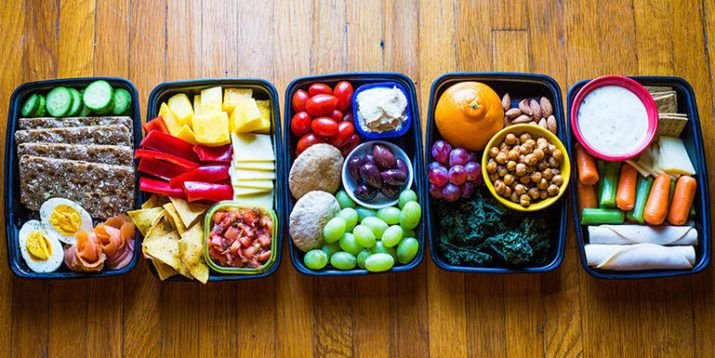
Bananas, apples, and oranges come in their own natural packaging. For vegetables, baby carrots, snap peas, and cherry tomatoes are easy to eat while driving or typing. Many supermarkets now sell pre-washed, single-serve veggie packs with hummus for effortless dipping.
High-Protein Snacks for Sustained Energy
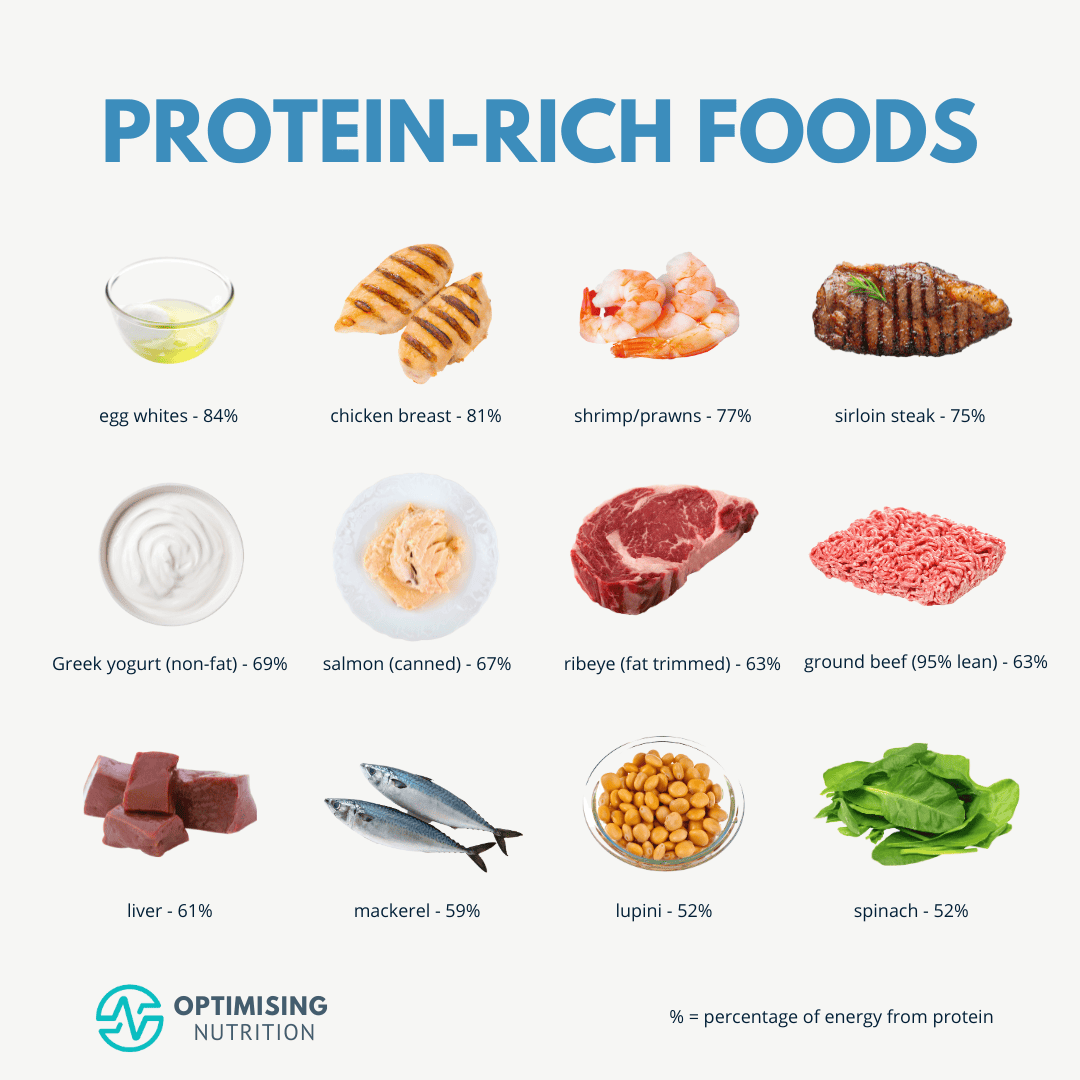
Carbohydrates give you a quick burst of energy, but protein provides the endurance to get through the long haul. Integrating high protein snacks in the USA into your diet is crucial for muscle maintenance and long-term satiety.
Greek Yogurt and Cottage Cheese
Greek yogurt contains nearly double the protein of regular yogurt. Mix it with berries or a sprinkle of flaxseed for texture. Cottage cheese is another powerhouse, offering roughly 14 grams of protein per half-cup serving. It pairs well with savory toppings like cucumbers and black pepper or sweet ones like pineapple.
Hard-Boiled Eggs
The humble egg is a complete protein. Hard-boiling a dozen eggs on Sunday gives you a grab-and-go snack for the entire week. They are portable, portion-controlled, and rich in choline, a nutrient important for brain health.
Protein Smoothies
For those who prefer to drink their calories, a smoothie is a great vehicle for nutrition. Combine whey or plant-based protein powder with spinach, a handful of frozen berries, and water or almond milk. It’s a hydration and protein boost in one.
Healthy Snacks for Work & Office Life
The office environment—whether at home or in a corporate building—is a minefield of dietary temptations. Birthday cakes, donut boxes, and the candy bowl at the front desk are constant distractions. Stocking up on healthy office snacks in the USA is your best defense.
Desk-Friendly Options
You need snacks that aren’t messy, smelly, or loud.
- Jerky: Beef, turkey, or mushroom jerky provides protein without the crumbs. Look for low-sodium versions.
- Dark Chocolate: A square of 70% (or higher) dark chocolate satisfies a sweet tooth and provides antioxidants without the sugar rush of milk chocolate.
- Roasted Chickpeas: Crunchy like a chip but packed with fiber.
Preventing the Afternoon Crash
The “2:00 PM slump” is real. It’s usually caused by a drop in body temperature and the natural circadian rhythm. Instead of caffeine, which might disrupt your sleep later, try a snack with complex carbs and protein, like whole-grain crackers with cheese or peanut butter on celery sticks.
Hydration as a Snack
Sometimes, you just need something to sip on. Bone broth is becoming increasingly popular in American offices as a savory, protein-rich alternative to coffee. Herbal teas or sparkling water with a splash of fruit juice can also keep you hydrated and hand-to-mouth busy without adding empty calories.
Smart Snacking for Weight & Energy Management
Snacking gets a bad rap in weight loss circles, but smart snacking tips in the USA focus on metabolism regulation rather than deprivation.
Managing Insulin Spikes
Weight gain is often linked to chronic insulin spikes. When you eat sugary foods, insulin floods the bloodstream to store that sugar as fat. By pairing carbohydrates with fats or proteins (e.g., cheese with grapes), you blunt that insulin response, keeping your body in a fat-burning mode rather than fat-storing mode.
Strategic Timing
If you exercise, time your snacks around your workouts. A carb-heavy snack (like a banana) 30 minutes before a workout provides immediate fuel, while a protein-rich snack afterward aids in recovery.
Nutrient Density vs. Caloric Density
Choose foods that take up a lot of space in your stomach but don’t have a lot of calories. Popcorn (air-popped, not movie theater style) is a great example. You can eat three cups of popcorn for the same amount of calories as a small handful of potato chips.
Common Snacking Mistakes to Avoid
Even with the best intentions, it’s easy to fall into traps that derail your progress. Recognizing unhealthy snacking habits is the first step to fixing them.
Emotional Snacking
Stress eating is a common coping mechanism. When cortisol levels rise, we crave high-fat, high-sugar foods. Before eating, ask yourself: “Am I hungry, or am I stressed?” If it’s stress, try a five-minute walk or deep breathing exercises instead.
The “Health Halo” Effect
Just because a cookie is vegan or gluten-free doesn’t mean it’s good for you. It can still be loaded with sugar and refined oils. Always read the label.
Eating From the Bag
Never eat straight from a multi-serving package. It is nearly impossible to track how much you’ve consumed. Pour a serving into a bowl and put the bag away.
How to Build a Healthy Snack Routine
Consistency is key. Building a healthy snack routine in the USA starts with your weekly grocery run.
Grocery Shopping Tips
Shop the perimeter of the store. That’s where the fresh produce, dairy, and meats are located. The center aisles are usually reserved for processed foods. If you buy packaged snacks, look for short ingredient lists with words you can pronounce.
Weekly Prep Ideas
Dedicate 30 minutes on Sunday to snack prep.
- Wash and chop vegetables.
- Portion nuts into small containers.
- Boil eggs.
- Make a batch of energy bites (oats, peanut butter, honey, chia seeds).
Having these ready to go lowers the barrier to entry when your week gets hectic.
Simple Swaps
- Instead of potato chips $\rightarrow$ Try roasted seaweed or kale chips.
- Instead of a candy bar $\rightarrow$ Try a Medjool date stuffed with almond butter.
- Instead of soda $\rightarrow$ Try flavored sparkling water or kombucha.
Healthy Snack Ideas by Lifestyle
Different days require different fuel. Tailor your intake based on your activity level.
Healthy Snacks for Working Professionals
You need brain food. Omega-3 fatty acids are great for cognitive function. Walnuts, flaxseeds, and even tins of sardines or salmon (if your office culture permits!) are excellent choices.
Healthy Snacks for Commuters
You need non-perishable, non-messy items. Beef jerky, apples, and protein bars are ideal because they won’t melt in a hot car or crumble onto your lap.
Healthy Snacks for Active Adults
If you are hitting the gym or running around all day, you need more carbohydrates. Oatmeal cups, bananas with peanut butter, or whole-grain toast with avocado provide the glycogen needed for muscle function.
Frequently Asked Questions (FAQ)
Q1. What are the healthiest snacks for busy adults in the USA?
The best snacks combine protein, fiber, and healthy fats. Top choices include Greek yogurt with berries, apple slices with almond butter, hard-boiled eggs, and mixed nuts. These combinations provide sustained energy rather than a quick sugar crash.
Q2. How often should busy adults snack during the day?
Most nutritionists recommend eating every 3 to 4 hours to maintain blood sugar levels. For many, this means a mid-morning snack and a mid-afternoon snack. However, listen to your hunger cues—if you aren’t hungry, don’t force it.
Q3. Are protein bars good healthy snacks?
They can be, but you must read the label. Many American protein bars are essentially candy bars with added whey. Look for bars with at least 10g of protein, less than 8g of added sugar, and whole-food ingredients you recognize.
Q4. What snacks help avoid energy crashes?
Avoid snacks that are pure sugar or refined carbohydrates (like donuts or pretzels). Instead, choose complex carbs paired with protein. Hummus with veggies or a handful of almonds will provide a slow, steady release of energy.
Q5. Can healthy snacking help with weight management?
Yes. Smart snacking prevents extreme hunger, which often leads to overeating at main meals. By keeping your blood sugar stable throughout the day, you are less likely to make impulsive, unhealthy food choices later.
Q6. What snacks are best for office workdays?
Shelf-stable, non-messy snacks are best. Keep a stash of roasted chickpeas, dark chocolate, jerky, or instant oatmeal packets in your desk drawer.
Q7. How can I snack healthy while traveling or commuting?
Preparation is key. Pack a cooler bag with string cheese, yogurt tubes, and fruit. If relying on gas stations, look for nuts, seeds, cheese sticks, or fresh fruit cups, which are becoming more common in convenience stores across the USA.
Snacking Smarter in a Busy World
In a culture that glorifies “the grind,” it is easy to view food as an interruption to your workflow. But the reality is that high performance requires high-quality fuel. You wouldn’t expect a sports car to run on low-grade gasoline, so why expect your brain and body to function on processed sugar and empty calories?
Building a habit of healthy snacking doesn’t require a chef or unlimited free time. It requires a little foresight and a commitment to your own well-being. By stocking up on the right foods, prepping ahead, and listening to your body, you can maintain your energy, sharpen your focus, and tackle your busy schedule with vitality. Start small—swap one processed snack for a whole food option this week—and watch how your energy transforms.