





Your Empty Office Turn Into Apartments?

Introduction to US-India Trade Relations
The trade relations between the United States and India have a long and complex history, characterized by various phases of engagement and collaboration. These relations can be traced back to the 18th century when commercial activities began between American traders and Indian merchants. Over the years, the economic interplay between the two nations has evolved significantly, shaped by both historical events and changing geopolitical contexts.
After India’s independence in 1947, the trade relationship remained relatively modest due to India’s economic policies of self-sufficiency and a protective trade environment. However, the 1991 economic liberalization marked a pivotal moment, opening India’s economy to the global market. This transition led to a surge in bilateral trade, with the United States being one of India’s largest trading partners. Key milestones during this period include various trade agreements aimed at reducing tariffs and fostering investment.
In the 21st century, the US-India trade relationship has witnessed remarkable growth. The ongoing collaboration in sectors like information technology, pharmaceuticals, agriculture, and defense has strengthened economic ties, making India one of the fastest-growing economies for US investors. According to recent trade statistics, bilateral trade has surpassed $100 billion, indicating the increasing significance of this partnership in the global economy.
For business owners, understanding the historical context and trajectory of US-India trade relations is crucial, as it highlights not only the opportunities available but also the challenges and considerations when engaging in trade with India. These emerging dynamics are essential for anyone looking to expand their markets and tap into India’s vast consumer base, thereby playing a significant role in the larger context of global trade.
Current Trade Statistics and Trends
As of recent reports, the trade relationship between the United States and India has reached significant heights, highlighting the growing economic interdependence between the two nations. In the fiscal year 2022-2023, trade between the US and India totaled approximately $154 billion, with the US exporting about $65 billion worth of goods to India and importing nearly $89 billion in return. This marks a notable increase compared to previous years, showcasing a robust trend in bilateral trade.
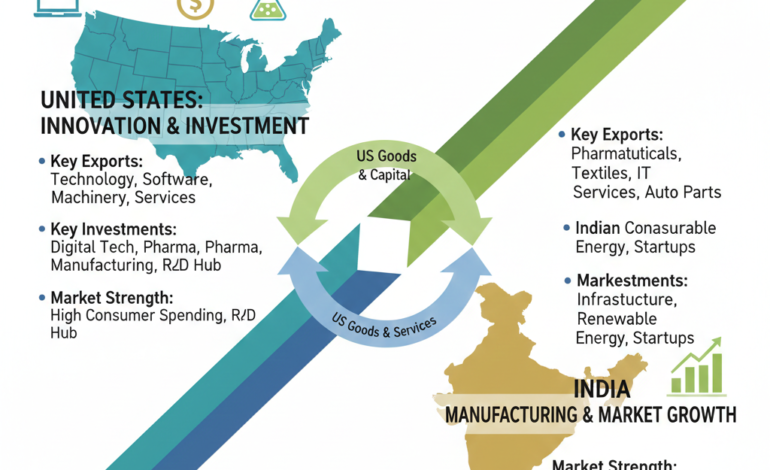
Key sectors driving this growth include technology, pharmaceuticals, textiles, and agricultural products. The US has increasingly become a top destination for Indian IT services, while India ranks as one of the largest sources for textiles and apparel for the American market. Additionally, there has been a marked growth in trade related to electronic goods, machinery, and chemicals, indicating a diversification of trade products beyond traditional commodities.
Recent trends also reveal a surge in biopharmaceutical exports from India to the US, particularly in the wake of the COVID-19 pandemic. Indian pharmaceutical companies have significantly increased their export volumes due to heightened demand for medicines and vaccines. On the other hand, the US is exporting more aircraft, machinery, and agricultural products to India, a reflection of India’s expanding middle class and growing consumption capacity.
Future potential growth areas are evident, particularly in sustainable goods and services, digital trade, and clean energy technologies. With renewable energy becoming a priority globally, business owners should explore opportunities in manufacturing and exporting related products. Furthermore, the US-India trade relations are expected to be bolstered by technological collaboration and investment in sectors like artificial intelligence and cybersecurity.
Key Industries Impacted by US-India Trade
The trade relationship between the United States and India has significantly transformed various key industries, promoting mutual economic growth and development. Among these industries, technology, pharmaceuticals, agriculture, and textiles stand out as essential sectors benefiting from trade collaborations. Entrepreneurs and businesses in these sectors have seen both opportunities and challenges as a consequence of evolving trade dynamics.
In the technology sector, the American demand for innovative tech solutions has driven Indian firms to expand their offerings. Indian IT companies have become major players in the global market, providing software development, IT services, and consulting. The robust tech exchange facilitates knowledge transfer and joint ventures, enabling startups and established corporations to flourish in both markets.
Similarly, the pharmaceutical industry has witnessed a strengthening of US-India trade relations. Indian companies are known for producing quality generic medicines at competitive prices, contributing to affordability in the US healthcare market. Recent regulatory advancements and partnerships between pharma firms on both sides enhance research and development efforts, creating a pathway for innovative products and making healthcare more accessible.
Agriculture plays a pivotal role in the US-India trade framework. With India being one of the largest producers of various agricultural products, export opportunities to the US have been on the rise. This growth not only benefits Indian farmers but also helps American consumers gain access to diverse and high-quality food products. However, trade policies and tariffs continue to affect this sector, making it essential for entrepreneurs to stay informed about regulations and market demands.
Finally, the textile industry remains integral to US-India trade relations, with India being a leading supplier of fabrics and garments. The trade agreement between the two nations promotes collaboration among textile manufacturers, retailers, and brands. As businesses navigate sustainability and ethical production practices, they can leverage this trade partnership to enhance their competitive edge in the market.
Trade Agreements and Policies Affecting Businesses
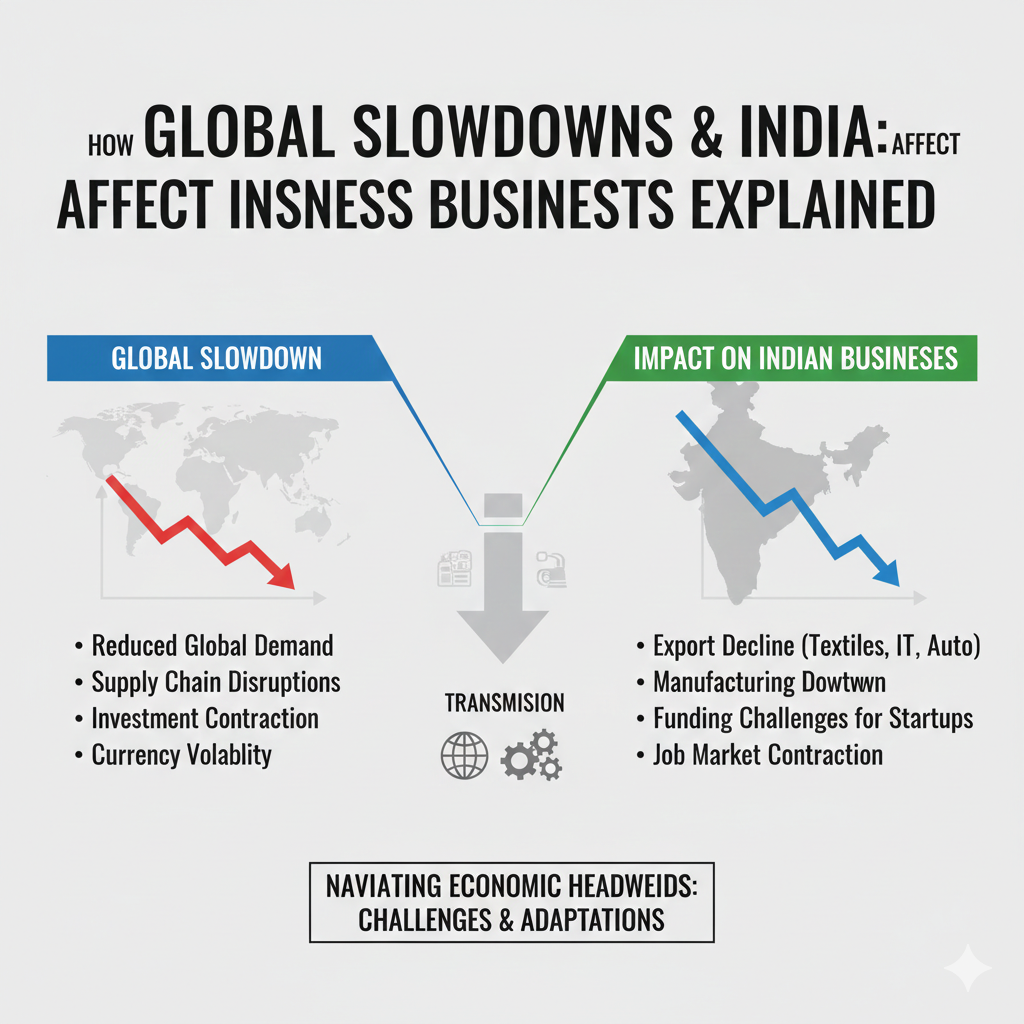
Trade relations between the United States and India are framed by a collection of agreements and policies designed to facilitate trade and ensure compliance. Notable among these is the bilateral trade agreement that promotes trade in goods and services by lowering tariffs and enhancing market access. The U.S. and India have also been active in negotiations involving the World Trade Organization (WTO), focusing on reducing trade barriers and addressing issues such as intellectual property rights, e-commerce, and subsidies.
One notable agreement is the Generalized System of Preferences (GSP), which enables Indian exporters to send several goods to the U.S. without incurring tariffs. This program significantly affects sectors such as textiles, chemicals, and handicrafts, allowing Indian companies to compete more effectively in the U.S. market. Conversely, any changes in GSP conditions can lead to increased operational costs for Indian exporters, making compliance with these regulations critical for business success.
Moreover, recent developments in trade policy, including tariffs imposed on certain goods by both nations, create a complex landscape for businesses operating under US-India trade relations. Additionally, policies that encourage foreign direct investment (FDI) in sectors like technology and defense have opened new avenues for U.S. companies in India. Understanding these policies is essential for business owners, as they not only dictate compliance requirements but also influence strategic business decisions, such as market entry strategies and pricing models.
It is vital for companies engaged in cross-border trade to stay updated on current regulations and trade agreements, as changes may impact operational costs, compliance needs, and market competitiveness. Enlisting the help of trade experts or advisors who specialize in U.S.-India trade relations can provide valuable insights and guidance on navigating this multifaceted trading environment.
Challenges and Barriers to Trade
US-India trade relations present numerous opportunities for growth; however, businesses often encounter significant challenges that can hinder successful market entry and expansion. Understanding these barriers is crucial for any business owner looking to navigate the complexities of trade between these two nations.
One primary issue is the prevalence of tariffs. Both the United States and India impose various tariffs on imports which can create unexpected costs for businesses. These tariffs can vary widely depending on the product, so it is essential for importers to conduct thorough research and stay informed about current rates to effectively navigate pricing strategies.
Additionally, regulatory hurdles pose a significant challenge. Each country has distinct regulatory environments, which may lead to confusion for companies attempting to comply with the differing laws. For instance, the US has stringent regulations regarding product safety and environmental standards, while India has specific requirements for local sourcing and certifications. Businesses should consider engaging local legal experts or consultants to ensure compliance with all regulatory requirements and to facilitate smoother operations.
Cultural differences also play a crucial role in trade negotiations and business dealings. Misunderstandings stemming from divergent business practices and communication styles can affect negotiations and relationships. To address this challenge, businesses should invest time in understanding cultural norms and practices in the respective countries, fostering better communication and collaboration.
Moreover, economic fluctuations can impact currency exchange rates and overall market stability, making it essential for businesses to stay updated on economic indicators in both countries. Utilizing financial hedging strategies can help mitigate risks associated with currency fluctuations.
By proactively addressing these challenges, businesses can successfully navigate the trade landscape between the US and India, maximizing their potential for growth while minimizing risks.
Strategies for Entering the US-India Market
For business owners looking to penetrate the US-India market, understanding effective strategies is crucial to ensuring success. The US and India are both dynamic markets, but entering them poses unique challenges and opportunities. To navigate these markets effectively, businesses can consider several entry options.
One popular strategy is through joint ventures or partnerships. Collaborating with local businesses in India can enhance your understanding of the market’s nuances, consumer behavior, and cultural differences. These partnerships can also facilitate easier access to local supply chains and distribution networks, which are essential for successful market penetration.
Moreover, businesses should explore the potential of establishing a direct presence through foreign direct investment (FDI) in India. The Indian government has liberalized many sectors, making it easier for foreign companies to invest. This approach may require more resources upfront but can provide greater control and brand recognition in the long term.
Adapting marketing strategies to resonate with the target audience is equally important. Tailoring marketing campaigns to reflect local culture can significantly enhance engagement with consumers. Utilizing digital marketing tools and social media platforms that are popular in India, such as WhatsApp and Instagram, can amplify reach and brand presence.
Additionally, trade shows and industry events present fruitful opportunities to network and showcase products. Attending these events allows businesses to connect with potential partners, distributors, and consumers, thereby gaining insights into market trends and preferences.
Finally, conducting thorough market research before launching products is essential. Analyzing competitor strategies and understanding regulatory frameworks can help mitigate risks. In conclusion, by utilizing a combination of partnerships, localized marketing strategies, and thorough research, business owners can successfully navigate the complexities of the US-India market and capitalize on emerging opportunities.
Cultural Considerations in Business Interactions
Engaging in business with Indian partners necessitates a deep understanding of cultural nuances that can significantly influence communication and interaction. First, it is essential to recognize that communication styles in India can be more indirect compared to Western practices. This indirectness often aims to maintain harmony and avoid confrontation, which could be beneficial in creating long-lasting business relationships.
When conducting negotiations, it is crucial to approach discussions with patience and an open mind. Indian professionals often appreciate lengthy conversations where they can explore various facets of a proposal. Therefore, being prepared to engage in detailed discussions, rather than seeking quick resolutions, can enhance mutual understanding. Additionally, it is common for Indian negotiators to first build rapport before addressing the specifics of a business agreement. Taking the time to establish personal connections can be vital in securing a favorable outcome.
Furthermore, understanding the importance of hierarchy in Indian business culture is pivotal. Respecting seniority and the decision-making structure within your Indian partners’ organizations can pave the way for smoother interactions. Always addressing senior members first during meetings and being mindful of their opinions can create a positive impression. This also reflects the cultural value placed on respect and authority.
Good business etiquette is another essential component to consider. For example, exchanging business cards with both hands is customary and signifies respect. During meetings, a firm handshake is often welcomed, but it is best to follow the lead of your Indian counterparts. Finally, addressing colleagues using their titles, such as Mr. or Ms., followed by their last name until invited to use their first name, demonstrates politeness and professionalism.
By keeping these cultural considerations in mind, U.S.-based business owners can navigate interactions with Indian partners more effectively, fostering a conducive environment for collaboration and growth.
Future Outlook of US-India Trade Relations
The future of trade relations between the United States and India appears to be shaped by a multitude of geopolitical considerations, potential policy shifts, and the impact of emerging markets. As both countries recognize the importance of strengthening their economic ties, they may explore broader cooperation avenues, which can fundamentally alter the trade landscape.
One critical factor influencing this relationship is the ongoing geopolitical climate, particularly concerning China and regional security. As tensions rise, India is increasingly viewed as a strategic partner by the US in countering China’s influence in the Indo-Pacific region. This alignment could lead to enhanced trade agreements and collaborations in sectors such as defense, technology, and renewable energy.
Potential changes in domestic policies in both nations could also play a role in shaping future trade dynamics. The US might seek to adopt a more favorable immigration policy to attract skilled professionals from India, which can foster innovation and create a more robust business environment. Conversely, India’s initiatives to enhance its manufacturing sector, notably through programs like “Make in India,” may attract additional American investments and partnerships.
Moreover, the rise of emerging markets presents an opportunity for US-India trade relations to expand beyond traditional sectors. As consumer demand evolves, both countries could benefit by collaborating in technology, e-commerce, and sustainable practices tailored to these new markets. Businesses should keep an eye on long-term trends such as digital transformation, supply chain diversification, and sustainable development, as these factors may heavily influence future trade policies.
Overall, businesses should remain vigilant about potential shifts in the geopolitical landscape and policy frameworks to navigate the evolving trade relations between the US and India effectively.
Conclusion and Call to Action for Business Owners
In navigating the complexities of US-India trade relations, business owners should recognize the immense opportunities presented by this vibrant market. The trade dynamics between the United States and India are founded on mutual interests that have evolved over the years, fostering an environment ripe for strategic partnerships. Key takeaways from our discussion highlight the importance of understanding the regulatory landscape, leveraging trade agreements, and capitalizing on sector-specific opportunities that both nations offer.
As the economies of the US and India continue to grow and integrate, business owners are encouraged to assess their positioning within this framework. By identifying sectors with high growth potential, such as technology, healthcare, and renewable energy, entrepreneurs can tap into diverse avenues for expansion. Moreover, adapting to the changing trade policies and trends will provide a competitive edge in this evolving landscape.
Business owners are urged to conduct thorough research to better understand the nuances of the US-India trade relationship and how it impacts their operations. Engaging with trade associations, attending relevant seminars, and seeking mentorship from experienced professionals can serve as valuable resources in this endeavor. It is also beneficial to explore partnerships with local businesses in India to facilitate market entry and establish a footprint in this burgeoning economy.
In conclusion, the US-India trade relations offer significant opportunities for growth and collaboration. By taking proactive steps and embracing the potential for engagement, business owners can position themselves advantageously in this exciting market. We invite you to explore further and consider strategic initiatives to enhance your business’s success within the US-India trade context.