




Your Empty Office Turn Into Apartments?

Introduction to AI and Business Productivity
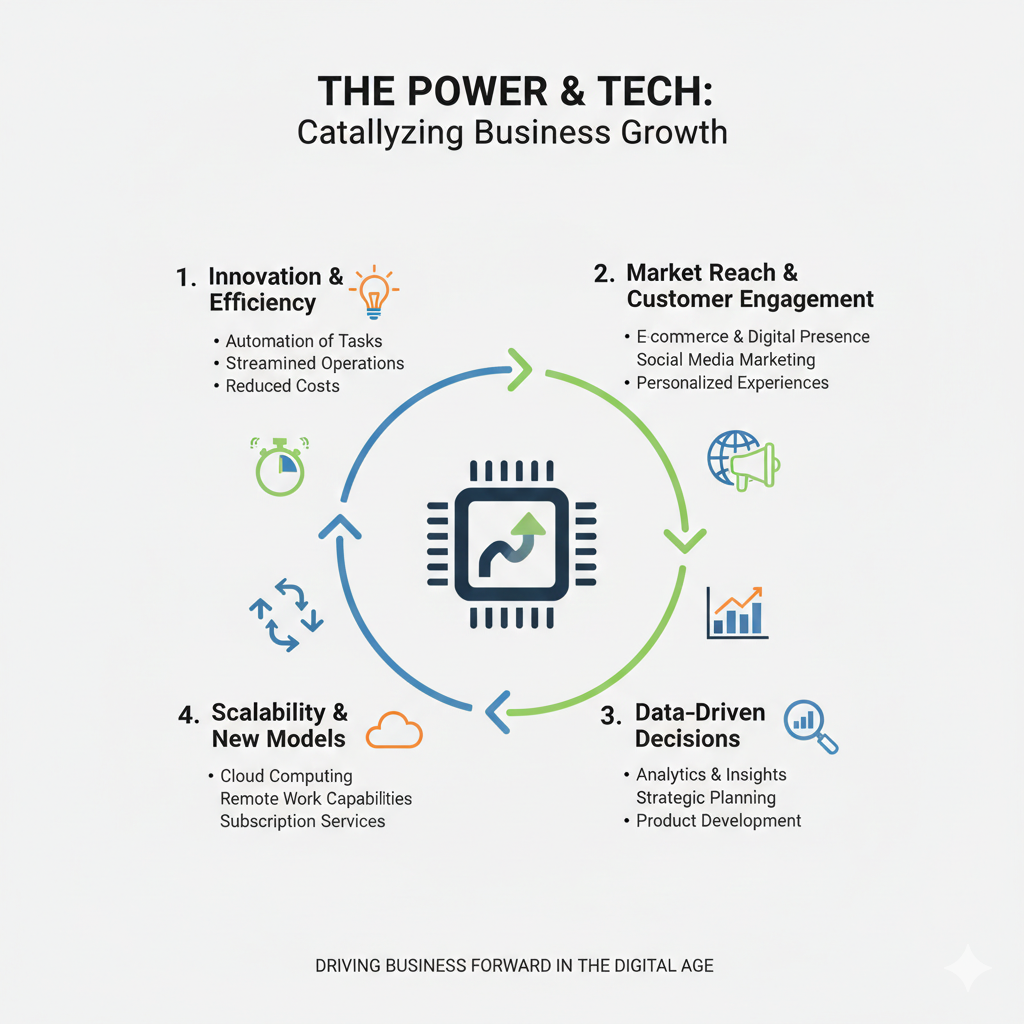
Artificial Intelligence (AI) has emerged as a transformative force within the business landscape, fundamentally reshaping the way organizations operate and interact with their stakeholders. The rapid advancement of AI technologies, including machine learning, natural language processing, and robotics, has allowed businesses to streamline operations, enhance decision-making, and optimize productivity. In today’s competitive environment, companies increasingly recognize the necessity of integrating AI solutions to maintain relevancy and achieve growth.
AI technologies are applied in various aspects of business, from automating routine tasks to analyzing vast amounts of data for actionable insights. The utilization of AI-driven tools facilitates increased efficiency in operations by performing tasks at a speed and accuracy levels unattainable by human effort alone. This not only reduces the workload for employees but also allows them to focus on higher-value activities that drive innovation and strategic growth.
Moreover, AI applications manifest in customer relationship management, supply chain optimization, and personalized marketing efforts. For instance, AI systems can sift through customer data to predict preferences and behavior, thus enabling businesses to tailor their offerings effectively. Predictive analytics powered by AI can identify potential market trends, allowing organizations to pivot strategies promptly based on real-time data assessments.
The integration of AI into business practice is no longer a luxury; it has become an imperative for maintaining competitiveness. As AI continues to evolve, its role in enhancing productivity will only strengthen, pushing organizations to rethink traditional business models and embrace more agile, data-driven approaches. Consequently, understanding the implications of AI adoption on productivity is essential for both current and future business leaders aiming to leverage this technology for sustained success.
Understanding AI Technologies
Artificial Intelligence (AI) encompasses a range of technologies designed to simulate human intelligence processes through machine learning, natural language processing, and robotic process automation (RPA). Each of these technologies plays a significant role in transforming business operations, leading to enhanced productivity and efficiency.
Machine learning, a key component of AI, refers to the ability of systems to learn from data, identify patterns, and make decisions with minimal human intervention. In a business context, machine learning can optimize logistics, predict customer behavior, and streamline inventory management. For example, retailers can utilize machine learning algorithms to analyze purchasing data, which helps personalize the shopping experience for customers while improving inventory turnover rates.
Natural language processing (NLP) is another critical area of AI that focuses on the interaction between computers and human language. NLP enables machines to understand, interpret, and respond to human language in a valuable way. For businesses, applications of NLP include chatbots that can handle customer inquiries, sentiment analysis tools that gauge public opinion, and automated content generation platforms. These tools not only improve customer engagement but also enhance operational efficiency by reducing response times and providing insights into customer satisfaction.
Robotic process automation (RPA) involves the use of software robots to automate repetitive tasks across various applications. RPA can be particularly advantageous in finance and human resource sectors, where data entry, payroll processing, and compliance reporting often require significant manual effort. By deploying RPA, businesses can free up human resources for more strategic tasks, thereby facilitating cost-effective operation and accelerating workflows.
Each of these AI technologies contributes uniquely to improving business operations, emphasizing the importance of strategic adoption to harness their full potential effectively.
The Current State of AI Adoption in Businesses
In recent years, artificial intelligence (AI) has emerged as a critical tool for businesses across various industries, revolutionizing traditional operational methods. According to a report by McKinsey, around 60% of companies have adopted AI in at least one business function. This adoption rate indicates a significant shift towards integrating AI capabilities into core functions such as marketing, finance, and supply chain management. Furthermore, businesses that actively adopt AI have reported productivity improvements ranging from 20% to 30%. Such statistics illustrate the transformative potential of AI technologies.
Industries like healthcare are at the forefront of AI implementation, using predictive analytics to improve patient outcomes and streamline operations. For instance, AI-driven algorithms assist in diagnosing diseases more accurately, significantly reducing the time needed for medical professionals to reach conclusions. Additionally, the manufacturing sector is leveraging AI through smart automation solutions and predictive maintenance, allowing companies to reduce downtime and enhance overall efficiency.
Moreover, case studies highlight that early adopters of AI technologies have gained competitive advantages in their respective markets. For example, companies using AI for customer relationship management (CRM) have observed enhanced customer engagement and better-targeted marketing strategies. Retail giants are utilizing AI to analyze consumer buying patterns, enabling them to optimize inventory management effectively. By employing AI tools, businesses not only streamline their operations but also foster innovation and adaptability in fast-changing markets.
Understanding the current landscape of AI adoption reveals both the challenges and opportunities businesses face. While AI technology presents vast potentials for productivity enhancement, the need for appropriate training and infrastructure remains a point of concern. Nevertheless, as organizations increasingly recognize the benefits of AI integration, it is clear that artificial intelligence is shaping the future of operational efficiency across various sectors.
Benefits of AI Adoption for Business Productivity
The implementation of Artificial Intelligence (AI) in businesses delivers numerous advantages, significantly contributing to enhanced productivity. One of the most notable benefits is the increased operational efficiency that AI fosters. Automation of routine tasks allows organizations to redirect human resources towards more strategic endeavors. For instance, in manufacturing, AI-powered robotics can take over assembly lines, leading to faster production rates with reduced error margins.
Furthermore, AI transforms decision-making processes. By utilizing large datasets and advanced algorithms, AI provides businesses with predictive analytics that inform strategies and operations. Companies such as Netflix use AI to analyze streaming data, enabling them to make decisions related to content production and recommendation systems, thus maximizing viewer engagement and satisfaction.
Cost savings form another crucial advantage. AI-driven solutions can reduce operational costs by optimizing processes and minimizing waste. For example, chatbots equipped with AI handle customer inquiries effectively at a fraction of the cost of human agents, allowing companies to allocate their budgets more efficiently. This capability enhances overall profitability and enables investments in other critical areas of the business.
Improved customer service is yet another benefit of AI adoption. AI systems can provide personalized experiences through tailored recommendations and 24/7 support, significantly enhancing customer satisfaction levels. A retail giant like Amazon employs AI algorithms to offer personalized shopping experiences, effectively boosting sales and customer loyalty.
In summary, the benefits of AI adoption for business productivity are manifold. From operational efficiency and informed decision making to cost savings and superior customer service, businesses stand to gain a competitive edge in the marketplace by embracing AI technologies.
Challenges and Barriers to AI Adoption
The integration of Artificial Intelligence (AI) into business operations heralds numerous advantages; however, organizations also encounter significant challenges and barriers during its adoption. High initial costs represent one of the foremost hurdles. Implementing AI solutions often involves considerable financial investment, not only in the technologies themselves but also in the necessary infrastructure and support systems. For many companies, especially small and medium enterprises, these upfront expenses can be daunting, leading to reluctance in adopting AI technologies.
Another critical challenge lies in the scarcity of skilled personnel. The demand for professionals who can design, implement, and manage AI solutions far exceeds the supply in the labor market. Companies struggle to find employees with the expertise required to leverage AI effectively, resulting in a slower adoption process. Furthermore, existing staff may require extensive training to bridge the skills gap, which adds to the overall costs of implementation.
Data privacy concerns also pose a significant barrier to AI adoption. Organizations are often apprehensive about collecting, processing, and analyzing vast amounts of data due to the regulatory frameworks governing data privacy. Compliance with regulations such as GDPR (General Data Protection Regulation) can complicate AI deployment, as companies must ensure that their data practices align with legal requirements while still benefiting from AI capabilities.
Lastly, resistance to change within organizations can hinder the integration of AI. Employees may fear job displacement or feel overwhelmed by the new technologies, which can lead to pushback against the changes. Cultivating a culture that embraces innovation and recognizes the potential benefits of AI is critical for overcoming this barrier. Ultimately, addressing these challenges is essential for businesses seeking to harness the transformative power of AI to enhance productivity.
Measuring AI Impact on Productivity
In order to effectively gauge the impact of artificial intelligence (AI) on business productivity, organizations must implement robust measurement frameworks. The assessment can be conducted through various key performance indicators (KPIs) that provide insight into both productivity enhancements and operational efficiencies. Among the most relevant KPIs, one can find metrics related to time savings, cost reductions, and improved decision-making accuracy.
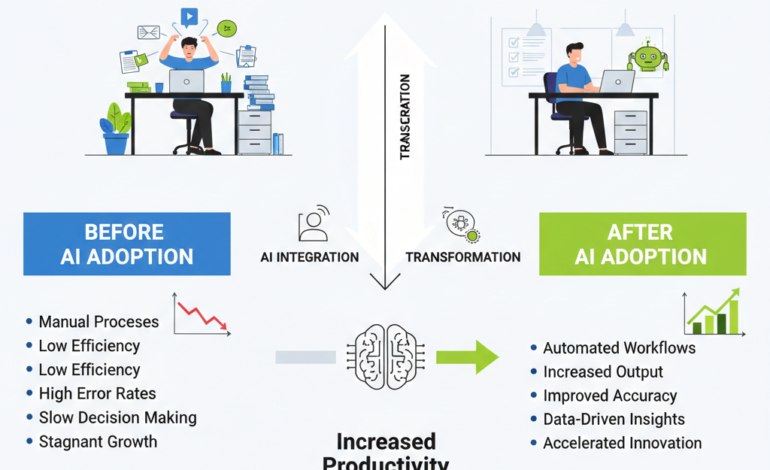
Time savings is a critical metric when evaluating AI’s influence on productivity. By utilizing AI tools to automate repetitive tasks, businesses can free up employee time for more strategic functions. Organizations may track this by measuring the reduction in hours spent on specific tasks before and after AI implementation. This approach allows for a quantifiable overview of productivity improvements, enabling organizations to estimate the financial value of time saved.
Cost reduction is another pivotal aspect. AI technologies have the potential to significantly lower operational costs through enhanced efficiency. By analyzing operational expenditures pre- and post-AI rollout, businesses can discern whether AI investments are yielding financial benefits. This involves monitoring cost-related KPIs, such as labor costs, material expenses, and overheads, thereby painting a clearer picture of AI’s economic impact.
Moreover, the accuracy of business decisions can be enhanced through AI application, and this can be evaluated through metrics that assess decision-making outcomes. For example, companies can analyze the success rate of predictive analytics in forecasting sales or customer behavior with AI tools as compared to traditional methods. The correlation between AI-driven insights and actual performance results will help in understanding the effectiveness of AI initiatives at a granular level.
Future Trends in AI and Business Productivity
As businesses increasingly adopt artificial intelligence (AI), the future landscape of productivity is poised for significant transformation. The upcoming trends in AI promise to enhance the efficiency and effectiveness of business operations across various sectors. One of the most promising advancements is the refinement of AI algorithms. These improvements will enable systems to process data at unprecedented speeds and with greater accuracy, facilitating more informed decision-making. Business leaders can expect that enhanced AI capabilities will produce predictive analytics that better anticipate market demands and consumer behavior.
Moreover, the integration of AI with other emerging technologies, particularly the Internet of Things (IoT), is set to revolutionize operational workflows. IoT devices generate vast amounts of data, which, when analyzed by sophisticated AI tools, can provide businesses with real-time insights into their processes and supply chains. This synergy will likely lead to heightened automation and efficiency, reducing operational costs and increasing productivity. Companies that embrace these interconnected systems will find themselves better equipped to innovate and adapt in an increasingly competitive market.
Another trend to watch is the development of personalized AI solutions tailored to the specific needs of businesses. This customization will allow enterprises to harness AI tools that align closely with their objectives, enhancing their ability to streamline processes and improve customer experiences. Personalized AI can facilitate deeper engagement by understanding customer preferences, thus enabling more targeted marketing strategies and robust customer support systems.
In conclusion, these future trends in AI indicate a profound potential for improving business productivity. By fostering innovations in algorithms, leveraging IoT, and advancing personalized AI solutions, businesses will be well-positioned to thrive in a rapidly evolving technological environment.
Best Practices for Successful AI Adoption
Adopting artificial intelligence (AI) within a business can lead to substantial productivity improvements. However, successful implementation requires a strategic approach. Firstly, it is essential to define clear objectives for AI integration. Businesses should assess their specific needs and identify processes that can benefit from automation and enhanced efficiency. This clarity will help in selecting the right AI solutions that align with organizational goals.
Secondly, involving employees in the AI adoption process is crucial. This can be achieved through comprehensive training programs that not only empower staff with new skills but also address any concerns regarding AI technologies. Encouraging a collaborative environment where employees can express their thoughts about AI use fosters acceptance and reduces resistance to change.
Moreover, businesses must focus on selecting the appropriate technologies. A thorough analysis of various AI tools and platforms will help determine which ones best suit the operational requirements. Furthermore, pilot programs are advisable; they allow businesses to test AI implementation on a smaller scale, gather insights, and make adjustments before a full rollout. Continuous evaluation and monitoring will also support long-term success. Organizations should establish metrics for assessing AI effectiveness, ensuring that productivity gains are realized and sustainability is maintained.
Listening to employee feedback post-implementation can provide valuable insights for improvement and adjustment of processes. Lastly, staying updated with industry trends and technological advancements is vital. The AI landscape is continuously evolving, and being adaptive to new innovations will allow businesses to retain a competitive edge and maximize productivity gains.
Conclusion: The Future of Work in an AI-Driven World
The integration of artificial intelligence (AI) into the workplace represents a significant shift in how businesses operate, fundamentally altering productivity levels and efficiency. As we have explored throughout this discussion, organizations that embrace AI technologies stand to reap substantial benefits, including streamlined processes, enhanced decision-making, and improved employee productivity. However, this transformation is not merely about adopting new tools; it necessitates a profound cultural shift within organizations.
In an AI-driven world, the nature of work is evolving. Tasks that were once time-consuming or mundane are being automated, allowing employees to focus on higher-level strategic initiatives. Companies must prepare for this transition by investing in employee training and development, ensuring that their teams are well-equipped to work alongside AI systems effectively. Additionally, businesses should foster a culture of innovation, encouraging employees to embrace new technologies that can augment their capabilities and contribute to common goals.
Looking ahead, companies need to consider how AI will reshape their industries and the broader economy. As AI technologies continue to advance and proliferate, the potential for disruption increases, making adaptability a key ingredient for survival. Organizations that proactively implement AI strategies will likely maintain a competitive advantage, while those that resist change may find themselves outpaced by more agile competitors.
Ultimately, the future of work in an AI-driven world depends on the willingness of companies to embrace change and invest in their human capital. Balancing technological advancements with the human elements of work, such as creativity and empathy, will be essential in navigating the complexities of this new landscape. Through strategic planning and commitment to continuous learning, organizations can harness the power of AI to drive productivity and success.