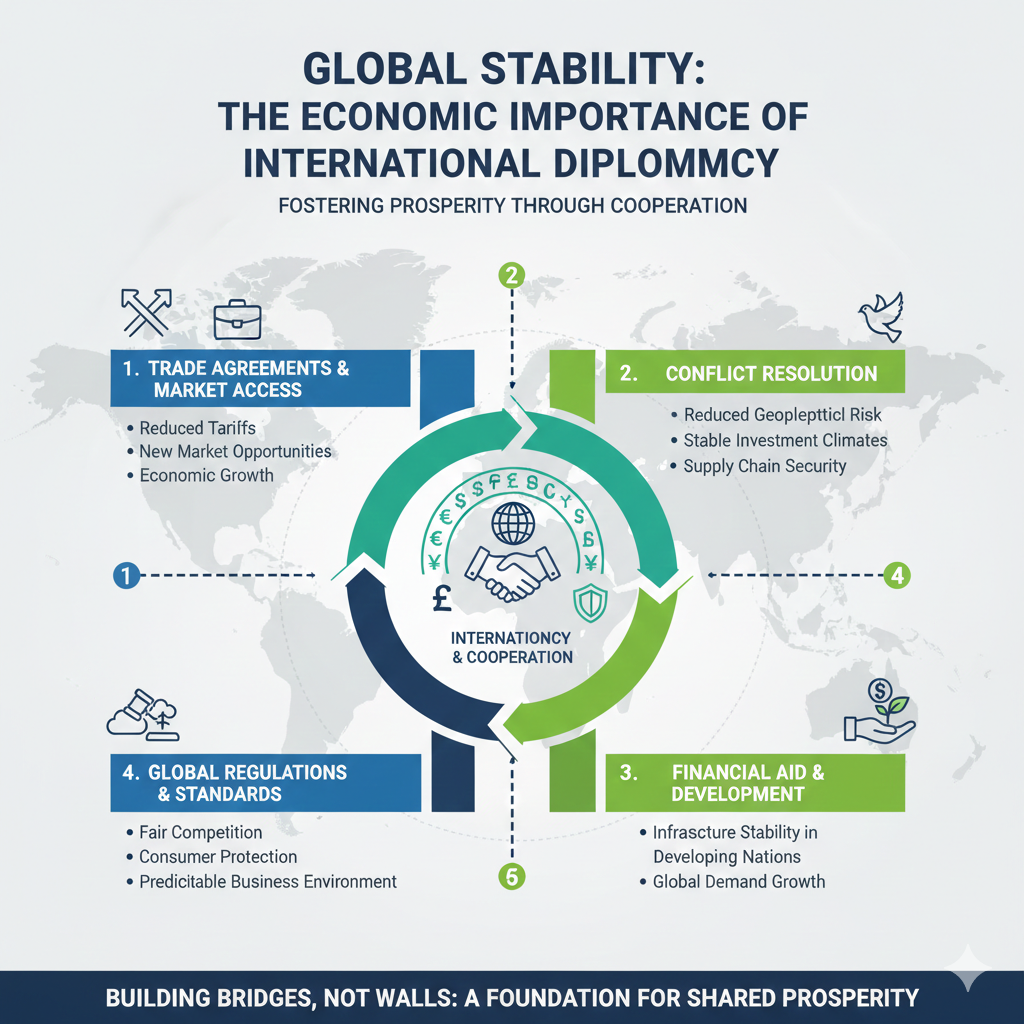






Why Trade Agreements Shape Global Power Dynamics

Introduction to Trade Agreements
Trade agreements are crucial instruments in international relations that establish the terms for trade between nations or regions. These agreements serve various essential purposes, including reducing tariffs, eliminating trade barriers, and fostering economic cooperation among the participating entities. By promoting smoother trade flows, such agreements can significantly impact national economies and the global market.
There are several types of trade agreements, each tailored to specific diplomatic and economic objectives. Bilateral agreements involve two countries and can lead to significant trade benefits by directly addressing the needs and interests of both parties. An example of a bilateral trade agreement is the U.S.-Mexico-Canada Agreement (USMCA), which replaced NAFTA to enhance trade relations and economic integration between its three member countries.
Multilateral agreements, on the other hand, involve multiple countries and aim to create a broader framework for trade. The World Trade Organization (WTO) agreements exemplify multilateral agreements that seek to improve trade rules on a global scale. These agreements help set common standards and policies that members adhere to, promoting fair competition and addressing trade disputes effectively.
Regional trade agreements, such as the European Union (EU) or the Association of Southeast Asian Nations (ASEAN), function similarly by creating exclusive trading blocs that emphasize economic collaboration among neighboring countries. These agreements often include provisions that facilitate not just trade in goods, but also services and investments, nurturing comprehensive economic partnerships.
In summary, trade agreements are vital to shaping the dynamics of global trade. By reducing trade barriers and promoting cooperation, these agreements not only foster economic growth but also contribute to building stronger political and diplomatic relationships among nations.
Historical Context of Trade Agreements
The evolution of trade agreements has significantly shaped the landscape of international relations and economics. The early 20th century witnessed the establishment of the General Agreement on Tariffs and Trade (GATT) in 1947, which marked a pivotal moment in the effort to promote international trade through the reduction of tariffs and other trade barriers. GATT aimed not only to foster economic cooperation but also to prevent the kind of protectionist policies that had contributed to the Great Depression.
Over the decades, GATT provided a forum for negotiating trade liberalization among its member countries, resulting in several rounds of negotiations. The most notable of these was the Uruguay Round, which began in 1986 and concluded in 1994. It significantly expanded the scope of international trade rules, culminating in the establishment of the World Trade Organization (WTO) in January 1995. The WTO replaced GATT and aimed to provide a more structured and comprehensive institutional framework for global trade negotiations.
The creation of the WTO signified a shift from a focus solely on tariffs to a broader agenda that included services, intellectual property, and dispute resolution mechanisms. This transition reflects the increasing complexity of global trade in response to the rapid advancements in technology and globalization. The emergence of regional trade agreements, such as the North American Free Trade Agreement (NAFTA) and the European Union (EU), further exemplifies the dynamic shifts within global trade and economic partnerships.
Throughout history, trade agreements have not only facilitated economic interactions but have also been instrumental in shaping political alliances and power dynamics. These agreements are responses to the changing priorities of nations, influenced by economic crises, geopolitical shifts, and the need for collaborative approaches to sustainable growth. Understanding this historical context is crucial for analyzing the contemporary relevance of trade agreements in global affairs.
Economic Impact of Trade Agreements
Trade agreements play a critical role in shaping the economic landscape of participating nations. They facilitate the flow of goods and services across borders, thereby enhancing trade volumes among member countries. By reducing tariffs and other trade barriers, these agreements create an environment conducive to increased exports and imports, which subsequently promotes economic growth. The enhanced trade flows resulting from such agreements can lead to substantial economic benefits, including job creation and industry expansion in sectors that experience increased demand.
Investment is another crucial aspect influenced by trade agreements. When countries enter into agreements, they often provide greater security and predictability for foreign investors. As a result, foreign direct investment (FDI) tends to increase, leading to the establishment of new businesses and the expansion of existing ones. This influx of investment can stimulate innovation and increase competitiveness within member economies, contributing further to economic development and sustainability.
However, it is essential to recognize the potential drawbacks that may accompany trade agreements. While some industries flourish, others may struggle to compete with increased foreign competition, leading to job losses in specific sectors. Additionally, trade imbalances may arise, where one country imports significantly more than it exports, potentially destabilizing local economies. As such, policymakers must balance the positive outcomes of trade agreements against potential negative societal impacts. Carefully designed support mechanisms can aid those adversely affected by such agreements and ensure a more equitable distribution of their economic benefits.
Political Ramifications of Trade Agreements
Trade agreements have significant political ramifications that extend beyond mere economic interests, affecting national sovereignty and international relations in complex ways. When countries enter into trade agreements, they often must align their domestic policies with the terms outlined in these treaties, which can lead to a perceived erosion of sovereignty. For instance, within the framework of a trade agreement, nations may be compelled to adjust their regulations or standards to facilitate smoother trade, thereby diminishing their authority to legislate independently.
Additionally, trade deals can create or reinforce political alliances, fostering closer relationships between participating nations. By establishing mutual economic dependencies, countries may find themselves more inclined to support each other in various political arenas, from security matters to diplomatic negotiations. This can enhance regional stability; however, it can also lead to tensions, particularly when disagreements arise over conflicting interests. Countries that feel disadvantaged by trade agreements may experience a shift in domestic political dynamics, potentially leading to internal unrest or a rise in protectionist sentiments.
The influence of trade agreements on governance can also manifest through the involvement of non-state actors. Multinational corporations and business groups often play a pivotal role in shaping the terms of trade agreements, which may prioritize corporate interests over public welfare. This dynamic suggests that trade deals can alter the balance of power within a nation, as policymakers grapple with competing pressures from domestic sectors and international obligations. Consequently, the political landscape of signatory countries may experience substantial shifts as they negotiate the fine line between global integration and national autonomy.
Trade Agreements and Global Power Dynamics
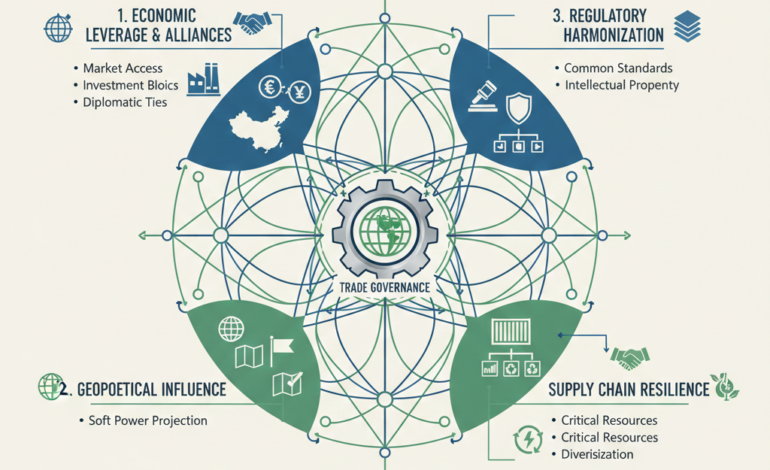
Trade agreements play a pivotal role in reshaping global power dynamics by establishing the rules and regulations governing international commerce. At their core, these agreements are not merely tools for economic cooperation; they also serve as platforms for countries to assert their influence on the global stage. The strategic positioning of nations within various trade frameworks reflects their economic strengths and political ambitions, often determining their capacity to shape global policies.
Larger economies, in particular, possess the leverage to negotiate trade agreements that not only enhance their market access but also solidify their dominance over smaller nations. For instance, when a significant economic power enters a trade agreement, it can dictate terms that align with its national interests, potentially marginalizing the negotiating power of smaller countries. This dynamic often results in a scenario where larger economies can extract favorable concessions, thereby reinforcing their economic and geopolitical influence.
Furthermore, trade agreements can serve as instruments for soft power, allowing nations to project their values and standards through economic means. Countries that successfully negotiate extensive trade pacts often find themselves at the center of international discussions, thus amplifying their voice in global governance. By intertwining economic relationships with political objectives, trade agreements become vehicles through which nations can exert their influence beyond mere economic transactions.
Overall, the intersection of trade and power illuminates the broader implications of trade agreements on international relations. It underscores the fact that economic ties, shaped by these agreements, are fundamental not only for fostering prosperity but also for dictating the hierarchical structure of global power. Understanding this relationship is essential for comprehending the current landscape of international affairs, where trade plays a crucial role in the strategic maneuvering of nations.
Case Studies: Major Trade Agreements
Trade agreements have long played a significant role in shaping global power dynamics. Among the most notable are the North American Free Trade Agreement (NAFTA), the European Union (EU), and the Trans-Pacific Partnership (TPP). Each of these agreements illustrates how trade ties can influence political relationships, economic policies, and international cooperation.
NAFTA, implemented in 1994, marked a pivotal moment in North America’s economic landscape by eliminating tariffs on goods traded between the United States, Canada, and Mexico. This agreement transformed trade relations among these nations, leading to increased cross-border commerce and supply chain integration. However, it also raised concerns regarding job losses in the manufacturing sector and wage stagnation, which eventually fueled a rise in protectionist sentiments. The renegotiation of this agreement into the United States-Mexico-Canada Agreement (USMCA) underlined the need for adaptability in trade agreements as global power dynamics continue to evolve.
The European Union stands as a prominent example of how trade agreements can forge not only economic alliances but also political unity. The EU has created a single market that facilitates the free movement of goods, services, capital, and people among member states. This integration has enhanced the EU’s bargaining power on the global stage, allowing it to influence international regulations and standards significantly. Moreover, the EU’s trade agreements with non-member countries often extend beyond mere economic considerations, encompassing social and environmental standards that help shape global norms.
On the other hand, the TPP, initially aimed at fostering trade and economic growth among twelve Pacific Rim countries, represented a strategic shift in U.S. trade policy towards Asia. Although the U.S. withdrew from the agreement in 2017, the remaining countries proceeded with a revised version, demonstrating resilience amid shifting geopolitical interests. The TPP exemplified the potential for trade agreements to realign power dynamics, particularly in relation to China’s influence in the region.
These case studies highlight the complexity and significance of major trade agreements in structuring the geopolitical landscape and influencing power relations worldwide. As globalization continues to advance, the role of trade agreements remains paramount in understanding international affairs.
Challenges and Controversies Surrounding Trade Agreements
Trade agreements are often subject to intense scrutiny and criticism, as they can have far-reaching implications for economies and societies worldwide. One prevalent concern is that these agreements may exacerbate inequality both within and between nations. By prioritizing the interests of multinational corporations and affluent countries, trade agreements can marginalize vulnerable populations, leaving them without adequate protection against the adverse effects of globalization.
Labor rights also emerge as a significant issue in the discourse surrounding trade agreements. Many critics argue that such agreements can lead to a race to the bottom regarding labor standards, as countries may lower wages and undermine workers’ rights to attract foreign investment. This dynamic can result in exploitative working conditions, particularly in developing nations where regulations may be less stringent. Ensuring that labor rights are adequately protected within trade agreements is crucial for promoting fair trade practices.
Environmental concerns represent another major point of contention. Critics argue that trade agreements often prioritize economic growth over environmental protection, leading to increased exploitation of natural resources and greater carbon footprints. Such practices can aggravate climate change and environmental degradation, raising questions about the long-term sustainability of these agreements. In response, there have been calls for the integration of environmental clauses within trade agreements to mitigate their negative impacts on the planet.
The backlash against globalization has also intensified in recent years, with many people feeling left behind by the rapid changes brought about by trade agreements. Populist movements in various countries have emerged, driven by dissatisfaction with traditional political approaches to trade and economic policy. These movements challenge the legitimacy of trade agreements and often demand a reevaluation of their terms to better reflect the concerns of ordinary citizens.
The Future of Trade Agreements
The landscape of global trade agreements is continuously evolving, influenced by various economic, political, and social factors. As economies grow and become more interlinked, the importance of these agreements in shaping geopolitical power dynamics cannot be overstated. It is vital to examine potential future trends and how they might adapt to emerging global challenges.
One significant trend is the rise of emerging economies, particularly in Asia and Africa, which are expected to play a crucial role in shaping future trade agreements. These regions are demonstrating remarkable growth rates, prompting established economies to reconsider their approaches to trade. Future trade agreements may focus on creating more equitable partnerships, enabling shared benefits and addressing disparities. This shift towards inclusivity may result in a new paradigm that helps stabilize international relations while boosting economic growth.
Geopolitical alliances are also likely to shift as nations strive to respond to rapidly changing global circumstances. For instance, as climate change becomes a pressing issue, future agreements may increasingly incorporate environmental considerations, mandating sustainable practices and promoting green technologies. Additionally, digitalization is transforming commerce, necessitating reforms in trade agreements that facilitate digital trade and protect data privacy across borders.
Moreover, the impact of regional trade agreements will likely grow, as nations seek to develop closer economic ties with neighboring countries. This trend could lead to the establishment of trade blocs that reflect shared economic and political interests, altering existing alliances. Additionally, multilateral agreements might evolve to address more complex regulatory frameworks, allowing for better coordination among participating countries.
In conclusion, the future of trade agreements is poised to reflect the complexities of a rapidly changing world. The rise of emerging economies, shifts in geopolitical alliances, and the importance of sustainability will likely define the trade landscape in the years to come, influencing how global power dynamics are shaped and maintained.
Conclusion
In examining the intricacies of trade agreements, it becomes evident that their influence extends far beyond economic transactions. They shape global power dynamics by establishing frameworks for cooperation, competition, and strategic alliances among nations. Trade agreements serve as pivotal tools through which countries can assert their interests on the international stage, thus redefining geopolitical relationships and economic privileges.
The discussions throughout this blog post reveal that trade agreements can significantly enhance mutual economic dependency, which may deter conflict while promoting stability. Furthermore, they often dictate the terms of engagement in various industries, impacting everything from tariffs to intellectual property rights. Such frameworks not only facilitate trade but also influence regulatory standards and promote collaborative innovation among countries.
As nations navigate the complexities of international trade, it is essential for policymakers to recognize the strategic significance of these agreements. Countries must engage in careful consideration of their trade relations, highlighting the necessity for diplomacy and adaptability in a rapidly changing global landscape. Moreover, the current trend of shifting alliances and the rise of protectionism underscore the importance of reevaluating existing trade agreements to align with contemporary economic realities and geopolitical aspirations.
In summary, trade agreements play a crucial role in shaping not just economic landscapes, but also the broader contours of global power dynamics. For nations to maintain and enhance their influence in an interdependent world, they must prioritize thoughtfully negotiated trade arrangements that can withstand the tests of time and change. The ongoing relevance of these agreements will undoubtedly continue to resonate in the discourse surrounding global governance and cooperation.