



Why Humans Started Wearing Clothes: Survival or Social Signal?

Clothing is so woven into our daily lives that we rarely stop to ask why we wear it. Yet the origins of human clothing reveal a fascinating story—one that began not with fashion, but with survival. Tens of thousands of years ago, early humans wrapped themselves in animal skins and plant fibers to endure freezing climates, shield their bodies from injury, and navigate harsh environments. Over time, these practical garments evolved into something more: symbols of identity, status, and belonging.
Understanding human clothing origins helps us appreciate how deeply intertwined survival and culture have always been. The first clothes weren’t simply coverings—they were tools for staying alive. But as human societies grew more complex, so did the meaning behind what people wore. Clothing became a language of its own, signaling group membership, spiritual beliefs, and social hierarchies long before the written word existed.
This post explores the dual purpose of early clothing: the survival needs that drove humans to cover their bodies, and the social signals that transformed garments into cultural artifacts. From the Ice Age caves of Europe to the savannas of Africa, we’ll trace how early humans used materials like animal hides and plant fibers to protect themselves—and how they began to decorate those materials to communicate who they were.
Survival Needs That Led Humans to Wear Clothes
The earliest evidence of human clothing dates back roughly 170,000 years, based on studies of body lice evolution. These parasites adapted to live in clothing rather than on skin, suggesting that humans had been wearing garments long before the archaeological record could capture them. But why did our ancestors begin covering their bodies in the first place?
Protection from Climate and Environment
Climate was the most immediate driver. As early humans migrated out of Africa and into colder regions, they encountered environments their bodies weren’t naturally equipped to handle. The last Ice Age, which peaked around 20,000 years ago, brought freezing temperatures and relentless winds. Without clothing, survival in these early human clothing environments would have been nearly impossible.
Animal skins provided insulation, trapping body heat and creating a barrier against the cold. Early humans likely observed how fur-covered animals stayed warm and applied that knowledge to their own needs. Wearing layers of hide allowed them to venture further north, hunt in winter, and establish settlements in regions that would otherwise be uninhabitable.
Beyond temperature regulation, clothing also protected against environmental hazards. Thorny plants, sharp rocks, and biting insects posed constant threats. Covering the skin reduced injuries and infections, increasing the chances of survival in a world where even minor wounds could prove fatal.
Hunting, Movement, and Physical Safety
Hunting required agility, stealth, and protection. Early humans needed to move quickly through rugged terrain, often pursuing large and dangerous prey. Clothing made from durable materials like leather offered a layer of defense against scrapes, cuts, and animal attacks.
Footwear, one of the earliest clothing innovations, allowed humans to traverse rocky ground and travel long distances without injuring their feet. This mobility was crucial for following migrating herds and accessing new resources. Protective coverings also shielded hunters from the elements during extended trips, making it possible to stay out longer and bring back more food.
In this context, clothing was a survival technology—a way to extend human capability and adapt to diverse environments. It wasn’t about appearance or social norms. It was about staying alive.
The First Materials Used in Early Garments
Early humans were resourceful. They worked with what was available, transforming raw materials from their surroundings into functional garments. The process required ingenuity, observation, and skillful craftsmanship.
Animal Skins and Natural Fibers
Animal hides were among the first materials used for clothing. After a successful hunt, skins could be scraped, dried, and softened to create flexible, durable coverings. Fur-bearing animals like bears, wolves, and reindeer provided the warmest materials, ideal for cold climates.
Plant-based fibers also played a role, particularly in warmer regions. Grasses, bark, and leaves could be woven or tied together to create simple garments. While less durable than leather, these materials were lightweight and easier to work with, making them suitable for hot environments where insulation wasn’t a priority.
Some evidence suggests that early humans also used sinew (animal tendons) to bind materials together. This natural “thread” was strong and flexible, allowing for more complex garment construction.
Early Sewing Tools and Techniques
The invention of early sewing tools in human history marked a significant leap in clothing development. Bone needles, some dating back 40,000 years, enabled humans to stitch hides together rather than simply draping them over their bodies. This innovation allowed for fitted garments that stayed in place during movement and provided better insulation.
Creating these needles required advanced motor skills and an understanding of tool-making. Early humans carefully shaped small bones into thin, pointed implements with holes for thread. The process was labor-intensive, but the results were transformative. Sewn garments could be tailored to the body, layered for warmth, and decorated with precision.
These techniques laid the groundwork for more sophisticated clothing styles. As communities shared knowledge and passed down skills, the quality and complexity of garments improved. What began as crude coverings gradually evolved into carefully crafted pieces that reflected both function and artistry.
Clothing as a Social and Cultural Signal
While survival drove the initial adoption of clothing, humans quickly recognized its potential as a form of communication. Garments became markers of identity, status, and belief—transforming from purely functional items into cultural symbols.
Modesty and Identity
The role of modesty in early clothing is debated among anthropologists. Some argue that covering the body arose from a sense of shame or sexual modesty, while others suggest it was purely practical. What’s clear is that clothing eventually became tied to concepts of propriety and social norms.
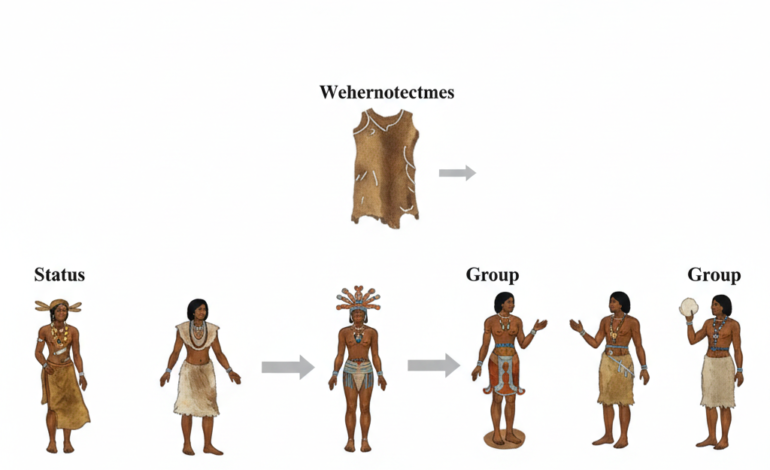
Different groups developed distinct styles based on their environment, resources, and cultural values. A person’s clothing could indicate their community, occupation, or family lineage. In this way, garments functioned as visual identifiers—allowing individuals to recognize members of their own group and distinguish outsiders.
This social dimension added new meaning to the act of dressing. Clothing wasn’t just about protection anymore; it was about belonging.
Tribal Symbols and Decoration
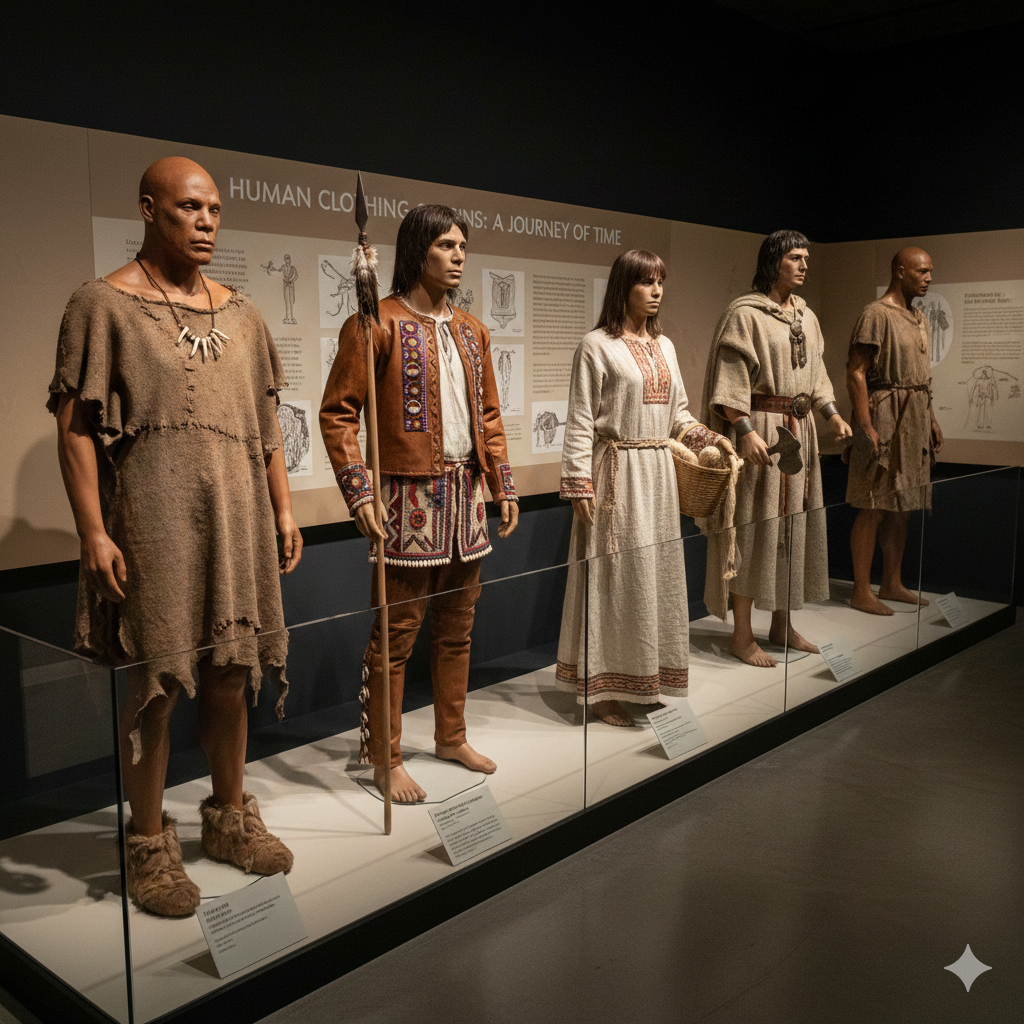
Early humans decorated their clothing with natural dyes, shells, beads, and feathers. These embellishments weren’t random. They carried symbolic weight, representing achievements, spiritual beliefs, or tribal affiliations.
A hunter might wear the teeth or claws of a slain animal as a trophy. A shaman could don feathered headdresses to signify their spiritual role. Decorative patterns might represent clan membership or commemorate important events. Through these visual cues, clothing became a storytelling medium—a way to communicate personal and collective history without words.
This shift from function to symbolism marked a turning point in human culture. Clothing was no longer just a tool for survival. It was a canvas for expression.
Did Early Men and Women Dress Differently?
The question of prehistoric gender clothing differences is complex. Archaeological evidence from early human societies is limited, making it difficult to draw definitive conclusions about whether men and women wore distinct styles.
Some anthropologists suggest that functional differences existed. Men, who often engaged in hunting and long-distance travel, may have worn more durable, protective clothing. Women, who typically gathered plants and cared for children, might have favored lighter, more flexible garments that allowed for ease of movement.
However, it’s important to avoid projecting modern gender norms onto prehistoric societies. The rigid distinctions we associate with “men’s” and “women’s” clothing are relatively recent cultural constructs. Early humans likely prioritized practicality over gendered fashion, choosing garments based on their specific tasks and environmental conditions.
That said, some evidence points to symbolic differentiation. Burial sites from the Upper Paleolithic period (around 50,000 to 10,000 years ago) show men and women adorned with different types of jewelry and ornaments. These distinctions may reflect emerging social roles or ceremonial practices, though their exact meaning remains speculative.
What we can say with confidence is that early clothing was shaped more by survival needs and cultural context than by the gendered fashion systems we know today.
From Survival to Fashion — The Start of Evolution
As human societies became more settled and resource-rich, clothing began to evolve beyond its original purpose. The transition from nomadic hunter-gatherer groups to agricultural communities brought new materials, technologies, and social structures—all of which influenced how people dressed.
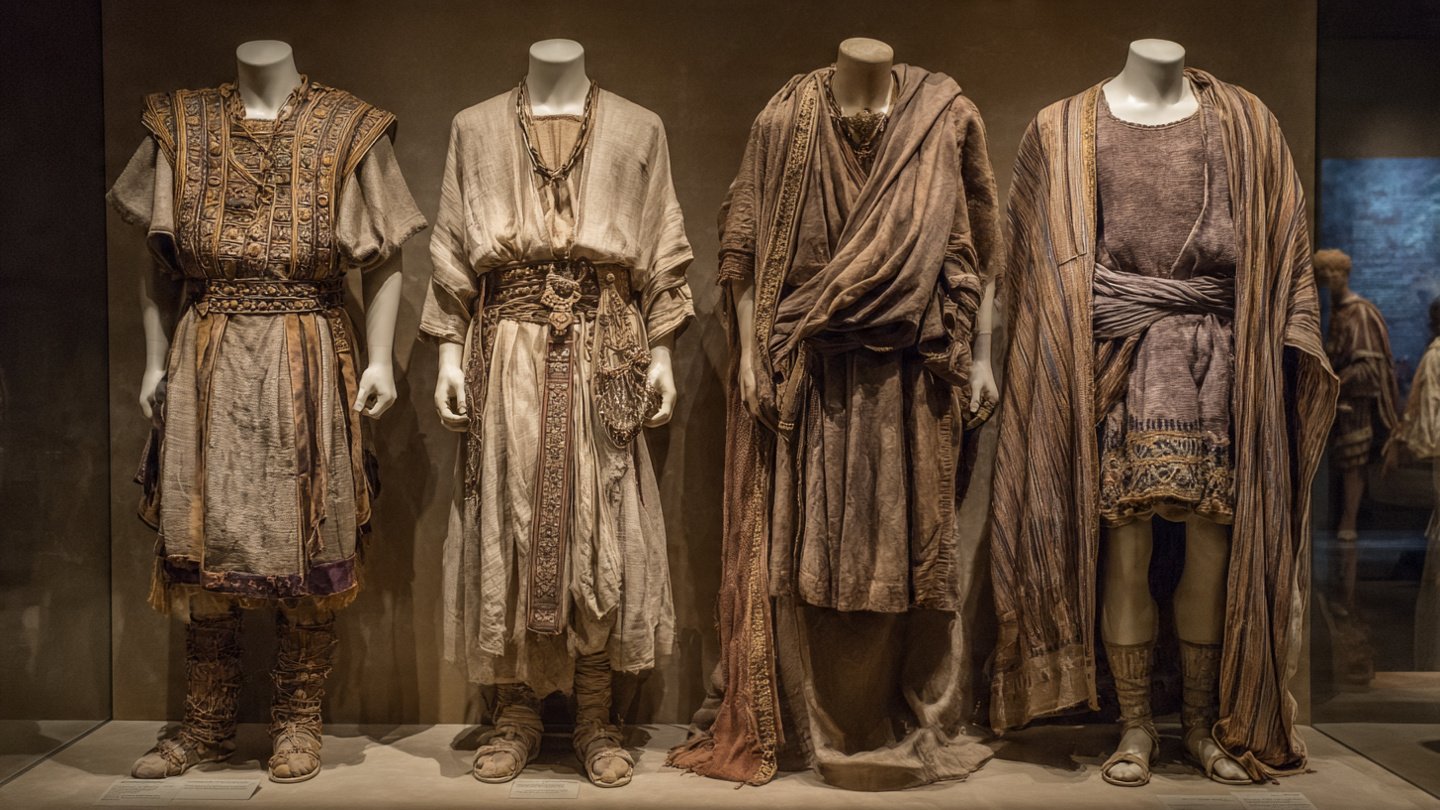
Weaving techniques emerged, allowing for the production of textiles from plant and animal fibers. This innovation made clothing more accessible and versatile. Garments could now be dyed, patterned, and layered in ways that animal skins never allowed.
With increased social complexity came greater emphasis on status and hierarchy. Clothing became a way to display wealth and power. Leaders adorned themselves in elaborate garments, while laborers wore simpler, more utilitarian attire. The seeds of fashion—as we understand it—were beginning to take root.
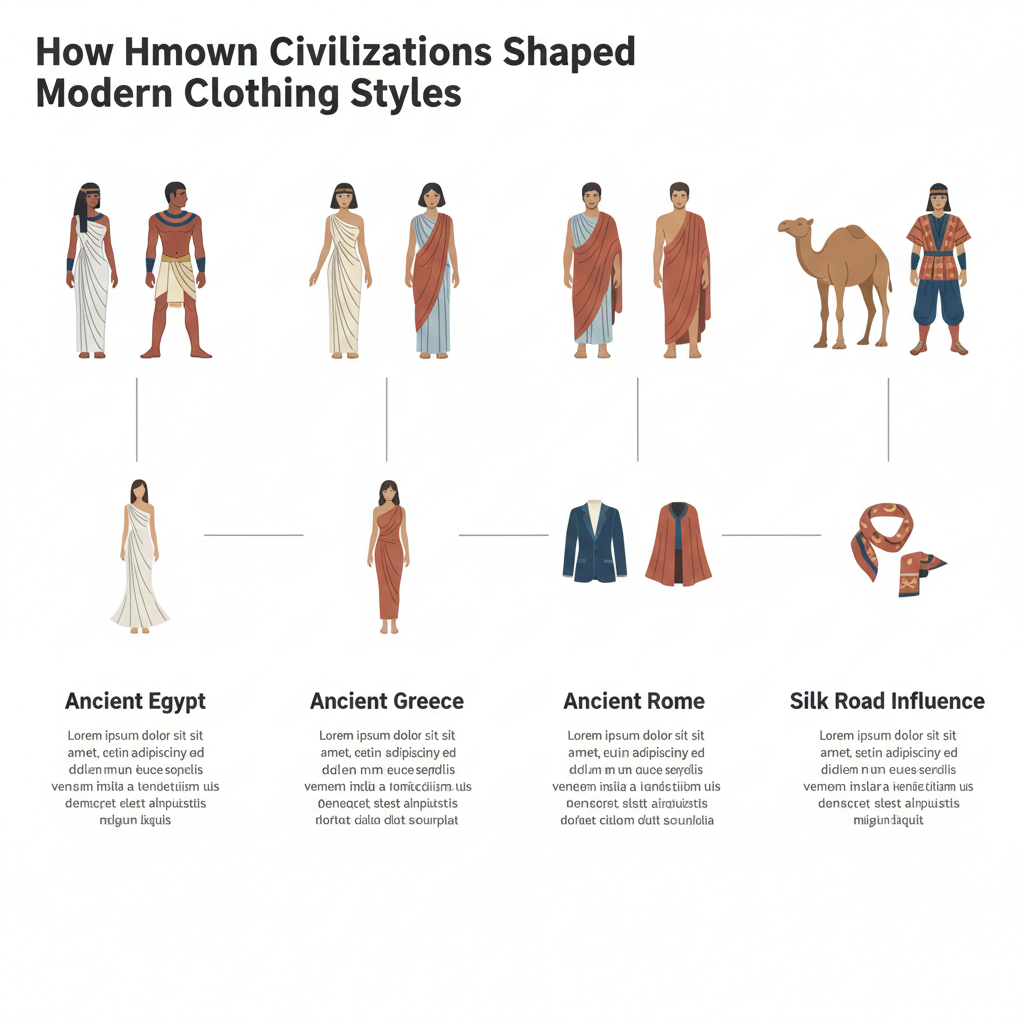
This history of clothing evolution didn’t happen overnight. It was a gradual process, shaped by innovation, trade, and cultural exchange. But the foundation was laid in those early days when humans first wrapped themselves in hides to survive the cold.
How Early Clothing Shaped Modern Human Style
The story of human clothing begins with necessity but quickly becomes something far richer. Those first animal skins and plant fibers weren’t just practical—they were the starting point for a cultural revolution. By learning to craft and wear garments, early humans unlocked new possibilities for survival, expression, and connection.
Today, we inherit the legacy of those innovations. Every piece of clothing we wear carries echoes of our ancestors’ ingenuity. The act of dressing remains deeply tied to both protection and identity, just as it was tens of thousands of years ago.
Understanding the evolution of human clothing history helps us see fashion not as frivolous, but as fundamental. Clothing has always been more than fabric—it’s a reflection of who we are and where we come from. As we continue to explore the human clothing evolution journey, we gain deeper insight into the forces that shaped humanity itself.