

Why Comfort Wear Is Dominating Fashion in the USA
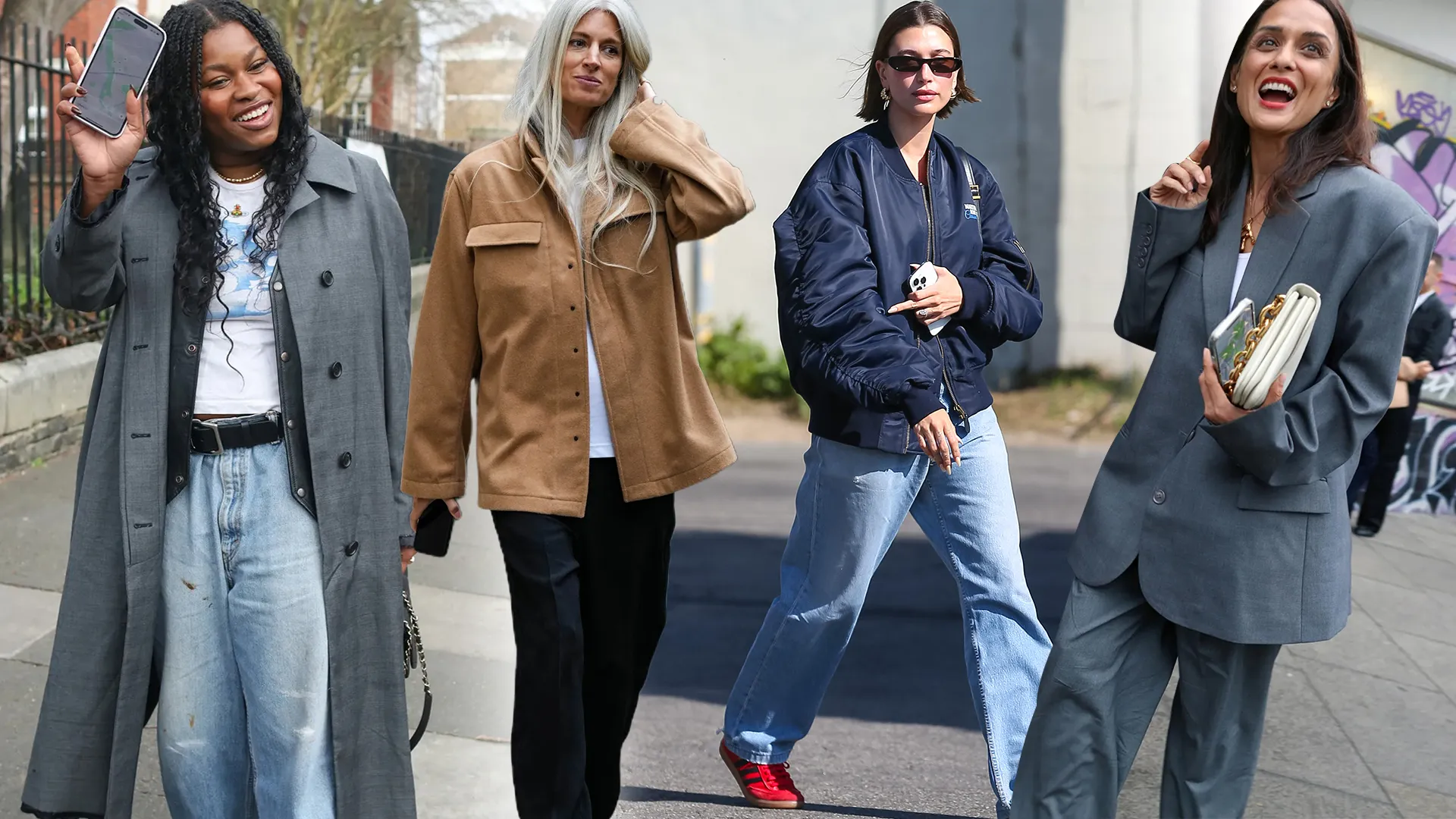

Look around any bustling American street, airport, or coffee shop. You won’t see many stiff suits, restrictive corsets, or sky-high stilettos. Instead, you’ll see soft fabrics, elastic waistbands, and sneakers. The American wardrobe has undergone a quiet revolution, and the victor is undeniable: comfort.
For decades, fashion often demanded sacrifice. We squeezed into skinny jeans and endured blister-inducing shoes because looking good meant feeling a little uncomfortable. But priorities have shifted. The modern consumer no longer views comfort as a sign of giving up; it is now the ultimate sign of confidence. From the boardroom to the boardwalk, Americans are choosing clothes that move with them, not against them.
This shift isn’t just about laziness or a lack of effort. It represents a fundamental change in how we view our bodies, our time, and our daily lives. We demand functionality. We demand versatility. And above all, we demand to feel good in what we wear.
What Is Comfort Wear?
Before dissecting the trend, we need to define it. Comfort wear fashion in the USA is a broad category, but it is defined by a specific philosophy: clothing should support the wearer’s physical well-being and ease of movement.
It is distinct from “sloppy” dressing. True comfort wear isn’t just an oversized t-shirt with holes in it. It is intentional design focused on three core elements:
- Fit: Silhouettes are relaxed, often featuring adjustable elements like drawstrings or elastic.
- Fabric: Materials are soft to the touch, breathable, and often include stretch.
- Flexibility: The clothing allows for a full range of motion, suitable for sitting, walking, or stretching.
While casual wear has existed for a long time, comfort wear takes it a step further by prioritizing tactile pleasure and ergonomic design. It’s the difference between a stiff pair of denim jeans (casual) and a pair of high-quality joggers made from a modal-cotton blend (comfort wear).
Why Comfort Wear Is Dominating Fashion in the USA
The rise of soft pants and sneakers wasn’t an accident. Several cultural and economic forces collided to create the perfect storm for this trend. Why comfort wear is dominating fashion in the USA comes down to a re-evaluation of our lifestyle.
Americans are busier than ever, often juggling multiple roles in a single day. A rigid outfit that works for a 9:00 AM meeting but fails during a 5:00 PM grocery run or a 7:00 PM dog walk just doesn’t cut it anymore. We need clothes that transition seamlessly.
Furthermore, there is a growing national focus on health, mobility, and wellness. As people prioritize their physical and mental health, they are less willing to tolerate clothing that restricts circulation or causes pain. The “no pain, no gain” mentality of fashion is dead. In its place is a demand for all-day wearable clothing that supports an active, dynamic life.
The Athleisure & Loungewear Boom
If comfort wear is the kingdom, athleisure is the crown jewel. The athleisure trend in the USA has arguably been the most significant fashion movement of the 21st century. It blurred the lines between the gym and the rest of the world.
Initially, items like leggings and hoodies were reserved for workouts. Today, they are standard daily attire. Brands like Lululemon, Nike, and Vuori popularized the idea that high-performance gear could look sleek enough for brunch or errands.
This trend transcends generations. You see Gen Z styling vintage sweatshirts with baggy joggers, while Boomers appreciate the practicality of supportive sneakers and moisture-wicking polos. It bridges the gap between fitness wear and street style, creating a uniform that says, “I am active, healthy, and ready for anything.”
Remote Work & Hybrid Living
The COVID-19 pandemic accelerated the comfort trend by a decade. When offices closed and Zoom became the primary mode of communication, the dress code collapsed overnight. Work from home fashion in the USA became the new norm.
Waist-up dressing became a phenomenon—a nice blouse or polo shirt on camera, paired with sweatpants out of frame. But even as offices reopened and hybrid schedules emerged, the genie couldn’t be put back in the bottle. Employees had tasted the freedom of comfortable clothing, and they weren’t eager to return to ties and pantyhose.
The result is a relaxed professional dress code. “Business casual” has softened. Chinos have replaced suit trousers; knit blazers have replaced structured wool jackets. The modern worker demands home-to-outdoor versatility—clothes that look professional enough for a meeting but feel as comfortable as the loungewear they wore during lockdown.
Changing Consumer Preferences
The dominance of comfort wear is also driven by a shift in buying psychology. Comfortable clothing trends in the USA reflect a consumer base that values practical utility over prestige.
Shoppers are voting with their wallets. They are scrutinizing fabric labels, looking for “soft,” “stretch,” and “breathable.” There is a reduced tolerance for uncomfortable apparel. If a garment itches, pinches, or rides up, it stays on the rack.
Value is now defined by frequency of wear. A stunning but uncomfortable dress that sits in the closet is seen as a waste of money. A slightly more expensive but incredibly soft sweater that gets worn three times a week is seen as a smart investment. This practical, value-driven behavior prioritizes how a garment makes the wearer feel over how it looks on a hanger.
Fabric Innovation Driving Comfort Wear
Comfort wear wouldn’t be possible without science. Comfortable clothing fabrics have advanced tremendously, moving far beyond basic cotton.
Textile innovation is the engine under the hood of this trend. We now have:
- Performance Synthetics: Fabrics that wick moisture away from the skin, keeping the wearer cool and dry.
- Four-Way Stretch: Materials that expand in all directions, preventing the fabric from losing its shape while allowing total freedom of movement.
- Sustainable Softness: Innovations in bamboo, Tencel, and modal offer a silk-like touch that is often softer and more durable than traditional cotton.
Technology-led design has also eliminated common irritants. Seamless knitting technology removes itchy seams, while tagless labels have become the industry standard. These invisible innovations make a massive difference in daily comfort.
Role of Social Media & Pop Culture
We cannot ignore the screen in our pocket. Comfort fashion trends in the USA are heavily influenced by what we see on Instagram and TikTok.
Influencers and celebrities have normalized casual looks. The “off-duty model” aesthetic—typically involving oversized hoodies, biker shorts, and chunky sneakers—turned comfort into a status symbol. When celebrities are photographed running errands in matching sweatsuits rather than red-carpet gowns, it validates the style for the average consumer.
Viral trends often center on comfort. “Cozy” aesthetic videos, featuring oversized knits and soft textures, rack up millions of views. Social media has taught us that looking effortless is the new chic, and nothing looks more effortless than comfort wear.
Comfort Wear & Sustainability
Surprisingly, the shift toward comfort aligns with the growing environmental movement. Sustainable comfort wear in the USA is gaining traction as consumers look to buy less and buy better.
Because comfort wear is versatile and durable, it often has a longer lifecycle than trendy “going out” tops or fast-fashion party dresses. A high-quality hoodie or pair of leggings is a staple item that transcends seasons.
Consumers are increasingly looking for conscious comfort—garments made from organic cotton, recycled polyester, or ethically sourced wool. They want to feel good in their clothes, and they want to feel good about their clothes. This focus on quality over volume is a direct challenge to the disposable nature of fast fashion.
Is Comfort Wear the Future of Fashion?
Is this just a phase? Will we eventually return to three-piece suits and corsets? It seems unlikely. The future of fashion in the USA points toward a permanent integration of comfort.
We are seeing the rise of “elevated basics.” This is the evolution, not the replacement, of traditional fashion. Designers are figuring out how to make suits feel like pajamas and how to make heels feel like sneakers. We are moving toward a hybrid aesthetic where comfort is blended with polish.
Expect to see more “technical formal wear”—blazers with stretch panels, dress shoes with orthopedic insoles, and trousers with hidden elastic waists. The future isn’t about looking sloppy; it’s about hiding the comfort within sophisticated designs.
Frequently Asked Questions (FAQ)
Why is comfort wear so popular in the USA?
It stems from a combination of lifestyle shifts, the rise of remote work, a focus on health and wellness, and technological advancements in fabric that make clothes feel better on the skin. Americans are prioritizing functionality and feeling good over traditional aesthetics.
Is athleisure considered comfort wear?
Yes, athleisure is a major subset of comfort wear. It refers specifically to athletic-style clothing (like leggings and joggers) worn in non-athletic settings.
Can comfort wear still look stylish?
Absolutely. The “elevated basics” trend focuses on high-quality fabrics, monochromatic color palettes, and tailored fits that look chic while remaining comfortable. It’s about styling relaxed pieces with intention.
Has remote work increased comfort fashion demand?
Yes, significantly. The shift to working from home dismantled strict dress codes. Even as people return to offices, they are retaining the expectation of comfort they enjoyed while working remotely.
What fabrics are best for comfort wear?
Look for natural fibers like cotton, bamboo, and modal for softness. For stretch and movement, blends containing spandex (elastane) are ideal. Merino wool is also excellent for temperature regulation.
Is comfort wear linked to sustainable fashion?
It can be. Because comfort wear often relies on staple pieces worn frequently (rather than one-off trends), it encourages a “buy less, wear more” mentality, which aligns with sustainability goals.
Will comfort wear remain popular after 2026?
Most experts agree that comfort is here to stay. While silhouettes may change (e.g., wide-leg pants vs. skinny jeans), the demand for fabrics that stretch and feel soft is unlikely to reverse.
Final Thoughts: Comfort as a Fashion Standard
The dominance of comfort wear in the USA isn’t a fleeting trend; it is a correction. For too long, fashion dictated that style required suffering. The modern era has flipped the script, proving that we look our best when we feel our best.
Fashion is finally adapting to real lifestyles. It is acknowledging that we run for busses, sit in office chairs, chase children, and relax on couches—sometimes all in the same day. As we move forward, comfort will no longer be a compromise we make; it will be the standard we expect.