


Why Comfort Wear Is Dominating Fashion in India
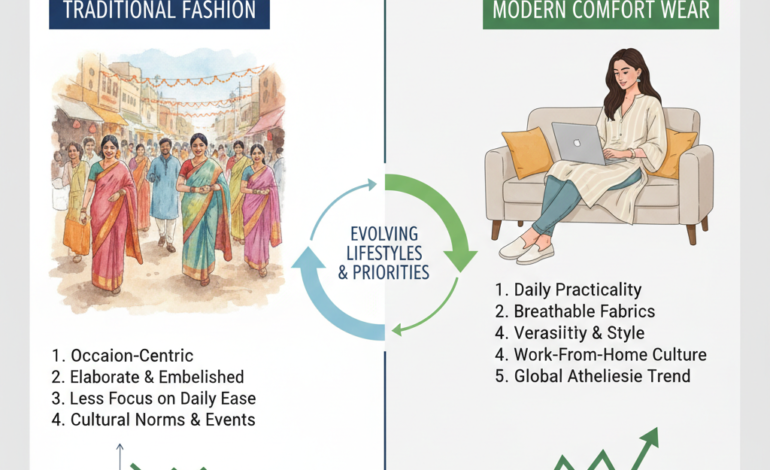

The Rise of Comfort Wear in India
In recent years, comfort wear has emerged as a dominant trend in the Indian fashion industry. This development can be attributed to a confluence of various factors notably influenced by changing consumer behaviors and evolving fashion sensibilities. With the onset of the COVID-19 pandemic, there has been a marked shift in the way consumers prioritize comfort over traditional style. As people transitioned to remote work and social distancing measures became commonplace, the demand for relaxed, comfortable clothing surged.
Additionally, the evolution of fashion sensibilities in India has also facilitated the rise of comfort wear. Millennials and Gen Z consumers, who constitute a significant portion of the market, are seeking clothing that aligns with their lifestyle and values. These consumers increasingly prefer versatile pieces that not only offer comfort but also allow for self-expression. The trend has seen the adoption of athleisure and loungewear, reinforcing the notion that comfort need not compromise style. Comfortable materials such as cotton, linen, and blends are being favored for their breathability and ease of wear, enhancing the consumer’s overall experience.
Moreover, the impact of global fashion trends cannot be understated. Influences from international markets have permeated into Indian fashion, with global brands advocating the importance of comfort in everyday wear. As a result, many local designers have begun to incorporate elements of comfort wear into their collections. The acceptance of casual wear for various occasions has also been reinforced by celebrity endorsements and social media trends, making it a mainstream choice. Consequently, the emergence of comfort wear is not merely a passing fad but a substantive shift in consumer preferences that denotes a broader appreciation for functional yet stylish clothing.
Cultural Shift Towards Comfort
The Indian fashion landscape is witnessing a significant transformation, as cultural shifts increasingly favor comfort over conventional fashion norms. Traditionally, Indian attire has been characterized by elaborate designs and intricate craftsmanship. However, the modern lifestyle, marked by fast-paced living and evolving work environments, is reshaping these sartorial choices. The rise of remote work culture, accelerated by the global pandemic, has further emphasized the need for garments that prioritize comfort without compromising style.
Today, many individuals find themselves balancing professional responsibilities with the demands of personal life. As a result, the flexibility and versatility of comfortable clothing have become paramount. Garments such as joggers, oversized t-shirts, and relaxed-fit trousers are now not just confined to casual settings; they have seamlessly integrated into professional spaces. This evolution reflects a broader acceptance that comfort does not signify a lack of style, but rather a modern interpretation of fashion.
The growing influence of global fashion trends has also played a crucial role in this shift. International brands and online shopping platforms have made comfortable wear more accessible, allowing Indian consumers to explore a plethora of options that cater to their need for style without compromising on ease. Furthermore, this trend is supported by a keen awareness of health and well-being, as consumers recognize that comfortable clothing can contribute positively to their overall mental and physical wellness.
Ultimately, the cultural transition towards comfort wear in India encapsulates an alignment with modern lifestyles—reflecting practicality, flexibility, and a desire for self-expression. As fashion evolves, it appears that comfort is poised to remain a dominant force in the way Indians approach their wardrobe choices.
The Role of Technology in Comfort Wear
The evolution of comfort wear in India has significantly been influenced by advancements in textile technology. Innovations in fabric development have paved the way for clothing that prioritizes wearer comfort without compromising on style. One notable advancement includes the creation of breathable fabrics. These materials allow for better airflow, thus helping to regulate body temperature and reduce moisture retention, which is critical in the diverse climatic conditions found across India.
Another important innovation is moisture-wicking technology. Fabrics integrated with this feature have the capability to draw moisture away from the body, transferring it to the outer surface of the garment where it can evaporate more easily. This technology is particularly beneficial during warmer months or for individuals engaged in physical activities. It ensures that wearers remain dry and comfortable, enhancing overall performance and satisfaction.
Stretchable designs also play a pivotal role in the comfort wear phenomenon. The use of elastane and similar materials allows for greater ease of movement, making clothing more adaptable to various activities. This flexibility ensures that comfort wear is suitable for both leisurely and active lifestyles, catering to the preferences and needs of modern consumers.
Furthermore, advancements in fabric crafting techniques have resulted in garments that are soft to the touch and more lightweight, further elevating the comfort factor. Innovations like seamless constructions reduce friction and irritation, promoting a smoother wearing experience. As technology continues to evolve, the fashion industry is likely to see even more remarkable enhancements in comfort wear, further solidifying its place in contemporary wardrobes.
Influence of Social Media and Celebrities
In recent years, the fashion landscape in India has been significantly reshaped by social media platforms. Sites such as Instagram, Facebook, and TikTok have provided a stage for fashion influencers and celebrities to showcase their style choices, often embracing the comfort wear trend. This shift has notably attracted the attention of a younger demographic, eager to emulate the lifestyles of their favorite stars and influencers.
Bollywood celebrities, in particular, have played a pivotal role in popularizing comfort wear. Stars such as Deepika Padukone, Alia Bhatt, and Hrithik Roshan have frequently been spotted in relaxed silhouettes, prompting their fans to gravitate towards similar attires. These individuals are not merely engaging in casual wear; instead, they are redefining contemporary fashion by demonstrating that comfort can coexist with style and elegance. This combination of utility and chicness has created a strong appeal for comfort wear within the youth segment.
Fashion influencers, too, have leveraged their platforms to create a narrative around comfort wear, often showcasing combinations of athleisure, loungewear, and casual chic clothing. With an increase in lifestyle content, these influencers not only share styling tips but also provide recommendations on brands that prioritize comfort without compromising on aesthetics. Their credibility and relatability foster a sense of community, making the notion of comfort wear more desirable amongst their followers.
The influence of social media does not stop at individual endorsements; it extends to trends and challenges that proliferate across platforms, leading to viral sensations. For instance, the #OOTD (Outfit of the Day) trend has encouraged individuals to share their comfort wear ensembles, further cementing its place in the current fashion narrative. Thus, the synergy between social media and celebrity endorsement is undeniably shaping the comfort wear phenomenon in India, culminating in a style that resonates with the aspirations of the modern youth.
Economic Factors Influencing Attire Choices
The economic landscape in India has undergone significant transformations in recent years, particularly in the wake of the pandemic. This shift has influenced consumer behavior, notably in the realm of fashion. A notable aspect driving the appeal of comfort wear is its affordability. As more consumers become cautious with their spending habits, style combined with cost-effectiveness has emerged as a top priority. Brands offering stylish yet budget-friendly options in comfort wear have surged in popularity, making such choices readily accessible to a broader audience.
Local manufacturing has also played a crucial role in this evolving market. Many fashion brands have prioritized domestic production, which not only reduces costs associated with imports but also supports local economies. The emphasis on sustainability and ethical manufacturing practices resonates well with consumers who are increasingly aware of their purchasing decisions’ environmental impacts. This shift towards local artisans and manufacturers has further added to the variety of comfort wear available, allowing for unique designs that cater to diverse tastes.
Moreover, the increased accessibility of e-commerce platforms in India has revolutionized the shopping experience for many, particularly in smaller towns and cities. Consumers can now purchase comfort wear from the comfort of their homes, enjoying the convenience of online shopping paired with affordable prices. The rise in leisure spending post-pandemic has also contributed to this trend. As individuals adopt more casual lifestyles, with remote work becoming normalized, consumers are investing in comfort wear that aligns with their new routines.
Thus, various economic factors—affordability, local production, and increased accessibility—have collectively made comfort wear an attractive option in India’s fashion market, reflecting a broader societal shift toward valuing comfort alongside style.
Sustainability and Ethical Fashion
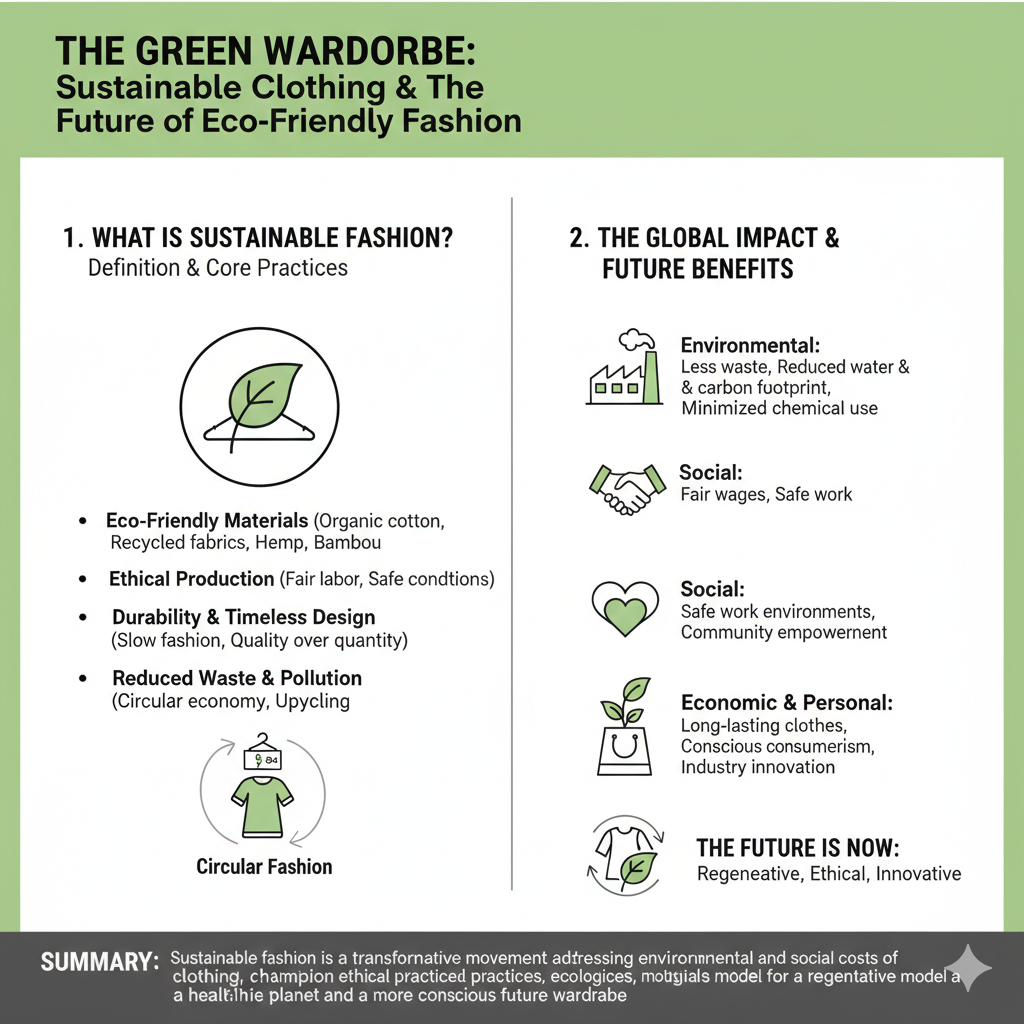
The rise of comfort wear in India is closely intertwined with the growing emphasis on sustainability and ethical fashion. As consumers become increasingly aware of the environmental and social implications of their purchasing decisions, many are gravitating towards clothing that not only provides physical comfort but also adheres to eco-friendly practices. This shift reflects a broader cultural movement that prioritizes sustainability over fast fashion.
Comfort wear, which typically prioritizes soft, breathable fabrics and versatile designs, lends itself well to sustainable fashion principles. Many brands are now focusing on using organic and recycled materials in their garments. This premium approach minimizes waste and pollution associated with traditional fabric production, while also ensuring that consumers feel good about their clothing choices. Utilizing sustainable materials, such as bamboo, organic cotton, and Tencel, significantly reduces the carbon footprint of garments, aligning with the eco-conscious ethos that is becoming more prevalent in consumer culture.
Furthermore, the increase of ethical fashion brands has been a significant factor in the comfort wear trend. Many of these brands operate with transparency, ensuring fair labor practices and responsible sourcing. Consumers can now select from a plethora of options that emphasize not only comfort but also ethics. This evolution has led to the emergence of labels dedicated to producing stylish and comfortable clothing without compromising ethical standards. Moreover, these brands often engage in practices such as limited production runs, which further reduce waste and promote a more sustainable model of consumption.
In conclusion, the relationship between comfort wear and the sustainability movement is a compelling intersection of fashion, ethics, and environmental responsibility. As more consumers embrace these values, the trend toward comfort and sustainability is likely to continue evolving, solidifying its place in the modern fashion landscape.
The Evolving Fashion Retail Landscape
In recent years, the Indian fashion retail landscape has experienced a significant transformation driven by the increasing demand for comfort wear. Retailers are now shifting their inventory strategies to align with the trend, recognizing that consumers prioritize comfort and functionality alongside style. This strategic adaptation has led to an expansion in the range of comfort wear products available, with retailers curating collections that prioritize breathable fabrics, relaxed silhouettes, and versatile designs suitable for various occasions.
The growth of online shopping has further accelerated the comfort wear trend in India. With the COVID-19 pandemic urging people to embrace more casual lifestyles, e-commerce platforms have witnessed a surge in the purchase of comfortable clothing. Retailers are leveraging this opportunity by enhancing their online shopping experience. They are investing in user-friendly websites, intuitive search functionalities, and detailed product descriptions to facilitate consumer decision-making. This has fostered a seamless browsing and buying experience, allowing customers to explore and find comfort wear that meets their needs anytime and anywhere.
Moreover, brands are actively engaging in marketing strategies that resonate with the evolving preferences of consumers. The narrative surrounding comfort wear has shifted towards emphasizing self-expression and well-being. Retailers often showcase their products in campaigns that reflect everyday scenarios, highlighting the practicality and comfort embedded in their designs. By adopting relatable marketing tactics, brands are not only appealing to the aesthetic desires of consumers but also addressing their desire for comfort in an increasingly fast-paced world. This alignment with consumer sentiment has positioned comfort wear as a dominant force in the Indian fashion retail landscape.
Global Comparisons: India vs. Other Markets
The trend of comfort wear has seen a remarkable rise globally, with varying degrees of acceptance and adaptation in different markets. In the United States, for example, the pandemic catalyzed a surge in loungewear and athleisure, reshaping not just personal wardrobes but also retail strategies. Brands have elevated casual wear, merging functionality with high fashion, thus creating an environment where comfort is synonymous with style.
In contrast, while comfort wear has also gained momentum in Europe, the approach tends to lean towards minimalism and classic styles. Scandinavian countries are particularly noted for their commitment to sustainable fashion, which includes an emphasis on comfort and simplicity. European consumers often prioritize quality and timelessness over the fast-paced trends seen elsewhere.
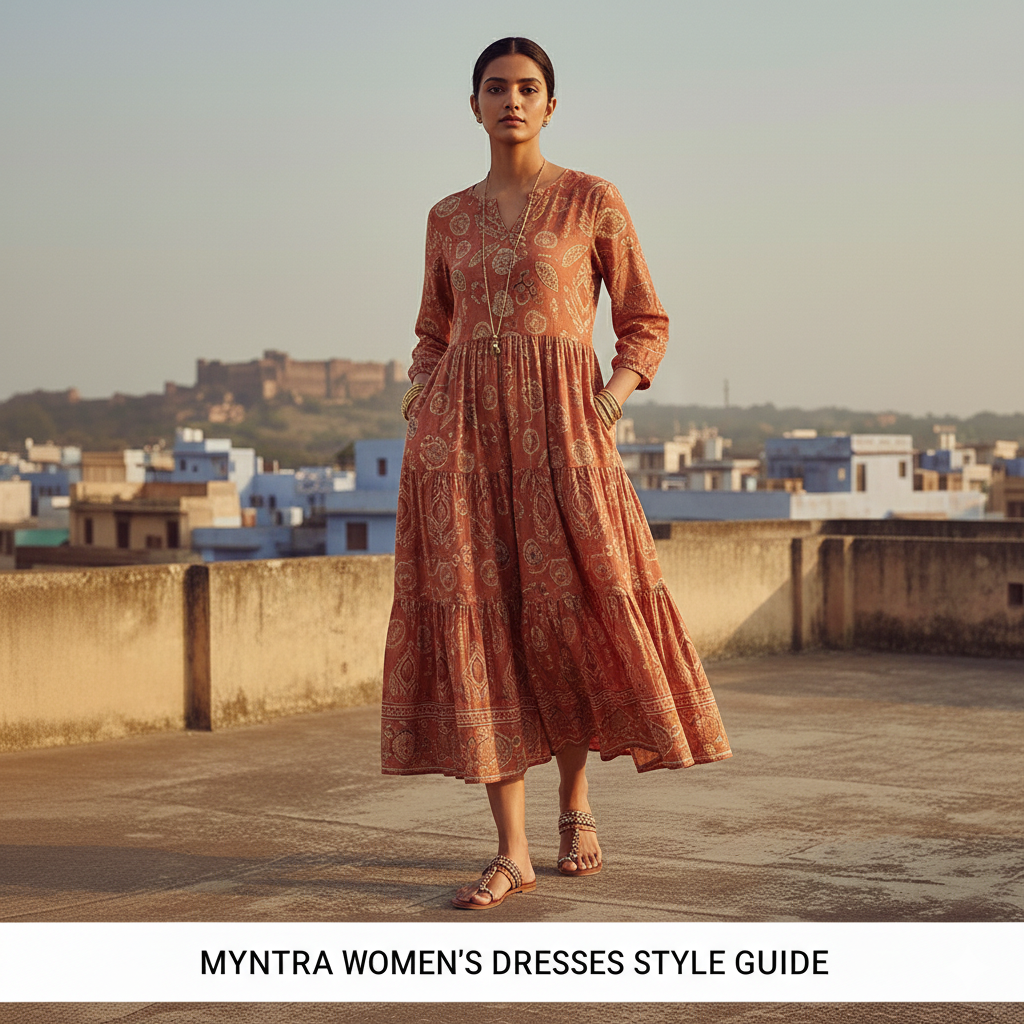
India, however, presents a unique landscape when it comes to comfort wear. Traditional attire, such as cotton kurtas and dhotis, has always offered inherent comfort, and this cultural inclination toward relaxed garments blends seamlessly with contemporary comfort wear trends. The Indian market is heavily influenced by local craftsmanship and sustainability, leading to a distinctive interpretation of comfort wear that is both fashion-forward and rooted in tradition.
Furthermore, the socio-economic factors in India play a significant role in shaping comfort wear preferences. A vast young population, increasingly inclined towards casual wear for both daily use and work-from-home settings, is driving this shift. Local designers are responding to these demands by introducing innovative blends of traditional textile techniques with modern comfort, setting India apart from global markets.
In conclusion, while comfort wear has captured the attention of fashion enthusiasts globally, India’s approach is distinctly characterized by a blend of traditional and contemporary influences, catering to a diverse consumer base while promoting sustainability and comfort.
Future of Comfort Wear in India
The future of comfort wear in India appears to be a promising avenue that aligns seamlessly with shifting consumer preferences and broader lifestyle changes. As the demand for clothing that prioritizes comfort grows, we can anticipate an evolution in fashion that seamlessly blends style with practicality. Trends emerging from this focus on comfort may include the integration of innovative materials that enhance wearability while still meeting modern aesthetic standards.
One potential trend is the rise of multifunctional outfits that cater to various aspects of daily life. For example, athleisure may continue to gain traction, enabling individuals to transition smoothly from gym workouts to casual social outings without the need for a complete change of attire. This versatility not only caters to the convenience sought by consumers but also supports an active lifestyle, which has become a cornerstone of contemporary culture.
Additionally, sustainability is likely to play a vital role in the evolution of comfort wear. With increased awareness around environmental issues, there is a growing preference for sustainable materials and ethical fashion practices. Brands that prioritize eco-friendly manufacturing processes and materials are expected to resonate well with conscious consumers, further embedding comfort wear into the future landscape of fashion.
Moreover, the rise of digital shopping platforms and advancements in technology, such as virtual fitting rooms, could revolutionize how consumers shop for comfort wear. This innovation allows for a more personalized shopping experience, enabling individuals to find their ideal fit and style from the comfort of their homes.
In conclusion, as comfort continues to dominate consumer choices in India, the fashion industry is poised for significant transformation. The focus on comfort will not only influence the types of clothing produced but will also shape the overall consumer experience in the coming years.