





Travel Safety Trends for International Tourists from the USA (What’s Changing)

For many Americans, packing a passport and heading overseas is a rite of passage. But the landscape of international travel has shifted dramatically in recent years. While the thrill of discovering a new culture remains unchanged, the approach to safety has evolved. Gone are the days when a hidden money belt and a printed map were the extent of your safety precautions.
Today, savvy travelers are navigating a complex web of health protocols, digital security risks, and shifting geopolitical climates. Understanding these new dynamics isn’t about fostering fear; it’s about empowering yourself to explore the world with confidence. Whether you’re planning a solo backpacking trip through Southeast Asia or a luxury cruise in the Mediterranean, staying ahead of travel safety trends is now as essential as booking your flight.
This guide explores the critical safety trends reshaping how US tourists experience the world, ensuring your next adventure is memorable for all the right reasons.
What Are Travel Safety Trends and Why They Matter?
Travel safety trends refer to the evolving patterns in risks, precautions, and technologies that impact tourist security globally. These aren’t static; they fluctuate based on technological advancements, global health events, and political climates. For international travel safety USA tourists need to understand, staying updated on these trends is no longer optional—it’s a critical component of trip planning.
Historically, safety advice focused largely on pickpockets or getting lost. Today, the conversation has expanded to include cybersecurity, health biosecurity, and real-time crisis management. Global events, from pandemics to sudden political unrest, have demonstrated how quickly a “safe” destination can change status. Recognizing these shifts allows travelers to adapt their behavior, choose safer destinations, and mitigate risks before they even leave the tarmac.
Why Travel Safety Is a Top Priority for USA Tourists
The modern American traveler is more risk-aware than ever before. Several factors drive this heightened focus on travel safety for Americans abroad.
First, health risks have taken center stage. The lingering impact of global health crises has made emergency preparedness a standard part of any itinerary. Travelers are now acutely aware of the need for robust medical infrastructure in their chosen destinations.
Second, political and social instability can flare up unexpectedly. From protests in major European capitals to shifting diplomatic relations, tourists must navigate a world where stability isn’t guaranteed. Being aware of local sentiments towards American tourists is a practical safety measure.
Finally, financial protection is paramount. International travel risks aren’t just physical; they are financial. The possibility of sudden cancellations, airline insolvencies, or medical evacuations means that protecting one’s investment is a top priority.
Health and Medical Safety Trends for International Travel
The intersection of health and travel has never been busier. One of the most significant shifts in travel health safety USA tourists are seeing is the digitization of health documentation. While vaccine passports may not be universally mandatory anymore, keeping digital records of your vaccination history and essential prescriptions is now standard practice.
Travel medical insurance adoption has skyrocketed. It is no longer seen as an “extra” but as a necessity. Policies are being scrutinized for their specific coverage regarding infectious diseases and quarantine costs. International travel medical insurance is now tailored to cover these modern realities, offering peace of mind that your standard domestic health plan likely cannot.
Another emerging trend is access to telemedicine. Travelers are increasingly relying on apps that connect them to US-based doctors or English-speaking medical professionals globally. This allows for quick consultations on minor ailments without navigating a foreign healthcare system, ensuring continuity of care regardless of location.
Digital Safety Trends for International Tourists
As we carry our lives on our smartphones, our digital footprint travels with us. Digital travel safety is a rapidly growing concern. Public Wi-Fi networks in airports, cafes, and hotels are prime hunting grounds for cybercriminals looking to steal personal data.
To combat this, the use of Virtual Private Networks (VPNs) has moved from niche tech circles to mainstream tourism. Travelers are also being advised to use “burner” phones or limit the sensitive data they carry on their primary devices in high-risk areas.
Cybersecurity extends to physical documents as well. Keeping cloud-based, encrypted digital copies of passports, visas, and IDs is a key trend. If physical documents are lost or stolen, having secure digital backups can expedite the replacement process at a US embassy.
Furthermore, travel safety apps USA tourists are downloading act as personal security guards. Apps like Smart Traveler (by the State Department) or third-party safety platforms provide real-time alerts about local incidents, natural disasters, or protests near your location.
Transportation and Accommodation Safety Trends
The gig economy has revolutionized how we move and sleep abroad, but it has also introduced new safety variables. When it comes to safe travel accommodation, “verified” is the keyword. Travelers are leaning heavily on platforms that offer robust identity verification for hosts and detailed, recent reviews regarding safety features like smoke detectors and secure locks.
Transportation safety abroad is also seeing a tech upgrade. Ride-sharing apps are often preferred over hailing street taxis in many countries because they provide a digital trail of the journey, driver details, and the ability to share your ride progress with friends or family.
Contactless technology continues to be a major trend for both convenience and safety. Contactless check-ins at hotels and tap-to-pay for transport minimize physical interactions and reduce the risk of card skimming—a common issue in many tourist hubs.
Destination Risk Awareness and Smart Planning
Choosing where to go is now a more calculated decision. Tourists are relying heavily on government travel advisories to gauge the safety level of potential destinations. The US State Department’s classification system (Levels 1-4) is a primary resource for assessing risk.
Real-time safety updates are crucial. A destination might be generally safe, but specific neighborhoods or regions could be high-risk zones due to crime or civil unrest. Savvy travelers are using hyperlocal news sources and forums to get the “on-the-ground” perspective that broad advisories might miss.
For those seeking the safest international destinations, the trend is shifting towards countries with stable governments, robust healthcare systems, and low crime rates. “Smart planning” now involves having an exit strategy and knowing the location of the nearest US embassy or consulate.
Solo Travel and Personal Safety Trends
Solo travel is booming, particularly among women, leading to a surge in specialized safety resources. Solo travel safety USA trends emphasize connectivity and preparation. Solo travelers are utilizing location-sharing apps to keep trusted contacts informed of their whereabouts 24/7.
Women travel safety trends are influencing the industry significantly. We are seeing a rise in “women-only” floors in hotels, female-only tour groups, and transportation services driven by women. These options provide an added layer of security and comfort.
While independent travel offers freedom, there is a renewed interest in small group tours. These offer a “safety in numbers” approach while still allowing for authentic experiences. They provide a buffer against the logistical challenges and safety concerns that can accompany solo travel in unfamiliar regions.
Travel Insurance and Financial Safety Trends
The “it won’t happen to me” mentality is fading. Travel insurance trends USA data shows a shift toward comprehensive “Cancel for Any Reason” (CFAR) policies. Travelers want the flexibility to back out if a situation feels unsafe, even if there isn’t an official ban.
Financial safety while traveling is also evolving. Cash is becoming less necessary in many parts of the world, which is a positive trend for safety. Carrying large wads of cash makes tourists a target. Instead, the trend is toward multi-currency travel cards and mobile wallets (like Apple Pay or Google Pay).
However, fraud prevention remains critical. Travelers are setting up transaction alerts on their banking apps to instantly spot unauthorized charges. They are also bringing backup credit cards kept in a separate location from their primary wallet, ensuring they aren’t stranded without funds if a theft occurs.
Common Travel Safety Mistakes Tourists Still Make
Despite all the tools available, human error remains the biggest risk factor. One of the most persistent travel safety mistakes is ignoring local laws and customs. What is legal or socially acceptable in the US might be a serious offense elsewhere. Ignorance of the law is rarely a valid defense.
Over-reliance on technology is another trap. Phones die, get stolen, or lose signal. Travelers who don’t have a basic grasp of the local language or a printed map can find themselves stranded and vulnerable.
Finally, skipping insurance and backups is a gamble that rarely pays off. Thinking your domestic health insurance covers you abroad is a common misconception that can lead to financial ruin in the event of a medical emergency. International travel tips USA experts constantly reiterate: if you can’t afford travel insurance, you can’t afford to travel.
How USA Tourists Can Stay Safe While Traveling Internationally
Staying safe requires a blend of preparation and situational awareness.
Pre-trip safety checklist:
- Enroll in the STEP (Smart Traveler Enrollment Program) to receive alerts and make it easier for the US government to locate you in an emergency.
- Research the local emergency numbers (911 is not universal).
- Scan all important documents and store them securely online.
- Consult a travel doctor at least 4-6 weeks before departure.
On-trip awareness habits:
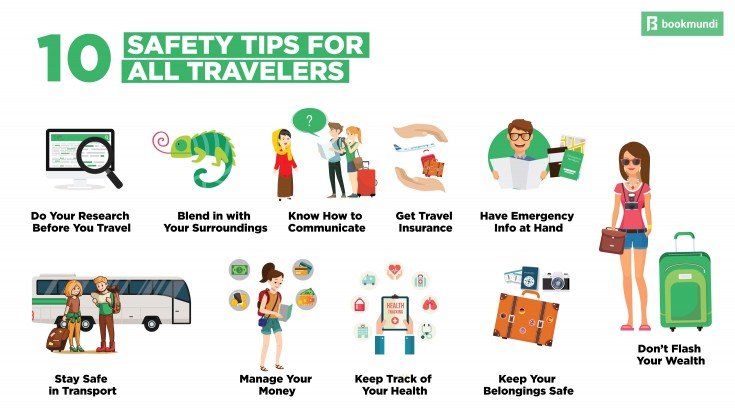
- Dress to blend in; avoid wearing flashy jewelry or clothing that screams “tourist.”
- Stay sober and alert; excessive alcohol consumption is a leading contributor to tourist accidents and crimes.
- Trust your gut; if a situation or a person feels “off,” remove yourself immediately.
Emergency contacts and planning:
- Keep a physical card with the address of your accommodation and the nearest US embassy in the local language.
- Establish a check-in routine with someone back home.
Following these international travel safety tips USA citizens can drastically reduce their risk profile while abroad.
Frequently Asked Questions (FAQ)
Is international travel safe for USA tourists right now?
Generally, yes, international travel is safe, but “safe” is relative and destination-specific. Risk levels vary wildly between countries and even within cities. By consulting current State Department advisories and exercising normal precautions, millions of Americans travel abroad safely every year. It is about managed risk, not zero risk.
What safety apps should international travelers use?
Every traveler should have the Smart Traveler app (official US State Dept app). Sitata or GeoSure offer real-time safety alerts and neighborhood safety scores. For communication, WhatsApp is essential globally. Google Maps (with offline maps downloaded) ensures you can navigate even without data.
Is travel insurance really necessary for international trips?
Absolutely. Most US health insurance plans do not provide coverage overseas, and Medicare provides zero coverage outside the 50 states. Medical evacuations can cost over $100,000. Travel insurance protects you from bankrupting medical bills, as well as trip cancellations and lost luggage.
How can tourists avoid scams abroad?
Research common scams for your specific destination before you go. Be wary of overly friendly strangers offering unsolicited help or “free” gifts. Always agree on a taxi fare before getting in (or use a ride-share app). Keep your belongings close and never leave drinks unattended.
Are certain destinations safer for first-time international travelers?
Yes. English-speaking countries (like the UK, Ireland, Australia) or countries with highly developed tourism infrastructure (like Japan, Iceland, or Scandinavian nations) are often considered easier and safer for first-time travelers. They typically have low crime rates and reliable public services.
Final Thoughts on Travel Safety Trends
The world is opening back up, and the desire to explore is stronger than ever. But as we pack our bags, we must also pack a healthy dose of awareness. Travel safety trends aren’t about restricting your freedom; they are about giving you the tools to navigate an unpredictable world.
Safety planning is part of smart travel. By embracing digital tools, securing proper insurance, and staying informed about global shifts, you transform from a passive tourist into a proactive traveler. Awareness reduces risk significantly, ensuring that your memories are defined by the breathtaking sights you saw, not the problems you encountered.
So, book that ticket, plan that itinerary, and go explore—safely.