





Travel Chaos 2026: How to Navigate 15,000+ Flight Cancellations and I-95 Disruptions
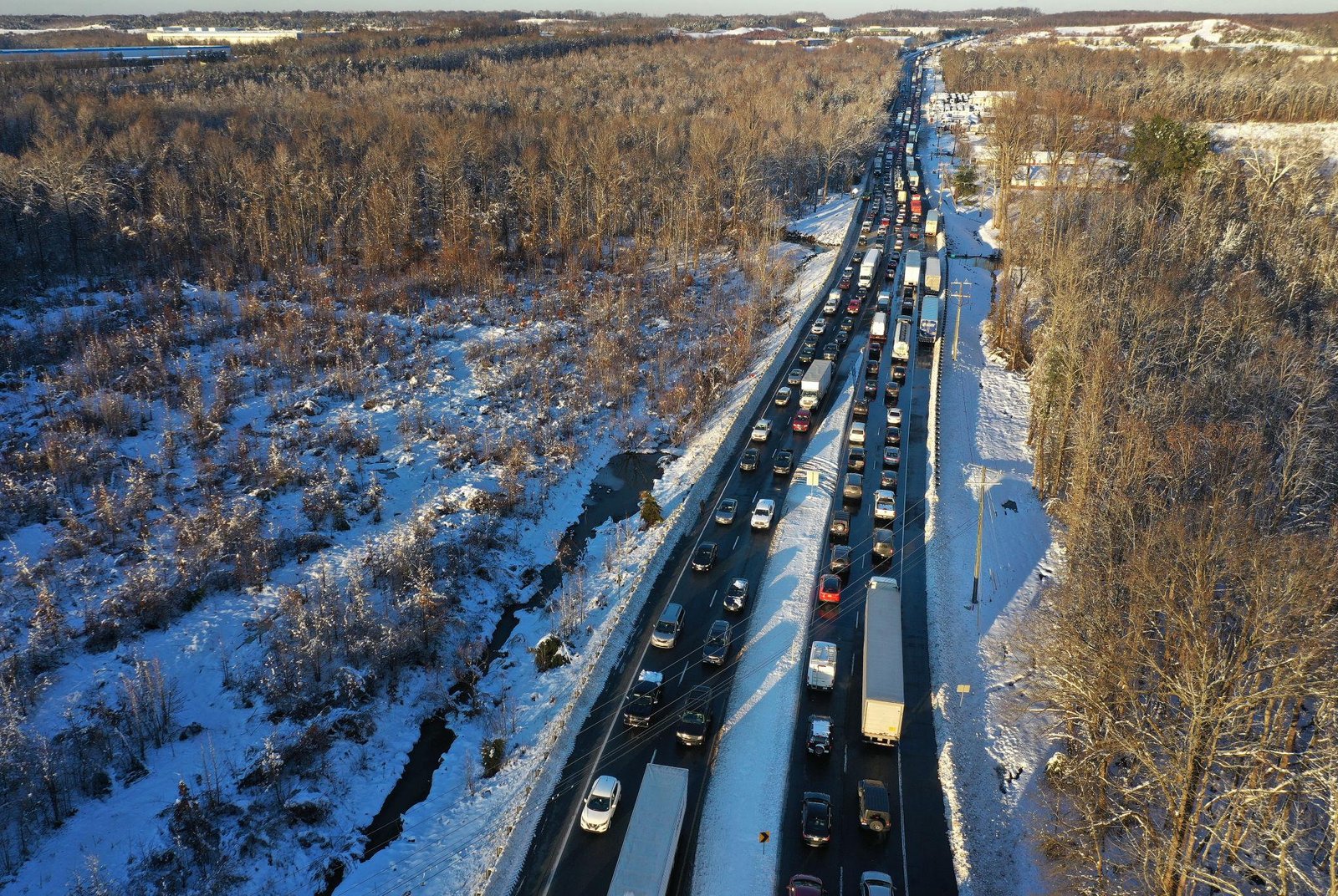

If you are looking at a departure board filled with red text right now, you aren’t alone. The travel chaos of 2026 has officially arrived, leaving thousands of passengers stranded and turning major highways into parking lots. A perfect storm—literally and figuratively—has descended upon the East Coast, triggering over 15,000 flight cancellations and bringing the I-95 corridor to a standstill.
Travel disruptions of this magnitude are rare, but when they happen, they test the limits of infrastructure and traveler patience alike. Whether you are trying to get home to family, rushing to a critical business meeting, or moving freight across state lines, the current situation requires more than just hope—it requires strategy.
Understanding why this is happening and knowing how to pivot is the key to salvaging your itinerary. This guide breaks down the driving forces behind the chaos, explains why the numbers are so high, and offers concrete steps you can take to navigate the mess safely and efficiently.
What’s Driving Travel Chaos in 2026
The headlines are alarming, but the root cause is a combination of meteorology and logistics. This isn’t just about a single airport closing; it is a systemic freeze affecting the entire transportation grid.
Severe winter storms and ice
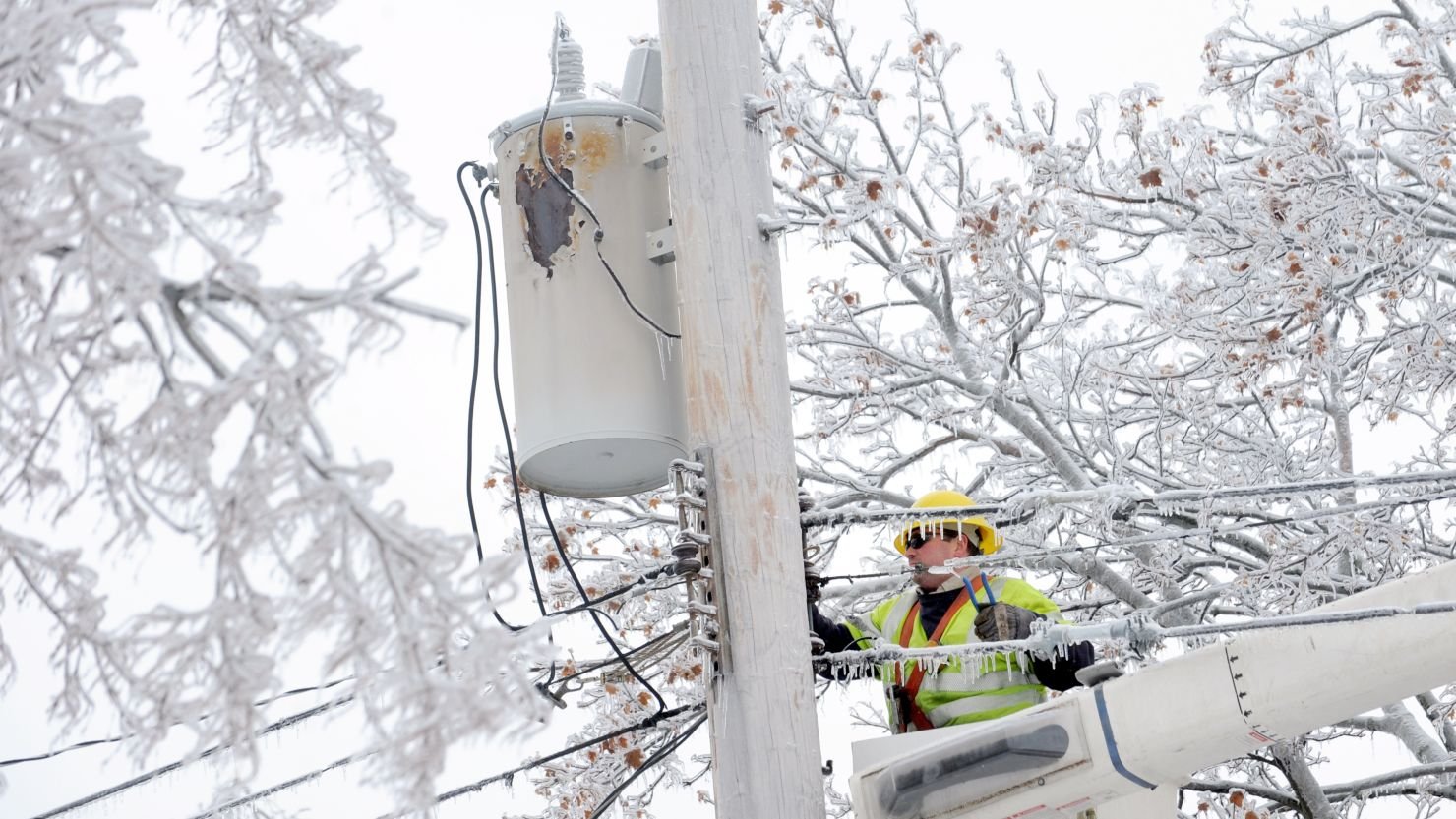
The primary catalyst is a massive winter system tracking across the Midwest and Northeast. Unlike typical snowstorms, this system has brought significant ice accumulation. Ice is the enemy of aviation and road travel alike. It grounds planes instantly due to de-icing limitations and turns highways into hazardous skating rinks. The sheer volume of precipitation has overwhelmed municipal clearing crews, leaving tarmac and asphalt unusable for hours at a time.
Airline network ripple effects
When a major storm hits key hubs like Chicago, New York, or Atlanta, the pain isn’t contained to those cities. Airlines operate on tight schedules where aircraft and crews are constantly rotating. A plane stuck in Boston can’t fly its next leg from Miami to Dallas. This displacement creates a ripple effect, causing cancellations in sunny destinations that aren’t seeing a single snowflake.
Road conditions across the East Coast
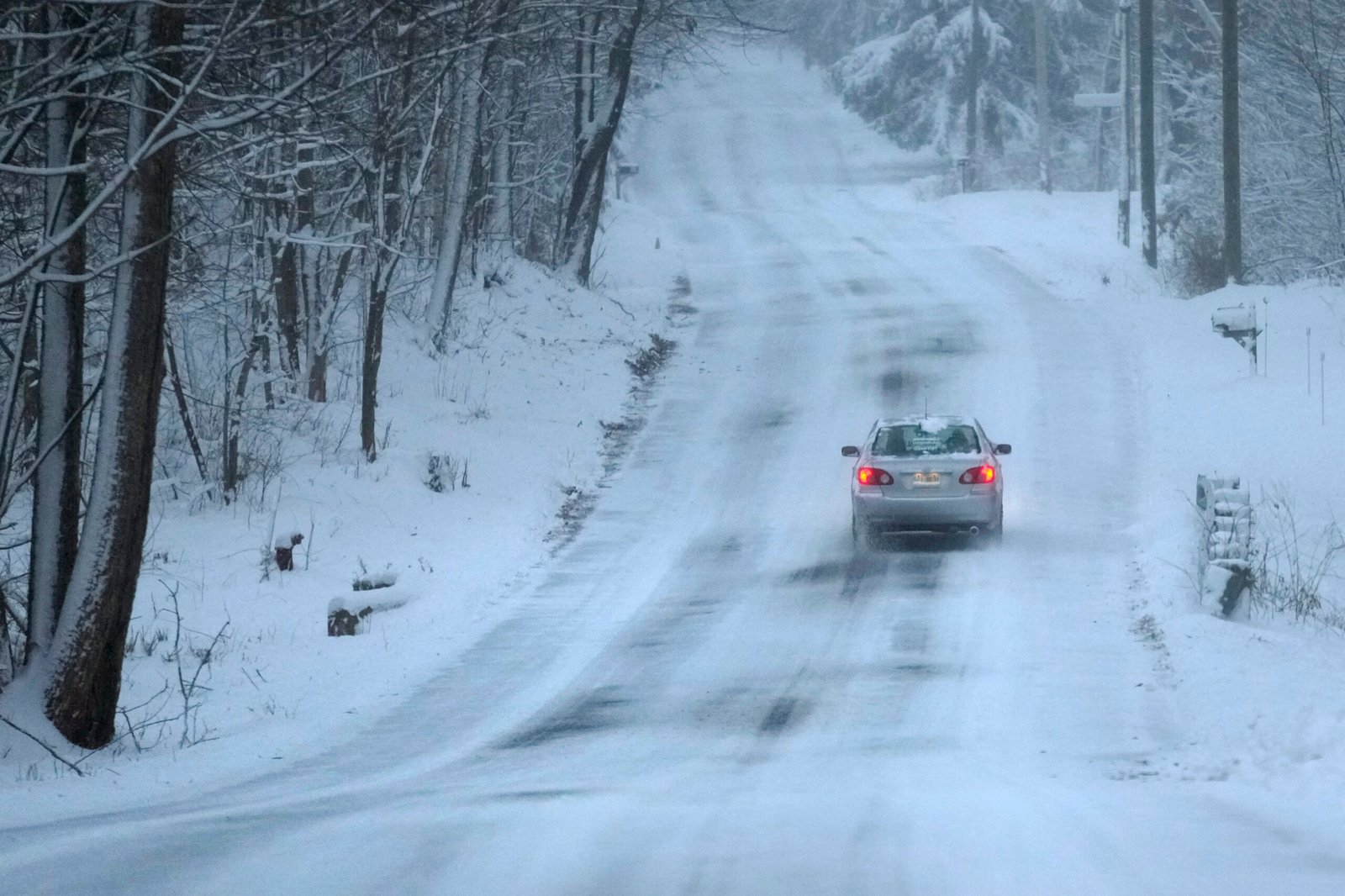
The chaos isn’t limited to the skies. On the ground, plummeting temperatures have flashed-frozen wet roads. Department of Transportation (DOT) crews are struggling to keep up with salting and sanding operations. As a result, major arteries are seeing reduced speeds, lane closures, and frequent accidents, compounding the delays for anyone trying to drive their way out of a cancelled flight.
The Scale of Flight Cancellations Explained
Seeing 15,000+ flight cancellations is shocking, even for seasoned travelers. To understand why the number is so high, you have to look at how modern airline logistics work.
Why cancellations snowball across hubs
Airlines utilize a “hub-and-spoke” model. When a hub shuts down, thousands of connecting flights are severed. If Newark and O’Hare—two of the busiest hubs in the world—are impacted simultaneously, the network fractures. The system simply cannot absorb the displacement of that many passengers and aircraft at once.
Crew positioning and aircraft rotations
Often, the plane is ready, but the crew is not. Pilots and flight attendants have strict federal limits on how many hours they can work. If a crew gets stuck on a tarmac delay for three hours, they might “time out,” meaning they legally cannot fly the plane. They are now out of position for their next flight, forcing the airline to scramble for reserves that may also be stranded elsewhere.
Delays vs outright cancellations
Airlines initially try to delay flights in hopes the weather clears. However, once the delay pushes a crew over their time limit or pushes the arrival into a curfew at the destination airport, the flight is canceled. During events like the 2026 storm, airlines move to “pre-emptive cancellations,” scrubbing flights days in advance to reset the system rather than leaving thousands of passengers stranded at the gate.
Airports and Regions Most Affected
While the impact is nationwide, the epicenter of the disruption is firmly planted in the Northeast and Mid-Atlantic regions.
Northeast and Mid-Atlantic bottlenecks
The corridor from Washington D.C. to Boston is the busiest airspace in the country. Airports like JFK, LaGuardia, Newark, Philadelphia, and Logan are currently seeing cancellation rates upwards of 60%. These airports are tightly clustered, meaning bad weather hits them all simultaneously, leaving no diversion options nearby.
Hub-and-spoke vulnerabilities
Because these airports are major international gateways, the bottleneck prevents long-haul traffic from leaving or entering the country. Additionally, feeder flights from smaller regional airports cannot land, effectively isolating smaller communities in New England and Pennsylvania.
Knock-on delays nationwide
If you are in Phoenix or Los Angeles, you might wonder why your flight is delayed. It is likely because your incoming aircraft is stuck in the Northeast freeze. This phenomenon, known as knock-on delays, spreads the pain of a regional storm to the entire country, affecting flight schedules from coast to coast.
Why the I-95 Corridor Is a Critical Chokepoint
I-95 is the main artery of the East Coast, stretching from Maine to Florida. When it chokes, the entire region gasps.
Snow, ice, and accident risk
The current storm track runs parallel to I-95, dumping a mix of snow and freezing rain directly on the interstate. The result is a high volume of accidents, ranging from minor fender benders to major tractor-trailer jackknives. A single accident on a snow-narrowed highway can cause backups that last for hours.
Freight and commuter congestion
I-95 isn’t just for road trippers; it is the backbone of East Coast supply chains. When trucks stop moving, grocery stores and factories feel the impact immediately. Add in the thousands of travelers attempting to drive because their flights were canceled, and you have a recipe for gridlock.
Limited detour capacity
Unlike the Midwest, where grid systems offer multiple alternates, the East Coast geography (rivers, bays, and dense urbanization) limits detour options. If I-95 shuts down, traffic is forced onto smaller highways like Route 1, which are ill-equipped to handle the overflow, leading to total regional paralysis.
Air vs Ground Travel — Which Is the Better Option?
Faced with a canceled flight, the instinct is often to rent a car and drive. In this specific scenario, that might be a mistake.
When to fly, drive, or delay
If your trip is under 300 miles, driving might be feasible if you have a vehicle capable of handling winter conditions. However, for longer distances, driving into the teeth of an ice storm is dangerous and likely slower than waiting for a rebooked flight. The best option during the 2026 chaos? Delay. If you can push your trip by 48 hours, stay home.
Rail alternatives and limitations
Amtrak is often the savior of the Northeast Corridor. Trains handle snow better than planes or cars. However, they are not immune to frozen switches or overhead wire issues. During peak disruptions, trains sell out instantly. If you can get a ticket, rail is generally the most reliable option, but expect standing-room-only conditions and potential delays.
Cost, time, and safety trade-offs
Flying is currently a gamble with time. Driving is a gamble with safety. Assessing your risk tolerance is crucial. Is the meeting worth risking a spin-out on an icy bridge? Is the vacation worth spending two days sleeping on an airport floor? Often, the safest and most economical choice is to cancel and claim a travel credit.
Smart Rebooking and Refund Strategies
If you must travel, you need to know how to navigate the airline’s bureaucracy.
Waivers, credits, and flexible fares
Most major airlines have issued travel waivers for the 2026 winter storms. This means you can change your flight without penalty. Do not wait for the airline to rebook you automatically—proactively look for alternative routes. If the airline cancels your flight, you are entitled to a full cash refund, even if you bought a non-refundable ticket. Do not settle for a voucher if you simply want your money back.
How to get reprotected faster
When a flight is canceled, thousands of people call customer service at once. Avoid the phone lines. Use the airline’s self-service tools on their website. Alternatively, reach out via social media (X/Twitter is often faster than phone support) or go to a help desk in the terminal—but not the main one. Find a gate agent at an empty gate; they can often help you faster than the main service center.
Using apps vs agents
Your airline’s app is your best friend. It allows you to rebook, see incoming plane locations, and track bag status. However, apps have limitations. If you have a complex itinerary involving partner airlines, you will likely need to speak to a human agent.
Real-Time Tools Travelers Should Use
Information is power. Don’t rely solely on airport monitors, which often lag behind reality.
Flight and road tracking apps
Download FlightAware or FlightRadar24. These apps show you where your incoming plane actually is, not where the airline says it is. If your plane is still in London and you are in New York expecting to leave in an hour, you know a delay is coming before the airline announces it. For drivers, Waze provides real-time user reports on icy patches and accidents.
Weather alerts and DOT feeds
State DOT 511 websites offer live camera feeds of road conditions. Checking a camera five miles ahead can save you from driving into a parking lot. Weather apps with radar overlays help you time your departure between squalls.
Push notifications that matter
Enable push notifications for your airline app, but also for third-party travel organizers like TripIt. They often alert you to gate changes and cancellations faster than the airline’s own systems.
Road Safety Tips for I-95 and Surrounding Routes
If you brave the roads, preparation is non-negotiable.
Best times to travel (or not)
Avoid driving at night. Black ice is invisible, and temperatures are at their lowest. The safest window is usually mid-day when the sun (even behind clouds) helps treat the road surface and visibility is highest.
Winter driving essentials
Your trunk should contain: a blanket, non-perishable food, water, a flashlight, a portable phone charger, and a shovel. Keep your gas tank at least half full. In a massive traffic jam, you need fuel to keep the engine running for heat.
What to do if stranded
If you slide off the road or get stuck in a standstill, stay in your vehicle. It is your best shelter. Run the engine for 10 minutes every hour for heat, but ensure the exhaust pipe is clear of snow to prevent carbon monoxide poisoning.
Business, Freight, and Economic Impacts
The cost of this disruption goes beyond frustration; it hits the economy hard.
Missed meetings and supply delays
Virtual meetings save the day for office workers, but manufacturing and retail depend on physical goods. The I-95 freeze means shelves will be empty and production lines may stall due to missing components. Just-in-time delivery models are particularly vulnerable to multi-day weather events.
Costs of prolonged disruptions
Economists estimate that a storm of this magnitude costs the economy billions in lost productivity, airline revenue, and increased logistics expenses. Small businesses relying on shipments may face cash flow crunches.
Recovery timelines
Freight recovery takes longer than passenger recovery. Once the roads clear, there is a backlog of thousands of trucks waiting to move. It may take a week or more for supply chains to normalize after the snow melts.
How Long Will the Chaos Last?
The million-dollar question: When will it end?
Weather clearing vs backlog recovery
Just because the sun comes out doesn’t mean planes fly instantly. The weather might clear on Tuesday, but the chaos can last until Friday. Airlines need to move crews and aircraft back into position, which takes time.
Crew and aircraft repositioning
This is the “logistical hangover.” Airlines have to fly empty planes to stranded crews or fly crews to stranded planes. This complex chess game limits the number of revenue flights they can operate during the recovery phase.
Typical normalization windows
Historically, it takes airlines 48 to 72 hours to fully recover from a major hub closure. If the storm hits on a weekend, expect disruptions to bleed well into the workweek.
Common Traveler Mistakes to Avoid
Panic leads to bad decisions. Avoid these pitfalls to reduce your stress.
Rushing to the airport without confirmation
Never go to the airport hoping for a standby seat during a mass cancellation event unless your app confirms you have a chance. You will likely end up stuck in the terminal with thousands of others.
Ignoring ground-transport backups
Don’t assume your Uber or taxi can get to the airport terminal easily. Traffic jams around airports during storms are legendary. Leave twice as much time as usual to get to the gate.
Overlooking hotel and meal protections
If the cancellation is within the airline’s control (crew availability), they owe you a hotel. If it is weather (force majeure), they don’t. However, many credit cards offer travel trip delay insurance that covers hotels and meals regardless of the cause. Check your card benefits before paying out of pocket.
Frequently Asked Questions (FAQ)
Should I cancel my trip during widespread disruptions?
If your travel isn’t essential, yes. The stress and potential for getting stranded usually outweigh the benefits of the trip. Most airlines are offering waivers, so you can rebook for a later date without penalty.
Will airlines automatically rebook canceled flights?
Yes, usually automated systems will book you on the next available flight. However, “next available” might be three days later. It is always better to proactively search for seats yourself and present those options to an agent.
Are trains a reliable alternative during winter storms?
Generally, yes. Trains are less susceptible to wind and ice than planes. However, during massive events, tracks can freeze, and overhead power lines can snap. Check Amtrak alerts before heading to the station.
How can I avoid getting stuck on I-95?
Use apps like Waze or Google Maps to monitor traffic speeds. If you see red lines stretching for miles, take an alternate route or wait it out. Ensure you have a full tank of gas before entering the corridor.
What compensation am I entitled to after cancellations?
For weather-related cancellations in the US, airlines are not legally required to provide cash compensation for the inconvenience. They must refund the ticket if you choose not to fly. If the cancellation is due to airline maintenance or crew issues, you may be entitled to vouchers or hotels, depending on the airline’s specific policy.
Final Thoughts — Stay Flexible, Stay Informed
Navigating the travel chaos of 2026 requires a shift in mindset. You cannot force the system to work when it is broken. Success lies in flexibility—being willing to change dates, switch airports, or cancel entirely.
Information is your safety net. By using tracking apps, understanding your rights, and monitoring weather patterns, you regain a sense of control. The storm will pass, the ice will melt, and the planes will fly again. Until then, patience is the most valuable item in your carry-on.