




Top Healthy Food Trends in the USA for 2026


Remember the days when “diet food” meant sad rice cakes and fat-free everything? Thankfully, those days are long gone. The American approach to healthy eating has undergone a massive shift, moving away from strict deprivation and toward something much more sustainable: nourishment.
As we look toward 2026, the food landscape in the United States feels different. It’s less about cutting things out and more about what we’re adding in. We are seeing a collective desire for food that works harder for us—meals that boost our energy, support our long-term health, and, crucially, still taste good. The conversation has moved from calorie counting to nutrient density, from restrictive dieting to metabolic health.
Whether you’re a busy parent trying to get more veggies into your kids, a Gen Z fitness enthusiast, or someone just looking to feel a little better day-to-day, the trends shaping 2026 offer something for everyone. Let’s explore what’s filling grocery carts across the country and how these shifts are changing the way America eats.
Why Healthy Food Trends Matter in 2026
It’s easy to dismiss food trends as fleeting fads—like the grapefruit diet or the cabbage soup craze of decades past. But what we are seeing in 2026 isn’t a fad; it’s a fundamental restructuring of values.
Rising health awareness in the USA is a major driver. After years of navigating global health challenges, Americans are more proactive about their well-being than ever before. We aren’t waiting to get sick to think about our health; we are eating to prevent it. This shift toward preventive nutrition means people are looking at food as a tool. It’s about longevity, vitality, and feeling capable in our daily lives.
Lifestyle-driven diets are also taking center stage. Work-from-home culture, busy family schedules, and an increased focus on mental health have all influenced what we eat. We want food that fits our lives, not a diet that forces us to rearrange our entire existence.
What Defines a “Healthy Food Trend” in 2026?
So, what actually counts as “healthy” right now? The definition has evolved.
First and foremost, it’s about nutrient density over restriction. The era of fearing macronutrients—like fearing all carbs or all fats—is fading. Instead, the focus is on quality. Is this bread full of fiber and seeds? Is this fat source providing omega-3s? It’s a positive nutrition approach where the goal is to flood the body with good stuff rather than just avoiding the “bad.”
Secondly, we are demanding convenience without ultra-processing. Americans are busy. We love convenience. But we are no longer willing to sacrifice our health for it. The demand is for quick meals and snacks that have ingredients we recognize. We want the ease of a microwave meal but the nutritional profile of a home-cooked dinner. This tension between speed and quality is driving massive innovation in the food industry.
Top Healthy Food Trends in the USA for 2026
From the coasts to the heartland, here are the specific trends dominating American plates this year.
Plant-Based and Flexitarian Eating
The “all or nothing” approach to veganism has softened into something much more approachable: the flexitarian diet. In 2026, it’s not about labeling yourself; it’s about balance.
Reduced meat, not elimination: Many Americans are simply eating less meat. Maybe they do “Meatless Mondays” or choose a veggie burger for lunch and steak for dinner. The goal isn’t necessarily to become a full-time vegetarian but to incorporate more plants for health and environmental reasons.
Better plant protein options: The first wave of plant-based meats was all about mimicking fast food. Now, consumers want plant proteins that are actually healthy. We’re seeing a return to whole-food plant proteins like lentils, chickpeas, and edamame, as well as highly nutritious, less processed alternatives made from mushrooms, walnuts, and pea protein that don’t rely on long lists of artificial binders.
Gut Health–Focused Foods
If 2020 was the year of immunity, 2026 is the year of the gut. We now understand that our gut health influences everything from our digestion to our mood and immune system.
Probiotics and prebiotics: It’s not just about yogurt anymore. You’ll find probiotics added to oatmeal, granola bars, and even peanut butter. But equally important are prebiotics—the fibers that feed the good bacteria. Foods naturally rich in prebiotics, like garlic, onions, bananas, and asparagus, are being highlighted more on menus and packaging.
Fermented foods popularity: The American palate has embraced the tang. Kimchi, sauerkraut, kefir, and kombucha have moved from niche health food stores to the shelves of Walmart and Kroger. These fermented powerhouses are celebrated for their natural ability to support microbiome diversity.
High-Protein, Balanced Nutrition
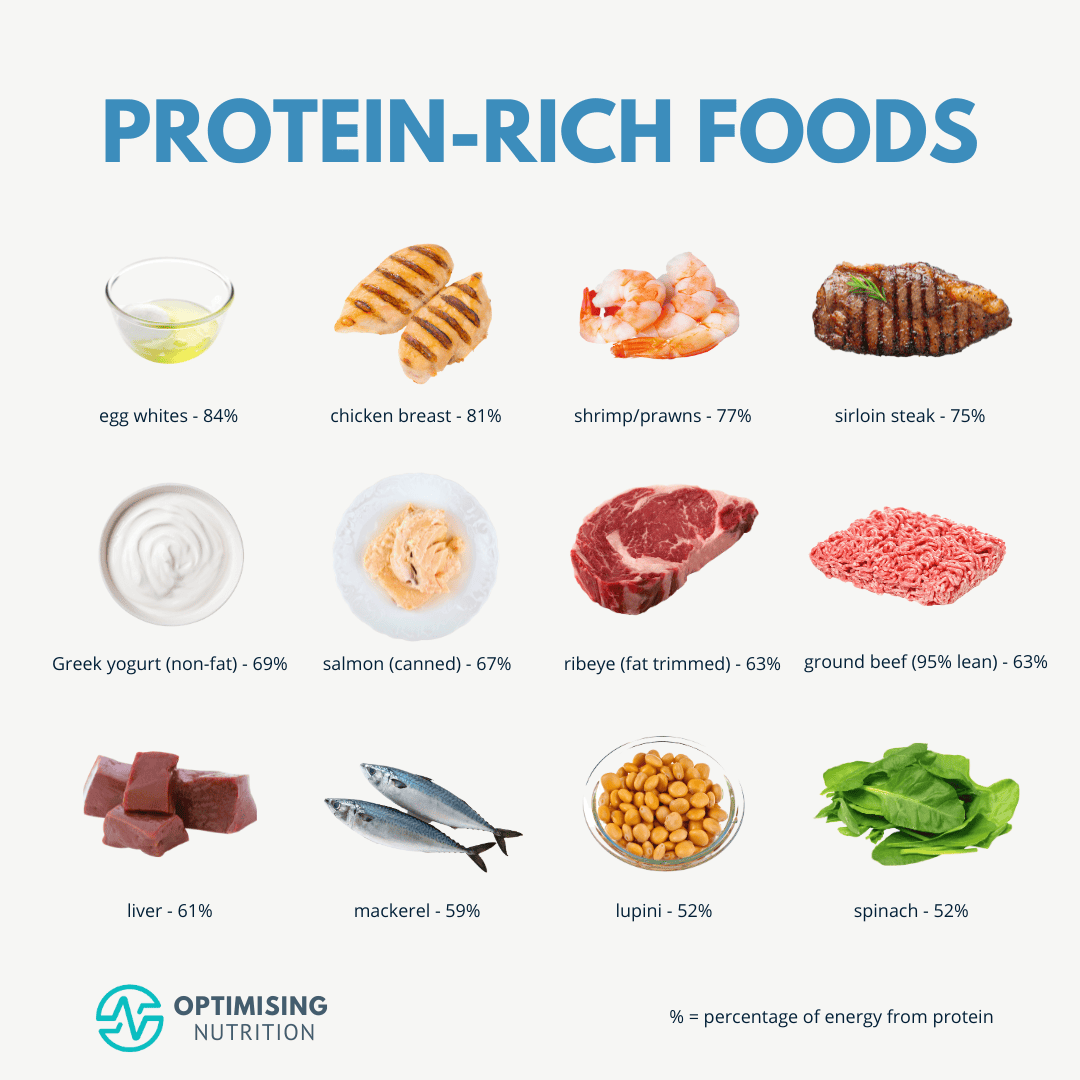
Protein is having a major moment. It’s the macronutrient of choice for satiety, muscle maintenance, and blood sugar management.
Protein-forward meals: You’ll see “high protein” stamped on everything from pasta to pancake mix. But unlike the bodybuilder trends of the past, this is aimed at the everyday person who just wants to stay full until lunch.
Clean protein sources: Quality matters. People are looking for grass-fed beef, pasture-raised eggs, and wild-caught fish. There is a growing skepticism of highly processed protein bars laden with sugar alcohols. The preference is shifting toward whole food sources like cottage cheese, Greek yogurt, and lean meats.
Functional and Fortified Foods
Why eat normal pasta when you can eat pasta that helps you focus? Functional foods are ingredients that offer benefits beyond basic nutrition.
Foods with added health benefits: We are seeing mushrooms like Lion’s Mane added to coffee for brain health, turmeric in crackers for inflammation, and collagen in water for joint support.
Focus on immunity, energy, and focus: The modern American is tired and distracted. Food companies know this. Expect to see products specifically marketed to solve these problems—snacks for “sustained energy” (goodbye, sugar crash) and beverages for “calm focus” (hello, L-theanine).
Low-Sugar and Blood Sugar–Friendly Foods
The war on sugar continues, but the strategy has changed. It’s less about artificial sweeteners and more about metabolic stability.
Reduced added sugars: Consumers are flipping packages to check the “Added Sugars” line on the Nutrition Facts label. Brands are responding by using fruit purees, dates, or monk fruit to sweeten products without spiking insulin.
Stable energy and metabolic health: There is a growing awareness of glucose spikes. People are learning that eating a sugary breakfast leads to a mid-morning crash. This has led to a rise in savory breakfasts and snacks designed to keep blood sugar levels stable throughout the day.
Clean Label and Minimal Ingredients
Trust is a huge currency in 2026. After years of complicated ingredient lists, Americans just want to know what they are eating.
Transparency and simple formulations: The “Clean Label” movement pushes for ingredient lists that are short and understandable. If a consumer can’t pronounce it or doesn’t find it in their own kitchen pantry, they are less likely to buy it.
Fewer additives and preservatives: Brands are finding natural ways to preserve shelf life or are simply accepting shorter shelf lives in exchange for fresher products. This shift is pushing big food manufacturers to reformulate classic products to remove artificial dyes and flavors.
Whole Foods and Real Ingredients
In a reaction against the hyper-processed world, there is a strong “back to basics” current.
Less ultra-processed food: There is a growing consensus that ultra-processed foods (UPFs) are linked to various health issues. As a result, shoppers are steering their carts toward the perimeter of the grocery store—produce, meat, dairy—and buying fewer boxed meals with unrecognizable ingredients.
Back-to-basics cooking: High food prices and health concerns have reignited a love for cooking from scratch. But it’s “scratch cooking” for the modern era—simple, 20-minute meals using fresh ingredients, aided by air fryers and instant pots.
Healthy Snacking Trends
Snacking is practically an American pastime, but the snacks themselves are getting a glow-up. The days of mindless chip-eating are being replaced by “snacking with purpose.”
Protein and fiber-rich snacks: The holy grail of snacking in 2026 is the protein-fiber combo. Think roasted chickpeas, beef jerky, cheese and fruit pairings, or seed crackers with hummus. These snacks are designed to bridge the gap between meals without ruining your appetite or your energy levels.
Portion-controlled convenience: We still love grab-and-go. Single-serve packs of almonds, olives, and guacamole are thriving because they offer portion control and convenience simultaneously. It’s healthy eating made portable.
Beverage Trends Supporting Health
What’s in your cup is just as important as what’s on your plate.
Functional drinks: The beverage aisle is exploding with options. Prebiotic sodas (like Olipop or Poppi) have challenged traditional soda giants by offering the fizz without the massive sugar load. Electrolyte waters, adaptogenic teas, and protein coffees are everywhere.
Reduced sugary beverages: Traditional soda consumption continues to decline as people swap their colas for sparkling water or unsweetened iced tea. Even juice is being re-evaluated, with many opting for whole fruit instead to get the fiber along with the sweetness.
Role of Technology in Healthy Eating
Our phones are helping us eat better. Technology is bridging the gap between nutritional science and our daily choices.
Personalized nutrition apps: Generic diet advice is out; personalization is in. Apps now sync with wearable devices to tell you exactly how your body responds to certain foods. Do you need more iron? Is your sleep affecting your hunger hormones? AI-driven apps are acting as pocket nutritionists.
Smart tracking and food labels: Scanning a barcode to see a product’s “health score” is common practice. Apps like Yuka or specialized macro trackers help consumers cut through marketing jargon to see the nutritional reality of a product in seconds.
Who Is Driving Healthy Food Trends in the USA?
This shift isn’t coming from just one demographic; it’s a cross-generational movement.
Millennials and Gen Z: These younger generations are the loudest drivers. They care deeply about transparency, sustainability, and ethics. They are the ones reading labels, demanding plant-based options, and making gut health “cool” on TikTok.
Families and aging populations: On the other end of the spectrum, Baby Boomers are looking for foods that support longevity and mobility. Meanwhile, Millennial parents are gatekeepers for the next generation, refusing to buy the neon-colored sugary snacks they grew up on and opting for organic, lower-sugar options for their kids.
Challenges Facing Healthy Food Adoption
Despite the positive trends, barriers remain. It’s important to acknowledge that eating this way isn’t easy for everyone.
Cost and accessibility: Inflation has hit the grocery bill hard. Fresh produce and high-quality proteins are often more expensive than processed alternatives. For many American families, sticking to a budget means compromising on these trends. Food deserts also remain a critical issue, where access to fresh, healthy food is physically limited.
Marketing vs. real nutrition: “Healthwashing” is real. Just because a package says “natural” or “protein-packed” doesn’t mean it’s healthy. Navigating deceptive marketing requires a level of nutritional literacy that takes time and effort to acquire.
Are Healthy Food Trends Becoming the Norm?
The most exciting takeaway for 2026 is that these aren’t just trends anymore; they are becoming habits.
Shift from trends to habits: When a trend sticks around for five or six years—like the move toward lower sugar or cleaner labels—it stops being a trend and starts being the standard.
Long-term dietary changes: We are seeing a permanent adjustment in the American palate. Once you get used to drinking unsweetened sparkling water, regular soda tastes shockingly sweet. Once you get used to eating real sourdough bread, the white fluff in a plastic bag loses its appeal. These are long-term changes that will shape the market for decades to come.
FAQs – Healthy Food Trends in 2026
What is the biggest healthy food trend in 2026?
The biggest overarching trend is metabolic health. This includes managing blood sugar, prioritizing protein, and improving gut health. It’s a move away from weight loss as the sole goal and toward energy stability and disease prevention.
Are plant-based diets still growing in the USA?
Yes, but the definition has shifted. Strict veganism has plateaued, but flexitarianism (eating mostly plants with occasional meat) is growing rapidly. People are eating more vegetables and beans without necessarily giving up cheese or the occasional burger.
Is high-protein eating healthy long-term?
Generally, yes, provided the protein comes from high-quality sources. Protein is essential for muscle mass, which is crucial for aging well. The concern arises only if someone relies exclusively on processed meats (like bacon and sausage) rather than lean meats, fish, eggs, dairy, and plant proteins.
Are functional foods really beneficial?
They can be, but they aren’t magic bullets. A turmeric latte won’t fix a poor diet, but it can be a healthy addition to a balanced lifestyle. It’s always better to prioritize whole foods first and use functional foods as a supplement.
How can I follow healthy food trends affordably?
Stick to the basics. Canned beans, frozen vegetables, brown rice, eggs, and seasonal fruit are all “on trend” (high fiber, nutrient-dense, whole foods) and are much cheaper than fancy protein powders or probiotic sodas. Cooking at home is the single most effective way to eat healthy on a budget.
A Healthier Future is on the Menu
As we move through 2026, the state of American food culture is hopeful. We are becoming smarter, more demanding consumers who understand that what we eat directly impacts how we feel. While challenges like cost and convenience remain, the shift toward whole, real, nutrient-dense food is undeniable.
Whether you’re swapping your afternoon soda for a prebiotic drink or just trying to add a few more lentils to your soup, you’re part of a massive movement toward better health. And that is the best trend of all.