


When your car makes a strange noise, you likely take it to the mechanic immediately. You change the oil and rotate the tires on a schedule because you know that catching a small mechanical issue now prevents a catastrophic engine failure later. Curiously, many of us don’t apply that same logic to the most complex machine we will ever own: the human body.
For decades, the dominant approach to wellness in the United States was reactive. You went to the doctor only when you were sick, injured, or in pain. However, as medical science has advanced, there has been a significant shift toward preventive care. This proactive approach focuses on maintaining health rather than just treating illness.
With the rising risk of chronic diseases such as heart disease, diabetes, and cancer across the nation, waiting for symptoms to appear is often a gamble with high stakes. This guide explores the critical role of preventive medicine and why prioritizing checkups is the single most effective investment you can make for your future.
What Are Health Screenings?
At its core, a health screening is a medical test used to look for a disease or condition in people who do not yet have any symptoms. This is distinct from a diagnostic test, which is performed after a person shows signs of illness to figure out the cause.
When we discuss health screenings in the USA, we are talking about a wide net of preventive measures designed to catch health issues at their earliest, most treatable stages. These screenings can range from simple physical measurements, like checking your blood pressure, to lab tests, genetic screenings, and advanced imaging.
The specific tests you need usually depend on your age, sex, family history, and personal risk factors. For example, a heavy smoker may need earlier lung cancer screenings than a non-smoker, while someone with a family history of colorectal cancer might start colonoscopies sooner than the general guidelines suggest.
Importance of Regular Health Screenings
Understanding the importance of regular health screenings in the USA requires looking at the bigger picture of healthcare outcomes. The primary goal of screening is early detection. Many severe conditions do not produce physical symptoms until they have progressed to a dangerous level.
By the time you feel a lump or experience chest pain, the underlying disease may have been present for years. Catching these issues early often means less invasive treatment and a significantly higher rate of survival. For instance, detecting a pre-cancerous polyp during a colonoscopy allows doctors to remove it before it ever becomes cancer.
Furthermore, there is a financial component to consider. The US healthcare system is notoriously expensive, particularly when it comes to managing advanced chronic diseases or emergency interventions. Preventive screenings lower long-term healthcare costs by addressing problems when they are small, manageable, and cheaper to treat.
Early Detection and Disease Prevention
The landscape of early disease detection in the USA is focused heavily on the conditions that affect the population most frequently: heart disease, cancer, and metabolic disorders.
Many serious ailments act as “silent killers.” High blood pressure (hypertension) and high cholesterol rarely have obvious symptoms but can lead to sudden heart attacks or strokes. Similarly, type 2 diabetes can damage your kidneys, eyes, and nerves long before you notice extreme thirst or fatigue.
Through regular screening, you can identify risk factors—such as elevated blood sugar or borderline hypertension—and take steps to reverse them. This might involve lifestyle changes like diet and exercise or medication. The objective is to interrupt the disease process before it causes irreversible damage to the body.
Common Health Screenings Recommended in the USA
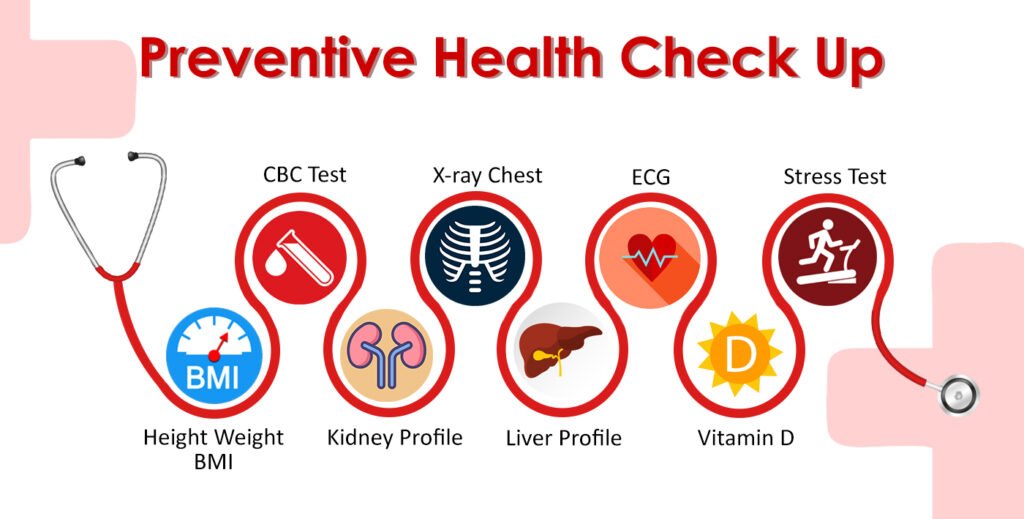
While individual needs vary, there are standard preventive health screenings in the USA that medical professionals generally recommend for the adult population.
Cardiovascular Health
- Blood Pressure: High blood pressure puts stress on the heart and arteries. It should be checked at least every two years, or more often if it is high.
- Cholesterol Profile: This blood test measures levels of “good” and “bad” cholesterol and triglycerides, which indicate heart disease risk.
Metabolic Health
- Diabetes Screening: Tests like the A1C or fasting plasma glucose test measure your blood sugar levels to detect prediabetes or diabetes.
Cancer Screenings
- Breast Cancer: Mammograms are the standard for detecting breast cancer early.
- Cervical Cancer: Pap smears and HPV testing are crucial for women to prevent cervical cancer.
- Colorectal Cancer: Colonoscopies or stool-based tests are recommended starting at age 45 for average-risk adults.
- Skin Cancer: Regular full-body skin exams by a dermatologist can spot melanoma or carcinomas.
Sensory and Dental
- Vision and Hearing: Regular eye exams can detect glaucoma and cataracts, while hearing tests monitor for loss that can lead to isolation or cognitive decline.
- Dental Checks: Oral health is linked to overall heart health; regular cleanings and exams prevent gum disease and tooth loss.
Health Screenings by Age and Gender
Medical needs evolve as we grow older. Guidelines for health screenings by age in the USA help doctors tailor care to the specific risks associated with different life stages.
Children and Adolescents
Screenings focus on developmental milestones, vision, hearing, and immunization schedules. Doctors also monitor growth charts and screen for issues like lead poisoning or anemia.
Adults (Ages 18–64)
This is the prime time for prevention. Key screenings include blood pressure, cholesterol, and diabetes. Women should adhere to schedules for Pap smears and mammograms, while men should discuss prostate health with their doctors. Mental health screenings for depression and anxiety are also increasingly standard during this phase.
Seniors (Ages 65+)
As we age, the frequency of screenings often increases. Senior health screenings prioritize bone density scans (for osteoporosis), cognitive assessments (for dementia or Alzheimer’s), and more frequent cancer screenings. Vaccinations for pneumonia and shingles also become part of the preventive conversation.
Benefits of Regular Medical Checkups
Committing to routine medical checkups in the USA offers advantages that go beyond just test results. One of the greatest benefits is the creation of a comprehensive medical history.
When you see your provider regularly, they can track changes in your health over time. A single high blood pressure reading might be stress-related, but a steady upward trend over three years tells a different story. This data allows for personalized prevention plans that fit your specific lifestyle and biology.
Additionally, these checkups provide peace of mind. Health anxiety is real; knowing that your numbers are in a healthy range or that you are actively managing a condition can significantly reduce stress and improve your mental well-being.
Barriers to Regular Health Screenings
Despite the benefits, many Americans skip their annual visits. Identifying health screening barriers in the USA is the first step toward overcoming them.
- Cost and Insurance: Even with insurance, copays and deductibles can be daunting. For the uninsured, the out-of-pocket cost of lab work can be a major deterrent.
- Time and Access: In a culture that values overworking, taking time off for a doctor’s appointment can feel impossible. Rural populations also face long travel times to reach providers.
- Fear and Avoidance: Some people avoid the doctor because they are afraid of what they might find. This “ostrich effect”—burying one’s head in the sand—often leads to worse outcomes later.
- Lack of Awareness: Many people simply don’t know which screenings they need or assume they don’t need them if they “feel fine.”
How to Stay Consistent With Health Screenings
Prioritizing your health requires a strategy. Here are some preventive healthcare tips in the USA to help you stay on track:
- Know Your Benefits: Under the Affordable Care Act (ACA), many insurance plans are required to cover specific preventive services—like shots and screening tests—at no cost to you. Check your policy details.
- Create a Schedule: Try scheduling your annual physical around your birthday. It serves as an easy-to-remember annual trigger.
- Use Technology: Leverage digital health reminders. Most healthcare portals allow you to set up text or email alerts when you are due for a specific test.
- Find a Primary Care Physician (PCP): Establishing a relationship with one doctor builds trust and ensures someone is overseeing your total health picture.
Role of Preventive Screenings in Long-Term Wellbeing
Ultimately, the preventive care benefits in the USA extend to your overall quality of life. It isn’t just about living longer; it is about living better.
Detecting issues early means you are less likely to be sidelined by debilitating illness in your retirement years. It supports healthy aging, allowing you to maintain independence and mobility for longer. On a societal level, a focus on prevention reduces the heavy burden on the healthcare system, freeing up resources for emergencies and unavoidable acute care.
Frequently Asked Questions (FAQ)
Q1. Why are regular health screenings important?
Regular screenings detect health issues before symptoms appear. Early detection allows for more effective treatment, better survival rates, and the prevention of chronic disease progression.
Q2. How often should adults get health screenings?
It depends on the specific test and your risk factors. Generally, blood pressure should be checked every two years, and cholesterol every four to six years. However, an annual physical is recommended to review overall health and update necessary screenings.
Q3. What diseases can screenings detect early?
Screenings can detect a wide range of conditions including hypertension, high cholesterol, diabetes, various cancers (breast, cervical, colorectal, prostate, skin), osteoporosis, and sexually transmitted infections (STIs).
Q4. Are health screenings covered by insurance in the USA?
Yes, most private insurance plans and Medicare are required by federal law to cover many preventive services without charging a copayment or coinsurance. This includes screenings for blood pressure, cholesterol, depression, and many cancers.
Q5. Can screenings prevent serious health conditions?
Yes. Some screenings can actually prevent disease. For example, a colonoscopy can find and remove polyps before they turn into cancer. Others, like diabetes checks, allow you to make lifestyle changes that prevent the disease from developing.
Q6. What happens if a screening finds a problem?
If a screening test comes back abnormal, your doctor will likely order further diagnostic tests to confirm the result. From there, they will work with you to develop a treatment or management plan.
Q7. Is it ever too late to start regular health screenings?
It is never too late. Regardless of your age or previous medical history, starting screenings now can provide valuable information to improve your current health and quality of life.
Prevention as the Smartest Health Choice
The adage “an ounce of prevention is worth a pound of cure” has never been more relevant than in modern medicine. Regular screenings serve as your body’s early warning system, giving you the power to act before a health concern becomes a crisis.
While scheduling appointments and undergoing tests can feel like a chore, these small inconveniences yield massive dividends. They grant you control over your health, protect your financial future, and most importantly, buy you more time to enjoy life with the people you love. If you haven’t seen your doctor in over a year, consider this your sign to pick up the phone and make an appointment. Your future self will thank you.