


The First Materials Used in Human Clothing Before Fabric Existed

Long before looms existed and fabrics were woven, early humans found inventive ways to protect themselves from the elements. They turned to the natural world around them—animal hides, plant fibers, and organic materials—to craft the first forms of human clothing. Understanding these primitive materials offers insight into human ingenuity and survival instincts during a time when staying warm and protected meant the difference between life and death.
This exploration into pre-fabric clothing reveals how our ancestors used what was available to them, developing techniques that would eventually pave the way for textile production. From the first animal skin draped over shoulders to early experiments with plant-based coverings, these materials tell a story of adaptation and innovation that continues to influence how we dress today.
Clothing Before Fabric and Textiles
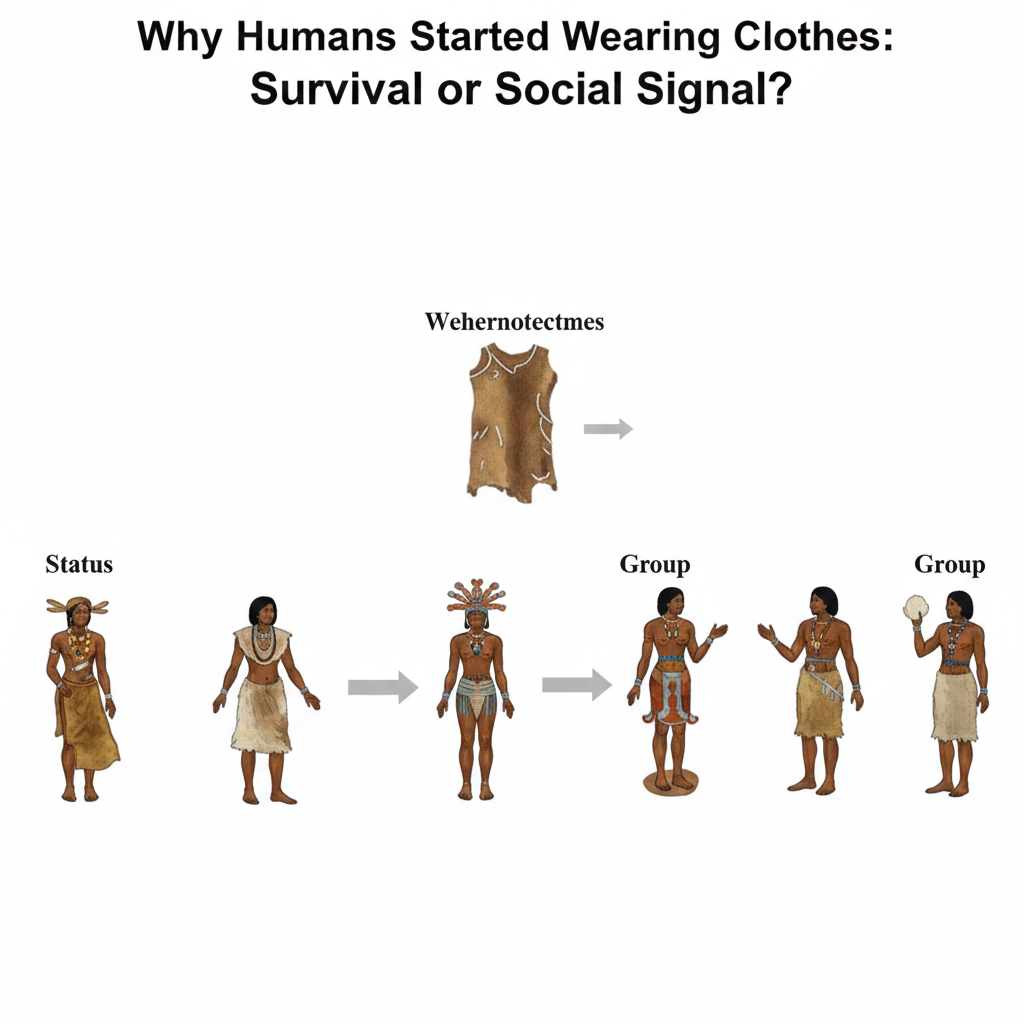
Before weaving techniques emerged, humans relied on readily available natural materials to cover their bodies. Archaeological evidence suggests that early clothing consisted primarily of animal skins and plant-based materials that required minimal processing. These primitive garments served essential functions: protection from harsh weather, defense against injuries, and possibly early forms of social signaling within communities.
The development of clothing predates the invention of fabric by tens of thousands of years. While precise dating remains challenging, most researchers agree that humans began wearing some form of covering at least 170,000 years ago, with some estimates pushing this back even further. This timeline places the origins of clothing well before any evidence of woven textiles, which only appeared around 27,000 years ago.
Understanding why humans started wearing clothes requires examining the environmental pressures and practical needs that drove this behavior. Early humans migrating to colder climates faced new challenges that fur-covered bodies alone couldn’t address. The materials they chose reflected both availability and functionality, creating a foundation for all future clothing development.
These early clothing materials weren’t standardized or uniform. Different geographic regions offered different resources, leading to diverse approaches to body covering. Coastal communities might have incorporated marine materials, while inland groups focused on terrestrial options. This regional variation demonstrates the adaptive nature of early human clothing choices.
Animal Skins as the First Human Garments
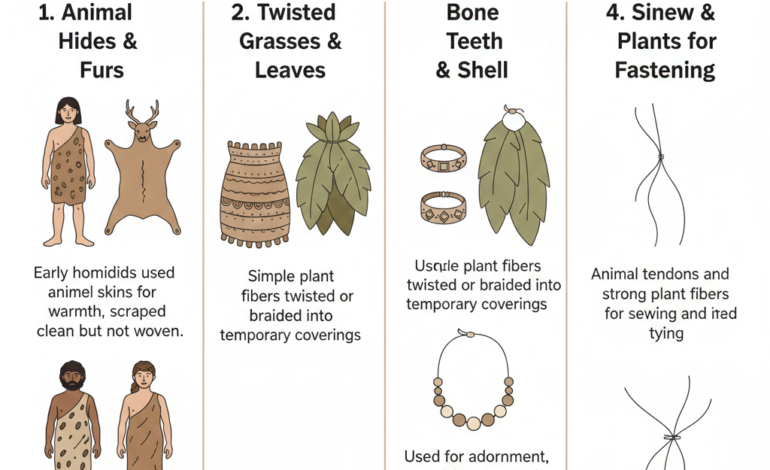
Animal hides represent humanity’s earliest and most widespread clothing material. These versatile coverings offered superior protection against cold, wind, and moisture compared to any plant-based alternative available at the time. The practice of wearing animal skins likely emerged from hunting activities, where the by-products of successful hunts provided immediate material for clothing.
Hunting and Survival Needs
Early humans hunted for food, but the animals they killed provided much more than sustenance. The skins, furs, and hides became essential components of early human survival clothing. Large mammals like deer, bison, and eventually domesticated animals offered the most useful hides due to their size and durability.
The hunting process itself created a natural connection between food procurement and clothing material. Once an animal was killed for meat, the hide became a valuable secondary resource. This dual-purpose approach to hunting maximized the value of each kill, an important consideration for communities operating at subsistence levels.
Different animals provided different qualities of hide. Thicker skins from larger animals offered better protection against cold but were heavier and less flexible. Smaller animals with softer furs provided warmth without bulk but were less durable. Early humans learned to select and combine different types of hides based on specific needs and climate conditions.
The availability of animal skins also varied seasonally. Winter hunting might yield thicker, furrier hides ideal for cold-weather protection, while summer hunts produced lighter materials. This seasonal variation influenced how early humans thought about clothing as a renewable resource rather than a permanent possession.
Processing Hides for Protection
Raw animal hides required processing before they could function effectively as clothing. Left untreated, hides would stiffen, rot, or attract insects. Early humans developed various techniques to preserve and soften these materials, creating more wearable and longer-lasting garments.
The most basic processing involved scraping away flesh and fat from the inner surface of the hide. Stone tools with sharp edges served this purpose, removing organic material that would otherwise decompose. This scraping process also began the thinning and softening of the hide, making it more pliable for wrapping around the body.
Drying represented another crucial step in hide processing. Stretched and dried hides became more stable and resistant to decomposition. Some early processing techniques may have included smoking hides over fires, which added preservative properties and increased water resistance.
More advanced processing methods emerged over time, including primitive tanning techniques using animal brains, liver, or plant materials. These processes chemically altered the hide structure, creating leather-like materials that were more durable and comfortable than raw hides. The knowledge required to perform these transformations represented significant technical advancement in early clothing production.
Plant Fibers and Natural Wrapping Techniques
While animal skins dominated early clothing, plant materials offered alternative options in certain climates and situations. These botanical resources were particularly important in warmer regions where heavy animal hides would have been uncomfortable and impractical.
Leaves, Bark, and Grass-Based Coverings
Large leaves from tropical plants provided simple, immediate coverage options. Palm fronds, banana leaves, and other broad-leafed plants could be layered or tied together to create basic garments or rain protection. These materials required no processing and were abundant in appropriate climates.
Tree bark, particularly from certain species, could be stripped and worked into flexible sheets. Inner bark from trees like willow, cedar, or mulberry contained fibers that could be pounded and softened into fabric-like materials. This bark cloth represents an intermediate step between raw plant materials and true woven textiles.
Grasses and reeds offered another category of plant-based clothing material. Long grasses could be bundled, tied, or woven into simple skirts, capes, or rain coverings. Dried grass retained some insulating properties and provided modest protection from sun and rain.
The relationship between climate and early clothing development becomes particularly evident when examining plant-based materials. These coverings appeared most frequently in regions where cold weather wasn’t a primary concern and where plant materials were readily available year-round.
Early Rope and Fiber Experiments
Creating rope from plant fibers represented a significant technological advancement that influenced clothing development. Twisted plant fibers became stronger than individual strands, providing material for tying, binding, and eventually primitive weaving.
Early rope-making involved identifying plants with strong, flexible fibers. Flax, hemp, nettle, and various grass species all provided suitable material. The process of extracting these fibers—through soaking, beating, or other mechanical separation—required knowledge and skill that developed over generations.
These early fiber experiments laid groundwork for textile production. The twisting and binding techniques used in rope-making directly translated to early thread-making. As humans became more skilled at manipulating plant fibers, they began experimenting with interlacing them in ways that would eventually lead to weaving.
Some plant fibers were combined with animal materials to create hybrid garments. Leather strips might be woven through grass or bark cloth, adding structure and durability. These combinations demonstrate early human willingness to experiment with available materials to create superior clothing solutions.
Tools That Helped Shape Early Clothing Materials
The development of specialized tools transformed how early humans processed and used clothing materials. These innovations allowed for more sophisticated garment construction and better utilization of available resources.
Bone needles represent one of the most significant tool innovations for clothing construction. Dating back at least 40,000 years, these simple implements allowed early humans to join separate pieces of material together. The eye of the needle permitted thread or sinew to pass through, creating seams that held garments in place and improved their fit.
Scraping tools made from stone, bone, or antler facilitated hide processing. These implements removed flesh and fat from animal skins more efficiently than could be done by hand. Different shapes and edge configurations suited different stages of hide preparation, suggesting specialized tool development for specific tasks.
Cutting tools allowed early humans to shape materials before assembly. Sharp stone blades could cut hides, bark cloth, or plant materials into desired configurations. This cutting ability enabled more complex garment designs that moved beyond simple wrapping or draping.
Awls—pointed tools used for piercing holes—complemented needles in garment construction. These tools created holes through which cordage or sinew could be threaded, allowing for lacing techniques that didn’t require sewn seams. This alternative fastening method worked particularly well with thick or stiff materials.
The evolution of early sewing tools demonstrates increasing sophistication in clothing construction. As tools improved, so did the quality and complexity of garments that could be created from primitive materials.
How Early Materials Influenced Later Fabric Construction
The transition from using raw materials to creating woven fabrics didn’t happen suddenly. Early experiences with animal hides and plant materials informed textile development in numerous ways.
Observations of how plant fibers could be twisted and intertwined led to thread creation. Once humans could produce consistent thread from plant materials, they began experimenting with systematic interlacing. This experimentation produced basket weaving first, which then transferred to textile creation.
The durability and protective qualities observed in processed animal hides set standards for early fabrics. Weavers sought to create plant-based textiles that could match the protective properties of leather while being lighter and more breathable. This goal drove innovations in weaving techniques and fiber selection.
Color preferences established during the pre-fabric era influenced early textile dyeing practices. Animal hides came in natural colors—browns, blacks, whites, and grays. When textiles emerged, dyers often aimed to replicate these familiar earth tones before exploring broader color palettes.
The concept of layering, developed when wearing multiple animal skins for extreme cold, translated directly to textile-based clothing systems. Understanding that multiple thinner layers could provide adjustable warmth influenced how woven garments were designed and combined.
Fastening techniques developed for hide garments informed textile clothing construction. Lacing, tying, and pinning methods that worked for skins transferred to woven materials. The from fiber to fabric clothing process retained many structural elements first developed for pre-fabric materials.
Regional variations in early clothing materials created lasting cultural differences in textile preferences. Communities with strong traditions of leather working continued to value animal-based materials even after textiles became available. Regions with sophisticated bark cloth traditions incorporated similar techniques into early textile production.
From Primitive Materials to Modern Clothing
The journey from animal skins and plant coverings to contemporary textiles spans tens of thousands of years, yet connections remain visible. Modern leather goods continue the tradition of using processed animal hides. Plant-based textiles like linen, cotton, and hemp trace their origins to early fiber experiments.
Understanding the first clothing materials provides perspective on the human clothing evolution journey. Each innovation built upon previous knowledge, creating an unbroken chain of development from the simplest hide draped over shoulders to the most advanced technical fabrics used today.
These primitive materials emerged from necessity, shaped by available resources and environmental demands. Early humans demonstrated remarkable creativity in transforming what nature provided into functional body coverings. This inventive spirit, applied to clothing creation, became a defining characteristic of human culture across all subsequent eras.
The techniques developed for processing animal hides—scraping, treating, softening—remain fundamentally similar in modern leather production. Plant fiber preparation methods used by early humans informed agricultural practices that eventually led to large-scale textile industries. Even the social and cultural significance attached to certain materials and garments can be traced back to these earliest clothing choices.
Contemporary interest in natural, sustainable materials represents something of a return to these roots. Modern consumers seeking leather, linen, or other natural fiber products connect, perhaps unknowingly, to humanity’s first clothing materials. This cyclical pattern suggests that the fundamental relationship between humans and natural materials for clothing remains relevant despite technological advancement.