

The Evolution of Loose vs Fitted Clothing Silhouettes

Clothing silhouettes have swung between extremes throughout history—from flowing robes to corset-cinched waists, from billowing peasant tunics to razor-sharp tailoring. These shifts weren’t arbitrary. They reflected survival needs, technological breakthroughs, cultural values, and power dynamics.
Understanding the tension between loose and fitted garments reveals more than fashion trends. It shows how humans have balanced comfort with control, function with status, and tradition with innovation. The silhouette of a garment—whether relaxed or structured—tells a story about the society that created it.
This post traces the evolution of loose versus fitted clothing silhouettes from our earliest draped garments to today’s athleisure and tomorrow’s adaptive clothing. By examining what is a clothing silhouette and how proportion and balance shape clothing silhouettes, we can better appreciate how garment shapes have reflected human progress. For a comprehensive overview, visit our clothing silhouettes hub.
Early Human Clothing — Naturally Loose Garments
Survival-Based Wraps and Robes
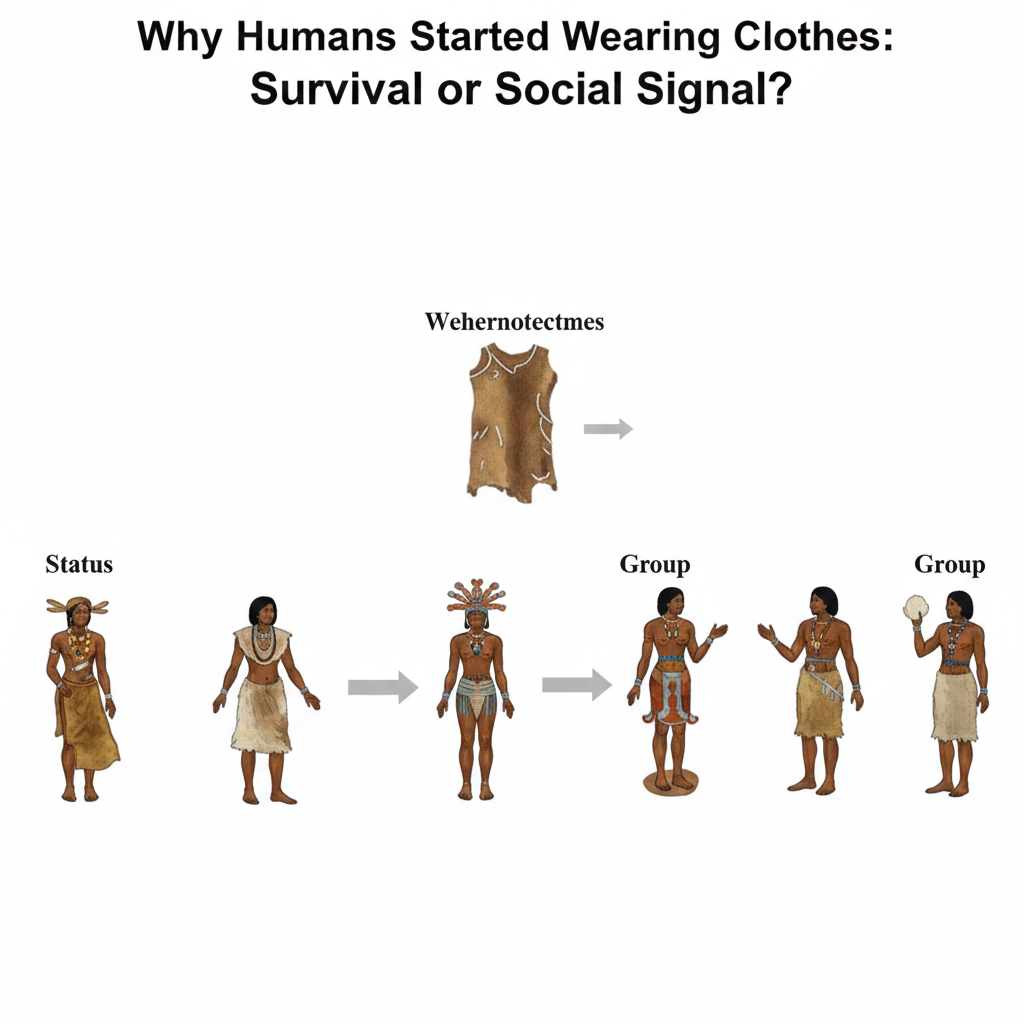
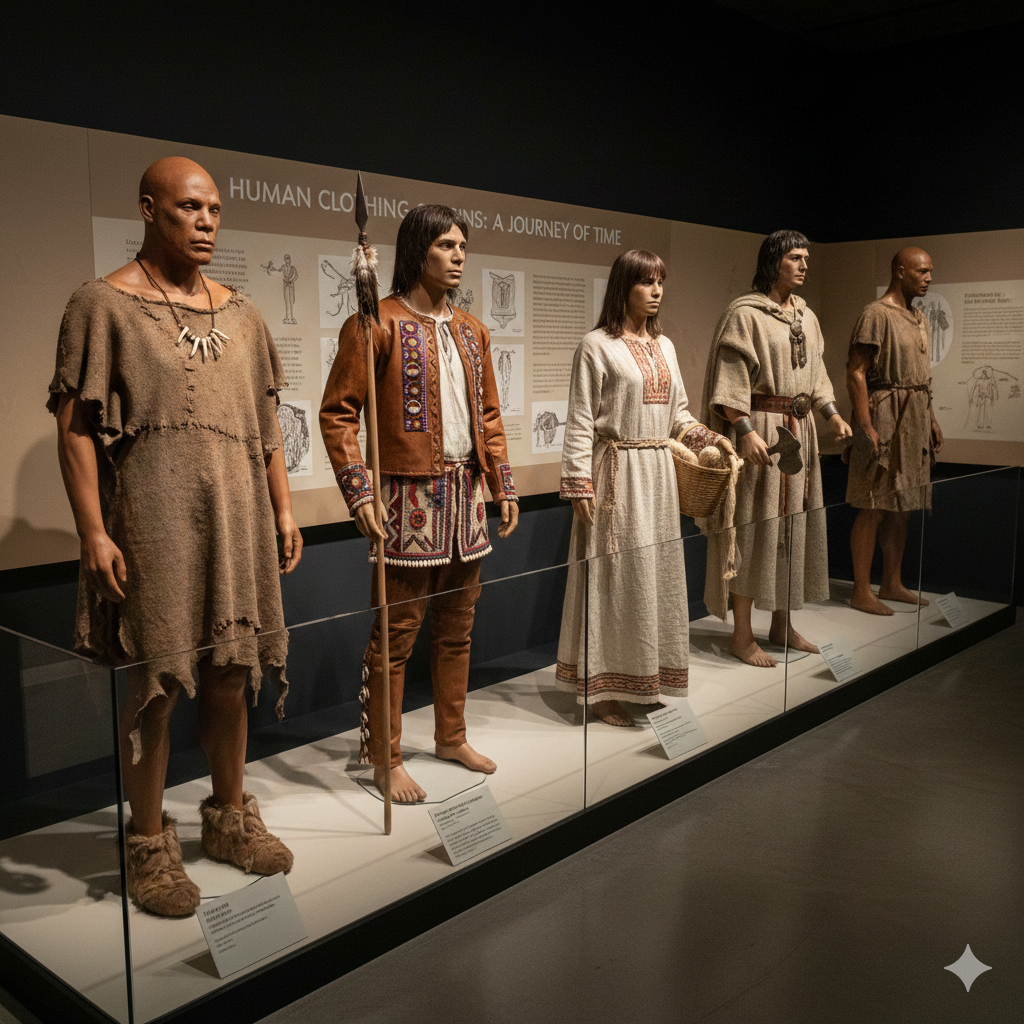
The first human clothing was almost universally loose. Why humans started wearing clothes had nothing to do with fashion—it was about survival. Early garments were simple wraps, cloaks, and animal skins draped over the body for warmth and protection.
These loose silhouettes made practical sense. Without sophisticated sewing tools or pattern-making knowledge, fitted garments were nearly impossible to create. Wrapping a hide around the shoulders or tying a woven cloth at the waist required minimal skill and no tailoring.
Loose garments also allowed freedom of movement essential for hunting, gathering, and traveling. A flowing robe didn’t restrict the wearer’s stride or arm swing. It could be adjusted on the fly—loosened in heat, wrapped tighter in cold, or removed entirely when crossing water.
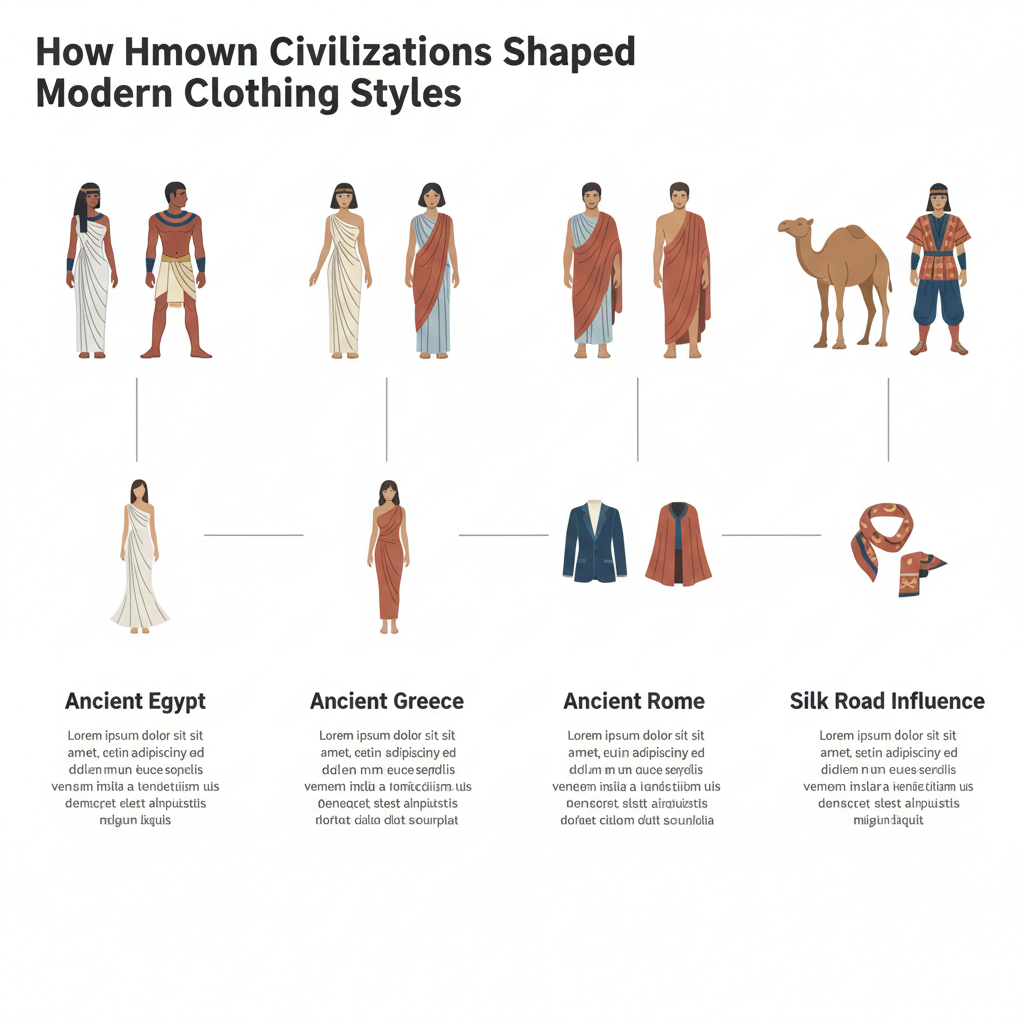
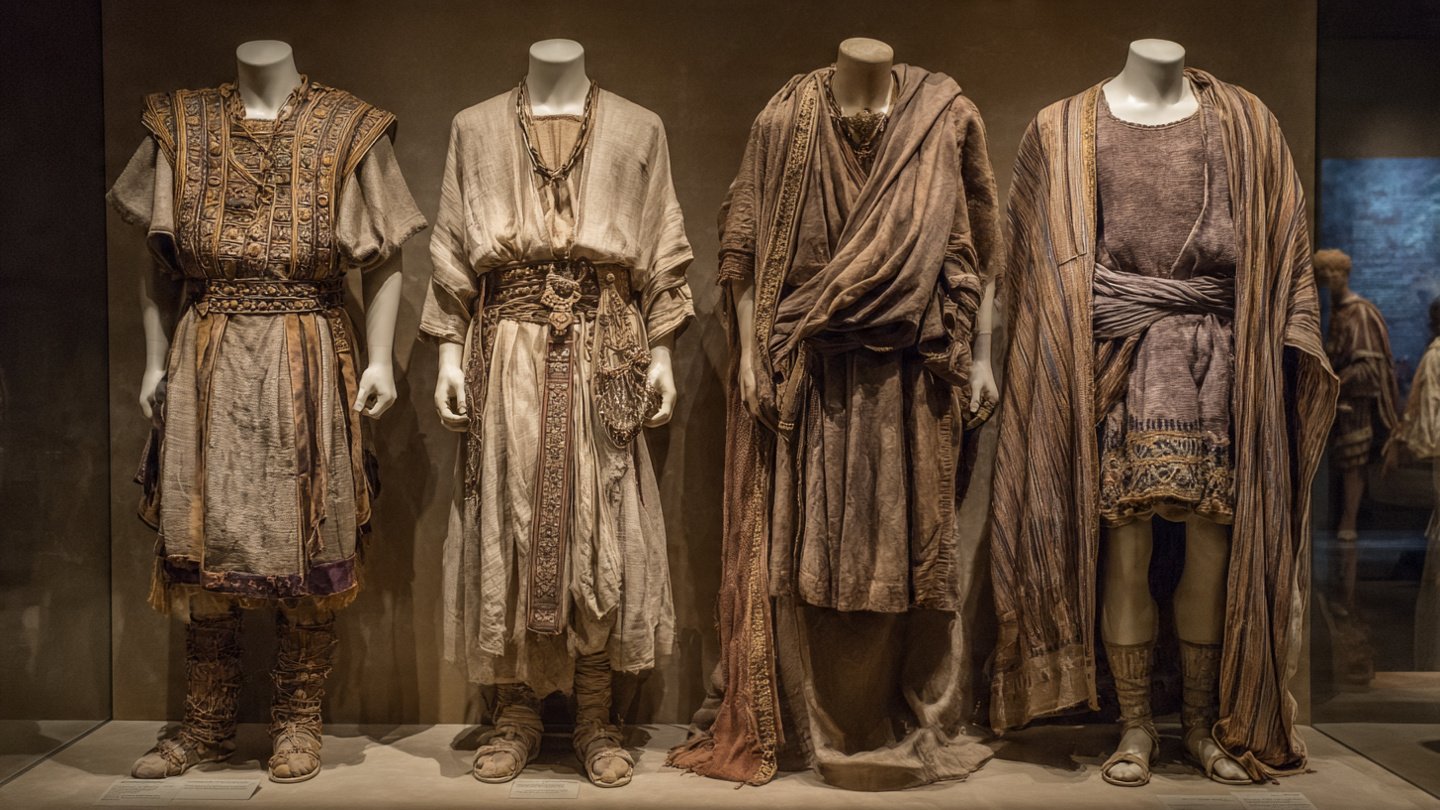
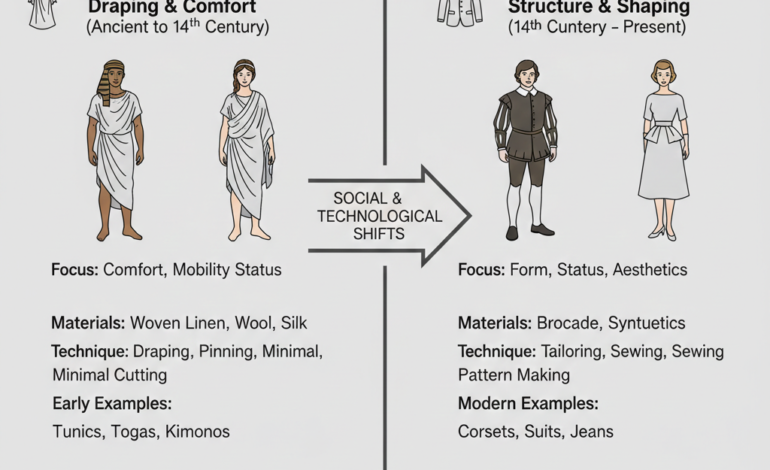
Archaeological evidence shows that many ancient civilizations—from Egyptian linen tunics to Roman togas—favored draped, unstructured garments. These societies had access to woven textiles, yet still chose loose silhouettes. The reason was partly technological (tailoring hadn’t advanced significantly) and partly cultural (loose garments conveyed status and dignity).
Environmental Influence on Fit
Climate played a major role in whether clothing skewed loose or fitted. In tropical and desert regions, loose garments promoted airflow and prevented overheating. Flowing robes in Middle Eastern cultures or loose sarongs in Southeast Asia kept wearers cool while protecting skin from sun exposure.
Clothing in ice age vs tropical regions shows striking differences. In colder climates, garments needed to trap warmth, but they still tended toward looser layered construction rather than fitted designs. Multiple loose layers created insulating air pockets—a technique still used in modern cold-weather gear.
Arctic peoples did create some fitted elements, particularly in footwear and hand coverings, where precision fit meant better protection. But body garments remained relatively loose until sewing technology advanced enough to create truly tailored pieces.
Rise of Tailoring and the Shift Toward Fitted Clothing
The invention of better sewing tools fundamentally changed what clothing could be. The evolution of early sewing tools—from bone needles to metal awls to proper scissors—enabled garment makers to cut fabric with precision and join pieces in complex ways.
This technological leap made fitted clothing possible. Instead of draping a single piece of cloth, tailors could now cut multiple panels and sew them together to follow the body’s contours. This required understanding geometry and spatial relationships, skills that developed alongside the tools themselves.
The role of patterns and cutting techniques in garment design cannot be overstated. Once tailors learned to create templates and transfer them to fabric, they could reproduce fitted garments reliably. This standardization was crucial for serving multiple clients and establishing recognizable styles.
Medieval Europe saw fitted clothing become increasingly common among the upper classes. Doublets, hose, and later corsets required precise measurement and construction. These garments signaled wealth—fitted clothing was expensive to make and required professional tailors. Loose garments, meanwhile, became associated with peasant clothing or leisure wear.
The fitted silhouette also served ideological purposes. It emphasized the human form in ways that loose garments did not. During the Renaissance, fitted clothing allowed display of the idealized proportions celebrated in art and philosophy. The body became a canvas for demonstrating refinement and cultivation.
Cultural and Historical Influence on Silhouette Fit
Major historical events that changed clothing forever often involved shifts between loose and fitted silhouettes. Wars, revolutions, economic booms, and social movements all left their mark on how closely garments hugged the body.
The French Revolution eliminated the extremely fitted aristocratic styles—elaborate gowns with panniers and heavily structured bodices—in favor of simpler, looser neo-classical silhouettes inspired by ancient Greece and Rome. This wasn’t just aesthetic preference. It was political statement. Loose, flowing gowns represented republican values and rejection of royal excess.
The Industrial Revolution brought another major shift. Mass production made fitted clothing more affordable and accessible. Sewing machines could create complex seams quickly. Ready-to-wear garments, sized according to standardized measurements, brought fitted silhouettes to the middle class.
How trade routes spread clothing styles also influenced the loose-versus-fitted dynamic. When East Asian garments like kimono and hanfu entered European consciousness, they introduced alternatives to Western fitted styles. These loose, wrapped silhouettes influenced fashion designers and offered a counterpoint to the dominant tailored aesthetic.
World War I marked a turning point. Women entered the workforce in unprecedented numbers, and fitted corsets gave way to looser, more practical garments. The 1920s flapper dress—a loose, drop-waist silhouette—represented liberation from restrictive Victorian clothing.
The 1950s saw a return to extremely fitted silhouettes with Dior’s “New Look”—nipped waists, full skirts, and structured bodices. This represented post-war nostalgia and a return to traditional gender roles. By the 1960s, the pendulum swung back toward looser silhouettes with shift dresses and unstructured tunics.
Modern Fashion — Oversized Trends vs Tailored Styles
Contemporary fashion presents both extremes simultaneously. Walk down any city street and you’ll see sharply tailored suits alongside oversized hoodies, fitted activewear next to flowing maxi dresses. This coexistence reflects our fragmented, individualistic culture.
How streetwear changed modern dressing habits explains one major influence on loose silhouettes. Hip-hop culture popularized oversized clothing in the 1980s and 1990s—baggy jeans, XXXL t-shirts, and enormous puffer jackets. This aesthetic was partly practical (comfort, ease of movement) and partly symbolic (rejecting mainstream fashion norms, displaying abundance).
Streetwear’s influence on high fashion cannot be overstated. Luxury brands now regularly feature oversized hoodies, dropped-shoulder jackets, and voluminous pants. What began as counterculture became mainstream, proving that loose silhouettes could be just as fashionable as fitted ones.
The rise of athleisure clothing trends introduced another dimension. Athletic wear traditionally featured fitted silhouettes—compression fabrics that supported muscles and reduced drag. But athleisure blended these fitted pieces with looser elements, creating hybrid silhouettes that worked for both exercise and everyday wear.
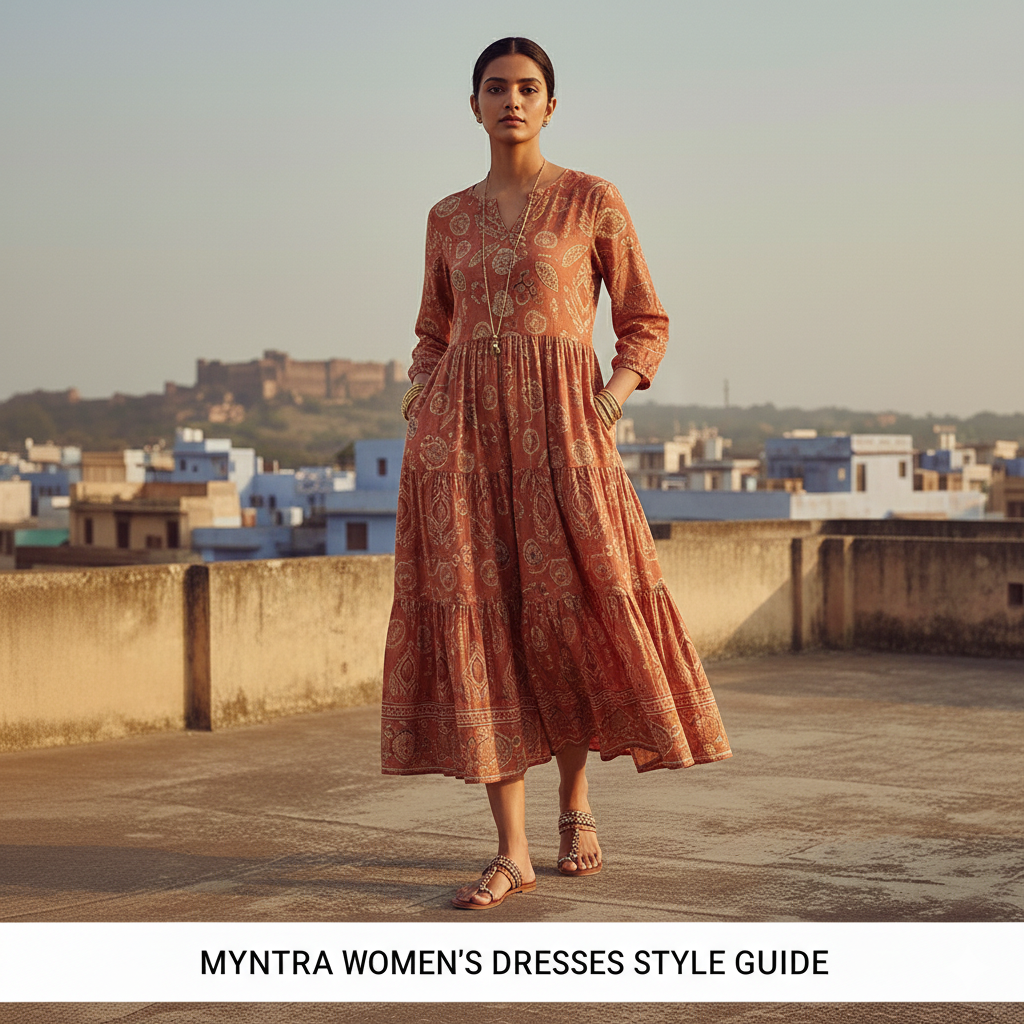
Yoga pants and leggings exemplify the modern fitted trend—they follow every body contour. Yet they’re often paired with oversized sweatshirts or flowing tunics, creating contrast between fitted bottoms and loose tops. This mixing of silhouettes has become a signature of contemporary casual wear.
Gender-neutral fashion further complicates the loose-versus-fitted dynamic. Many gender-neutral garments favor looser, unstructured silhouettes that fit various body types. This represents a philosophical shift—clothing need not emphasize gendered body shapes. Loose silhouettes offer inclusivity and flexibility.
Meanwhile, tailoring hasn’t disappeared. Fitted suits remain standard in business contexts. Body-conscious dresses dominate red carpets. Fitted jeans are wardrobe staples for millions. The difference is choice—contemporary wardrobes typically include both loose and fitted options, selected based on context and personal preference.
Future Silhouette Trends and Adaptive Clothing
The future of clothing silhouettes will likely be shaped by technology and inclusivity. Smart clothing and wearable technology explained shows how embedded sensors and responsive fabrics could create garments that adjust their fit automatically.
Imagine a jacket that loosens when you’re hot and tightens when you’re cold. Or pants that adjust their waistband throughout the day as your body changes. These aren’t science fiction—prototypes already exist. Shape-memory alloys and programmable materials could make garments that shift between loose and fitted on demand.
Adaptive clothing for people with disabilities is driving innovation in adjustable silhouettes. Magnetic closures, elastic panels, and convertible designs allow garments to accommodate various body shapes and mobility needs. These inclusive approaches may influence mainstream fashion, just as curb cuts designed for wheelchairs now benefit everyone.
3D body scanning and made-to-measure production could make truly fitted clothing accessible to all. Instead of choosing between standard sizes, consumers might upload their body scan and receive garments tailored precisely to their measurements. This personalization could make fitted silhouettes more common—or it might free people to choose looser fits knowing that fitted options are always available.
The future of human clothing in a digital world raises intriguing questions. If we spend increasing time in virtual spaces, will our physical clothing lean toward comfort-focused loose silhouettes? Or will fitted garments remain important for in-person interactions where physical presence matters?
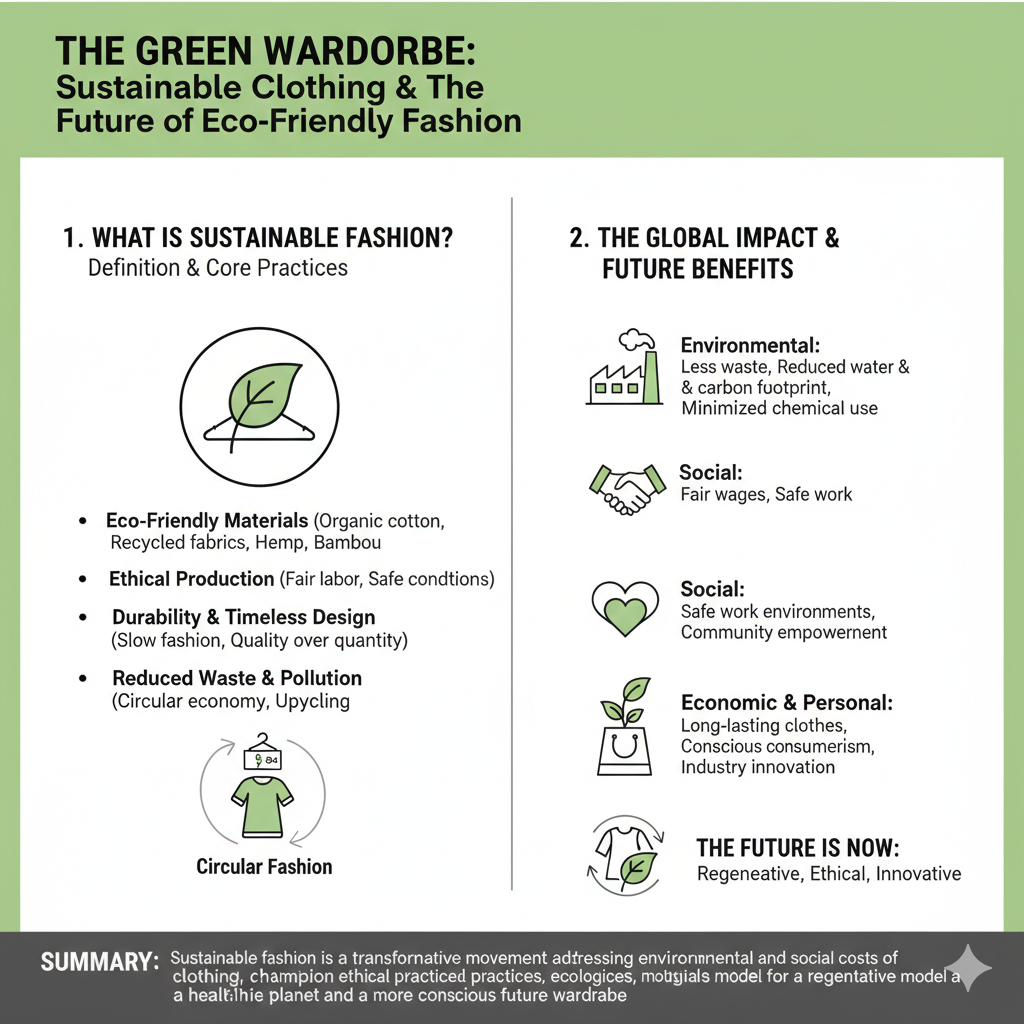
Sustainability concerns may also influence silhouette trends. Loose, adjustable garments can fit a range of body sizes and shapes, potentially reducing waste from garments that no longer fit. Modular designs with adjustable elements could extend garment lifespans and reduce the need for constant replacement.
Balance Between Comfort and Structure in Clothing Evolution
The oscillation between loose and fitted silhouettes reflects fundamental human tensions—between comfort and presentation, individuality and conformity, tradition and innovation.
The history of clothing evolution shows that neither extreme ever fully dominates. Even in eras known for extreme fitted silhouettes (like Victorian corsetry), people wore loose garments at home. Even in times of predominantly loose clothing (like ancient Rome), some fitted elements existed.
This balance makes sense. Fitted garments offer precision, structure, and the ability to display the body. Loose garments provide comfort, flexibility, and ease of wear. Most people want both at different times.
Technology continually expands possibilities. What once required hours of hand-sewing can now be accomplished by machines in minutes. What once demanded expensive materials and skilled labor can be 3D-printed or laser-cut. These advances make both fitted and loose silhouettes easier to produce.
Cultural values will continue shifting. Today’s oversized streetwear may give way to neo-minimalist fitted aesthetics—or vice versa. Fashion’s cyclical nature suggests that silhouettes will keep swinging between extremes.
What seems certain is that choice will expand. The human clothing evolution journey has moved steadily toward greater diversity and personalization. Future wardrobes will likely include even more silhouette variety, with individuals selecting based on context, mood, and personal preference.
The evolution of loose versus fitted clothing silhouettes isn’t simply fashion history. It’s the story of how we’ve used garment shapes to solve practical problems, express cultural values, and present ourselves to the world. Understanding this evolution helps us appreciate the clothing we wear today—and anticipate what we might wear tomorrow.