

The Difference Between Woven, Knitted, and Non-Woven Garments


When you slip on a pair of jeans, pull a sweater over your head, or toss on a disposable coverall, you’re interacting with three fundamentally different types of fabric construction. The way a fabric is made—woven, knitted, or non-woven—affects everything from how it feels against your skin to how long it lasts and how it moves with your body.
Understanding these differences isn’t just textile trivia. It’s essential knowledge for anyone interested in how clothes are made from fiber to fabric, why certain garments suit specific purposes, and how construction techniques have evolved throughout the history of human clothing development.
Woven fabrics are strong and structured, created by interlacing threads at right angles. Knitted fabrics are stretchy and flexible, formed by looping yarns together. Non-woven fabrics skip the yarn stage entirely, bonding fibers directly through heat, chemicals, or mechanical processes.
Each construction method comes with trade-offs. Woven garments offer durability and crisp lines but lack stretch. Knitted pieces provide comfort and ease of movement but may lose their shape over time. Non-woven materials are quick to produce and cost-effective but often disposable.
This guide breaks down the structural differences between these three fabric types, explores their historical and modern applications, and explains how fabric construction shapes the clothing we wear every day.
Why Fabric Construction Matters in Clothing
Fabric construction is the foundation of every garment. Before a designer sketches a silhouette or a tailor cuts a pattern, the fabric itself determines what’s possible. The method used to create that fabric—whether woven, knitted, or non-woven—dictates its behavior, appearance, and performance.
Durability depends heavily on construction. A woven cotton shirt can withstand years of wear and washing because its interlaced threads create a stable, tightly bound structure. A knitted T-shirt, by contrast, may develop holes or stretch out of shape more quickly due to the looped nature of its yarns.
Comfort is another key consideration. Knitted fabrics naturally stretch and recover, moving with the body in ways that woven fabrics cannot. This makes them ideal for activewear and casual clothing. Non-woven fabrics, while less common in everyday garments, serve specialized roles where breathability, filtration, or disposability matter more than long-term wearability.
Silhouette and drape are also influenced by construction. A woven silk blouse flows differently than a knitted jersey top. The former holds its shape and creates clean lines, while the latter clings and conforms to the body’s contours.
Understanding the from fiber to fabric clothing process helps clarify why these differences exist. Woven fabrics require looms and precise threading. Knitted fabrics use needles and loops. Non-woven fabrics bypass traditional yarn creation altogether, bonding fibers through industrial methods.
These construction techniques aren’t new. They represent some of the earliest textile creation in human history, refined over millennia to meet changing needs and aesthetics. Recognizing how fabric is made provides insight into why certain garments look, feel, and perform the way they do.
What Are Woven Garments?
Woven fabrics are created by interlacing two sets of threads—warp and weft—at right angles on a loom. The warp threads run lengthwise, held under tension, while the weft threads are woven over and under them horizontally. This interlocking structure creates a stable, durable material with minimal stretch.
Structure and Strength
The interlaced grid of woven fabrics gives them inherent strength. Because threads lock into place at each intersection, woven materials resist tearing and maintain their shape over time. This makes them ideal for garments that need to hold up under stress or frequent washing.
Common weave patterns include plain weave, twill, and satin. Plain weave is the simplest, with each weft thread passing alternately over and under each warp thread. Twill creates a diagonal pattern and adds softness and drape. Satin uses long floats to produce a smooth, lustrous surface.
Woven fabrics typically have a grain—a directional bias that affects how they drape and behave when cut. Cutting on the bias (at a 45-degree angle to the grain) allows for some stretch and fluidity, a technique often used in dressmaking to create elegant, body-skimming silhouettes.
The lack of inherent stretch in woven fabrics means they rely on tailoring and fit adjustments for comfort. Darts, pleats, and elastic waistbands are common workarounds. However, this structure also means woven garments hold their shape exceptionally well, making them a staple for formal and structured clothing.
Common Uses in Historical Clothing
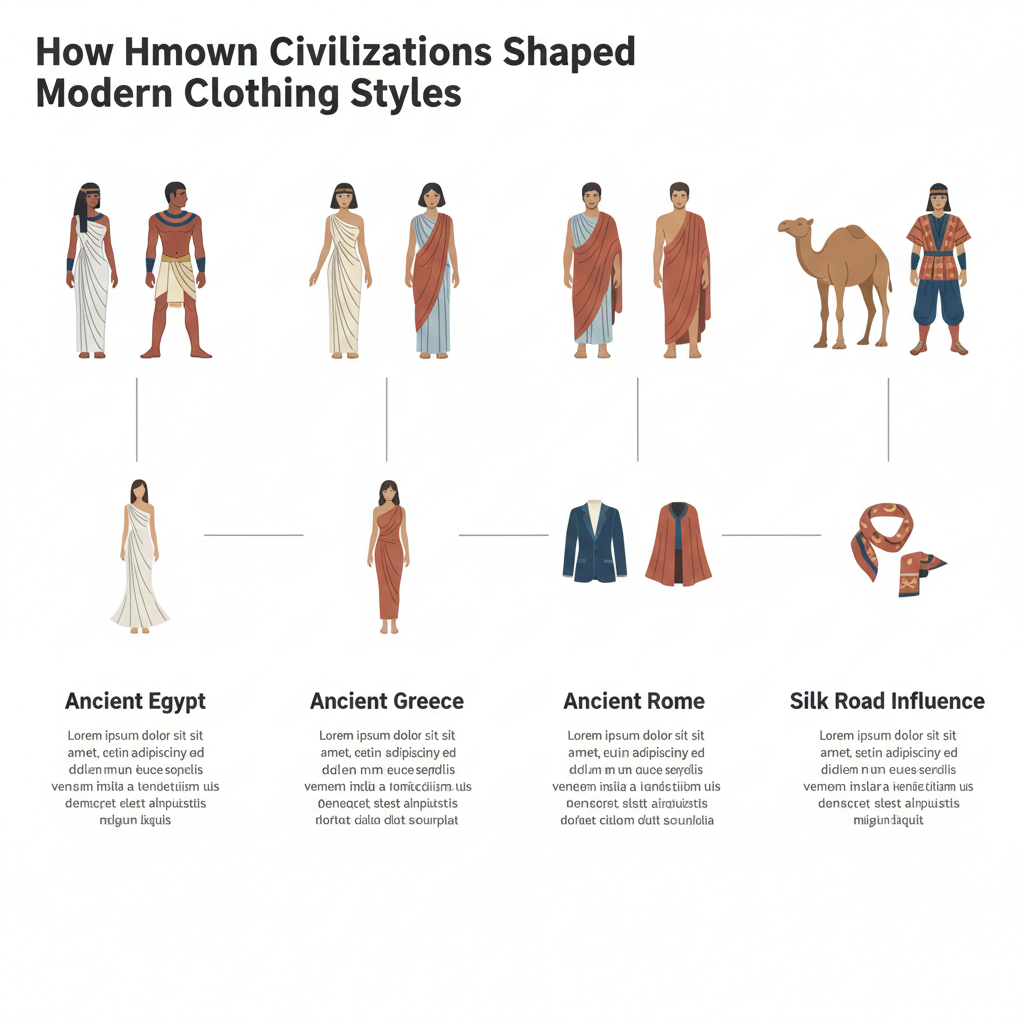
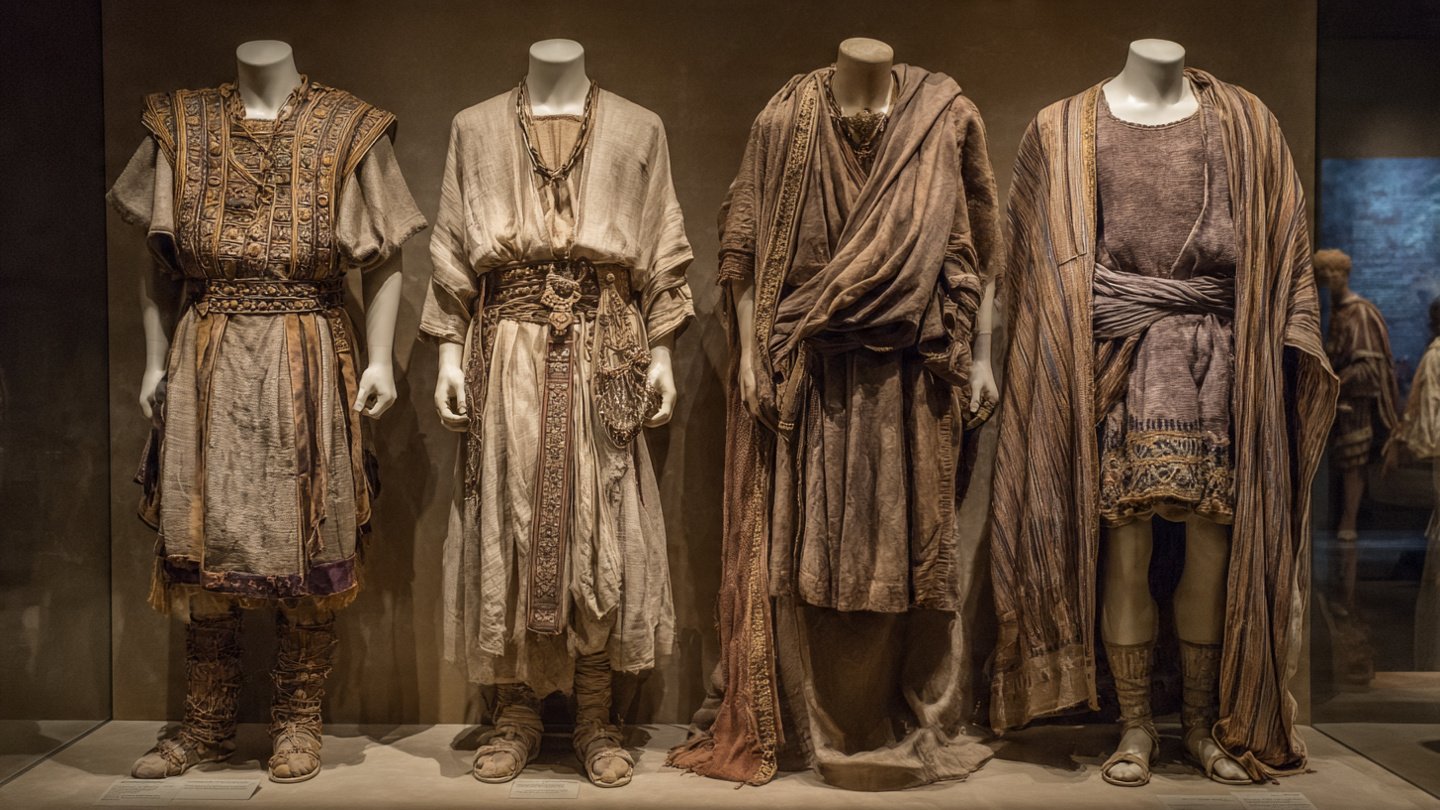
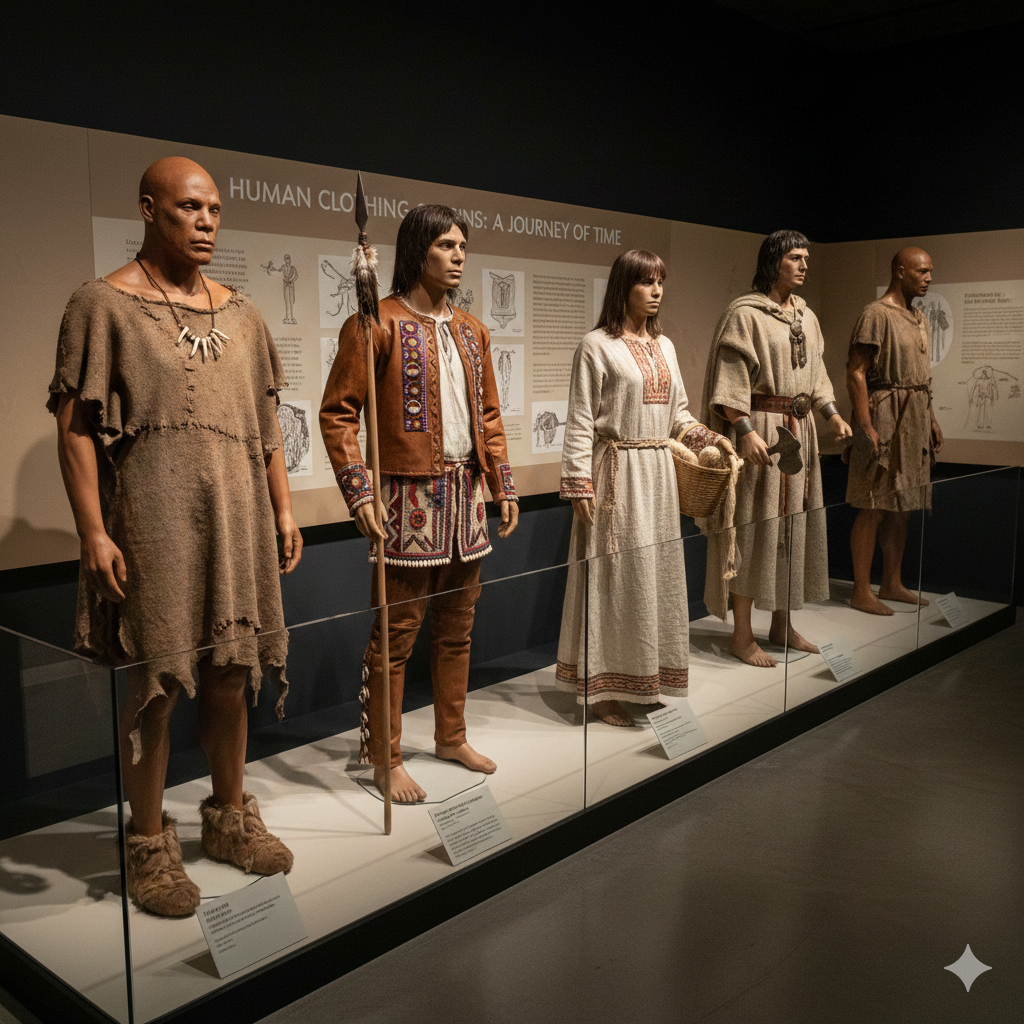
Woven fabrics have been central to clothing construction for thousands of years. The earliest looms date back to ancient civilizations, where woven textiles were used for everything from protective garments to ceremonial robes. How ancient civilizations shaped clothing styles often revolved around the capabilities and limitations of woven fabrics.
Linen, one of the oldest woven materials, was prized in ancient Egypt for its breathability and strength. Wool, woven into tunics and cloaks, dominated European dress for centuries. Silk weaving, perfected in China, became a symbol of status and craftsmanship.
The transition from tribal dress to structured fashion saw woven fabrics take on increasingly complex forms. Tailored coats, fitted bodices, and structured trousers all rely on woven materials that can be cut, shaped, and sewn into precise forms without losing integrity.
Even as fashion evolved, woven fabrics remained essential. Denim, a durable twill-weave cotton, became the backbone of workwear and casual clothing. Suiting fabrics like wool gabardine and cotton poplin continue to define professional attire.
Woven garments offer longevity and structure, qualities that have made them indispensable throughout history and into the present day.
Understanding Knitted Garments
Knitted fabrics are constructed by looping yarns together using needles. Unlike woven fabrics, which interlace threads at right angles, knitted fabrics create a series of interconnected loops that allow for stretch and flexibility. This construction method produces materials that are softer, more elastic, and often more comfortable than woven alternatives.
Flexibility and Comfort
The looped structure of knitted fabrics gives them natural elasticity. When stretched, the loops elongate and then return to their original shape, allowing the fabric to move with the body. This makes knitted garments ideal for activewear, loungewear, and any clothing that prioritizes ease of movement.
Two main types of knitting exist: weft knitting and warp knitting. Weft knitting, the more common method, creates fabric by knitting horizontal rows of loops. This is the technique used in hand knitting and most machine-knit garments. Warp knitting, by contrast, forms vertical columns of loops and produces fabrics like tricot and mesh, often used in lingerie and sportswear.
Knitted fabrics vary in weight and texture. Jersey knit, a lightweight single-knit fabric, is commonly used in T-shirts and dresses. Rib knit, which alternates raised and recessed columns, provides extra stretch and is often used for cuffs and waistbands. Interlock knit, a double-knit fabric, offers more structure and opacity than jersey while retaining softness.
One downside of knitted fabrics is their tendency to lose shape over time. The loops can stretch out, especially if the garment is frequently pulled or washed. However, this trade-off is often acceptable given the comfort and versatility knitted garments provide.
Evolution into Modern Clothing
Knitting has ancient roots, but it became more widespread during the Middle Ages when hand-knit stockings, gloves, and caps were common. The invention of the knitting machine in the 16th century revolutionized production, making knitted garments more accessible and affordable.
The 20th century saw knitted fabrics dominate casual and athletic wear. T-shirts, originally undergarments, became standalone pieces thanks to the comfort and breathability of jersey knit. Sweaters, once purely functional, evolved into fashion statements.
The rise of athleisure clothing trends further cemented the role of knitted fabrics in modern wardrobes. Stretchy, moisture-wicking materials like spandex blends and performance knits became essential for yoga pants, running tops, and gym wear. How streetwear changed modern dressing habits also leaned heavily on knitted fabrics, with oversized hoodies, joggers, and knit caps becoming cultural staples.
Knitted garments represent a shift toward comfort and functionality in fashion. They adapt to the body, require less tailoring, and suit a wide range of activities and lifestyles.
What Are Non-Woven Garments?
Non-woven fabrics are made by bonding fibers together without weaving or knitting. Instead of interlacing or looping yarns, manufacturers use mechanical, thermal, or chemical processes to create a fabric-like material directly from fibers. This method is faster and cheaper than traditional textile production, making non-woven fabrics ideal for disposable or single-use applications.
Common bonding techniques include needle punching, where barbed needles mechanically entangle fibers; thermal bonding, which uses heat to fuse fibers together; and chemical bonding, where adhesives hold fibers in place. The resulting materials vary in strength, texture, and flexibility depending on the fibers used and the bonding method applied.
Non-woven fabrics are often found in medical garments like surgical gowns and masks, where sterility and disposability are priorities. They’re also used in protective clothing, insulation, and filtration materials. In fashion, non-woven fabrics appear in interfacing—a stiffening material sewn between layers of fabric to add structure to collars, cuffs, and waistbands.
While non-woven fabrics lack the durability and aesthetic appeal of woven or knitted materials, they excel in specialized contexts. Their ability to be produced quickly and inexpensively makes them invaluable for industries that prioritize function over longevity.
The future of human clothing in a digital world may see non-woven fabrics take on new roles. Innovations in smart clothing and wearable technology explained often rely on non-woven substrates that can integrate sensors, conductive fibers, and other tech components without the constraints of traditional textile construction.
Non-woven garments represent a departure from conventional clothing, but their utility ensures they remain a vital part of the broader textile landscape.
How Fabric Construction Influences Clothing Silhouettes
The way a fabric is constructed directly impacts the shape and drape of a garment. Woven, knitted, and non-woven fabrics each behave differently when cut and sewn, influencing what is a clothing silhouette and how it interacts with the human body.
Woven fabrics create crisp, structured silhouettes. Because they don’t stretch, they hold their shape and create clean lines. A tailored blazer, for example, relies on woven wool or cotton to maintain its sharp shoulders and defined lapels. Woven fabrics are ideal for garments that require precision and form, such as button-down shirts, trousers, and skirts.
Knitted fabrics, by contrast, produce softer, more fluid silhouettes. Their inherent stretch allows them to cling to the body or drape gently depending on the weight and structure of the knit. A knitted dress flows and moves with the wearer, creating a relaxed, organic shape. This flexibility makes knitted fabrics well-suited for structured vs flowing silhouettes, offering designers the option to create garments that conform to the body without rigid tailoring.
Non-woven fabrics typically lack the drape and structure of woven or knitted materials. They tend to be stiffer and less flexible, which limits their use in fashion garments. However, when used as interfacing or in protective clothing, their rigidity becomes an asset, providing support and stability where needed.
Drape is another key factor influenced by construction. Woven fabrics with a loose weave or bias-cut construction can achieve surprising fluidity, while tightly knit fabrics can hold a more structured form. The choice between woven, knitted, or non-woven fabric determines not only the garment’s appearance but also how it feels and functions.
Understanding how fabric construction shapes silhouettes helps explain why certain garments look and perform the way they do. It’s a fundamental aspect of how clothes are made from fiber to fabric and a critical consideration for designers and consumers alike.
Choosing Between Woven, Knitted, and Non-Woven Fabrics
Selecting the right fabric construction depends on the garment’s intended use, desired aesthetic, and performance requirements. Each type offers distinct advantages and limitations.
Woven fabrics are the go-to choice for durability and structure. They resist wear and tear, hold their shape, and create clean, tailored lines. If you need a garment that will last and maintain a polished appearance, woven fabrics are the answer. They’re ideal for workwear, formal attire, and any clothing that requires precision and longevity.
Knitted fabrics prioritize comfort and flexibility. They stretch, breathe, and move with the body, making them perfect for casual wear, activewear, and layering pieces. Knitted garments are easier to care for and more forgiving in fit, which is why they dominate everyday wardrobes. If comfort and ease of movement are priorities, knitted fabrics deliver.
Non-woven fabrics serve specialized purposes. They’re quick to produce, cost-effective, and well-suited for disposable or single-use applications. While they don’t offer the aesthetic or tactile qualities of woven or knitted materials, they excel in contexts where function and efficiency matter most.
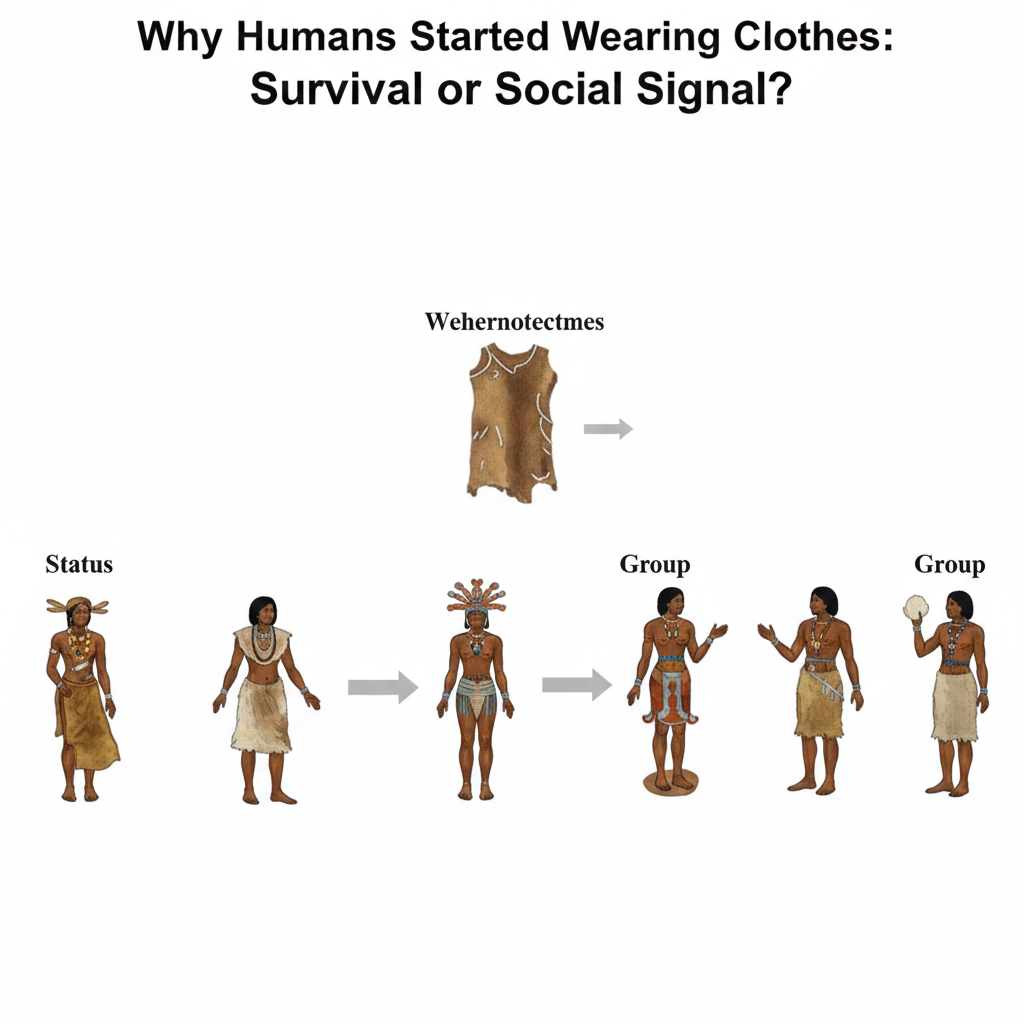
The decision between woven, knitted, and non-woven fabrics also reflects broader trends in fashion and functionality. Why humans started wearing clothes initially centered on protection and modesty, but as clothing evolved, so did the materials and methods used to create it. History of human clothing development shows how different fabric constructions have met changing needs over time, from the durability of woven textiles in ancient civilizations to the comfort of modern knits.
Ultimately, the best fabric construction depends on the garment’s purpose and the wearer’s priorities. Understanding the strengths and weaknesses of each type allows for smarter choices, whether you’re designing, purchasing, or simply appreciating the clothes you wear.
Fabric Construction as the Backbone of Modern Clothing
Woven, knitted, and non-woven fabrics represent three distinct approaches to creating textiles, each with unique properties and applications. Woven fabrics offer strength and structure. Knitted fabrics provide stretch and comfort. Non-woven fabrics deliver efficiency and specialized functionality.
These construction methods form the foundation of modern clothing. They determine how garments look, feel, and perform, influencing everything from silhouette and drape to durability and care requirements. Recognizing these differences deepens appreciation for the from fiber to fabric clothing process and the thoughtfulness behind every piece of clothing.
As fashion continues to evolve, so too will fabric construction techniques. Innovations in materials and manufacturing are expanding what’s possible, blending traditional methods with cutting-edge technology. Modern human clothing styles explained increasingly reflect this intersection of craft and innovation.
Whether you’re choosing a tailored jacket, a cozy sweater, or a high-tech performance shirt, understanding fabric construction helps you make informed decisions. It’s the backbone of modern clothing—quite literally the threads that hold it all together.