



Sustainable Clothing and the Future of Eco-Friendly Fashion


Fashion is changing. Consumers are asking harder questions about where their clothes come from, who made them, and what happens when they’re thrown away. The rise of environmental awareness has sparked a significant shift in how we think about clothing—one that prioritizes longevity, ethics, and ecological impact over fleeting trends.
This transformation didn’t happen overnight. For decades, the fashion industry operated on speed and volume. But as climate concerns intensified and labor practices came under scrutiny, people began demanding something different. They wanted garments that aligned with their values, not just their aesthetics.
Understanding how fast fashion changed modern human clothing helps explain why sustainable fashion has become so urgent. The old model of cheap, disposable clothing created environmental devastation and exploitative labor conditions. Now, brands and consumers alike are exploring alternatives that reduce harm without sacrificing style.
This blog explores what sustainable clothing really means, the materials and methods driving change, and how technology is reshaping the industry. We’ll also examine the psychological factors influencing our choices and what all of this means for the future of human clothing in a digital world.
What Is Sustainable Clothing?
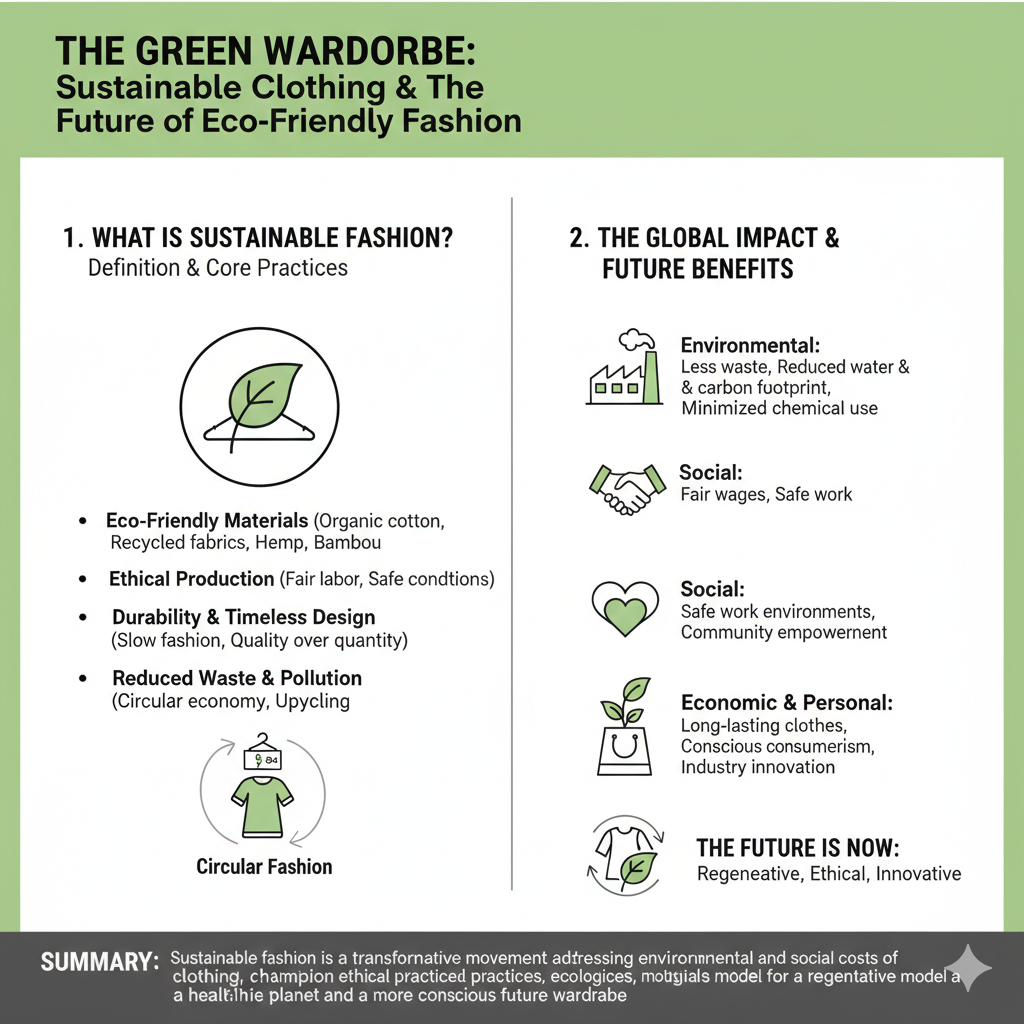
Sustainable clothing refers to garments designed, produced, and consumed in ways that minimize environmental damage and support fair labor practices. It encompasses everything from the raw materials used to the working conditions of those who make the clothes.
At its core, sustainable fashion challenges the notion that clothing should be cheap and disposable. Instead, it emphasizes quality, durability, and responsibility across the entire supply chain.
Ethical Materials and Production
Sustainable clothing begins with ethical sourcing. This means using materials that are renewable, biodegradable, or recycled—and ensuring they’re harvested or produced without exploiting workers or damaging ecosystems.
Organic cotton, for example, avoids synthetic pesticides and fertilizers that contaminate soil and water. Bamboo and hemp grow quickly with minimal resources. Recycled polyester diverts plastic waste from landfills and oceans.
But materials are only part of the equation. Production methods matter just as much. Sustainable brands prioritize fair wages, safe working conditions, and transparent supply chains. They avoid practices like water pollution, excessive carbon emissions, and exploitative labor.
Understanding the difference between woven and knitted garments also plays a role in sustainability. Certain construction methods use less energy or generate less waste, making them preferable from an environmental standpoint.
Slow Fashion vs Fast Fashion
Slow fashion stands in direct opposition to fast fashion. Where fast fashion prioritizes rapid production and low prices, slow fashion values craftsmanship, timeless design, and thoughtful consumption.
Fast fashion brands churn out new collections every few weeks, encouraging consumers to buy more and discard quickly. This model generates enormous waste and environmental harm. Garments are often poorly made, falling apart after just a few wears.
Slow fashion takes a different approach. It emphasizes quality over quantity, encouraging people to buy fewer items that last longer. This aligns closely with how minimalism influenced modern clothing styles, where simplicity and intentionality guide wardrobe choices.
By investing in well-made pieces, consumers reduce their overall environmental footprint. They also support brands that prioritize ethical practices over profit margins.
Eco-Friendly Fabrics and Construction Methods
The materials we wear have a profound impact on the planet. Traditional textiles like conventional cotton require massive amounts of water and pesticides. Synthetic fabrics like polyester are derived from petroleum and release microplastics into waterways.
Eco-friendly fabrics offer viable alternatives. Organic cotton, linen, and Tencel (made from sustainably harvested wood pulp) are biodegradable and require fewer resources. Recycled materials—such as polyester made from plastic bottles—give waste a second life.
The journey from fiber to fabric clothing process involves multiple stages, each with environmental implications. Sustainable brands scrutinize every step, from dyeing techniques to finishing treatments, to minimize pollution and resource use.
Construction methods also matter. Zero-waste pattern cutting reduces fabric scraps. Modular design allows garments to be easily repaired or updated. Even how fabric weight and texture affect clothing design can influence a garment’s lifespan and versatility.
By choosing eco-friendly fabrics and responsible construction methods, the fashion industry can significantly reduce its ecological footprint.
Sustainable Design and Clothing Silhouettes
Sustainability isn’t just about materials—it’s also about design. Garments that transcend trends and adapt to different contexts encourage longer use, reducing the need for constant replacement.
Understanding what is a clothing silhouette helps designers create versatile pieces that work across seasons and occasions. A well-designed silhouette flatters various body types, pairs easily with other items, and remains stylish year after year.
The evolution of loose vs fitted clothing silhouettes demonstrates how fashion trends shift over time. Sustainable design often favors timeless shapes that don’t go out of style, allowing wearers to enjoy their clothes for decades rather than months.
Designers are also embracing modularity and adaptability. Reversible garments, detachable components, and adjustable fits extend the life of clothing by offering multiple styling options. This approach reduces waste and maximizes value.
By prioritizing longevity and versatility in design, sustainable fashion challenges the disposable mindset that has dominated the industry for too long.
Psychological Shift Toward Conscious Fashion
Sustainable fashion isn’t just a practical choice—it’s a psychological one. What we wear reflects our values, identities, and beliefs. As environmental awareness grows, more people are using clothing as a form of self-expression that aligns with their principles.
Research shows that how clothing affects confidence and human psychology extends beyond appearance. When people wear clothes that align with their ethical values, they experience a sense of integrity and purpose. This psychological boost reinforces sustainable habits.
Fashion has always been intertwined with identity. Understanding how clothing reflects culture and social identity reveals how deeply our wardrobes connect to who we are and what we stand for. Choosing sustainable fashion becomes a way to signal values like environmental stewardship, social justice, and mindful consumption.
This shift also involves rejecting the pressure to constantly update one’s wardrobe. Instead of chasing trends, conscious consumers curate collections that reflect their personal style and endure over time.
The psychological dimension of sustainable fashion is powerful. It transforms clothing from mere commodity into a meaningful expression of self and values.
Technology and Innovation in Sustainable Fashion
Technology is revolutionizing how we design, produce, and consume clothing. Innovations in materials science, digital design, and manufacturing processes are making sustainable fashion more accessible and effective.
Smart textiles represent one frontier. These fabrics incorporate sensors, conductive fibers, or phase-change materials that respond to environmental conditions. Smart clothing and wearable technology explained shows how garments can now monitor health, regulate temperature, or even generate energy.
Digital fashion offers another exciting development. Virtual garments exist only online, reducing physical waste entirely. Virtual fashion and digital clothing revolution explores how digital-only designs are gaining traction, especially in gaming, social media, and virtual events.
3D printing and on-demand manufacturing minimize overproduction. Instead of creating large inventories that often end up unsold and discarded, brands can produce garments only when ordered. This reduces waste and allows for greater customization.
Blockchain technology enhances transparency, enabling consumers to trace a garment’s journey from raw material to finished product. This accountability holds brands responsible for their environmental and ethical claims.
These technological advancements don’t replace traditional craftsmanship—they complement it, offering new tools to build a more sustainable fashion industry.
Sustainability as the Future Direction of Human Clothing
Sustainable fashion isn’t a passing trend. It represents a fundamental reimagining of how we produce, consume, and think about clothing. As environmental challenges intensify, the fashion industry must continue evolving toward practices that respect both people and the planet.
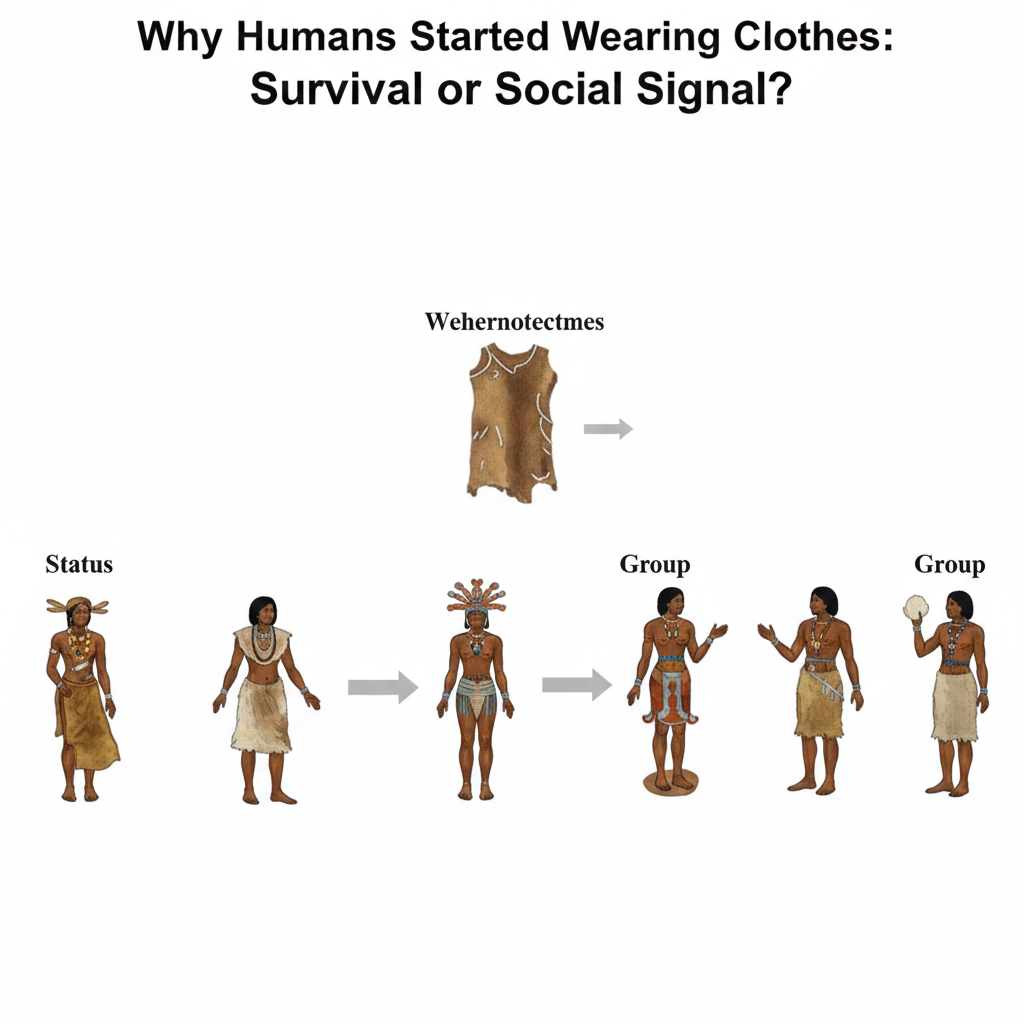
Reflecting on why humans started wearing clothes reminds us that fashion has always served multiple purposes—protection, identity, social signaling. Sustainability adds a new dimension: responsibility. Our clothing choices now carry weight beyond personal preference, influencing global ecosystems and communities.
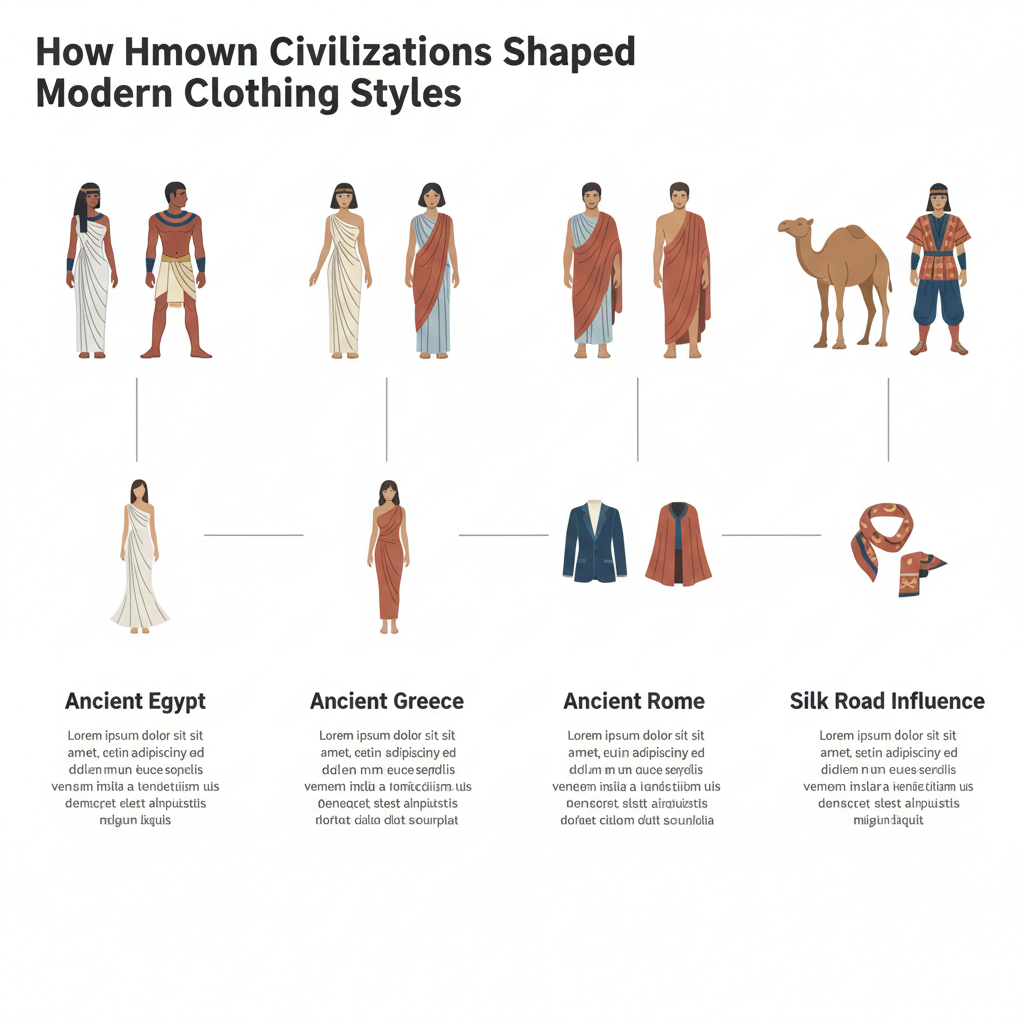
The history of clothing evolution shows that fashion constantly adapts to cultural, technological, and environmental shifts. Sustainable fashion is the latest chapter in this ongoing story, one that prioritizes longevity, ethics, and ecological balance.
Looking ahead, the [future of human clothing hub](Future Hub) will likely feature even more innovation—from lab-grown leather to garments that biodegrade within months. But technology alone won’t solve the problem. Real change requires shifts in consumer behavior, industry standards, and cultural values.
Sustainable fashion invites us to slow down, think critically, and make choices that reflect our deepest values. It challenges the disposable mindset and offers a vision of clothing that honors craftsmanship, respects workers, and protects the environment.
The future of fashion is sustainable—not because it’s trendy, but because it’s necessary. By embracing eco-friendly materials, ethical production, and thoughtful design, we can create a fashion industry that serves both style and substance for generations to come.