





Sovereignty vs. Safety: The Bitter Battle Over Federal Agents in Blue Cities


Introduction: Setting the Stage
The tension between federal agents and local governance has increasingly become a significant issue, especially in cities characterized by progressive leadership, often referred to as “blue cities.” This conflict is underscored by the contrasting philosophies of public safety and local sovereignty, raising critical questions about the extent of federal involvement in urban law enforcement. Recent events have highlighted this ongoing jurisdictional struggle, with federal agents being deployed in some cities amid rising concerns over crime rates, protests, and public safety measures.
Particularly during times of civil unrest or when specific incidents prompt local protests, the presence of federal agents can lead to dramatic escalations in tensions. Notable examples from the past few years have illustrated this dynamic vividly, where communities grapple with feelings of vulnerability and the perceived overreach of federal power. Local officials, often elected on platforms promoting reform and community-based approaches to policing, find themselves at odds with federal policies perceived as authoritarian or invasive.
The stakes involved in this battle cannot be overstated. On one hand, there is a pressing need for safety and security in urban areas, which often face unique challenges, including rising crime or public disorder. Conversely, the principles of local governance and autonomy must be upheld to respect the democratic choices of communities. This digital tug-of-war between state and federal authority poses significant implications for the public’s trust and the overall effectiveness of law enforcement strategies.
Consequently, the ongoing dialogue surrounding federal agents’ roles in blue cities not only reflects broader societal issues but also serves as a microcosm for the ongoing debate over governance, law, and community safety. Understanding this intricate balance will be paramount going forward as communities seek to navigate the complexities of federal involvement in urban law enforcement.
Understanding Federal Agents’ Roles
Federal agents play a pivotal role in the enforcement of laws and the maintenance of order in the United States. Various federal agencies, including the Transportation Security Administration (TSA), Immigration and Customs Enforcement (ICE), and U.S. Marshals, each have designated responsibilities that contribute to national security and law enforcement.
The TSA is primarily tasked with safeguarding the transportation systems in the U.S., particularly airports and aircraft. This includes screening passengers and luggage to prevent potential threats to aviation. While TSA agents do not typically operate in urban neighborhoods, their duties can indirectly influence federal operations in cities, especially during high-alert periods.
ICE focuses on immigration enforcement and customs regulations. Its role extends to investigating and apprehending individuals involved in illegal immigration and various criminal activities, such as human trafficking and drug smuggling. ICE agents often collaborate with local law enforcement in investigations and operations, particularly in areas with large immigrant populations where crime rates can be higher.
U.S. Marshals, on the other hand, have a broader scope that includes apprehending fugitives, executing federal court orders, and managing prisoners. Their operations frequently intersect with local police departments during instances of civil unrest or heightened criminal activity. This cooperation is governed by legal frameworks aimed at maintaining public safety while respecting local autonomy.
In recent times, the deployment of federal agents to urban areas has sparked debate over the balance between federal authority and local governance. As federal agents engage in law enforcement activities, they must navigate complex legal justifications for their presence, particularly in contexts where tensions may be running high due to unrest or significant crime. Understanding the nuances of their roles is essential to grasp the ongoing discussion surrounding sovereignty versus safety in blue cities.
The involvement of federal agents in local policing has a complex history that reflects various social, political, and economic tensions in the United States. Historical instances of federal intervention often arose in response to perceived failures of local law enforcement to maintain public order or protect civil rights. A noteworthy example occurred during the Civil Rights Movement of the 1960s when federal agents were deployed to ensure the safety of activists and to enforce desegregation efforts. Events such as the Freedom Rides and the Selma to Montgomery marches highlighted a critical need for intervention when local authorities either resisted federal mandates or actively oppressed civil rights demonstrations.
Another significant event in the context of federal involvement occurred during the War on Drugs in the 1980s and 1990s. Cities grappling with rising crime rates and drug-related violence saw increased federal resources allocated to combat drug trafficking and crime syndicates. The rationale was to enhance the safety of communities plagued by violence, but this often led to a militarization of local police forces and strained relationships between law enforcement and minority communities. Federal agents were positioned in urban areas to tackle issues that local police were perceived as ill-equipped to handle effectively.
Over the years, these interventions have been met with varying reactions from local populations. While some view federal presence as a necessary safeguard against lawlessness, others perceive it as an infringement on local sovereignty and civil liberties. The push and pull between maintaining safety and upholding state and local governance continues to shape the discourse surrounding federal involvement in urban policing. Understanding this historical context is crucial for evaluating current debates regarding federal agents in cities, as the legacy of past interventions informs present perceptions and policies.
The Voices of Local Leaders
The debate surrounding the presence of federal agents in blue cities has elicited strong responses from local leaders. Mayors, city council members, and community organizers express a wide array of views influenced by their firsthand experiences and community needs. One primary concern articulated by these leaders is the potential for federal overreach, which they perceive as undermining their authority and governance. Many believe that federal forces, acting outside of local directives, create an environment of mistrust between community members and law enforcement. This disconnect can erode the already fragile trust that exists, significantly impacting community relations.
Moreover, local leaders argue for the enhancement of local autonomy in law enforcement matters. They advocate that decisions regarding policing strategies and community safety should prioritize the voices and interests of the residents rather than being dictated externally by federal agencies. A city council member from a prominent blue city emphasized that local governance allows for more tailored responses to unique community dynamics. This perspective highlights the importance of aligning law enforcement practices with the specific needs and concerns of the populations they serve.
Furthermore, community organizers echo these sentiments, often stressing that when federal agents intervene in blue cities, it can exacerbate existing tensions, particularly in communities of color. They call for solutions that rely on community engagement and restorative justice practices rather than federal interventions that prioritize punitive measures. Local leaders collectively emphasize the necessity of dialogue over division, suggesting that a collaborative approach to safety and autonomy is essential for fostering trust and cooperation among various stakeholders.
In conclusion, the voices of local leaders in blue cities reflect a profound commitment to enhancing community autonomy, addressing federal overreach, and improving the relationship between law enforcement and residents. Their perspectives underscore the complexities and nuances of this ongoing debate, revealing that the balance between sovereignty and safety is fundamental to future policymaking.
Public Safety Concerns: Crime Rates and Community Safety
In urban areas governed by predominantly liberal governments, often defined as “blue cities,” the deployment of federal agents has sparked significant debate surrounding public safety and crime rates. Many proponents argue that such interventions are necessary to combat rising crime levels, particularly in cities experiencing spikes in violence, property crime, and drug-related offenses. For instance, reports from law enforcement agencies indicate that certain blue cities have witnessed a noticeable surge in crime in recent years, leading to heightened concerns among community members about safety and security.
Statistics reveal a mixed landscape; while some blue cities have experienced a reduction in specific crime figures after federal intervention, there is also evidence indicating that federal presence can exacerbate local tensions. Critics often suggest that the imposition of federal agents in high-crime areas may further alienate marginalized communities, leading to distrust between citizens and law enforcement. As a result, the question arises: do federal agents truly enhance community safety or do they serve to inflame existing hostilities?
A closer examination of various case studies illustrates the complexity of this issue. In cities like Chicago and Portland, for instance, federal interventions have been associated with both a decline in certain crime rates and an increase in civil unrest. Opponents argue that such measures do not address the root causes of crime, such as poverty, lack of education, and systemic inequality, and instead advocate for a more community-driven approach to safety. This divergence in perspective raises essential questions regarding the efficacy and long-term impact of enforcing federal authority in blue cities.
In assessing community safety, it becomes clear that the relationship between federal agents and crime rates is multifaceted. Ongoing debates about the best methods for preserving public safety suggest that any resolution must consider not only the immediate effects of federal interventions but also their broader implications for community relations and trust in law enforcement.
Civil Liberties and the Role of Federal Agents
The deployment of federal agents in urban environments has generated significant concern regarding the implications for civil liberties. Critics argue that the presence of these agents often leads to rights violations, particularly in communities of color, where trust between law enforcement and residents is already fragile. Incidents such as the use of force during protests have raised alarm among civil rights groups, sparking a debate on the appropriateness of federal involvement in local policing.
One notable incident occurred during the protests in Portland, Oregon, following the death of George Floyd. Federal agents were dispatched to assist local law enforcement, which prompted accusations of excessive force and suppression of First Amendment rights. Observers noted that the aggressive tactics employed by federal personnel not only violated the rights of demonstrators but also deepened racial tensions in the area. This and similar situations have led to legal challenges aimed at curtailing federal authority over local policing matters.
Legal battles surrounding this issue are ongoing, with numerous lawsuits filed against the federal government for violations of constitutional rights. In some cases, courts have ruled in favor of plaintiffs, emphasizing the need to protect civil liberties, especially in communities disproportionately affected by policing. Legislative actions have also been introduced at various levels of government to limit the scope of federal involvement in state and local law enforcement.
The intersection of civil liberties and federal law enforcement presents a complex landscape where the need for safety often clashes with the preservation of individual rights. As debates continue over the role of federal agents in cities, the consequences for civil rights remain at the forefront of this bitter battle, highlighting a critical need for reform to safeguard liberties while ensuring public safety.
The Politics of Sovereignty: The Role of State Leadership
The relationship between state leadership and federal agents in urban areas, commonly referred to as blue cities, epitomizes the intricate dynamics of political power in the United States. The ongoing debate surrounding state sovereignty versus federal oversight reveals fundamental divisions between conservative and liberal governors regarding the policing strategies employed within their jurisdictions. The presence of federal agents has become increasingly controversial, particularly in contexts perceived as undermining local authority.
Conservative leaders often argue that state sovereignty must be upheld against federal interventions, viewing federal agents deployed in blue cities as an infringement on the rights of state governments. They assert that states should possess the autonomy to determine their law enforcement policies without external influence. This perspective emphasizes the idea that local governments are better positioned to understand and address the unique challenges their communities face. Furthermore, conservative narratives often frame the federal presence as a necessary measure to combat rising crime rates. The argument hinges on the notion that federal agents provide a needed boost to local law enforcement, particularly in areas where crime rates are notably high.
In stark contrast, many liberal leaders assert that the deployment of federal agents often exacerbates tensions between law enforcement and minority communities. They argue that these interventions disrupt local governance and often result in disproportionate policing of specific demographic groups. This perspective raises concerns about civil liberties and the potential for abuse of power by federal agents, calling into question the legitimacy of federal intervention in what they consider local matters. The conflict between state leaders is not merely a matter of preference but reflects deeper ideological divides over the role of government, the protection of civil rights, and community safety.
Public Opinion: Citizens’ Views on Federal Agents
The issue of federal agents in blue cities often sparks a wide range of opinions among the populace. Recent surveys reveal that citizens’ perspectives on this matter are deeply influenced by factors such as political affiliation, demographic background, and individual experiences with law enforcement. In various polls conducted across the United States, it became apparent that there exists a significant divide in public sentiment regarding the presence of federal law enforcement in urban areas, particularly those known for their progressive stances.
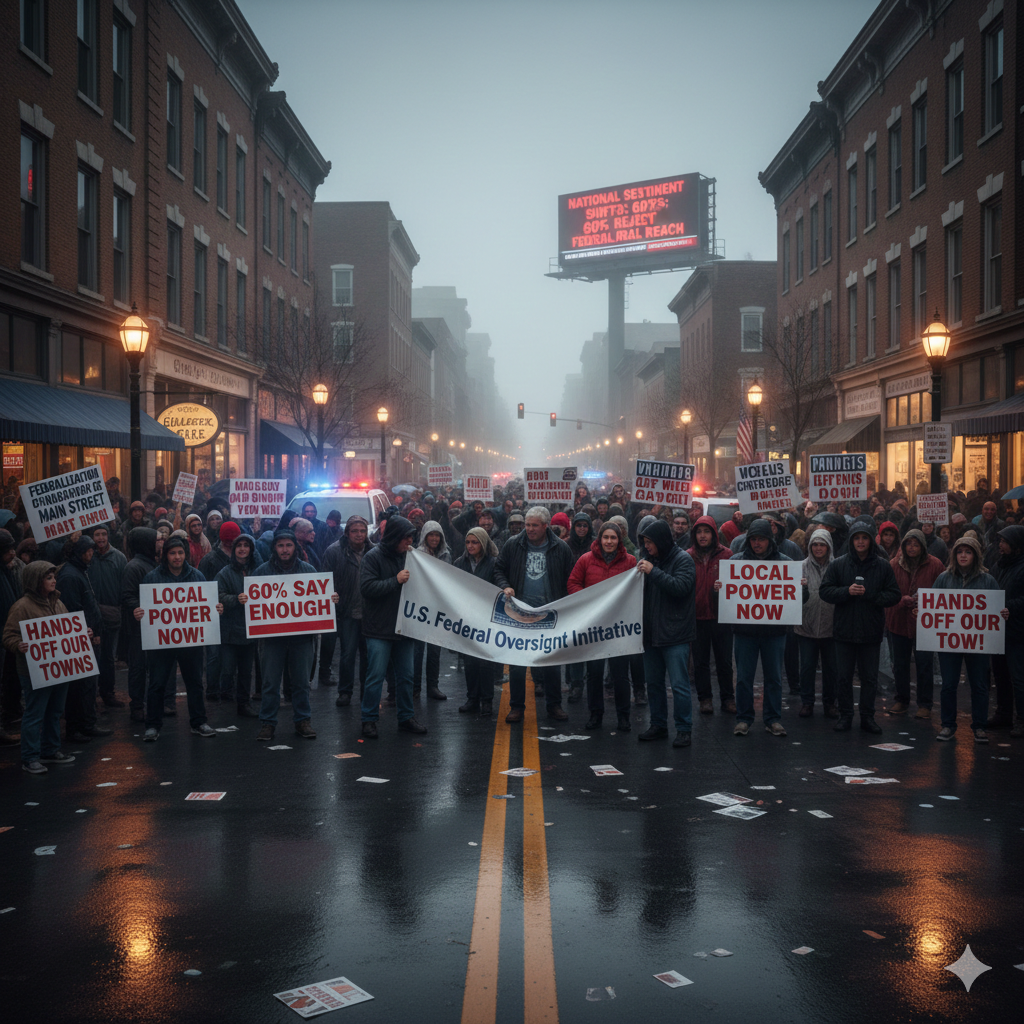
For instance, a survey conducted by a leading research institution indicated that around 60% of respondents in predominantly blue cities feel that the deployment of federal agents undermines local authority and infringes on the principle of sovereignty. In contrast, a notable portion of respondents, approximately 40%, expressed concern over rising crime rates, advocating for a more robust federal presence as a means of ensuring public safety. This stark contrast highlights the nuanced relationship between citizens’ views on federal agents and their underlying concerns about crime control, civil rights, and community autonomy.
Demographic analysis shows that younger individuals and people of color tend to oppose federal involvement more than older, predominantly white demographics, who may view such actions as necessary for maintaining law and order. Furthermore, political affiliations play a critical role, where Democrats generally voice skepticism about federal interventions, while Republicans often support a stronger federal presence in combating crime.
The perceptions regarding federal agents are not merely abstract opinions but contribute to shaping local policy and public discourse. Understanding these sentiments is crucial for policymakers, as they navigate the delicate balance between enforcing law and upholding the sovereignty of local municipalities. The divide in public opinion underscores an ongoing dialogue that continues to evolve with the sociopolitical landscape.
Conclusion: The Future of Sovereignty and Safety in Urban America
The ongoing discourse surrounding federal agents in urban environments, particularly in blue cities, highlights a complex interplay between the principles of sovereignty and the necessity for safety. Throughout this blog post, we have examined the multifaceted arguments supporting and opposing federal intervention. Proponents of federal presence contend that such measures are essential for addressing rising crime rates, especially in cities grappling with challenges in local law enforcement capabilities. They argue that federal agents can bring additional resources and expertise needed to combat violence and crime effectively.
Conversely, critics raise concerns about the potential erosion of local governance and community trust. The deployment of federal agents is often perceived as an infringement upon the autonomy of local authorities, which can exacerbate tensions between communities and law enforcement. This dichotomy presents a significant challenge in achieving a balance that respects both the need for public safety and the sovereignty of local governments.
Looking ahead, it is paramount for all stakeholders—government officials, community leaders, and citizens alike—to engage in open dialogues aimed at crafting solutions that accommodate both safety concerns and the preservation of local governance. Potential resolutions may include developing frameworks for collaborative partnerships between federal and local law enforcement agencies, ensuring that community perspectives are prioritized in the decision-making process. Additionally, enhancing transparency and accountability can help rebuild trust between residents and law enforcement.
Ultimately, thoughtful engagement and compromise will be essential as urban America navigates the future of sovereignty and safety. It is through these discussions that a more harmonious relationship may be achieved, fostering environments where both security and community autonomy thrive together.