



Smart Clothing and Wearable Technology Explained


Clothing has always been more than fabric stitched together. It began as protection from the elements, evolved into a marker of identity, and now stands on the edge of something entirely new. Smart clothing and wearable technology are redefining what it means to get dressed, blending fashion with function in ways our ancestors could never have imagined.
These garments don’t just cover the body—they respond to it. They monitor heart rates, adjust temperature, track movement, and connect to digital ecosystems. This shift represents a natural continuation of the future of human clothing in a digital world, where innovation meets necessity and style merges with science.
Understanding how clothes are made from fiber to fabric helps us appreciate the leap from traditional textiles to materials embedded with sensors and circuitry. Smart clothing isn’t a distant sci-fi concept anymore. It’s here, worn by athletes, healthcare patients, and everyday people seeking convenience and insight into their bodies.
This blog explores what smart clothing is, how it works, and where it fits into the broader story of human dress. From ancient survival gear to digital garments that adapt in real time, clothing continues to evolve—and wearable technology is simply the next chapter.
What Is Smart Clothing and How Does It Work?
Smart clothing refers to garments embedded with technology that collects data, responds to the environment, or enhances the wearer’s experience. Unlike accessories like smartwatches, these items integrate tech directly into the fabric, making them less intrusive and more intuitive.
Sensors, Connectivity, and Adaptive Materials
At the core of smart clothing are sensors—tiny devices woven into or attached to textiles. These sensors can track biometric data such as body temperature, heart rate variability, muscle activity, and even hydration levels. The data is transmitted wirelessly to smartphones or cloud platforms, where it can be analyzed and acted upon.
Connectivity is another key feature. Many smart garments use Bluetooth or Wi-Fi to sync with apps, allowing wearers to monitor their health metrics in real time. Some advanced pieces even use conductive threads that serve as both fabric and circuitry, creating garments that are fully washable and flexible.
Adaptive materials take things further. These fabrics can change properties based on external conditions. For example, some smart jackets adjust insulation levels depending on temperature, while others alter their breathability during physical activity. This level of responsiveness marks a significant departure from static textiles.
Everyday Examples of Wearable Technology
Smart clothing is already integrated into daily life. Compression shirts designed for runners monitor breathing patterns and posture. Heated vests with app-controlled warmth settings help outdoor workers stay comfortable. Even socks with embedded sensors can detect pressure points and alert diabetic patients to potential ulcers.
Understanding the difference between woven and knitted garments becomes relevant here, as the construction method impacts how technology is embedded. Knitted fabrics, for instance, offer more stretch and flexibility, making them ideal for athletic wear that needs to accommodate movement and sensor placement.
The rise of athleisure clothing trends has also fueled demand for smart activewear. Consumers want clothes that look good, feel comfortable, and provide performance feedback—all without needing to strap on extra devices.
Evolution from Functional Clothing to Intelligent Garments
Clothing has always served a purpose beyond modesty. Early garments protected humans from harsh climates and physical dangers. Over millennia, they became tools for communication, status, and self-expression. Now, they’re becoming intelligent.
How ancient humans adapted clothing for hunting and survival shows us that function has always driven innovation. Animal hides, plant fibers, and woven textiles were early technologies in their own right. They kept people warm, dry, and safe.
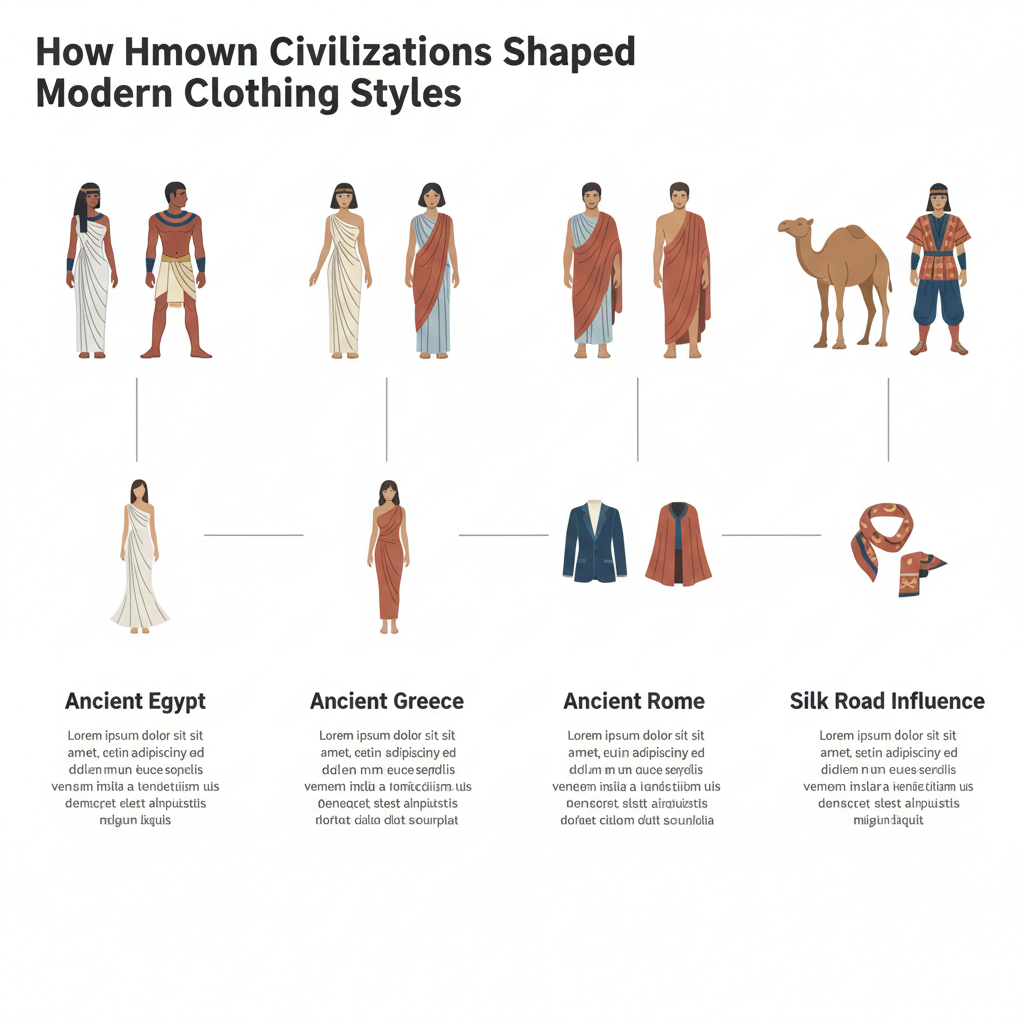
As societies developed, so did clothing’s role. How ancient civilizations shaped clothing styles reveals how garments became markers of wealth, occupation, and cultural identity. Fabrics like silk and wool weren’t just materials—they were statements.
Fast forward to the 21st century, and clothing is entering a new phase. Smart garments maintain the protective and expressive qualities of traditional dress while adding layers of functionality. They can alert wearers to health risks, improve athletic performance, and even change appearance based on mood or environment.
This isn’t a break from tradition—it’s an extension of it. Just as humans once innovated with leather and linen, today’s designers innovate with conductive fibers and embedded processors.
Smart Clothing and Changing Silhouettes
Technology doesn’t just change what clothing does—it can change how it looks. As smart garments become more sophisticated, they may influence the shapes and structures we consider fashionable.
What is a clothing silhouette examines how garment shapes reflect cultural values and practical needs. Historically, silhouettes have shifted based on everything from social norms to industrial advancements. Corsets, shoulder pads, and baggy streetwear all tell stories about the times they emerged from.
Wearable technology introduces new considerations. Battery packs, sensors, and wiring must be incorporated without compromising aesthetics or comfort. This has led to innovative design solutions: flat, flexible batteries that sit seamlessly along seams, sensors disguised as decorative elements, and fabrics that hide circuitry within their weave.
How body shapes influence clothing silhouettes remains relevant even as garments become smarter. Designers must account for diverse body types while ensuring tech components function properly. A heart rate monitor placed incorrectly won’t provide accurate data, no matter how stylish the garment.
We may see entirely new silhouettes emerge as smart clothing becomes mainstream. Imagine jackets that expand or contract based on internal temperature regulation, or dresses that shift their drape through embedded shape-memory alloys. Fashion and function could merge in ways that redefine what we expect from our wardrobes.
Psychological and Social Impact of Wearable Tech
Clothing has always influenced how we see ourselves and how others see us. Smart clothing adds another dimension to this relationship by introducing data and connectivity into personal style.
How clothing affects confidence and human psychology explores the powerful link between what we wear and how we feel. A well-fitted suit can boost self-assurance. A favorite pair of jeans can feel like armor. Smart clothing amplifies this by providing real-time feedback and validation.
For athletes, seeing immediate performance metrics can enhance motivation and goal-setting. For individuals managing chronic conditions, wearable health monitors offer peace of mind and early warning systems. The psychological benefits extend beyond vanity—they touch on control, awareness, and empowerment.
However, smart clothing also raises questions about privacy and identity. When your shirt tracks your location, heart rate, and activity levels, who owns that data? How much information are we willing to share in exchange for convenience?
What clothing says about identity in modern society delves into how fashion communicates who we are. Smart garments add a layer of complexity: they broadcast not just style preferences, but also health status, fitness levels, and lifestyle habits. This transparency can be liberating or invasive, depending on context and consent.
Socially, wearable tech may create new divides. Access to high-quality smart clothing could become a marker of privilege, much like designer labels are today. Alternatively, widespread adoption could democratize health monitoring and performance optimization, making advanced wellness tools available to more people.
The key will be ensuring that smart clothing enhances human experience without eroding autonomy or deepening inequality.
Sustainability and the Future of Smart Fashion
As the fashion industry grapples with its environmental impact, smart clothing presents both opportunities and challenges for sustainability.
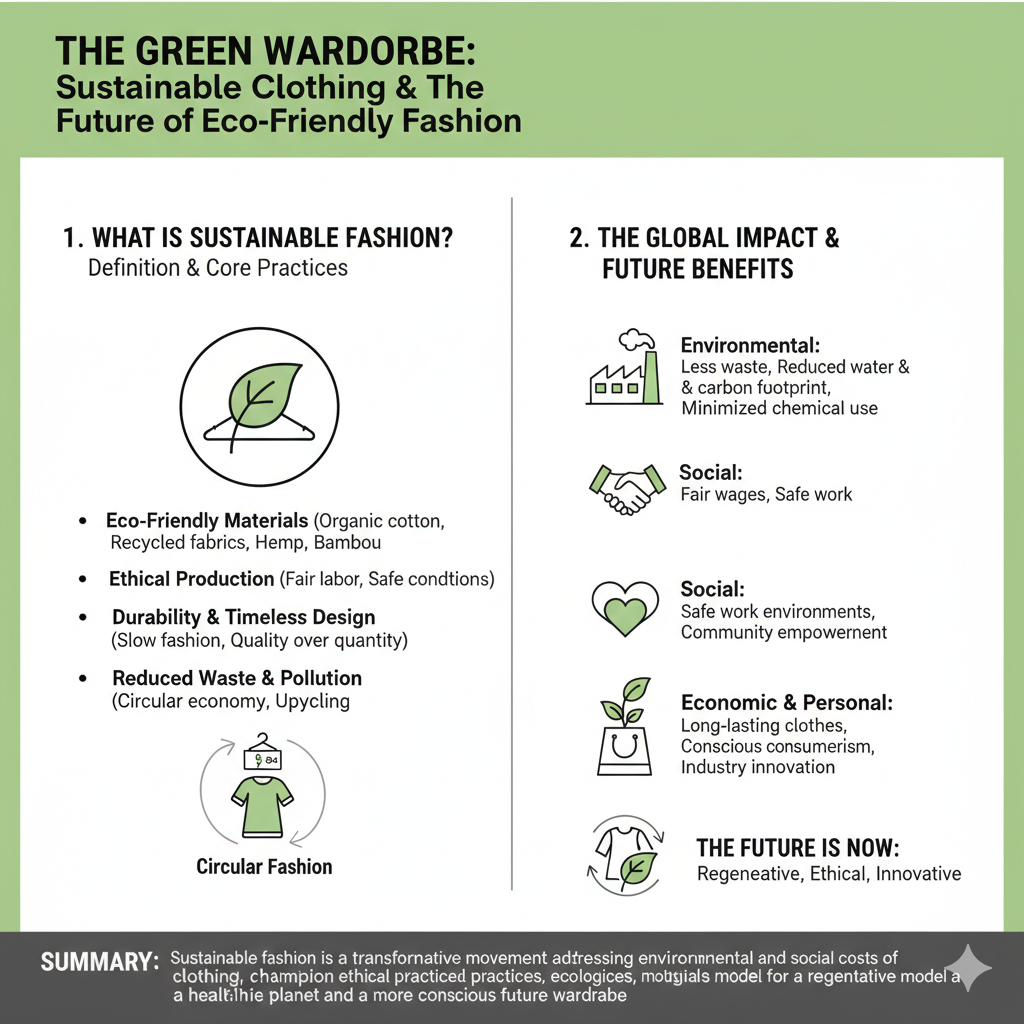
The rise of sustainable modern clothing highlights growing consumer demand for eco-friendly fashion. Smart garments can contribute to this shift by extending the lifespan of clothing. Adaptive fabrics that regulate temperature reduce the need for multiple seasonal wardrobes. Garments that monitor wear and tear can alert users to repair needs before damage becomes irreparable.
Some smart textiles are designed with circularity in mind. Modular components allow tech elements to be removed and upgraded without discarding the entire garment. This contrasts sharply with fast fashion’s disposable model.
However, challenges remain. Electronics embedded in clothing complicate recycling processes. Batteries, sensors, and conductive threads require specialized disposal methods. The energy required to produce smart textiles can be higher than that of traditional fabrics, depending on materials and manufacturing processes.
Innovation is pushing the field forward. Researchers are developing biodegradable sensors, solar-powered garments, and fabrics made from recycled electronic waste. These advances suggest a future where smart clothing doesn’t just perform better—it leaves a lighter footprint.
Modern human clothing styles explained shows us that fashion is always evolving. The next wave of evolution will likely integrate sustainability as a core principle, not an afterthought. Smart clothing has the potential to lead this transformation if designed with care and intention.
Technology as the Next Evolution of Human Clothing
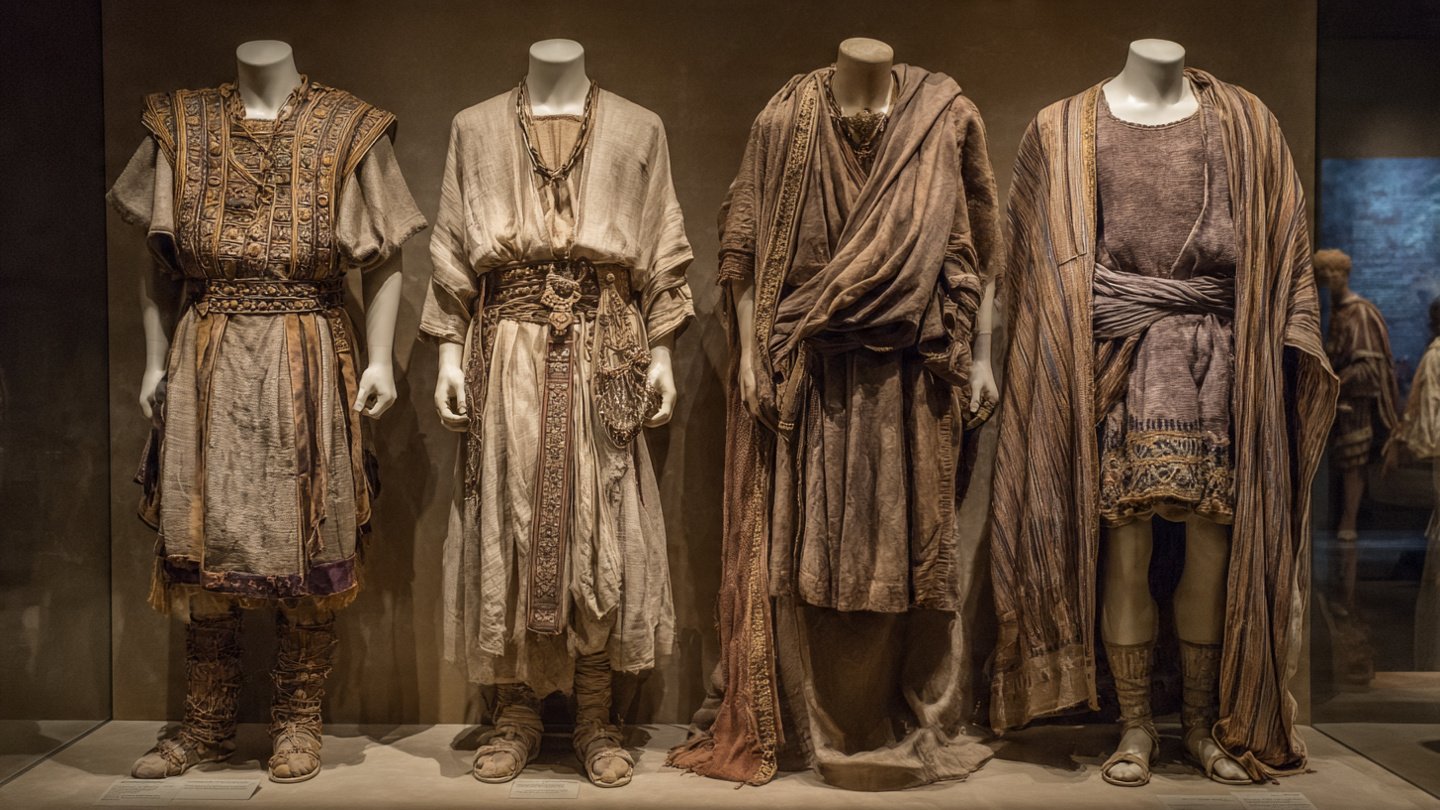
Clothing has journeyed from animal hides to haute couture, from survival gear to status symbols. Each era brought new materials, techniques, and meanings. Wearable technology is simply the latest milestone in this ongoing story.
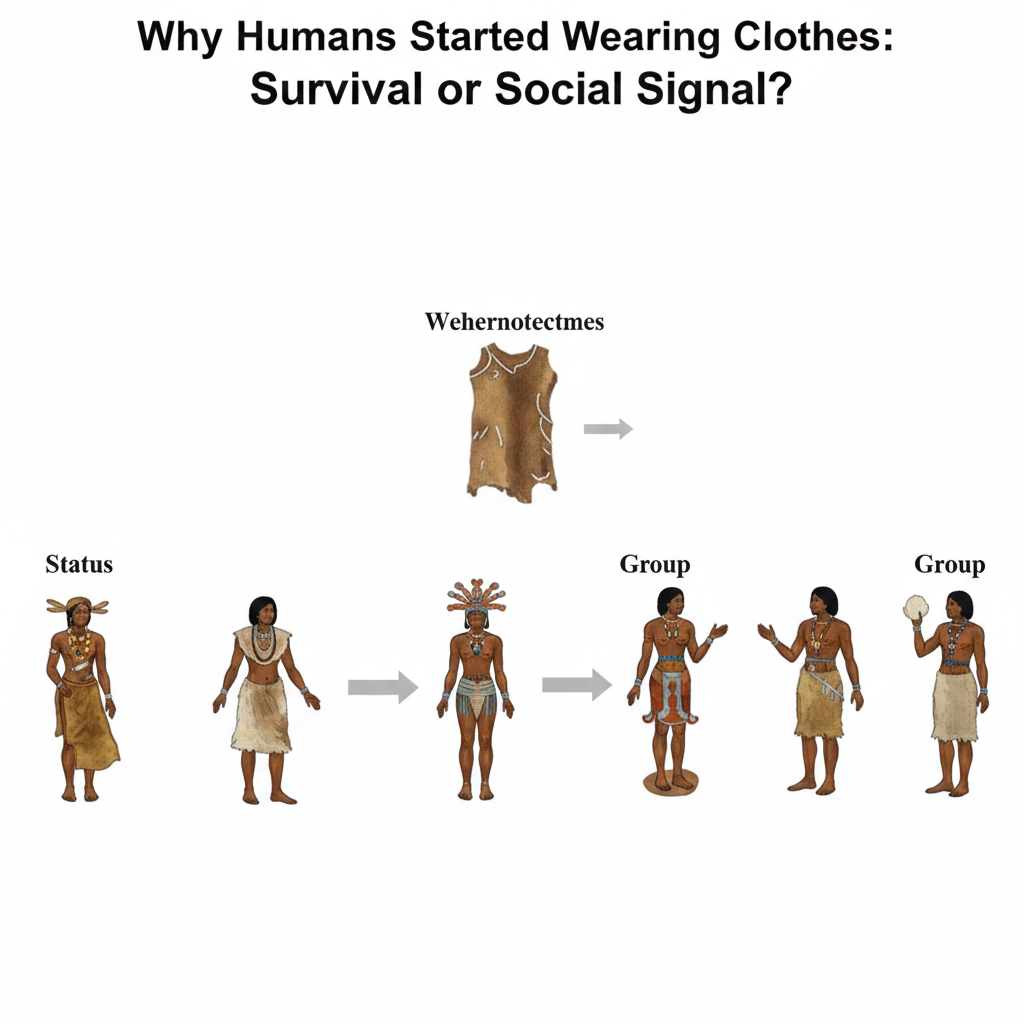
Why humans started wearing clothes reminds us that function came first. Protection from the cold, sun, and physical harm drove early garment use. Over time, clothing took on cultural, social, and personal significance. It became a canvas for creativity and a tool for communication.
Smart clothing doesn’t abandon these roots. It builds on them. A jacket that warms you automatically still fulfills the protective function of ancient furs. A shirt that monitors your heart rate echoes the way clothing has always been intimate—close to the body, attuned to its needs.
The history of clothing evolution is a testament to human ingenuity. Each innovation—from the loom to the sewing machine to synthetic fibers—expanded what clothing could do. Wearable technology is the next frontier, blending textile craft with digital capability.
As we move forward, the challenge will be balancing innovation with humanity. Technology should enhance the experience of getting dressed, not complicate it. Smart clothing should serve the wearer, respecting privacy, comfort, and personal expression.
The future of fashion isn’t just about what’s next—it’s about remembering where we’ve been. Clothing has always adapted to meet human needs. Wearable technology is simply helping it adapt a little faster.