

Seasonal Fashion Buying Behavior Explained in the USA

Fashion is rarely just about what you wear; it’s about when you wear it. If you have ever felt the urge to buy a cozy sweater the moment the first leaf falls in October, or rushed to grab a new swimsuit at the first hint of June sunshine, you have participated in seasonal fashion buying behavior.
In the United States, the fashion industry operates on a strict clock. Time drives everything from design and production to marketing and markdowns. Seasonal demand patterns dictate when stores stock bikinis and when they push parkas. For consumers, these shifts feel natural—almost instinctive—but for retailers, understanding this behavior is a high-stakes game of prediction and strategy.
While trends come and go, the calendar remains the most consistent influence on how Americans shop for clothes. Yet, this behavior isn’t static. It shifts as consumers navigate changing climates, evolving personal styles, and the convenience of digital shopping. By exploring how seasonality shapes purchasing decisions, we can better understand the forces behind every “add to cart” moment.
What Is Seasonal Fashion Buying Behavior?
At its core, seasonal fashion buying behavior refers to the patterns and motivations that drive consumers to purchase specific types of clothing at different times of the year. It is a cycle heavily influenced by weather, cultural events, and retail calendars.
In the USA, this behavior generally splits into two categories: planned purchases and impulse buys. Planned purchases happen when consumers anticipate a need. Parents buying back-to-school outfits in August or a skier purchasing gear in November fall into this camp. Impulse purchases, on the other hand, are often triggered by sudden weather changes or emotional reactions to new seasonal displays.
The traditional fashion calendar revolves around two main seasons: Spring/Summer and Fall/Winter. However, modern consumer habits have fractured this binary. We now see micro-seasons, resort collections, and pre-fall drops, all designed to keep shoppers engaged year-round. Understanding seasonal fashion buying behavior in the USA means recognizing that while the calendar provides the framework, consumer lifestyle needs provide the engine.
How Seasons Influence Fashion Purchases
The changing seasons serve as the primary catalyst for wardrobe updates. Each quarter brings a distinct psychological shift, prompting consumers to rethink their closet.
Spring Refresh and Wardrobe Updates
As winter thaws, a sense of renewal drives spending. This period is characterized by the “spring clean” mindset. Consumers are looking to shed heavy layers in favor of lighter fabrics and brighter colors. Seasonal fashion trends in the USA during spring often focus on transition pieces—items like denim jackets, cardigans, and breathable knits that work for fluctuating temperatures.
Summer Essentials and Lightweight Clothing
Summer buying is urgent and activity-driven. Purchases spike for vacations, weddings, and outdoor festivals. The focus shifts entirely to comfort and heat management. Fabrics like linen and cotton dominate, and categories like swimwear and sandals see their peak sales.
Fall Layering and Style Transitions
For many American fashion enthusiasts, fall is the most exciting shopping season. The “back-to-school” energy lingers long into adulthood, encouraging a wardrobe reset. This is the season of layering. Consumers invest in higher-ticket items like boots, leather jackets, and quality denim. The aesthetic shift is palpable, moving toward earth tones and richer textures.
Winter Warmth and Outerwear Demand
Winter shopping is functional. While holiday party outfits drive some volume, the core demand is protection from the elements. In colder states, practical outerwear is non-negotiable. However, late winter often sees a dip in full-price sales as consumers wait for clearance events or start dreaming of spring break.
Weather, Climate & Regional Differences
It is impossible to discuss fashion seasonality without discussing geography. The United States is massive, boasting climates that range from sub-tropical to sub-arctic. Consequently, the weather impact on fashion shopping in the USA varies wildly depending on your zip code.
Regional Climate Variations
A shopper in Miami has a completely different seasonal calendar than one in Chicago. In Florida or Southern California, “winter” fashion might mean a light hoodie, whereas in the Midwest, it requires heavy down coats and thermal layers. Retailers must adapt their inventory regionally to avoid stocking wool coats in 80-degree weather or bikinis during a blizzard.
Urban vs Rural Buying Patterns
Lifestyle also dictates seasonal needs. Urban dwellers who walk or take public transit are more exposed to the elements and often prioritize stylish yet highly functional outerwear. Rural consumers might prioritize durability and utility suited for outdoor work or recreation.
Unpredictable Weather and Flexible Fashion
Climate change has introduced a wildcard: unpredictability. Unseasonably warm winters or cool summers disrupt traditional buying cycles. This has led to the rise of “trans-seasonal” clothing—garments that can be layered and worn year-round. Consumers are increasingly wary of investing heavily in items they can only wear for a few weeks, preferring versatile pieces that offer better cost-per-wear.
Fashion Trends & Seasonal Collections
The fashion industry relies on a constant churn of newness. Fashion trend cycles in the USA are meticulously planned to align with seasonal shifts, creating a sense of urgency and desire.
Designer Seasons and Retail Drops
Luxury brands traditionally dictate the trends through runway shows held months in advance. These concepts then trickle down to mass-market retailers. By the time a season arrives, stores are stocked with interpretations of these high-fashion ideas, perfectly timed to match the weather.
Trend Forecasting and Timing
Retailers use sophisticated data to predict exactly when consumers will be ready for the next trend. If they drop winter coats too early in August, they collect dust. If they drop them too late in January, they miss the peak buying window. Timing is everything.
Limited Editions and Urgency
To combat consumer fatigue, brands use limited-edition drops. These create artificial scarcity, compelling shoppers to buy now rather than waiting for a sale. This tactic is particularly effective during holiday seasons or specific cultural moments, driving immediate spikes in revenue.
Role of Sales, Discounts & Promotions
Price is a powerful motivator. For many Americans, fashion sales seasons in the USA dictate when they shop more than the weather does.
End-of-Season Sales
The retail cycle forces stores to clear inventory to make room for the next season. This results in deep discounts in January (for winter goods) and July/August (for summer goods). savvy shoppers often wait for these periods to stock up on basics, knowing they will need them next year.
Holiday Shopping Spikes
The fourth quarter—October through December—is the titan of retail. Black Friday and Cyber Monday have morphed into month-long events. During this time, buying behavior shifts from personal needs to gifting. The psychology here is different; consumers are primed to spend, driven by deals and deadlines.
Clearance Events and Outlet Shopping
The existence of outlet malls and clearance racks has trained a segment of consumers to never pay full price. This “discount culture” affects seasonal buying, as some shoppers will only engage with trends once they hit the sale rack, effectively operating on a delayed seasonal calendar.
Consumer Psychology Behind Seasonal Shopping
Why do we feel the need for a “new look” just because the calendar flipped? Consumer fashion behavior in the USA is deeply rooted in psychology and emotion.
Emotional Buying Triggers
Seasons are tied to memories and feelings. Fall might evoke nostalgia and comfort (pumpkin spice lattes and cozy knits), while summer evokes freedom and adventure. Marketers tap into these emotions, selling a feeling rather than just a garment. Buying a new season’s item is a way to participate in that collective mood.
Seasonal Mood and Style Expression
Clothing is a primary form of self-expression. A new season offers a blank slate—a chance to reinvent oneself. The structure of the academic year (even for non-students) reinforces this idea that September is a time for new beginnings and new outfits.
“New Season, New Look” Mindset
Social pressure plays a role. When everyone on Instagram or in the office starts wearing boots, the social cue is to conform. This collective shift creates a powerful momentum that drives trends forward and clears store shelves.
Online Shopping & Seasonal Demand
The internet has accelerated the speed of fashion. Online fashion shopping in the USA has removed geographical barriers and blurred traditional timelines.
E-Commerce Seasonality
Online stores aren’t limited by floor space. They can sell swimsuits in December to someone planning a tropical getaway. This “endless aisle” allows retailers to capture demand that physical stores might miss.
Social Media Influence
Platforms like TikTok and Instagram have shortened trend cycles. A viral “aesthetic” (like Cottagecore or Mob Wife Winter) can ignite a buying frenzy that has nothing to do with the actual weather. Consumers now shop for the “grid” as much as for the outdoors.
Faster Trend Adoption
Digital-first retailers (like Shein or ASOS) can design, produce, and sell a garment in weeks. This means they can react to real-time weather events or viral moments instantly, satisfying seasonal demand faster than traditional brick-and-mortar stores ever could.
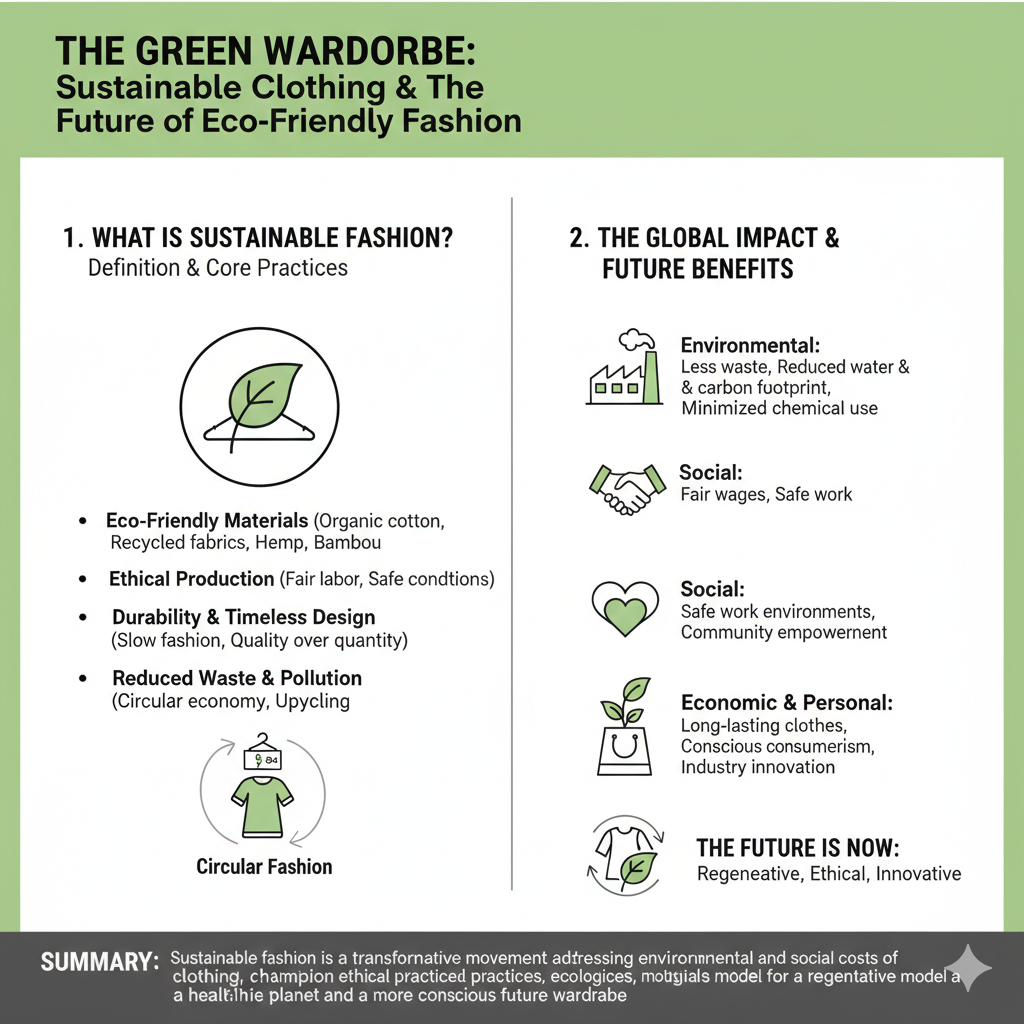
Sustainability & Seasonal Fashion Choices
As awareness of the climate crisis grows, a counter-movement is emerging. Sustainable seasonal fashion in the USA focuses on slowing down consumption and making mindful choices.
Conscious Buying Habits
More consumers are asking: “Do I really need a new coat every winter?” There is a growing shift toward buying higher quality items that last for years rather than seasons. This mindset disrupts the traditional fast-fashion model of constant replacement.
Capsule Wardrobes
The concept of a capsule wardrobe—a small collection of versatile pieces—rejects the idea of buying into every micro-trend. Proponents of this method shop strategically, filling gaps in their closet rather than overhauling it every few months.
Resale and Secondhand Trends
The resale market (sites like Poshmark, ThredUp, and The RealReal) allows consumers to participate in seasonal trends without the environmental guilt. Buying a pre-loved winter jacket is seen as a smarter, more eco-friendly way to handle seasonal needs.
How Brands Adapt to Seasonal Buying Behavior
Retailers cannot just react; they must anticipate. Successful fashion retail strategy in the USA relies on data and agility.
Inventory Planning
Brands must walk a tightrope between understocking (missing sales) and overstocking (eroding profit with markdowns). Sophisticated inventory management systems help retailers allocate stock to the right locations at the right times.
Data-Driven Demand Forecasting
By analyzing past sales data, weather forecasts, and search trends, brands can predict demand with scary accuracy. If data shows a cold front approaching the Northeast, they can push targeted ads for parkas to users in that region.
Personalization and Targeted Campaigns
Email marketing and app notifications allow brands to nudge consumers at the perfect moment. A notification saying “It’s going to rain tomorrow—do you have your boots?” is far more effective than a generic sale banner.
Challenges of Seasonal Fashion Buying
The system isn’t perfect. The rigid adherence to seasons creates significant fashion season challenges in the USA.
Overproduction and Waste
The pressure to fill stores with new product every few weeks leads to massive overproduction. Unsold seasonal inventory often ends up in landfills or burned, a major stain on the industry’s environmental record.
Changing Consumer Expectations
Consumers are becoming trained to wait for discounts. If they know the fall collection will be 40% off by November, they may delay purchasing. This squeezes margins for retailers and creates a “race to the bottom” on pricing.
Climate Uncertainty
As mentioned, erratic weather is a nightmare for inventory planners. If winter doesn’t arrive until January, retailers sit on piles of unsold coats during the prime selling months of November and December, forcing them to discount heavy items right when consumers actually need them.
Frequently Asked Questions (FAQ)
Q1. What is seasonal fashion buying behavior?
It is the tendency of consumers to purchase specific clothing items based on the time of year, weather conditions, and cultural events. It involves both practical needs (warmth in winter) and psychological desires (new trends for a new season).
Q2. Which season sees the highest fashion spending in the USA?
The Fall/Winter season generally sees higher spending due to the higher price point of cold-weather garments (coats, boots) and the massive influx of holiday gifting in Q4. Back-to-school season (late summer/early fall) is also a major peak.
Q3. How does weather affect clothing purchases?
Weather is a primary trigger for immediate needs. A sudden heatwave triggers swimsuit and shorts sales; a blizzard triggers boot and glove sales. However, unpredictable weather can delay or disrupt these traditional buying patterns.
Q4. Do consumers shop differently online by season?
Yes. Online shopping allows consumers to buy “off-season” items more easily (e.g., buying resort wear in winter). However, shipping times can deter last-minute impulse buys based on sudden weather changes compared to physical stores.
Q5. How do sales impact seasonal buying decisions?
Sales condition consumers to wait. End-of-season clearance events often prompt bulk buying for the following year, while holiday sales drive gift purchases. Many shoppers now strategically time big-ticket purchases (like winter coats) around Black Friday sales.
Q6. Is seasonal shopping becoming less predictable?
Yes. Climate change, the rise of “seasonless” dressing, and immediate-gratification fast fashion have made the traditional quarterly buying cycle less rigid and harder to forecast.
Q7. Can sustainable fashion fit seasonal trends?
Ideally, sustainable fashion moves away from trends. However, sustainable brands are adapting by offering timeless, high-quality seasonal staples (like a classic wool coat or durable linen shirt) that serve seasonal needs without encouraging disposable consumption.
Final Thoughts: Fashion Shopping Through the Seasons
Seasonality remains the heartbeat of the American fashion industry. It provides the rhythm for when we shop, what we buy, and how we express ourselves. While the mechanics are changing—influenced by technology, climate, and conscience—the fundamental human desire to align our appearance with our environment remains.
For consumers, understanding these patterns offers a chance to shop smarter—buying what is needed when it makes sense, rather than when marketing dictates. For brands, the challenge is to remain agile, meeting customers where they are (and where the weather is) with the right product at the right time. As we look forward, flexibility will likely be the most fashionable trend of all.