


We often think of athletic greatness in terms of physical feats: the 40-yard dash time, the vertical leap, or the ability to throw a fastball at 98 miles per hour. Fans and analysts obsess over training regimens and tactical playbooks. Yet, one of the most significant determinants of athletic success happens away from the gym and the field. It happens in the kitchen.
Nutrition is the unseen teammate. It is the foundation upon which speed, strength, and stamina are built. Without the proper fuel, even the most genetically gifted athlete in the United States cannot reach their full potential. The difference between a podium finish and fourth place, or a fourth-quarter comeback and a collapse, often comes down to metabolic efficiency and glycogen stores.
This guide explores the strategic role of nutrition in American sports. We will look at how the body processes fuel, the specific needs of different athletes, and the emerging trends shaping the future of human performance. Whether you are a casual observer, a fantasy sports analyst, or someone interested in the mechanics of the human body, understanding sports nutrition offers a new lens through which to view the game.
Why Nutrition Matters for Athletic Performance
At its core, nutrition is about energy management. The human body is a complex biological machine that requires specific inputs to produce specific outputs. For an athlete, food is not just a mechanism for survival; it is a tool for manipulation.
Fueling training and competition
Training provides the stimulus for the body to improve, but nutrition provides the resources to adapt. When an athlete lifts weights or runs sprints, they are breaking down muscle tissue and depleting energy reserves. Nutrition dictates how well they can perform during that session. Adequate calorie intake ensures the engine keeps running, while specific nutrient timing ensures the fuel is available exactly when the muscles need it most.
Impact on strength, endurance, and recovery
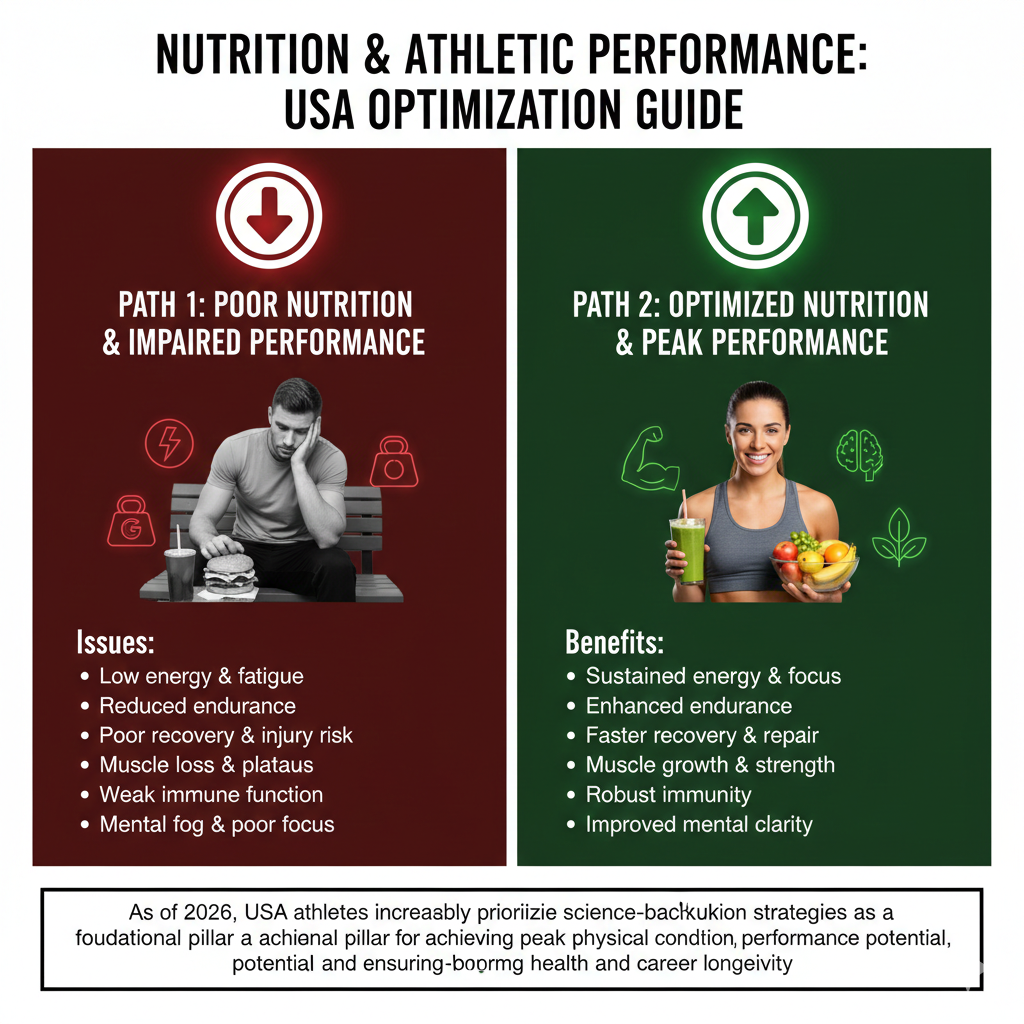
The benefits of a dialed-in diet extend beyond simple energy. Strength gains rely on the availability of amino acids to build new muscle fibers. Endurance depends on the body’s ability to store and efficiently utilize carbohydrates. Perhaps most importantly, recovery—the speed at which an athlete bounces back from stress—is entirely dependent on nutritional status. Chronic under-eating or poor food choices lead to fatigue, hormonal imbalances, and a stagnation in performance progress.
How the Body Uses Nutrition During Sports
To understand sports nutrition, you have to understand bioenergetics—how the body turns food into movement. The body utilizes different energy systems depending on the intensity and duration of the activity.
Energy systems explained
For short, explosive movements like a baseball swing or a heavy squat, the body uses the phosphagen system. This system relies on stored creatine phosphate for immediate, high-power energy. It burns out in seconds.
For efforts lasting 30 seconds to two minutes, such as a 400-meter run or a long rally in tennis, the glycolytic system takes over. This system breaks down carbohydrates (glucose) rapidly to produce ATP (adenosine triphosphate), the currency of cellular energy.
For long-duration activities like a marathon or a soccer match, the oxidative (aerobic) system becomes the primary driver. This system requires oxygen to break down carbohydrates and fats for sustained energy production.
Role of macronutrients
These systems dictate what an athlete needs to eat. High-intensity athletes rely heavily on carbohydrates because the glycolytic system runs on glucose. Endurance athletes need a mix of carbohydrates and fats, as their bodies become efficient at burning fat stores over long periods. Protein, while not a primary energy source during activity, is crucial for structural repair once the work is done.
Key Nutrients for Athletic Performance
While a balanced diet is important for everyone, athletes have exaggerated needs for specific nutrients to support their workload.
Carbohydrates for Energy
In the United States, low-carb diets often trend for weight loss, but in the world of high-performance sports, carbohydrates remain king.
Glycogen and sustained performance
When we eat carbohydrates, the body stores them in the muscles and liver as glycogen. Think of glycogen as the gas tank in a car. During a football game or a long swim, the body taps into these reserves. If glycogen stores are low, intensity drops. This is often referred to as “bonking” or “hitting the wall.” Maintaining high glycogen levels allows athletes to sustain high-intensity output for longer durations.
Protein for Recovery and Muscle Support
Protein gets the most marketing attention in the fitness world, and for good reason. It provides the building blocks for the body.
Repair and adaptation after training
Exercise causes micro-tears in muscle fibers. This damage is a necessary signal for growth. Protein provides the amino acids required to repair these tears, making the muscle stronger and larger than before. For athletes, the timing of protein intake matters. Consuming protein regularly throughout the day ensures a steady supply of amino acids for continuous repair.
Healthy Fats for Endurance
Fat has shaken off its bad reputation in recent years. For athletes, dietary fat is essential for hormone production (including testosterone) and joint health.
Long-duration energy sources
For ultra-endurance athletes, fat is a massive fuel reservoir. While the body can only store limited carbohydrates, even the leanest athlete has tens of thousands of calories stored as fat. Training the body to efficiently oxidize fat preserves precious glycogen stores for the moments when a burst of speed is needed at the finish line.
Vitamins and Minerals
Micronutrients act as the spark plugs for the metabolic engine. Without them, the energy systems cannot function efficiently.
Iron, calcium, and electrolyte balance
Iron is critical because it helps transport oxygen to working muscles; a deficiency leads to immediate fatigue. Calcium is vital not just for bone health, but for muscle contractions. Electrolytes—sodium, potassium, and magnesium—regulate nerve function and hydration status. A deficiency in any of these can derail performance regardless of how many calories an athlete consumes.
Hydration and Performance
Water is the most overlooked performance enhancer. The human body is roughly 60% water, and muscle tissue contains even more.
Fluid balance and fatigue
As an athlete sweats, blood volume decreases. This forces the heart to pump faster to circulate oxygen, increasing the rate of fatigue. A dehydration level of just 2% of body weight can significantly impair cognitive function and physical precision. In sports like basketball or quarterbacking, where split-second decision-making is key, staying hydrated is a competitive advantage.
Electrolytes and heat management
Sweat isn’t just water; it is salt. Cramping often occurs when sodium levels drop too low. In hot US climates—think training camps in the South or summer baseball games—managing electrolyte intake is a matter of safety as well as performance. Sports drinks are formulated specifically to replace what is lost in sweat, preventing hyponatremia and heat exhaustion.
Pre-Workout and Post-Workout Nutrition
The “what” matters, but so does the “when.” Nutrient timing helps athletes maximize their training sessions.
Timing and meal composition
Pre-workout meals should focus on easy-to-digest carbohydrates and moderate protein, consumed 2-3 hours before activity. This tops off glycogen stores without causing digestive distress. As the event gets closer, the focus shifts to simple sugars that hit the bloodstream quickly.
Recovery-focused nutrition habits
Post-workout nutrition is about the “three Rs”: Refuel (carbohydrates), Rebuild (protein), and Rehydrate (fluids). There is a metabolic window after exercise where the body is primed to absorb nutrients. While old science suggested this window was only 30 minutes, current research suggests the anabolic effect lasts several hours, provided the athlete consumes a quality meal.
Nutrition Strategies by Sport Type
Different sports place different demands on the physiology, requiring tailored nutritional approaches.
Endurance sports
Marathon runners, triathletes, and cyclists focus heavily on carbohydrate loading. Their strategy involves maximizing glycogen storage in the days leading up to an event and consuming fuel (gels or drinks) during the race to prevent energy depletion.
Strength and power sports
Weightlifters, shot putters, and linemen prioritize total calorie and protein intake to support significant muscle mass. Their training volume is lower in duration but higher in intensity, meaning they need a surplus of energy to build and maintain size.
Team sports
Soccer, basketball, and football are “stop-and-go” sports. They require a hybrid approach. Players need the endurance to last the full game but the explosive power for sprints and jumps. Their nutrition must support rapid recovery between bursts of activity, emphasizing glycogen resynthesis during halftime or breaks.
Nutrition and Injury Prevention
One of the most valuable aspects of sports nutrition is its ability to keep athletes on the field.
Bone health and inflammation control
Stress fractures end seasons. Adequate Vitamin D and Calcium intake are non-negotiable for athletes in high-impact sports to maintain bone density. Furthermore, chronic inflammation hampers recovery. Diets rich in anti-inflammatory foods, such as omega-3 fatty acids found in fish and antioxidants found in berries, help manage the systemic stress placed on the body.
Supporting long-term athletic durability
Connective tissue health—tendons and ligaments—relies on collagen synthesis. Nutrients like Vitamin C and specific amino acids help maintain the integrity of these tissues, potentially reducing the risk of tears and strains over a long career.
Common Nutrition Mistakes Athletes Make
Despite access to information, many athletes fall into common traps that hinder their progress.
Underfueling
This is a pervasive issue, sometimes called Relative Energy Deficiency in Sport (RED-S). Athletes may cut calories to make a weight class or improve aesthetics, but if energy intake drops too low, the body shuts down non-essential functions. This leads to bone loss, hormonal disruption, and immune system suppression.
Overreliance on supplements
The US supplement industry is massive, but powders and pills cannot fix a broken diet. Athletes often look for a magic bullet in a pre-workout drink while neglecting whole foods, which provide the complex matrix of nutrients the body prefers.
Poor hydration habits
Waiting until you are thirsty to drink means you are already dehydrated. Many athletes fail to hydrate throughout the day, trying to chug water right before practice, which only leads to discomfort and sloshing stomachs.
Role of Sports Nutritionists in the USA
The landscape of professional sports has shifted. It is no longer just the strength coach running the show.
Personalized plans
Major League Baseball, the NBA, and the NFL now employ full-time Registered Dietitians (RDs). These experts calculate the specific metabolic rate of players and design meal plans that account for position, playing time, and injury status. A 300-pound lineman has a vastly different nutritional profile than a wide receiver.
Performance monitoring
Nutritionists use data to adjust plans. They monitor weight fluctuations, hydration levels (often via urine specific gravity testing), and blood markers to ensure athletes remain in peak condition throughout a grueling season.
Youth vs Professional Athlete Nutrition Needs
The approach to nutrition must evolve as an athlete ages.
Growth and development considerations
For youth athletes, the priority is growth. They are expending energy for sports and for physical development. Restrictive diets or intense focus on body composition can be dangerous for teenagers. The goal is to establish a healthy relationship with food and ensure they consume enough calcium and calories to grow properly.
Performance-focused strategies
Professional athletes have finished growing. Their nutrition is purely about optimization and maintenance. They have the luxury (and necessity) of measuring every gram of food because their livelihood depends on marginal gains.
Trends in Sports Nutrition in the USA
The field is constantly innovating, driven by science and technology.
Functional foods
There is a move toward foods that offer benefits beyond basic nutrition. Tart cherry juice for soreness, turmeric for inflammation, and beetroot juice for blood flow are becoming staples in locker rooms.
Plant-based athletic nutrition
Influenced by documentaries and high-profile athletes switching to plant-based diets, more American athletes are reducing meat consumption. They are finding that plant-based diets can improve recovery times and reduce inflammation, provided they pay close attention to protein intake and B12 levels.
Data-driven meal planning
Technology is changing how athletes eat. Continuous Glucose Monitors (CGMs), once reserved for diabetics, are now used by athletes to see how their blood sugar reacts to different foods in real-time. This allows for hyper-personalized fueling strategies based on individual biometric data.
FAQs – Nutrition and Athletic Performance
How does nutrition improve athletic performance?
Nutrition improves performance by providing the energy required for high-intensity output, the materials needed to repair muscle damage, and the fluids necessary to maintain cardiovascular efficiency. It delays fatigue and accelerates recovery.
What should athletes eat before competition?
Athletes should eat a meal rich in carbohydrates and moderate in protein 2-3 hours before competing. Examples include oatmeal with fruit, a turkey sandwich on whole wheat, or rice with chicken. They should avoid high-fat or high-fiber foods that slow digestion.
Is protein the most important nutrient for athletes?
No. While essential for repair, protein does not fuel the engine during high-intensity activity. Carbohydrates are the most important nutrient for fueling performance, while protein is the most important for recovery.
How much hydration do athletes need?
It varies by sweat rate, but a general guideline is to drink half your body weight in ounces of water daily, plus an additional 16-24 ounces for every pound lost during exercise to replenish fluids.
Can diet affect recovery speed?
Absolutely. Consuming protein and carbohydrates immediately after training replenishes glycogen and initiates muscle repair. Anti-inflammatory foods can also reduce muscle soreness, allowing the athlete to train harder the next day.
The Unseen Advantage
The evolution of sports in the United States has moved beyond just lifting weights and running laps. As records become harder to break and the margin for error shrinks, nutrition has emerged as the ultimate variable. It is the discipline that happens 24 hours a day. For the modern athlete, the plate is just as important as the playbook. By respecting the biology of performance, athletes can unlock levels of potential that training alone cannot reach.