


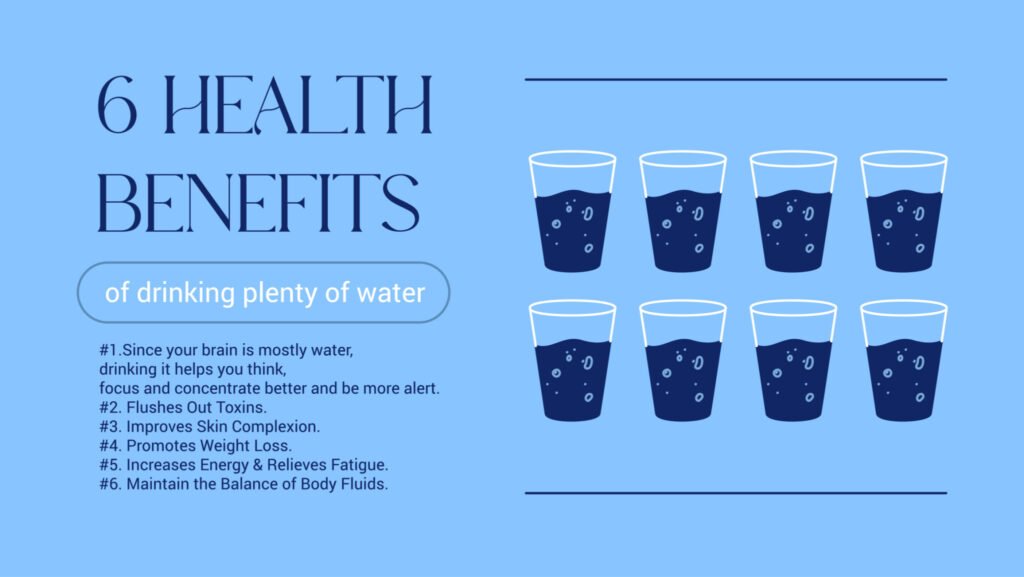
We all know the feeling. It’s 2:00 PM, your focus is drifting, a dull headache is creeping in behind your eyes, and your energy has hit a wall. You might reach for a second cup of coffee or a sugary snack, assuming you need a caffeine or sugar rush. But often, the solution is much simpler and sitting right in the kitchen tap: water.
Despite having access to some of the cleanest drinking water in the world, many Americans are chronically under-hydrated. We often overlook this fundamental nutrient in favor of flavored beverages or simply forget to drink enough during our busy days. Yet, water is the engine that powers every single system in the human body. From the clarity of your thoughts to the elasticity of your skin, your hydration status dictates how well you function.
Understanding the role of hydration goes beyond simply quenching thirst. It requires looking at how water fuels our biology, supports our immune system, and keeps our metabolism running efficiently. This guide explores why staying hydrated is the most underrated tool for maintaining optimal health and how you can easily integrate better habits into your daily routine.
What Is Hydration and Why Does It Matter?
To understand the hydration meaning in a biological context, we have to look beyond the act of swallowing liquid. Hydration refers to the process of replacing body fluids lost through sweating, exhaling, and eliminating waste. On a cellular level, it is about maintaining the right balance of electrolytes and fluids to allow your body’s chemical processes to function.
Daily hydration in the USA is often complicated by our diet and lifestyle. We consume high amounts of sodium and processed foods, which increases the body’s demand for water to process these inputs. Water is the primary component of the human body, making up about 60% of an adult’s body weight. It acts as a building block for cells, a shock absorber for the brain and spinal cord, and a lubricant for joints.
Without adequate fluid intake, these basic functions begin to falter. The heart has to work harder to pump thicker blood, the kidneys struggle to filter toxins, and the brain has to exert more effort to process information.
Why Hydration Is Essential for Overall Health
The importance of hydration cannot be overstated when looking at long-term wellness. Water is the superhighway for the body’s transport system. It constitutes a large part of our blood, which carries oxygen and essential nutrients to all our cells. When you are well-hydrated, circulation improves, ensuring that your muscles and organs receive the fuel they need to operate.
One of the primary benefits of drinking water is temperature regulation. Humans are heat-generating machines. Through the process of perspiration (sweating) and respiration, water releases heat from the body. If you are dehydrated, your body stores more heat, which can lead to heat strain or less tolerance for high temperatures—a crucial factor during hot American summers.
Furthermore, water is the body’s waste removal service. It is essential for kidney function, helping to filter waste from the blood and excrete it via urine. Adequate water intake also keeps blood vessels open so that blood can travel freely to the kidneys and deliver essential nutrients.
Role of Hydration in Energy Levels and Physical Performance
Have you ever felt your limbs get heavy during a workout, or experienced a sudden drop in stamina while walking up a flight of stairs? This is often a direct result of your hydration status. Hydration and physical performance are intrinsically linked. Muscle tissue is roughly 75% water. When that balance is thrown off, muscles fatigue faster.
Water helps maintain the balance of electrolytes—minerals like sodium, potassium, and magnesium—that trigger muscle contractions. When you are low on fluids, this balance is disrupted, leading to cramping and weakness. For active individuals, maintaining fluid levels is vital to prevent performance dips.
However, hydration energy levels aren’t just a concern for athletes. Even for the average person working a desk job, mild dehydration can sap endurance. The heart has to pump faster to move blood through the body when fluid volume drops, leading to increased heart rate and a sensation of fatigue. Staying topped up on water ensures your cardiovascular system doesn’t have to work overtime just to keep you sitting upright and alert.
Hydration and Brain Function
The human brain is approximately 75% water. It stands to reason that hydration and brain function are deeply connected. Even mild dehydration—fluid loss of 1-3%—can impair many aspects of brain function. This can manifest as difficulty focusing, poor memory retention, and slower reaction times.
Research has shown that dehydration mental effects can include adverse changes in mood and increased anxiety. When the brain detects a lack of fluids, it can trigger headache symptoms and feelings of fatigue. For students and professionals alike, keeping a water bottle nearby is a productivity hack that is often more effective than an energy drink.
Cognitive decline is also a risk for the chronically dehydrated, particularly in older adults. Maintaining proper fluid levels helps sustain the production of hormones and neurotransmitters, ensuring that the brain’s communication pathways remain clear and efficient.
How Hydration Affects Digestion and Metabolism
The digestive system relies heavily on water to process food. Hydration and digestion start in the mouth; saliva contains enzymes that begin breaking down food, and saliva is almost entirely water. Once food reaches the stomach, water is necessary to produce digestive acid and to help move nutrients into the bloodstream.
One of the most common issues related to poor hydration is digestion trouble, specifically constipation. Soluble fiber requires water to function correctly. Without enough fluid, the colon pulls water from stools to maintain hydration elsewhere in the body, leading to harder, difficult-to-pass stools.
Regarding water metabolism health, staying hydrated is essential for burning fat. The process of metabolizing stored fat (lipolysis) requires water molecules. Some studies suggest that drinking cold water can induce a slight temporary increase in metabolism as the body expends energy to heat the fluid to body temperature. While not a magic weight-loss cure, water is a critical component of a functioning metabolic system.
Role of Hydration in Skin and Appearance
The beauty industry is flooded with moisturizers and serums, but hydration skin health starts from the inside out. The skin is the body’s largest organ, and like any other organ, it requires water to function. Dehydrated skin appears dull, creates more prominent shadows, and can make fine lines and pores appear deeper.
There is a distinct difference between dry skin (a lack of oil) and dehydrated skin (a lack of water). While drinking water won’t necessarily cure generic dry skin or erase wrinkles permanently, water intake skin benefits include improved turgor—the skin’s ability to bounce back when pinched. Well-hydrated skin looks plumper and more radiant because the cells are filled with fluid. Proper hydration also helps flush out toxins that can contribute to skin inflammation and breakouts.
Hydration and Immune System Support
In the wake of global health concerns, Americans are more focused on immunity than ever before. Hydration and the immune system work hand-in-hand. Water is a major component of lymph, a clear fluid that carries infection-fighting white blood cells throughout the body.
If you are dehydrated, the movement of lymph slows down, potentially impairing your body’s ability to detect and fight infections. Furthermore, water and immunity are linked through our physical barriers. Hydration keeps the mucous membranes in our nose, mouth, and lungs moist. These membranes act as a trap for viruses and bacteria, preventing them from entering the body deeper. If these barriers dry out, they become less effective at stopping pathogens.
How Much Water Should You Drink Daily in the USA?
The old adage of “8 glasses a day” is easy to remember, but it isn’t scientifically accurate for everyone. So, how much water to drink in the USA specifically? The National Academies of Sciences, Engineering, and Medicine suggests an adequate daily water intake of about 3.7 liters (125 ounces) for men and 2.7 liters (91 ounces) for women.
However, this doesn’t mean you need to drink that amount in pure water. About 20% of our fluid intake typically comes from food (like fruits and vegetables).
Several factors influence your specific needs:
- Activity Level: If you exercise, you need to replace the fluid lost in sweat.
- Environment: Hot or humid weather increases perspiration. Interestingly, high altitudes and heated indoor air in winter can also dehydrate you quickly.
- Health Status: Fever, vomiting, or diarrhea causes rapid fluid loss requiring replenishment.
- Pregnancy/Breastfeeding: Women who are pregnant or breastfeeding have significantly higher hydration requirements.
Signs and Risks of Dehydration
It is vital to recognize the dehydration symptoms before they become severe. Early signs include thirst, dry mouth, darker yellow urine, and dry skin. As dehydration progresses, symptoms can escalate to dizziness, rapid heartbeat, rapid breathing, sunken eyes, and fainting.
The dehydration health risks associated with chronic lack of water are serious. Long-term, it can lead to the formation of kidney stones, which are painful mineral deposits that form in concentrated urine. It can also lead to urinary tract infections and, in severe acute cases, heat stroke or kidney failure. Recognizing these signs early allows for quick intervention—usually just drinking a glass of water or an electrolyte solution.
Best Hydration Habits for Daily Life
Developing good hydration habits in the USA requires mindfulness, especially given our reliance on processed beverages. Here are some healthy hydration tips to keep you on track:
- Start your day with water: Before reaching for coffee, drink a full glass of water to replenish fluids lost during sleep.
- Eat your water: Incorporate foods with high water content into your diet. Cucumber, watermelon, zucchini, strawberries, and grapefruit are excellent choices.
- Carry a reusable bottle: Visual cues help. Having a bottle on your desk or in your car acts as a constant reminder.
- Flavor naturally: If plain water bores you, infuse it with lemon slices, mint, or berries rather than using sugary powders.
- Track it: Use an app or a marked water bottle to monitor your intake until it becomes a habit.
Hydration for Different Age Groups
Hydration isn’t one-size-fits-all; hydration needs by age shift throughout our lives.
- Children and Teens: Kids are notorious for ignoring thirst while playing. They also have a higher body surface area to mass ratio, meaning they can lose heat and fluid quickly. Parents need to encourage frequent water breaks.
- Adults: For hydration adults USA, the challenge is often lifestyle. Caffeine and alcohol consumption can have diuretic effects. Busy work schedules can lead to hours without a sip.
- Older Adults: As we age, our thirst sensation diminishes. Seniors may not feel thirsty even when they are dehydrated. This group is at high risk, and intentional, scheduled water intake is often necessary to prevent confusion and dizziness.
Common Hydration Myths and Mistakes
Misinformation can lead to poor health choices. Let’s clear up some hydration myths.
- Myth: “If you’re thirsty, you’re already dehydrated.”
- Reality: While thirst is a delayed response, it doesn’t mean you are dangerously dehydrated. However, relying solely on thirst isn’t the best strategy for optimal performance.
- Mistake: Thinking all fluids are equal.
- Reality: While soda and juice provide fluid, the sugar content can lead to energy crashes and metabolic issues.
- Myth: Caffeine dehydrates you instantly.
- Reality: While coffee has a mild diuretic effect, habitual drinkers develop a tolerance. Your morning cup contributes to your fluid intake, though it shouldn’t replace water entirely.
- Mistake: Overhydration.
- Reality: Drinking water mistakes include drinking extreme amounts in a short time. This can lead to hyponatremia, where sodium levels in the blood become dangerously low. Drink to satisfy thirst and maintain pale urine, but don’t force-feed water.
Frequently Asked Questions (FAQ)
Can dehydration affect energy and focus?
Absolutely. Even mild dehydration reduces blood volume, making the heart work harder to pump oxygen to the brain and muscles. This results in fatigue, brain fog, and difficulty concentrating on tasks.
Are sports drinks better than water?
For most people during a typical day, water is superior. Sports drinks contain sugar and electrolytes designed for athletes engaged in intense exercise lasting more than an hour. For a desk job or a light walk, water is the healthier choice.
Does coffee or tea count toward hydration?
Yes, they do. While caffeine is a mild diuretic, the water content in coffee and tea contributes to your daily total. However, water should still be your primary source of hydration.
How can busy people stay hydrated during the day?
Tie your hydration to other habits. Drink a glass of water every time you brush your teeth, wait for your coffee to brew, or use the restroom. Keep a large water bottle within arm’s reach so you don’t have to get up to refill it constantly.
Is it possible to drink too much water?
Yes. Overhydration, or water intoxication, disrupts the electrolyte balance in the body. This is rare in the general population and is usually seen in endurance athletes who drink excessive amounts of water without replacing sodium.
Final Thoughts on Hydration and Daily Health
Water is the quiet hero of our biology. It doesn’t get the same marketing budget as protein powders or superfoods, yet it is more critical than any supplement on the shelf. Hydration supports every body system, from the clarity of your thoughts to the strength of your immune response.
Improving your health doesn’t always require a gym membership or a restrictive diet. Sometimes, it starts with the simple act of lifting a glass. By building consistent hydration habits, you are investing in your long-term vitality, ensuring your body has the resources it needs to thrive every single day.