



Olympic Sports Gaining Popularity in the USA (2026 Trends)

The United States has always had a complicated relationship with the Olympics. For two weeks every couple of years, millions of Americans suddenly become experts in curling or synchronized diving, only to forget about them until the next Opening Ceremony. But recently, something has shifted. The conversation isn’t just happening every four years anymore.
A new wave of athletic disciplines is capturing the American imagination year-round. Fueled by social media, evolving youth culture, and increased accessibility, niche sports are moving into the mainstream. This isn’t just about watching; it’s about doing. From local climbing gyms popping up in suburban strip malls to skate parks becoming community hubs, the landscape of American athletics is broadening. This article explores which Olympic sports are gaining the most traction leading into 2026 and why the American appetite for competition is evolving.
How Popularity of Olympic Sports Is Measured
Determining “popularity” involves more than just counting gold medals. It requires a holistic look at how a sport integrates into daily life. When analyzing Olympic sports popularity USA trends, three key metrics stand out.
First, participation rates are the clearest indicator of health. Are people actually buying the gear and signing up for classes? Second is viewership and fan engagement. This includes traditional TV ratings, but increasingly, it involves social media impressions and streaming numbers. Finally, youth and grassroots growth tells us if a sport has a future. If high schools and local clubs are adding teams, the sport is on an upward trajectory.
Top Olympic Sports Gaining Popularity in the USA
Looking ahead to 2026, the data points to a specific trend: Americans are gravitating toward action-oriented, individual sports that emphasize style and adrenaline just as much as raw scoring. These are the Olympic sports gaining popularity in the USA 2026 trends to watch.
Skateboarding
Once seen as a counter-culture pastime for rebels, skateboarding Olympic sport USA status has legitimized the discipline without killing its cool factor. Since its debut in Tokyo, skateboarding has seen a massive surge in acceptance.
It is no longer relegated to empty swimming pools or “No Trespassing” zones. Municipalities are investing millions in high-quality skate parks. The influence of youth culture is undeniable here; skateboarding offers a low barrier to entry—you just need a board and pavement—and a high ceiling for creative expression. The “street” and “park” disciplines have created new icons who are as famous on TikTok as they are on the podium.
Surfing
Surfing Olympic sport USA interest has expanded beyond the coasts. The rise of wave pool technology means you can now surf in landlocked states like Texas or Arizona. This accessibility is a game-changer.
The “coastal lifestyle” has always held a romantic appeal for Americans, but competitive surfing transforms that vibe into a rigorous athletic pursuit. With the inclusion of surfing in the Olympics, the sport has gained structure and visibility. Viewers are captivated by the unpredictable nature of the ocean and the sheer athleticism required to tame it.
BMX & Mountain Biking
Cycling has always been popular, but the extreme side is taking over. BMX Olympic sport USA metrics show a rise in youth participation, driven by the sheer excitement of the events. BMX racing and freestyle park events are fast, dangerous, and incredibly telegenic.
Similarly, mountain biking is seeing a participation boom among adults. It serves as an adrenaline-filled alternative to road cycling or running. The combination of fitness, technical skill, and being outdoors appeals to a demographic that finds traditional gym workouts monotonous.
Sport Climbing
Perhaps no sport has benefited more from Olympic inclusion than climbing. Sport climbing Olympic popularity USA numbers have skyrocketed, mirroring the explosion of indoor climbing gyms across the country.
Climbing is unique because it solves a puzzle with your body. It is intellectual and physical. The indoor gym boom has removed the geographic barrier; you don’t need a mountain range in your backyard to become an elite climber. The community is famously inclusive, and the fitness benefits are comprehensive, drawing in people who might not identify as traditional “athletes.”
Track & Field (Emerging Stars)
While not a “new” sport, track and field USA is experiencing a renaissance. This is largely due to a new generation of charismatic stars who are leveraging their personal brands to bring attention back to the track.
The narrative is shifting from “once every four years” to a continuous season of Diamond League meets and World Championships. Rising collegiate stars are turning pro earlier, and the excitement around sprint, jump, and distance events is being revitalized by rivalries and personalities that feel genuine and high-stakes.
Traditional Olympic Sports Holding Strong
While new sports are flashy, the giants remain immovable. When looking at Olympic sports USA viewership, three pillars support the foundation.
Swimming and diving remain the crown jewels of American Olympic viewership. The dominance of the US team ensures high ratings, and swim schools remain a staple of American childhood.
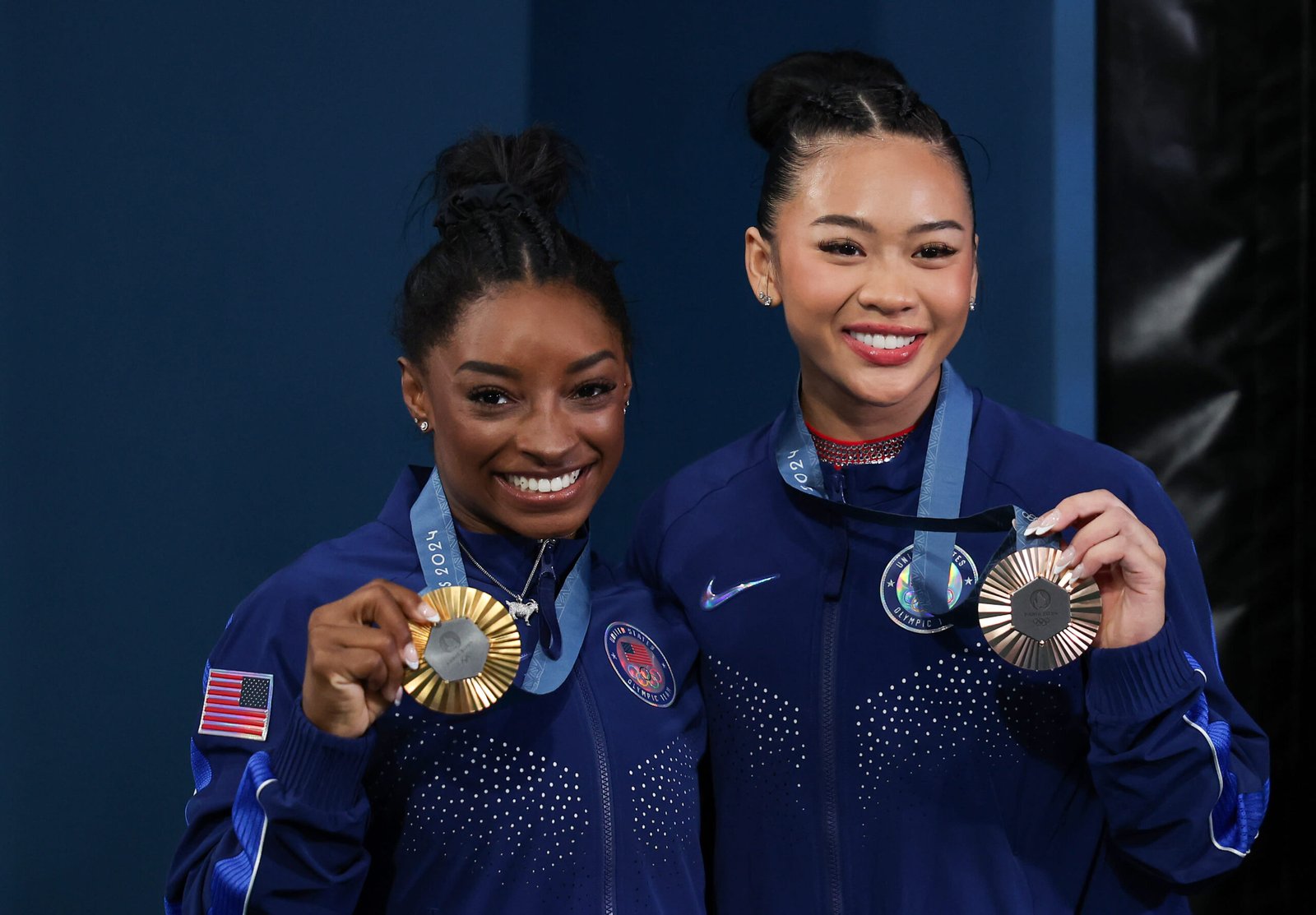
Gymnastics continues to be a ratings juggernaut. The blend of artistry and power is universally appealing, and the US producing global icons keeps engagement high.
Basketball maintains its massive following because the “Dream Team” concept never truly gets old. The convergence of NBA superstars on an international stage creates a spectacle that casual fans and die-hards both tune in for.
Why These Olympic Sports Are Rising in the USA
Understanding why Olympic sports are gaining popularity requires looking at the cultural ecosystem. Several factors are working in tandem to drive this growth.
- Social Media: A 15-second clip of a climber solving a boulder problem or a skater landing a 900 goes viral instantly. These sports are visually digestible and shareable.
- Accessibility: As mentioned with wave pools and climbing gyms, technology and infrastructure are bringing these sports to the suburbs and cities.
- National Pride: Americans love winners. When the US team performs well in a new discipline, interest spikes. Success breeds imitation.
Role of Media, Streaming & Digital Platforms
The days of waiting for primetime TV coverage are over. Olympic sports streaming USA habits have changed the game. Peacock and other digital platforms allow superfans to watch every heat of every event live.
This democratization of content helps niche sports the most. If you love fencing or archery, you no longer have to hope NBC decides to show a 5-minute highlight package at 11 PM. You can stream the entire tournament. Furthermore, athlete storytelling on platforms like YouTube and Instagram allows fans to connect with competitors during the “off-season,” building a loyalty that translates to Olympic viewership.
Youth Participation & Grassroots Growth
The future of any sport lies in the playground. Youth Olympic sports participation USA data is shifting. While football and baseball remain popular, burnout and injury concerns are leading parents and kids to explore alternatives.
Flag football (soon to be an Olympic sport), climbing, and skating offer athletic development without some of the pressures associated with traditional varsity sports. Schools and private clubs are adapting, offering camps and development leagues for these emerging sports. The barrier between “recreational” and “competitive” is blurring, allowing more kids to stay involved longer.
Athlete Ambassadors & Breakout Stars
You cannot underestimate the power of a role model. Rising Olympic athletes USA stars are the best marketing tools these sports have.
When a young athlete sees someone who looks like them dominating in a sport they’ve never tried, it sparks curiosity. Authenticity is key here. The new generation of athletes is open about mental health, training struggles, and their lives outside of sport. This relatability builds a deeper connection than the distant, stoic athlete archetype of the past.
How Popular Sports Influence Fitness & Culture
The fitness impact of Olympic sports USA culture is visible in local gyms. “Train like an Olympian” is a powerful motivator. We are seeing fitness trends that mimic the functional strength of climbing, the explosive power of sprinting, or the core stability of surfing.
Beyond the gym, these sports create community. Run clubs, climbing groups, and skate meet-ups provide social connection in an increasingly digital world. The sport becomes the anchor for a lifestyle, influencing fashion, music taste, and travel destinations.
Frequently Asked Questions (FAQ)
Q1. Which Olympic sports are gaining popularity in the USA in 2026?
Skateboarding, sport climbing, surfing, and flag football are seeing significant growth in both interest and participation leading into 2026.
Q2. Why is skateboarding becoming more popular?
It has low barriers to entry (inexpensive equipment), strong cultural relevance, and increased municipal investment in public skate parks.
Q3. How does media affect Olympic sport popularity?
Social media and streaming services allow for continuous engagement and athlete storytelling, keeping niche sports relevant outside the two-week Olympic window.
Q4. Are traditional Olympic sports still popular?
Yes. Swimming, gymnastics, and basketball remain the most-watched events and maintain high participation rates across the country.
Q5. How can youth get involved in emerging Olympic sports?
Many local gyms, YMCAs, and community centers now offer introductory classes for climbing and skateboarding. National governing bodies also list local clubs on their websites.
Q6. Does Olympic success increase sport interest?
Absolutely. Known as the “Olympic bump,” medal-winning performances typically result in a spike in local club memberships and equipment sales for that specific sport.
Q7. What’s the future outlook for Olympic sports in the USA?
The outlook is diverse. We expect a continued shift toward individual, action-oriented sports, supported by digital media consumption and broader access to facilities.
Final Thoughts: A Broader Olympic Movement in the USA
The landscape of American sports is becoming more diverse, more accessible, and more exciting. We are moving away from a monoculture of “big four” sports into an era where climbing walls are as common as basketball hoops.
The Olympic sports gaining popularity in the USA 2026 trends suggest that Americans are looking for sports that offer personal expression, community, and a different kind of physical challenge. As the Olympic movement expands to include these modern disciplines, it ensures its relevance for the next generation. Whether you are grabbing a board, a bike, or a harness, there has never been a better time to get moving.