


Introduction to the Controversy
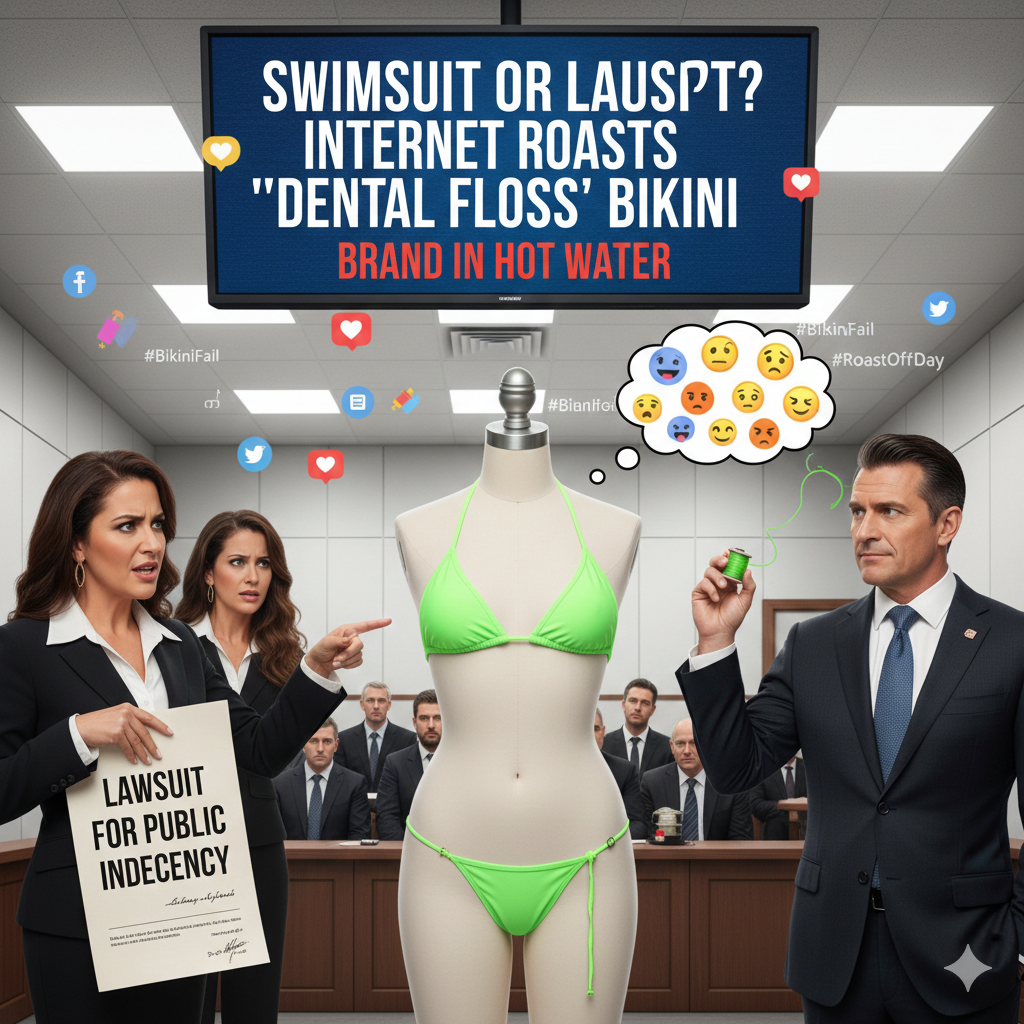
In recent discussions surrounding swimwear fashion, a particular product has emerged as a focal point of contention: the $16 bikini that bears a striking resemblance to dental floss. This revealing swimwear has become the subject of extensive debates online, with many expressing strong opinions regarding its design and implications for modern fashion standards. The bikini, often described as minimalistic with its string-like structure, has triggered a myriad of reactions, from laughter to outrage, making it a trending topic on various social media platforms.
At the core of this controversy is a broader conversation surrounding body image and the evolving nature of swimwear design. As social media amplifies different fashion choices, this bikini challenges traditional norms, raising questions about what is considered acceptable or appropriate in public settings. Some argue that its design empowers those who choose to wear it, promoting self-confidence and body positivity. Conversely, critics contend that such revealing swimwear can perpetuate unrealistic beauty standards and objectification, particularly among young audiences.
The juxtaposition of playful consumerism and serious societal implications has ignited a passionate dialogue among internet users. Many find humor in comparing the bikini to dental floss, while others feel compelled to defend the right to wear whatever one chooses at the beach or poolside. This divide reflects not only personal preferences but also deeper societal issues related to body image acceptance and the commercialization of female bodies.
As the bikini continues to garner attention, it serves as a reminder of how fashion can stir conversation, whether through critique or celebration. The ongoing debate over the dental floss bikini encapsulates the complexities of contemporary swimwear, illustrating the challenges of balancing self-expression with cultural sensitivities.
The Design: An Overview of the ‘Dental Floss’ Bikini
The ‘Dental Floss’ bikini has captured significant attention due to its minimalist design, often sparking debate about contemporary swimwear standards. Characterized by its extremely small size, the bikini consists of two tiny triangular patches of fabric that cover only the essential areas, connected by thin strings. This design approach arguably prioritizes boldness over practicality, reflecting a trend in swimwear that often blurs the lines between clothing and provocative attire.
One of the defining features of this bikini is its scanty coverage. Each side of the bikini features minimal fabric, resembling dental floss—not just in size but in its nearly non-existent material. Swimwear enthusiasts might argue that this design serves as an expression of body confidence, while others perceive it as impractical, limiting wearers from engaging in various water activities without concern for wardrobe malfunctions.
The controversial nickname “Dental Floss” underscores the bikini’s focus on revealing skin more than providing substantial coverage or support. The overall effect leads to reactions ranging from admiration to ridicule across social media platforms, with many individuals questioning the level of comfort and suitability for diverse body types. This bikini style raises critical discussions regarding the societal standards imposed on beachwear and how they affect individual choices in fashion.
Ultimately, the ‘Dental Floss’ bikini represents a larger movement within the fashion industry, where each piece of clothing may provoke strong emotional and cultural reactions. Whether viewed as a daring fashion statement or a step too far, its design undeniably plays a pivotal role in its reception, illustrating the complexities of modern swimwear philosophy.
Brand Background: Who Made This Controversial Swimsuit?
The controversial bikini in question, popularly referred to as the “Dental Floss” bikini, originated from a brand known for pushing the boundaries of swimwear fashion. This brand has established itself as a purveyor of provocatively designed clothing, frequently challenging traditional norms and sparking debates surrounding body image and sexual content in fashion. Founded in the early 2000s, the brand has cultivated a reputation for appealing to a daring and adventurous demographic, primarily targeting young adults who strive to express their individuality through bold fashion choices.
Over the years, the brand has released various controversial products that ignited discussions on social media and beyond. Each collection tends to emphasize minimalism mixed with innovative designs, a strategy that has garnered significant attention but also attracted criticism. Previous notable products included cut-out swimsuits and sheer dresses which have drawn parallels to the latest bikini sensation. Such designs reflect the brand’s ethos of catering to a niche audience that prioritizes attention-seeking styles, often blurring the lines between swimwear and lingerie.
This propensity for pushing the envelope has resulted in repeated backlashes from critics who argue that the brand exploits consumer vulnerabilities by promoting unrealistic body standards. However, supporters argue that the brand empowers wearers to embrace their bodies, regardless of societal expectations. The recent backlash over the $16 bikini can be attributed to these historical controversies and the brand’s established identity as a provocateur in the fashion industry. The ongoing conversation surrounding this swimsuit underlines broader discussions about body positivity, sexuality, and fashion ethics in contemporary society, reflecting the brand’s ongoing impact on cultural conversations.
Social Media Reaction: How the Internet Responded
The unveiling of the $16 ‘Dental Floss’ bikini has ignited a passionate wave of reactions across various social media platforms. Users have flocked to Twitter, Instagram, and TikTok, showcasing a mix of humor, criticism, and some unexpected support for the boldly designed swimwear. The bikini’s daring cut has become a symbol of both the absurdity and the audacity of contemporary fashion.
On Twitter, a barrage of memes emerged within hours of the bikini’s launch, cleverly highlighting the minimal fabric and cheeky design. Many users employed humor to mock the bikini, comparing it to dental floss and other unconventional items. Memes that juxtaposed the bikini with traditional swimwear ignited discussions about comfort versus style, inviting users to share their opinions on what constitutes a functional swimsuit.
Conversely, Instagram influencers and fashion enthusiasts have generated posts that champion the bikini as a bold statement piece. Some advocates of the bikini assert that it empowers individuals to embrace body confidence, challenging conventional beauty norms. Supporters have rallied around the idea that swimwear, like any fashion item, should push boundaries and allow for self-expression, propelling the bikini into the spotlight of trending discussions.
TikTok saw its own viral trends emerge, with users attempting to recreate the bikini look or share their own humorous takes on the garment. This section of social media attracted a unique blend of fashion critiques and promotions by micro-influencers, showing that while many wearers may be skeptical, there are those who view such daring styles as essential to personal expression in an increasingly diverse fashion landscape.
Fashion and Body Image: The Bigger Picture
The recent surge in popularity of the so-called ‘dental floss’ bikini serves as a critical reflection of contemporary fashion dynamics and societal expectations surrounding body image. As minimalistic swimwear designs gain traction, they not only challenge traditional notions of modesty but also underscore varying standards of beauty that can marginalize certain body types. Such trends can lead to a narrowed perspective on body acceptance, particularly affecting women who may not conform to this slim ideal.
In recent years, the fashion industry has made strides towards inclusivity, showcasing a broader spectrum of sizes and shapes. Yet, garments like the ‘dental floss’ bikini can undermine these efforts by perpetuating a singular image of desirability. This not only poses a risk of alienating diverse consumer bases but also reinforces stereotypes related to femininity and attractiveness. As the Internet reacts to these bold designs, it forces society to confront uncomfortable and often contradictory feelings about body positivity.
Moreover, the impact of such swimwear styles on women’s body confidence cannot be understated. For many, donning a minimalistic bikini may evoke feelings of empowerment and self-expression. Conversely, it can lead to anxiety and self-doubt among those who feel pressured to fit within the aesthetic typically marketed in media and fashion advertising. The dialogue surrounding these provocative designs encourages discussions about societal norms and the need to embrace body diversity.
Fashion is a potent vehicle for expression, yet with that power comes responsibility. Brands have an opportunity to use their platforms to promote inclusivity and foster discussions around body image. Thus, the emergence of controversial styles like the ‘dental floss’ bikini not only entertains debate but also invites examination of deeper societal values related to beauty and acceptance in an ever-evolving landscape.
Celebrity Influence: Who Wore It First?
In the ever-evolving landscape of fashion, the influence of celebrities cannot be overstated. The recent emergence of the $16 ‘dental floss’ bikini has sparked significant conversation on social media platforms, largely propelled by its wearers. High-profile figures in the entertainment industry have often played a pivotal role in popularizing daring swimwear, including this minimalist design.
The bikini gained notable attention after being worn by various influencers, many of whom have substantial followings. Their posts quickly ignited discussions regarding the appropriateness and aesthetic appeal of the design. Factors such as these not only amplify consumer interest but can also forge a cultural narrative around the garment. Such narratives often oscillate between admiration for bold fashion choices and criticism aimed at perceived impracticality.
For instance, when a well-known celebrity sported a version of the bikini at a red carpet event, it quickly became a trending topic. Fans and fashion enthusiasts alike often replicate their favorite celebrity styles, making the role of influencers paramount in shaping public perception. These personalities have the unique ability to transform niche fashion items into mainstream phenomena. The bikini’s stark minimalism invites debate, with some praising its daring minimalism while others criticize its lack of coverage.
Furthermore, social media platforms amplify these discussions, allowing for widespread and instantaneous feedback. Users contribute their opinions, ranging from enthusiastic endorsements to satirical remarks, creating a buzz that can either bolster or diminish the appeal of a specific design. With celebrities leading the charge, the dynamics of consumer engagement with the ‘dental floss’ bikini exemplify the profound influence of celebrity culture on modern fashion trends.
Legal and Ethical Considerations: Is It a Lawsuit Waiting to Happen?
The emergence of the controversial $16 bikini, colloquially dubbed the “Dental Floss Bikini,” has raised significant legal and ethical questions. First and foremost, there are potential safety concerns associated with such a revealing swimwear design. Many consumers may worry about the adequacy of coverage and the risks involved while wearing such minimal fabric during water activities. If customers experience discomfort or injury, there may be grounds for liability claims against the manufacturer.
Another pressing issue relates to copyright and trademark implications. Bikini designs, especially those as distinct as this one, can often lead to disputes over intellectual property. If a similar or identical design has been patented by another brand, the current manufacturer may face legal challenges regarding infringement. Furthermore, the marketing strategy surrounding this bikini raises ethical considerations. Promoting a piece of swimwear that revels in its provocative nature might appeal to a specific audience, but it also risks normalizing unrealistic body standards and objectifying individuals.
Additionally, ethical marketing practices are particularly crucial when it comes to targeting impressionable demographics, such as teenagers or young adults. Brands must tread carefully to avoid developing a reputation for exploiting youth culture and body image issues for profit. Striking a balance between bold advertising and responsible marketing is essential for brands in the fashion industry.
In this environment, brands releasing such provocative swimwear must structure their marketing with extreme care, ensuring compliance with legal standards while prioritizing ethical considerations. As scrutiny intensifies in an age of increasing consumer awareness of these issues, the ramifications of any misstep could lead to public backlash, potential lawsuits, and long-lasting impact on brand reputation.
Consumer Insights: Will Anyone Buy the ‘Dental Floss’ Bikini?
The launch of the so-called ‘Dental Floss’ bikini has sparked a vibrant discussion not only on social media but also among consumers who are contemplating its practicality and appeal. It is critical to assess how potential buyers are reacting to this provocative swimwear option and its place in the market. Surveys conducted with potential buyers indicate a mix of reactions, ranging from sheer amusement to genuine interest in purchasing the item. Notably, a recent survey revealed that approximately 20% of respondents expressed an intent to buy the bikini for its novelty value, suggesting that there is an audience for extreme swimwear.
Furthermore, the increasing trend of revealing swimwear in recent years has facilitated a climate where more daring designs attract attention. The rise of social media influencers endorsing bold, unconventional swimwear has positioned products like the ‘Dental Floss’ bikini as viable options for fashion-forward consumers willing to push stylistic boundaries. Comments from survey participants highlight a desire for uniqueness in swimwear, emphasizing that the standout nature of this bikini could gain traction among those seeking to differentiate themselves at the beach or poolside.
Importantly, the continued evolution of societal norms surrounding body positivity and self-expression could further endorse the success of such revealing designs. Low-cost options like the ‘Dental Floss’ bikini cater to a segment of the market that is motivated by affordability and distinctive fashion choices. Ultimately, while the garment may draw criticism, the willingness of some consumers to embrace its audacity indicates there could be a niche market ready to welcome this unusual swimwear into their collections.
Conclusion: The Future of Controversial Swimwear
The recent uproar surrounding the $16 ‘Dental Floss’ bikini has shed light on the broader implications of provocative swimwear designs within the fashion industry. As brands strive to capture attention in an oversaturated market, it is evident that controversial pieces often serve as a double-edged sword. While they can significantly boost visibility and conversation around a brand, they can also elicit backlash that may hinder brand reputation and consumer trust.
The swimwear industry’s trajectory appears to be increasingly influenced by social media dynamics, where humor and critique can spread rapidly among users. This particular incident exemplifies how a single product can prompt widespread discussions about body image, fashion norms, and cultural appropriateness. Brands must be acutely aware of not only the aesthetics of their designs but also the societal implications they may convey.
Looking forward, the relevance of such attention-grabbing swimwear pieces raises essential questions about the future of women’s swimwear. Are consumers increasingly inclined to support brands that take risks with their design philosophies, or does this backlash signify a growing demand for more modest and practical options? Fashion trends are volatile and unpredictable; however, the push for inclusivity and body-positive representations in branding cannot be overlooked.
Post-controversy, brands will likely be forced to reassess their design strategies and marketing approaches. They could shift toward creating swimwear that empowers and respects the diverse spectrum of body types and preferences among women. Thus, the lesson from the ‘Dental Floss’ bikini might not solely focus on its immediate reception, but rather on how it can inform upcoming trends in swimwear that harmonize creativity with deeper cultural sensitivity.