





Impact of Ultra-Processed Foods on Health


Introduction to Ultra-Processed Foods
Ultra-processed foods, a term increasingly common in nutritional discourse, refer to products that have undergone significant industrial processing and contain ingredients not found in a typical home kitchen. This includes additives such as artificial flavors, preservatives, emulsifiers, and sweeteners which serve to enhance flavor, extend shelf life, and improve texture. In contrast, processed foods may include items like canned vegetables, fruit preserves, and plain yogurt, which undergo minimal processing and retain closer ties to their original food sources.
In contemporary diets, ultra-processed foods are alarmingly prevalent. Studies indicate that a substantial portion of daily caloric intake in many developed nations arises from these products. They are prevalent due to convenience, affordability, and aggressive marketing tactics targeting consumers. Fast food items, sugary drinks, packaged snacks, and ready-to-eat meals exemplify ultra-processed foods, characterized by their high content of refined sugars, unhealthy fats, and sodium. Such constituents contribute to their highly palatable nature, often leading to overeating.
The rapid increase in the availability of ultra-processed foods is a major evolution in dietary patterns, significantly influencing public health. The consumption of these foods is associated with several health issues including obesity, diabetes, cardiovascular diseases, and other non-communicable diseases. The nutrition landscape has shifted towards greater consumption of these hyper-palatable options, especially among younger populations. Consequently, understanding and recognizing the differences between processed and ultra-processed foods is crucial for making informed dietary choices aimed at promoting better health outcomes.
The Rise of Ultra-Processed Foods in Our Diets
The emergence of ultra-processed foods has been closely linked to the profound changes brought about by industrialization and an increasing consumer demand for convenience in food preparation. The late 20th century marked a significant shift in dietary habits as food manufacturing companies developed products that required minimal preparation time and effort. This evolution catered to the fast-paced life of modern society, ultimately leading to a prevalence of these food items in daily consumption.
Statistics indicate that ultra-processed foods now account for a significant portion of the global diet. According to a study published in the British Medical Journal, nearly 60% of the calories consumed in developments can be attributed to ultra-processed food items. In particular, children and adolescents have been found to consume more than 60% of their daily energy from such foods, a trend that raises concern considering their potential impact on health outcomes.
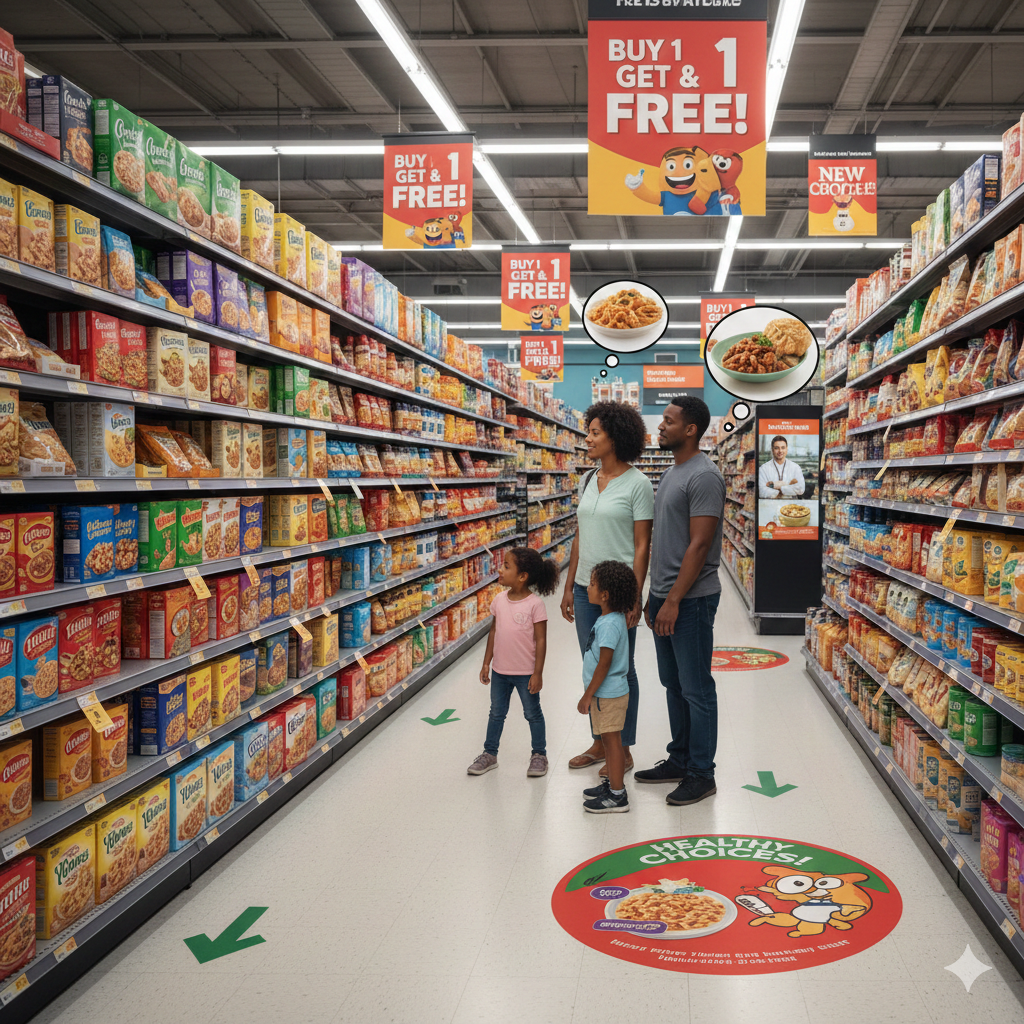
Marketing has played an instrumental role in this boom, with food companies targeting various demographics through tailored advertisements. Strategically designed packaging, vibrant graphics, and savvy brand campaigns appeal specifically to young consumers, who are often swayed by enticing offers and seasonal promotions. This assault of advertisement influences dietary choices, making ultra-processed meals appear more attractive compared to whole foods. As brands invest heavily in promoting convenience and taste, these products become staples in grocery carts, further embedding their presence in our daily lives.
As ultra-processed foods continue to gain popularity, it is important for consumers to remain aware of what they are consuming. Understanding the historical context of ultra-processed foods can empower individuals to make informed dietary choices, leading to healthier lifestyles and improved overall well-being.
Nutritional Content of Ultra-Processed Foods
Ultra-processed foods, defined as industrial formulations typically containing five or more and often numerous ingredients, often possess a nutritional profile that raises significant health concerns. These products are characterized by their remarkable lack of essential nutrients while being loaded with excessive caloric content. Unlike whole foods, which are naturally rich in vitamins, minerals, and fiber, ultra-processed options frequently fail to provide adequate amounts of these necessary components for maintaining good health.
One notable aspect of ultra-processed foods is their high levels of unhealthy fats, particularly trans fats, which are associated with an increased risk of cardiovascular diseases. Additionally, these foods commonly feature elevated sodium levels, which can contribute to hypertension and cardiovascular problems. The excessive sugar content often found in these products not only raises concerns about obesity but also influences the development of type 2 diabetes and other metabolic disorders.
Another critical ingredient prevalent in many ultra-processed foods is a range of additives, including artificial flavors, preservatives, and colorings. These substances are often included to enhance flavor, improve shelf-life, and appeal visually; however, their long-term effects on human health remain a topic of ongoing research and concern. Given the prevalence of these additives, the consumption of ultra-processed foods can lead individuals to ingest substances that may not contribute any beneficial nutrition.
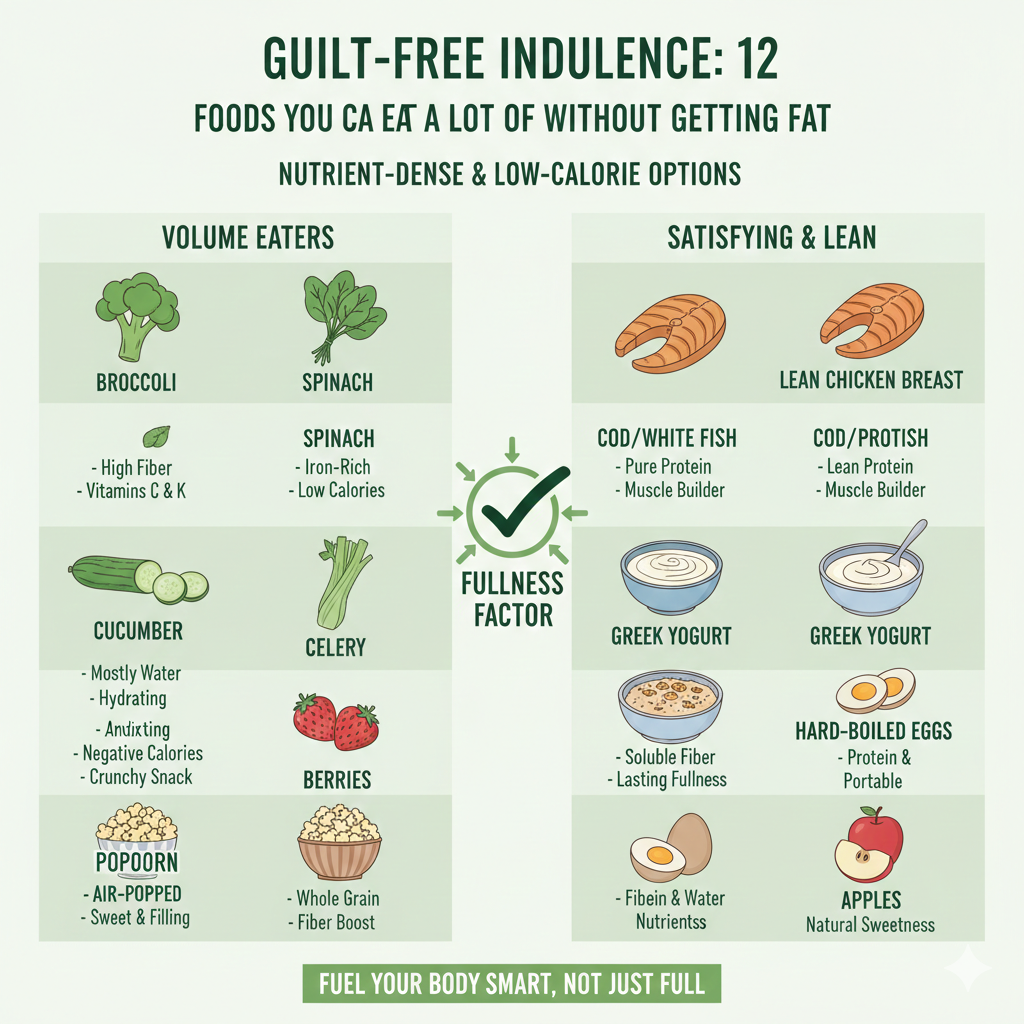
In contrast, whole food sources, such as fruits, vegetables, whole grains, and lean proteins, offer balanced nutrition that supports overall health. They provide essential nutrients without the negative health impacts associated with ultra-processed options. The implications for health are stark, as a diet high in ultra-processed foods can contribute to numerous chronic diseases, elevating the need for informed dietary choices that prioritize nutrient-dense, minimally processed foods over their heavily processed counterparts.
Connection Between Ultra-Processed Foods and Health Issues
The consumption of ultra-processed foods has become increasingly prevalent in modern diets, raising concerns among health professionals regarding its implications for overall health. Research has shown a significant correlation between the intake of these foods and various health problems, including obesity, diabetes, heart disease, and gastrointestinal disorders. Numerous studies indicate that these foods, typically high in added sugars, fats, and sodium, lack essential nutrients and are often addictive in nature, leading to overconsumption.
A prominent study published in the journal BMJ analyzed the eating habits of over 100,000 participants and found that an increase in ultra-processed food consumption by 10% was associated with a 10% increased risk of developing cardiovascular diseases. Furthermore, a cohort study highlighted by the American Journal of Clinical Nutrition demonstrated that individuals consuming high levels of ultra-processed foods are significantly more likely to experience obesity and metabolic syndrome compared to those who consume primarily unprocessed foods.
Health experts emphasize the long-term risks associated with routine consumption of ultra-processed foods. Dr. Dariush Mozaffarian, a leading nutrition researcher, notes that these dietary patterns can lead to chronic inflammation, insulin resistance, and dysbiosis of gut microbiota, all of which are precursors to serious health complications such as type 2 diabetes and heart disease. Moreover, gastrointestinal issues such as irritable bowel syndrome have been linked to the consumption of certain ultra-processed items, which often contain artificial additives and preservatives detrimental to gut health.
As ongoing research continues to shed light on the health implications of ultra-processed foods, it becomes increasingly important for individuals to be aware of their dietary choices. Incorporating more whole, minimally processed foods into daily meals can help mitigate these health risks and contribute to better long-term health outcomes.
Mental Health Impacts of Ultra-Processed Foods
Recent research has increasingly shed light on the connection between the consumption of ultra-processed foods and mental health issues, such as anxiety and depression. Various studies indicate that diets rich in these foods are associated with heightened levels of psychological distress. Ultra-processed foods, characterized by their high content of sugars, unhealthy fats, and artificial additives, often replace nutrient-dense options such as fruits, vegetables, and whole grains, consequently affecting physical health alongside mental well-being.
Current findings suggest that the consumption of ultra-processed foods can negatively influence mood and cognitive functioning. For instance, a study published in a leading psychiatric journal found that individuals who consumed a diet high in ultra-processed products reported higher instances of depressive symptoms compared to those who adhered to a more traditional diet rich in whole foods. This correlation could be attributed to the lack of essential nutrients found in whole foods, which are vital for optimal brain function.
The neurobiological impact of diet on mental health is multifaceted. For example, nutrients such as omega-3 fatty acids, dietary fiber, and antioxidants are known to play a role in brain health and mood regulation. In contrast, ultra-processed foods often lack these beneficial components, while their high glycemic index can lead to fluctuations in blood sugar levels, potentially exacerbating mood disorders. Furthermore, emerging evidence indicates that inflammation, often driven by poor dietary choices, can significantly contribute to the onset of mental health issues.
In conclusion, the relationship between ultra-processed foods and mental health is an area of growing concern and research. As we develop a deeper understanding of how diet influences not just physical well-being but also mental health, prioritizing whole and minimally processed foods may be essential for enhancing mood and fostering cognitive health.
Social and Economic Implications of Consumption
The consumption of ultra-processed foods has significantly altered dietary patterns, particularly in low-income communities. These populations often face economic constraints that make ultra-processed options more attractive when compared to whole foods. These products are typically less expensive, more accessible, and require little to no cooking or preparation time. As a result, families managing tight budgets may rely on these convenient options, inadvertently prioritizing caloric intake over nutritional value.
Accessibility issues further exacerbate the preference for ultra-processed foods. In many low-income neighborhoods, grocery stores offering fresh produce and whole foods are scarce, often referred to as food deserts. Instead, residents may find an abundance of convenience stores and fast-food outlets that predominantly stock ultra-processed items. This lack of access to healthier options limits the ability of individuals to make better dietary choices, reinforcing the cycle of poor nutrition and its associated health risks.
The implications of these dietary choices transcend individual health, impacting public health systems as well. Increased reliance on ultra-processed foods contributes to higher rates of obesity, diabetes, and cardiovascular diseases, disproportionately affecting low-income communities. These health issues place a burden on public health resources, often leading to increased healthcare costs and reduced quality of life for affected individuals. Moreover, public health policies may struggle to address these challenges effectively if they fail to consider the social and economic factors influencing dietary behaviors.
In light of these concerns, it becomes crucial to reevaluate food policies and accessibility strategies with the intention of fostering healthier environments. Initiatives aimed at promoting whole foods, alongside educational campaigns, could help mitigate the adverse effects of ultra-processed food consumption. By ensuring that all communities have access to healthier options, it is possible to improve health outcomes and encourage better dietary practices.
Strategies for Reducing Ultra-Processed Food Intake
Reducing the consumption of ultra-processed foods requires a strategic approach that encompasses meal planning, grocery shopping, cooking at home, and making healthier food choices. By adopting these strategies, individuals and families can improve their overall health and well-being.
One effective method of minimizing ultra-processed food intake is through diligent meal planning. By dedicating time each week to plan meals, families can create balanced menus that include whole, unprocessed ingredients. This can involve selecting recipes based on seasonal produce, combining various food groups, and ensuring a rich variety of nutrients throughout the week. Utilizing a template for weekly meals can streamline this process and make it easier to stick to healthier choices.
When it comes to grocery shopping, making informed choices is crucial. Prioritize shopping from the outer aisles of the grocery store, where fresh fruits, vegetables, meats, and dairy products are typically located. Reading ingredient labels is also essential. A general rule is to opt for products with fewer than five ingredients and those that are recognizable and pronounceable. By consciously avoiding aisles filled with packaged snacks and sugary drinks, families can significantly cut back on ultra-processed foods.
Cooking at home is another powerful strategy. Preparing meals from scratch allows control over ingredients, reducing reliance on overly processed items. Engaging the entire family in cooking can also be a fun activity that promotes healthier eating habits. Techniques such as batch cooking and meal prepping can help ensure that nutritious options are readily available, making it easier to avoid the temptation of grabbing convenience foods during busy periods.
Incorporating healthier food choices into daily life also involves making small, sustainable changes. For instance, swapping out crisps for air-popped popcorn or replacing sugary drinks with infused water can significantly impact overall nutrition. These gradual adjustments create a more healthful eating environment while simultaneously reducing dependency on ultra-processed foods.
Policy Recommendations and Public Awareness
The increasing prevalence of ultra-processed foods in modern diets poses significant challenges to public health. Governments and public health organizations play a critical role in addressing the associated health risks, which include obesity, diabetes, and cardiovascular diseases. Enhanced policy measures are essential for mitigating the impact of these foods on health.
One effective approach is the implementation of taxation on ultra-processed food products. Research indicates that financial disincentives can reduce consumption rates, prompting manufacturers to reconsider their product formulations. Such taxation, akin to sin taxes on tobacco and alcohol, can significantly impact dietary habits and ultimately lead to healthier choices among consumers.
Furthermore, governments should consider investing in public health campaigns focused on educating individuals about the dangers of ultra-processed foods. These initiatives could emphasize the importance of whole foods and provide guidance on reading ingredient labels. Informative campaigns can empower consumers to make informed choices, fostering a culture of health awareness.
Collaboration with schools and communities is also vital. Educational programs aimed at children and adolescents can instill lifelong healthy eating habits. Schools can integrate nutrition education into their curricula, encouraging students to understand the value of natural ingredients versus the pitfalls of ultra-processed options. Community engagement, such as farmer’s markets and cooking workshops, can further promote accessibility to healthier food choices.
Lastly, regulating marketing practices surrounding ultra-processed foods, particularly those targeting children, is imperative. Stricter guidelines on advertising can mitigate exposure and reduce demand for these unhealthy options. By combining legislative measures, educational outreach, and marketing regulations, public health organizations can address the health risks posed by ultra-processed foods effectively.
Conclusion: Making Informed Choices for Better Health
Throughout this article, we have examined the profound effects of ultra-processed foods on health. With their high levels of added sugars, fats, and artificial additives, these foods are linked to a range of health issues, including obesity, cardiovascular diseases, and metabolic disorders. It is crucial to underscore that understanding the impact of ultra-processed foods can empower individuals to make informed dietary choices.
Making conscious decisions regarding food consumption can significantly contribute to overall well-being. Incorporating whole, minimally processed foods into one’s diet, such as fruits, vegetables, whole grains, and lean proteins, promotes better health outcomes. By prioritizing these healthier options, individuals can help mitigate the risks associated with ultra-processed foods. Additionally, being aware of food labels and understanding ingredient lists plays a vital role in determining the healthfulness of items we choose to consume.
Moreover, it is essential for individuals to advocate for their health and the health of their communities. Public awareness campaigns, nutrition education, and supportive policies can foster environments that encourage healthier eating habits. By sharing knowledge about the importance of nutrition and highlighting the risks associated with ultra-processed foods, we can build a community that prioritizes health and well-being.
In summary, making informed dietary choices is paramount in the fight against the negative consequences of ultra-processed foods. By recognizing the importance of what we eat and supporting a broader transition toward healthier food systems, each person can play a part in promoting their own health, as well as the health of those around them. Together, we can create a culture that values nutrition, supports healthier choices, and ultimately leads to better health outcomes for all.