



Human Clothing Origins: Complete Guide to Early Clothing Evolution
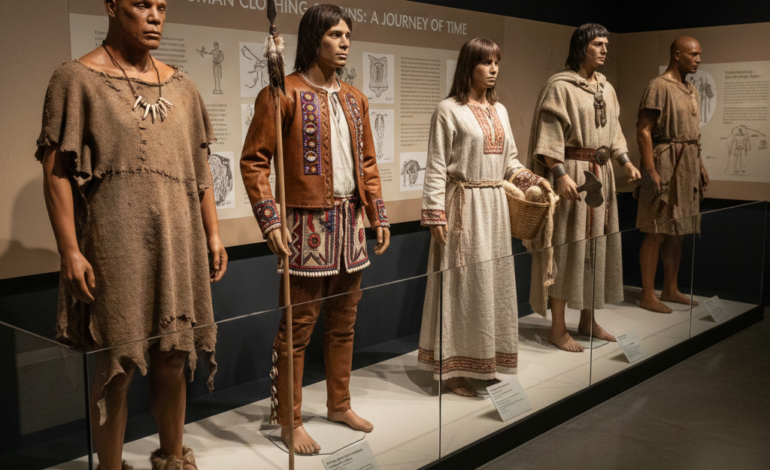

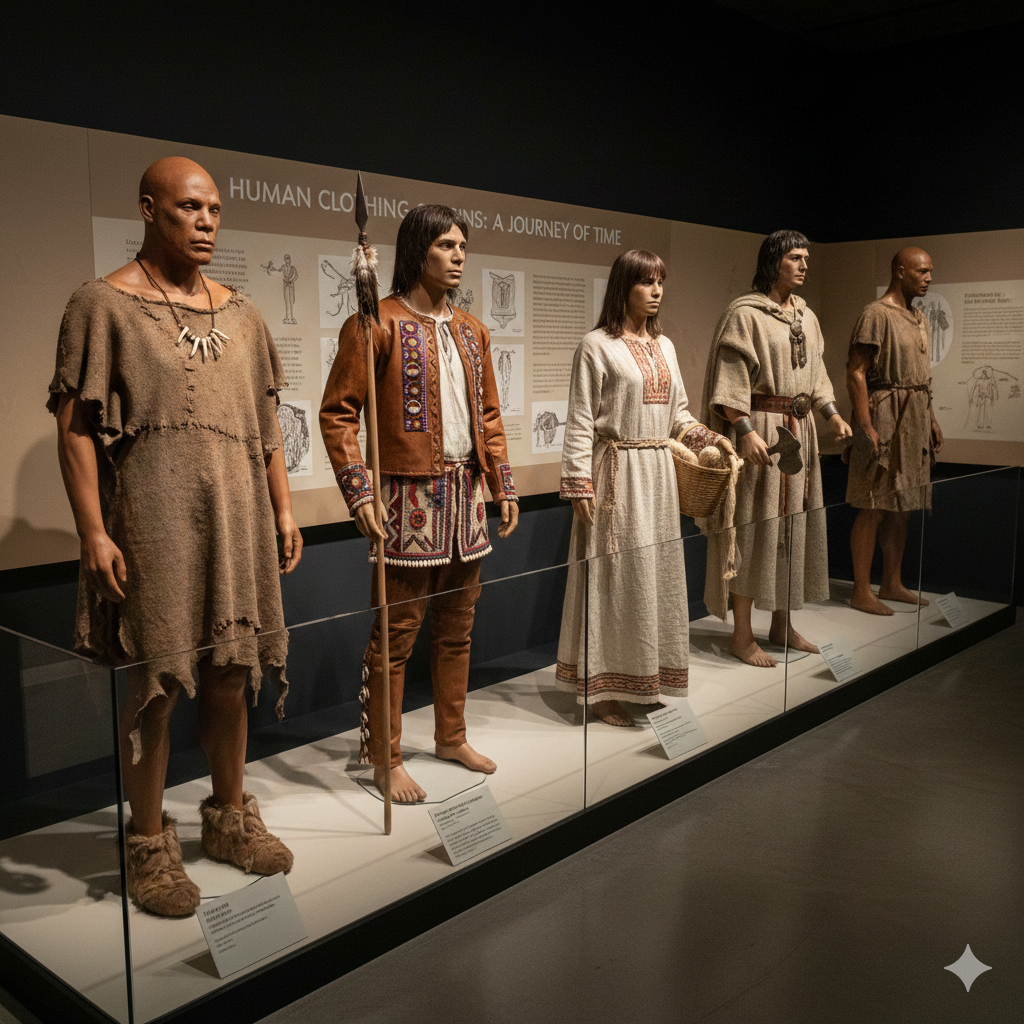
Clothing is so woven into our daily lives that we rarely stop to consider where it all began. Yet the story of how humans first started covering their bodies is one of the most fascinating chapters in our evolutionary history. It connects survival, migration, social identity, and innovation across tens of thousands of years.
This guide explores the origins of human clothing from every angle. You’ll discover why our ancestors first wore garments, what materials they used, how climate shaped design, and how clothing evolved from purely functional coverings into symbols of identity and culture. Whether you’re a history enthusiast, student, or simply curious about the roots of what we wear today, this resource will give you a comprehensive understanding of early clothing evolution.
Table of Contents
- Why Humans Started Wearing Clothes
- Early Materials and Primitive Garment Construction
- Climate, Migration, and Environmental Adaptation
- Body Decoration, Identity, and Social Meaning
- The Shift from Covering to Designed Clothing
- Survival Clothing and Functional Design
- Continue the Clothing Evolution Journey
Why Humans Started Wearing Clothes
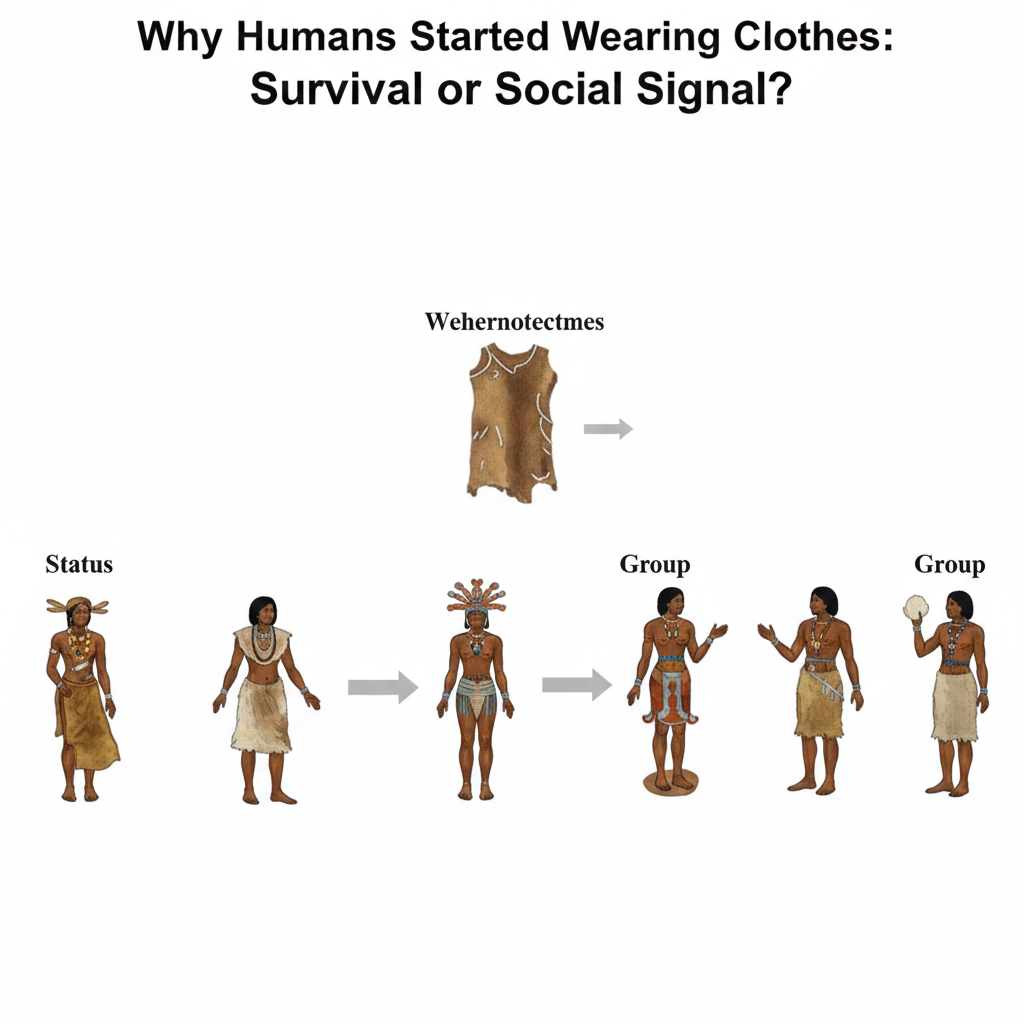
The question of why humans started wearing clothes isn’t as straightforward as it seems. Unlike other primates, humans lack thick fur to protect against the elements. This biological vulnerability likely played a major role in the development of clothing, but it wasn’t the only factor.
Early garments served multiple purposes. Protection from cold, heat, rain, and sun was essential for survival, especially as humans migrated out of Africa into harsher climates. Clothing also offered defense against insects, thorns, and physical injuries during hunting or daily activities.
But clothing wasn’t just practical. Archaeological evidence suggests that even the earliest humans used garments to communicate social status, group membership, and personal identity. The act of covering the body became intertwined with cultural meaning almost from the start.
Genetic studies of body lice, which live in clothing rather than on skin, suggest that humans may have started wearing clothes regularly between 83,000 and 170,000 years ago. This timing coincides with major climate shifts and human migrations, reinforcing the idea that environmental pressures drove clothing adoption.
Understanding why clothing emerged helps us appreciate how deeply it shaped human evolution, not just physically but socially and psychologically as well.
Related readable: Why Humans Started Wearing Clothes Survival Or Social Signal
Climate Vs Culture What Really Created The First Clothes
Early Materials and Primitive Garment Construction
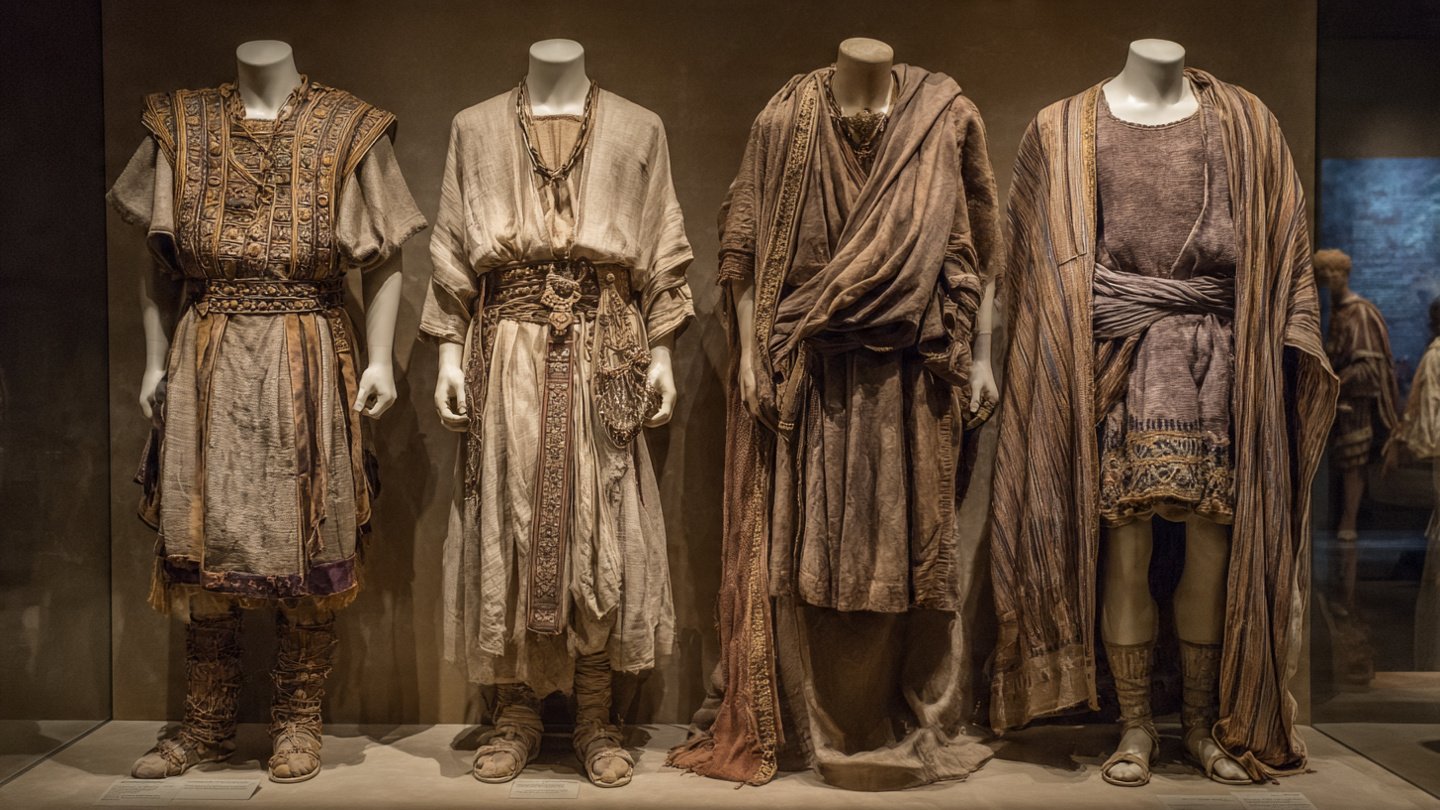
Before needles, looms, or textiles as we know them, early humans relied on whatever materials were readily available. Animal skins and furs were among the first resources used to create protective coverings. These materials offered warmth, durability, and water resistance—critical features for survival.
Creating garments from animal hides required skill and knowledge. Skins had to be cleaned, scraped, and softened to make them pliable. Early humans likely used stone tools to cut and shape hides, then fastened pieces together using sinew, plant fibers, or leather strips. The process was labor-intensive but yielded garments that could withstand harsh conditions.
As humans developed more sophisticated tools, early textile creation became possible. Plant fibers like flax, hemp, and tree bark were twisted and woven into simple fabrics. Evidence of woven textiles dates back at least 27,000 years, based on impressions found on clay fragments and stone tools.
Bone needles, some dating back 40,000 years, reveal that early humans had the ability to sew fitted garments. This innovation marked a significant leap in clothing construction, allowing for more complex designs that fit the body better and provided superior insulation.
The transition from draped animal skins to sewn and woven garments didn’t happen overnight. It was a gradual process driven by experimentation, necessity, and cultural exchange. Each new technique built upon the last, laying the foundation for the sophisticated textile traditions that would follow.
Understanding how early humans crafted their clothing gives us insight into their ingenuity and adaptability. These weren’t just crude coverings—they were carefully constructed tools for survival.
See also: The First Materials Used In Human Clothing Before Fabric Existed
How Early Humans Turned Animal Skins Into Wearable Garments
The Evolution Of Needles Threads And Early Sewing Tools
The Earliest Evidence Of Textile Creation In Human History
Climate, Migration, and Environmental Adaptation
Climate didn’t just influence clothing—it demanded it. As humans spread across the globe, they encountered vastly different environments, from frozen tundras to arid deserts. Each setting required specific adaptations in garment design and material use.
The Ice Age, which lasted from roughly 2.6 million to 11,700 years ago, was a defining period for clothing evolution. Surviving in sub-zero temperatures required heavy, insulated garments made from thick animal furs. Archaeological sites in Europe and Asia reveal evidence of layered clothing systems designed to trap body heat and protect against wind and snow.
In contrast, humans living in tropical or desert regions faced the opposite challenge: staying cool while protecting skin from intense sun and heat. Lighter, breathable materials like plant fibers became essential. These garments were often looser and less layered, allowing air circulation while still providing coverage.
Migration patterns reveal how clothing adapted to new environments. When early humans moved from Africa into Europe and Asia, they brought basic garment-making knowledge but had to innovate rapidly to cope with colder climates. This process accelerated technological development, including better sewing techniques and the use of more sophisticated materials.
The relationship between clothing in Ice Age vs tropical regions highlights how adaptable humans were. Rather than being limited by biology, our ancestors used clothing as a tool to expand their range and thrive in nearly every corner of the planet.
Environmental adaptation through clothing wasn’t just about survival—it was about freedom. Garments allowed humans to explore, settle, and dominate environments that would otherwise have been uninhabitable.
See also: How Migration Influenced Early Clothing Design
Clothing In Ice Age Vs Tropical Regions
Body Decoration, Identity, and Social Meaning
Clothing was never solely about function. From the earliest evidence, humans used garments and body adornments to express identity, communicate social roles, and establish group belonging.
Body decoration predates clothing in many cultures. Ochre pigments, shells, beads, and bone carvings have been found at archaeological sites dating back over 100,000 years. These items were worn as jewelry or sewn onto garments, suggesting that aesthetic expression was important even in prehistoric times.
Clothing became a powerful tool for signaling social status and group identity. Certain materials, colors, or garment styles may have been reserved for leaders, elders, or skilled hunters. Wearing specific clothing could indicate membership in a particular tribe, family group, or social class.
Ritual and ceremonial clothing also played a significant role. Special garments were likely worn during important events like hunts, marriages, or spiritual ceremonies. These pieces often featured elaborate decoration, including feathers, bones, and dyed fabrics, to distinguish them from everyday wear.
The use of clothing as a form of identity helped humans build complex social structures. It allowed for quick visual communication of roles and relationships, which was essential for cooperation in larger groups.
Understanding the symbolic meaning of early clothing reveals that garments were never just practical items. They were—and still are—extensions of who we are and how we want to be seen by others.
See also: The Role Of Modesty In The Birth Of Clothing
Did Men And Women Dress Differently In Prehistoric Times
Body Decoration Before Clothing Paint Tattoos And Wraps
Functional Vs Symbolic Clothing In Early Tribes
The Shift from Covering to Designed Clothing
At some point, clothing stopped being just a matter of wrapping skins or draping fabrics. It became intentional, designed, and crafted with purpose. This shift marked a major turning point in human history.
Fitted garments required advanced construction techniques. Sewing allowed for tailored designs that hugged the body, providing better insulation and greater mobility. Evidence of tailored clothing appears in the archaeological record around 30,000 years ago, particularly in colder regions where fit mattered for survival.
Design also became more complex. Patterns, dyes, and decorative elements were incorporated into garments, reflecting both aesthetic preferences and cultural significance. The ability to create patterned textiles or dyed fabrics indicated skill and social standing.
The transition from functional coverings to designed clothing was gradual but transformative. It reflected growing cognitive and manual skills, as well as an increasing emphasis on personal and cultural expression.
This period also saw the development of specialized garments for specific activities. Hunters wore different clothing than gatherers. Ceremonial dress differed from everyday wear. Clothing became context-dependent, shaped by the needs and values of the community.
The shift toward designed clothing laid the groundwork for all future fashion and textile innovation. It showed that humans were not content with mere survival—they wanted beauty, meaning, and expression woven into every aspect of life.
See also: When Did Humans Start Designing Clothes Instead Of Just Covering
Survival Clothing and Functional Design
Survival often hinged on the quality and functionality of clothing. In extreme environments, a well-constructed garment could mean the difference between life and death.
Functional design prioritized durability, insulation, and weather resistance. Layering became a common strategy in cold climates, allowing wearers to adjust their level of warmth based on activity and temperature. Outer layers made from waterproof materials like treated leather or oiled plant fibers protected against rain and snow.
Footwear also became critical. Early shoes, made from hide and plant materials, protected feet from sharp rocks, extreme temperatures, and rough terrain. Some of the oldest known shoes date back over 10,000 years, showing sophisticated construction methods.
Survival clothing and functional design weren’t static. They evolved continuously as humans learned from experience and shared knowledge across generations. Innovations like hooded garments, mittens, and reinforced seams all emerged from the need to survive in challenging conditions.
Even in warmer climates, functional design mattered. Garments needed to protect against sunburn, insect bites, and abrasions while remaining breathable and comfortable. The use of plant-based textiles and loose-fitting designs solved many of these challenges.
Understanding the functional roots of clothing helps us appreciate the ingenuity embedded in even the simplest garments. Every stitch, every material choice, every design element had a purpose rooted in survival and adaptation.
See also: How Ancient Humans Adapted Clothing For Hunting And Survival
Continue the Clothing Evolution Journey
The origins of human clothing set the stage for thousands of years of innovation, cultural exchange, and artistic expression. From these humble beginnings—animal skins, plant fibers, bone needles—clothing evolved into one of humanity’s most important technologies.
If you’ve found this guide valuable, the story doesn’t end here. The next chapter in clothing evolution explores how early garments transformed into the complex textile traditions, trade networks, and fashion systems that define human history.
Understanding where clothing came from helps us see it not just as fabric and thread, but as a testament to human creativity, adaptability, and resilience. Every piece of clothing we wear today carries echoes of those first coverings worn by our ancestors as they faced an uncertain world.
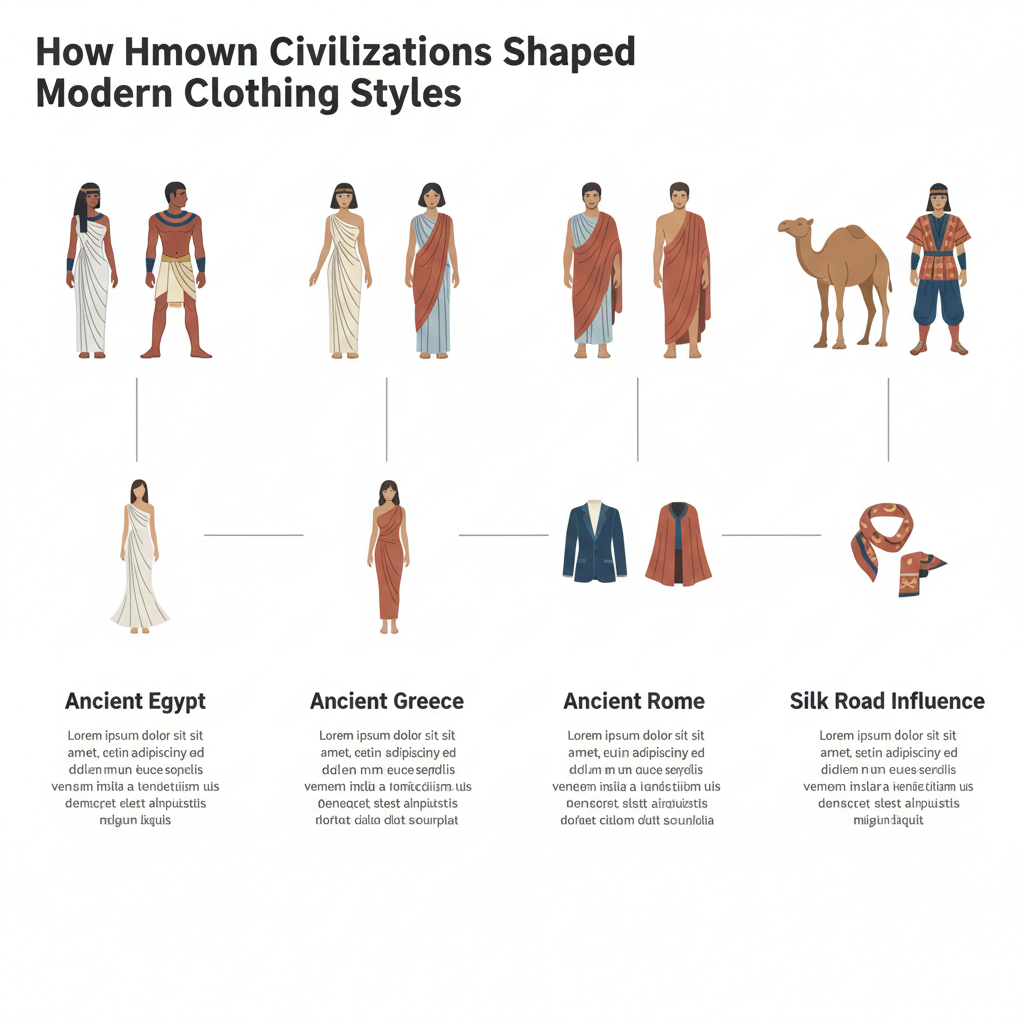
See also: How Ancient Civilizations Shaped Modern Clothing Styles
Frequently Asked Questions
When did humans first start wearing clothes?
Genetic evidence from body lice suggests humans began wearing clothes regularly between 83,000 and 170,000 years ago. However, clothing use may have been sporadic before becoming a consistent practice.
What were early clothes made from?
Early clothing was primarily made from animal skins, furs, and plant fibers. Materials varied based on geographic location and available resources. As tool-making advanced, humans began weaving plant fibers into simple textiles.
How did climate influence early clothing?
Climate was a driving force behind clothing innovation. Cold environments required insulated, layered garments made from thick furs. Tropical and desert climates called for lighter, breathable materials that provided sun protection without trapping heat.
Did early clothing have symbolic meaning?
Yes. Even in prehistoric times, clothing and body decoration served as markers of identity, social status, and group membership. Decorative elements like beads, dyes, and feathers were used to communicate cultural and personal significance.
How did humans learn to sew clothing?
The invention of bone needles around 40,000 years ago enabled humans to sew fitted garments. This allowed for more complex designs and better protection against the elements, marking a significant leap in clothing technology.