





How Sports Rule Changes Affect Gameplay USA

Introduction to Sports Rule Changes
Sports rule changes are an integral part of the evolution of athletics, impacting how games are played, perceived, and enjoyed. These modifications can range from minor adjustments in gameplay to major overhauls of existing regulations. Their significance cannot be overstated, as they reflect broader themes of safety, fairness, and the ever-evolving nature of sports in the United States.
One of the primary reasons for implementing rule changes is safety. Over the years, awareness of player health and wellness has increased significantly, prompting governing bodies to modify rules to minimize injuries. For instance, in football, the introduction of rules aimed at reducing head injuries showcases the sport’s commitment to protecting its athletes while maintaining its competitive integrity. Likewise, in hockey, stricter penalties for dangerous plays have been established to foster a safer playing environment.
Fairness is another essential factor driving changes in sports rules. As leagues strive for equitable competition, they continuously reassess existing regulations to ensure every participant has a chance to succeed, regardless of their background or team’s resources. For example, changes in the scoring systems for various sports, such as basketball and soccer, are often made to level the playing field and encourage more engaging matches.
Finally, the evolving nature of sports themselves demands adaptation. As fan engagement and international influence grow, sports must evolve to keep pace. This may involve changes in gameplay strategies, technological considerations such as the use of video replay for fairness, or constructing regulations that align with modern values and societal expectations. Collectively, these changes serve to enhance the spectator experience and ensure the longevity and relevance of sports.
Historical Overview of Rule Changes in Major Sports
The evolution of sports in the United States is intrinsically linked to the modifications in rules that shape gameplay. Each major sport has undergone significant transformations throughout its history, reflecting the changing dynamics of society and player safety. In American football, one of the notable changes occurred in 1978, when the NFL implemented new rules aimed at protecting quarterbacks, including stricter penalties for roughing the passer. This adjustment not only altered defensive strategies but also influenced the way the game is played, prioritizing the safety of key players.
Basketball has also seen considerable rule changes, particularly in the 1990s with the introduction of the three-point line, which was designed to open up scoring opportunities and enhance the pace of the game. This shift changed offensive strategies and player positioning, leading to a greater emphasis on long-range shooting. Additionally, the implementation of the shot clock in 1954 forever changed the tempo of basketball, encouraging faster play and more dynamic offensive tactics.
In baseball, the designated hitter rule, adopted in the American League in 1973, marked a significant change in how teams utilized players, leading to a new strategic approach. This rule change allowed for specialization in the batting order, impacting player statistics and game outcomes. Furthermore, the introduction of instant replay in recent years has brought about a new level of scrutiny to umpire decisions, fundamentally altering the managerial and tactical approaches within games.
Hockey, too, has undergone major rule modifications; the introduction of the forward pass in 1929 shifted offensive gameplay, facilitating breakouts and enhancing scoring opportunities. A more recent change was the implementation of the shootout after overtime, designed to resolve tied games more decisively and keep fan engagement high. Collectively, these rule changes across American sports illustrate the continuous evolution of gameplay, reflecting societal shifts while aiming for enhanced viewer experience and player safety.
The Impact of Rule Changes on Player Performance
Rule changes in sports play a fundamental role in shaping not only the gameplay but also the performance of athletes. These modifications often require players to adapt their skills and strategies, influencing their approach to the game. A prominent example can be found in basketball, where the introduction of the three-point line in the 1979 season revolutionized how players approached shooting. Athletes such as Stephen Curry have demonstrated the profound impact of this rule change by incorporating long-distance shooting into their skill set, leading to a shift in defensive strategies.
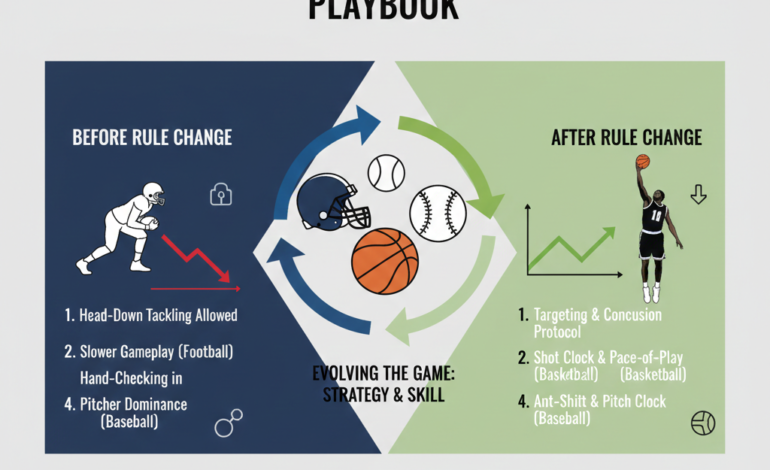
Shifting gears to football, the NFL’s alterations to the targeting rule have notably affected defensive players. The emphasis on player safety has led to changes in tackling techniques. Defensive players have had to reevaluate their approach to contact, often sacrificing their aggressiveness to avoid penalties, ultimately influencing the overall defensive performance. This change illustrates how a specific rule can alter fundamental aspects of player training and situational decision-making.
Another compelling example comes from baseball, where changes in rules regarding the pitch clock have prompted pitchers to adjust their rhythm and pace. This adaptation can result in varied performance outcomes, as pitchers now face the challenge of balancing speed with control. In this context, some pitchers have thrived under the new regulations, while others have struggled, highlighting the diverse responses among athletes to the same rule change.
In summary, rule changes in sports reverberate through every level of gameplay, demanding that players quickly adjust their techniques, strategies, and mindsets. This continuous evolution reflects the dynamic nature of sports and underlines the influence of regulations on athletic performance.
Fan Reactions to Rule Changes
Rule changes in sports often elicit a wide range of reactions from fans, reflecting their emotional investment in the games they love. While some fans embrace modifications, perceiving them as necessary adaptations to enhance the sport, others exhibit resistance, viewing changes as disruptions to the established norms of gameplay. This dichotomy in responses is influenced by factors such as tradition, familiarity, and the inherent nature of the sport itself.
Resistance to change is a common reaction among fans, particularly those with a longstanding relationship with the sport. These fans argue that fundamental aspects of gameplay should remain unchanged to preserve the integrity and historical significance of the game. For example, modifications to fundamental rules, such as those relating to scoring or fouling, can provoke passionate debates among supporters, leading some to express discontent through social media and fan forums. Such reactions illustrate the challenge sports organizations face in balancing innovation with tradition.
However, it is essential to recognize that rule changes can also foster increased engagement among fans. By implementing modifications intended to enhance playability or improve spectator experience, sports leagues can attract new audiences. For instance, changes that lead to faster-paced games or more scoring opportunities tend to resonate positively, generating excitement and stimulating discussions among fans. This sense of dynamism can invigorate fan bases, encouraging attendance at games and participation in discussions surrounding the sport.
Ultimately, while fan responses to rule changes can be polarized, they reflect the evolving landscape of sports. As leagues seek to adapt to modern viewing habits and audience preferences, understanding these reactions becomes critical for effectively managing the interplay between fan traditions and the need for progression in sports rule-making.
The Role of Technology in Implementing Rule Changes
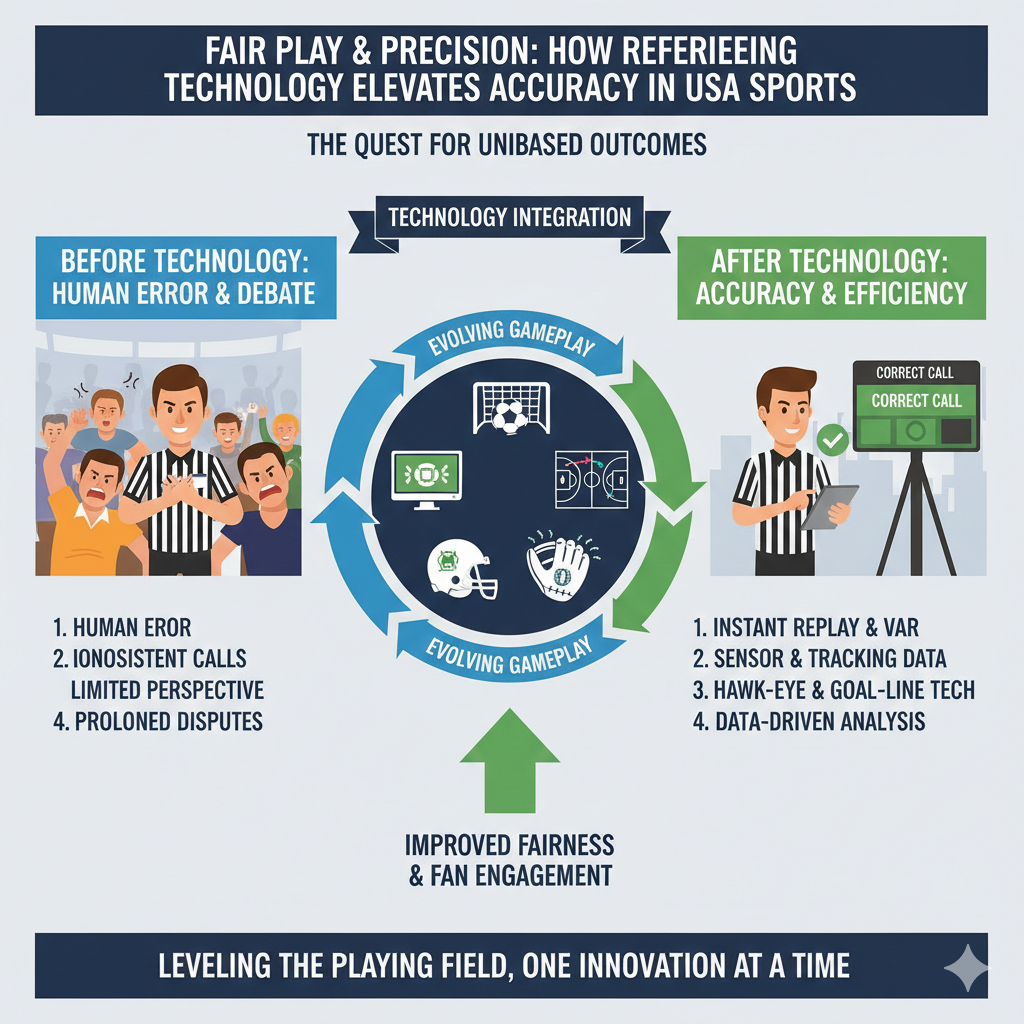
Technology has become an integral element in the realm of sports, particularly regarding the implementation and enforcement of rule changes. As sports evolve, the integration of various technological tools has allowed for more precise decision-making and improved gameplay. One of the most prominent advancements is the use of instant replay systems, which have transformed the way officials review plays and make critical decisions during competitions. This technology helps reduce human error, ensuring that the correct calls are made more accurately and fairly.
Instant replay allows referees and umpires to revisit pivotal moments in a game, providing them with multiple angles and slow-motion capabilities to assess the situation thoroughly. This technology has been widely adopted across various sports, including football, basketball, and baseball, allowing for greater accountability and transparency in officiating. The implications of such tools have not only heightened the quality of games but also affected the strategies employed by teams as they adapt to the presence of video reviews.
Moreover, data analytics plays a crucial role in redefining gameplay and rule adjustments. Teams now harness sophisticated analytical tools to gain insights into player performance and strategic execution. These technologies compile vast amounts of data from games, offering teams the ability to evaluate and modify tactics in real-time. For instance, adjustments to rules regarding player safety, such as targeting penalties in football, are informed by data-driven insights that assess the risk of injuries. By analyzing the outcomes of rule changes in tandem with player performance metrics, teams and leagues can collaboratively fine-tune regulations to better suit the dynamics of the game.
In summary, the incorporation of technology in enforcing rule changes is reshaping the sporting landscape in the USA. From instant replay to advanced data analytics, these innovations enhance the overall integrity of the game and contribute significantly to the evolution of sports regulations.
Case Studies of Specific Rule Changes
Rule changes in sports are often met with mixed reactions from players, coaches, and fans, as they can significantly impact gameplay. Analyzing specific case studies provides insight into how these alterations shape the sport’s dynamics.
One prominent example is the NFL’s targeted rule, introduced to enhance player safety by penalizing hits deemed to target an opponent’s head or neck area. This rule led to a significant modification in defensive strategies. Defenders, previously trained to tackle aggressively, now had to adapt their techniques, leading to concerns over decreased defensive effectiveness. Critics argue that this regulation can lead to overly cautious play, potentially altering the game’s pace and intensity. Supporters, however, believe it fosters safer gameplay, thereby mitigating the long-term health risks associated with concussions.
In basketball, the three-point line represents another significant rule change. Implemented in the 1979-1980 season, it revolutionized offensive strategies, encouraging teams to develop sharpshooters who could stretch the floor. The addition of this line has not only increased scoring averages but also transformed how teams structure their offenses. With athletes like Stephen Curry exemplifying the effectiveness of this change, the three-point shot has become a critical component in gameplay, forcing defenses to adapt, often leading to gaps in other areas.
Baseball’s designated hitter rule, adopted by the American League in 1973, further illustrates the implications of rule changes. By allowing a designated hitter to bat in place of the pitcher, this rule aimed to enhance offensive output. The result has been an increase in run production, shifting the balance of strategy between offensive and defensive play. Traditionalists argue that it undermines the role of the pitcher, while advocates claim that it allows for a more exciting and high-scoring game.
These case studies underscore the complex interplay between rule changes and gameplay dynamics across various sports, highlighting the necessity for continual evaluation of regulations to maintain a balance between player safety, competitive integrity, and viewer engagement.
Future Trends in Rule Changes
The landscape of sports is evolving, reflecting advancements in technology, a growing emphasis on player health, and shifting cultural dynamics. These factors are set to drive significant rule changes in various sports across the USA.
One primary area expected to influence rule changes is player health. As studies continue to reveal the long-term effects of concussions and other injuries, sports organizations are likely to implement stricter regulations aimed at safeguarding athletes. This could involve changing how contact is handled in sports such as football and hockey, possibly leading to modifications in tackling rules or the introduction of mandatory rest protocols for injured players. The integration of health data analytics will play an essential role in informing these developments, as real-time monitoring technology becomes increasingly prevalent.
Additionally, advances in technology can transform the way games are played and officiated. Innovations such as video review systems and wearables for performance tracking may lead to more precise rule enforcement, diminishing human error and inconsistencies in officiating. As teams and leagues take advantage of these technological enhancements, we may witness a shift towards more data-driven decision-making in rule establishment, focusing on optimizing player performance while ensuring fairness.
Furthermore, shifting cultural norms around issues such as inclusivity and equality could substantially influence future rule changes. Greater awareness of diversity and respect for all athletes may lead to amendments that prioritize equitable treatment and accessibility within sports. This might manifest in changes to gender-specific rules or policies that champion equal opportunities, enhancing the overall experience for both players and fans.
In essence, the intersection of research on player health, the rise of technology, and evolving cultural norms will undoubtedly guide the future of sports rule changes in the USA, ensuring they remain relevant and beneficial as sports continue to grow and adapt.
Insights from Coaches and Players
The landscape of professional sports in the USA is continuously evolving, significantly shaped by rule changes across various leagues. Coaches and players, as pivotal figures in this ecosystem, offer vital insights into how these modifications impact gameplay and overall team strategies. Their perspectives highlight a diverse range of opinions concerning the balance between tradition and innovation.
Many coaches appreciate rule changes that promote player safety and enhance the overall flow of the game. They contend that certain adjustments, such as restrictions on high tackles in football or adjustments to physical contact rules in basketball, not only protect athletes but also encourage a more strategic form of play. This sentiment is echoed among players, who recognize the importance of safeguarding their health while striving for excellence on the field.
However, while acknowledging the need for reforms, some in the coaching community express concern about losing the essence of traditional gameplay. The introduction of rules aimed at increasing scoring mechanisms, such as promoting offensive plays, raises questions of whether these changes compromise foundational aspects of the sport. Coaches often emphasize that such adjustments can inadvertently alter the training focus, pushing athletes to adapt their skills and strategies rapidly.
Additionally, analysts within the sports community offer a macro perspective on the implications of these rules on gameplay dynamics. Their evaluations frequently delve into statistical analyses, addressing how modifications affect game pacing, the frequency of injuries, and comparative competitiveness among teams. Overall, insights from this professional community underline the complexities and challenges of navigating the fine line between honoring sports’ rich traditions and embracing innovative approaches for progression.
Conclusion: Summary on the Importance of Rule Changes
In reviewing the impact of sports rule changes, it becomes evident that such adaptations are integral to the evolution of the games we know and love in the USA. Throughout this blog post, we have examined various aspects of rule modifications across different sports, highlighting how they not only enhance gameplay but also align with the shifting dynamics of contemporary society.
Sports governing bodies periodically initiate rule changes to address safety concerns, promote fair play, and enrich the spectator experience. These changes often stem from a consensus that prioritizes player welfare, ensuring that the games remain competitive yet safe. For instance, the introduction of helmet regulations in football or stricter enforcement of foul rules in basketball serve as prime examples of modifications aimed at safeguarding athletes while preserving the integrity of the game.
Furthermore, rule changes can significantly contribute to the growth and popularity of sports. By making games more accessible and engaging to a broader audience, such alterations can attract newcomers, increase viewer ratings, and bolster revenue streams for leagues and organizations. In this regard, the adaptive nature of sports rules fosters an environment conducive to both participation and viewership.
Ultimately, the key takeaway is that sports rule changes are not merely procedural updates; they are vital components that contribute to the ongoing development of athletic competition. As the landscape of sports continues to evolve, so too must the rules that govern them, ensuring they reflect contemporary values and enhance the spectator’s experience without compromising the essence of the sport. In navigating this delicate balance, stakeholders in the sports community can look forward to a vibrant future for athletics in America.