


Introduction to Software Updates and Security
Software updates play a critical role in maintaining the security and functionality of software systems. These updates can be classified into various categories, including security patches, feature upgrades, and system enhancements. Security patches are particularly crucial, as they are designed to fix vulnerabilities within the software that could be exploited by malicious actors. By regularly applying security patches, users can significantly reduce the risk of data breaches, malware infections, and cyberattacks.
Feature upgrades, on the other hand, typically introduce new capabilities or improve existing features to enhance user experience and performance. While these updates primarily focus on functionality, they can also have implications for security. Often, new features are built with improved security measures that can help fortify a system against potential threats.
System enhancements address the overall performance and stability of the software. They may involve optimizing code, fixing bugs, and improving compatibility with other systems. A system that runs efficiently is less prone to crashes or failures, which can create vulnerabilities. Therefore, regular software updates are crucial not just for integrating new features but also for ensuring that the systems operate securely.
In today’s digital landscape, where threats are continually evolving, the maintenance of software integrity through updates is indispensable. This is especially pertinent in the USA, where the reliance on technology across various sectors has reached unprecedented levels. Organizations and individuals alike must prioritize the timely application of software updates to safeguard sensitive information and maintain operational continuity.
The Importance of Regular Software Updates
In today’s digital landscape, the importance of regularly updating software cannot be overstated. Software updates play a crucial role in strengthening cybersecurity measures and ensuring the integrity of systems and devices. Organizations and individuals alike must prioritize regular updates as they are essential for mitigating risks associated with cyber attacks and data breaches. Frequent updates help patch vulnerabilities that malicious actors exploit, thus preserving sensitive information and maintaining trust with users.
Generally, the frequency of updates depends on the specific software and its purpose. Operating systems, anti-virus programs, and web browsers often release updates on a monthly or bi-monthly basis. It is recommended that users enable automatic updates when available, as this ensures timely adoption of security patches. For enterprise software or applications managing customer data, immediate updates following a known vulnerability disclosure are crucial. This proactive approach deters cybercriminals who continuously seek out unpatched vulnerabilities.
Neglecting to implement regular software updates exposes systems to severe risks. Outdated software is frequently targeted by hackers who leverage known vulnerabilities to gain unauthorized access. This can lead to detrimental outcomes, including significant data breaches, financial loss, and compromise of personal information. Furthermore, as software becomes obsolete, it may lack essential security features and compatibility with contemporary protective measures, widening the security gap.
In summary, regular software updates are a fundamental aspect of any cybersecurity strategy. By consistently applying updates, users and organizations can greatly reduce the odds of falling victim to cyber threats. Fostering a culture that values and prioritizes software maintenance is vital, ensuring individuals and companies have robust defenses against constantly evolving cybersecurity threats.
Outdated software often harbors a myriad of security vulnerabilities that can be exploited by malicious actors. One of the most common types of vulnerabilities seen in outdated software is the presence of unpatched security flaws. For instance, the infamous Heartbleed bug, which affected OpenSSL, allowed attackers to read the memory of systems protected by the vulnerable versions of the software. This led to the compromise of sensitive data, including usernames and passwords for numerous web services.
Moreover, deprecated protocols in older versions of software can expose systems to considerable risks. The use of the SMBv1 protocol is a prime example. This protocol was leveraged by the WannaCry ransomware attack, which spread rapidly across networks in 2017, encrypting files and demanding ransom payments. The rapid propagation of such malware highlights the importance of updating to more secure protocols that are actively maintained and supported.
Another category of vulnerabilities stems from the lack of compatibility with modern security practices. Software identities may not integrate with new security updates or infrastructure changes, thus creating gaps that could be exploited. For example, outdated web browsers may not support the latest encryption standards, leaving data transmitted over them susceptible to interception and exploitation by cybercriminals.
Furthermore, outdated operating systems are often targeted due to their known vulnerabilities, which can remain unaddressed if users do not apply updates regularly. Attackers frequently utilize exploit kits specifically designed to target these known flaws, thereby emphasizing the critical need for organizations to maintain an up-to-date software inventory.
In conclusion, the risks associated with using outdated software underscore the necessity of timely updates. By addressing vulnerabilities proactively, organizations in the USA can greatly enhance their security posture and mitigate the potential for cyber threats.
How Software Updates Protect Against Cyber Threats
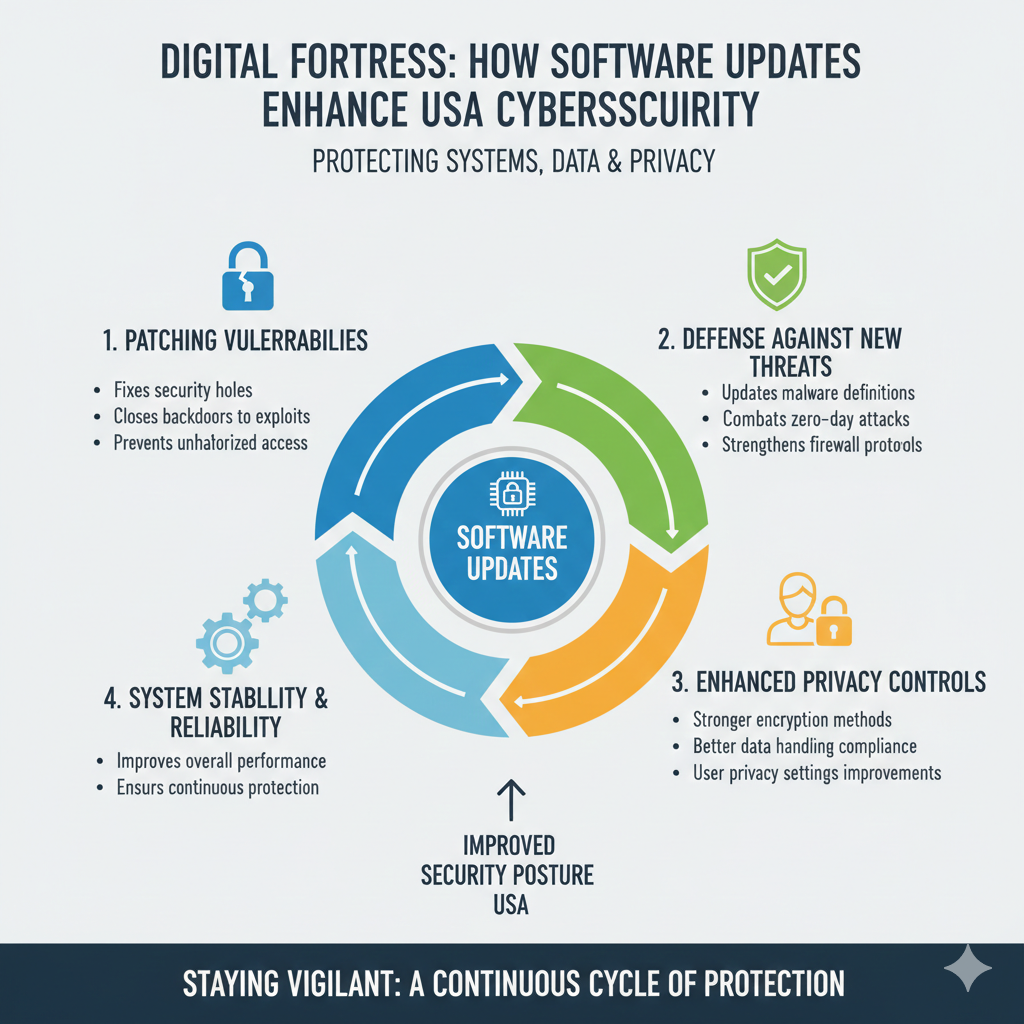
Software updates are essential in fortifying systems against cyber threats. They play a pivotal role in addressing security vulnerabilities that could potentially be exploited by attackers. When developers identify a flaw within their software, they work swiftly to create a fix, which is then dispatched through an update. This proactive approach ensures that systems remain secure against newly discovered exploits.
One of the primary mechanisms through which software updates bolster security is by patching known vulnerabilities. Cybercriminals continually seek weaknesses in software systems to gain unauthorized access. Regular updates close these gaps by applying patches that rectify coding flaws. For example, a recent update might fix a specific bug that was previously allowing malware to infiltrate a system. By regularly updating software, users can maintain the integrity of their data and reduce the risks associated with cyber threats.
Additionally, software updates often include enhancements to encryption standards. As encryption techniques evolve, so too do the methods employed by cybercriminals to breach them. By adopting stronger encryption protocols through updates, software developers ensure that user data remains protected. This enhancement becomes critical in environments where sensitive information is transmitted, such as in online banking transactions or cloud storage services. Moreover, these updates frequently integrate the latest security technologies designed to fend off potential attacks, including firewalls, intrusion detection systems, and anti-malware solutions.
Overall, the importance of software updates cannot be overstated. They serve as a critical line of defense in the ongoing battle against cyber threats, effectively addressing vulnerabilities, improving encryption, and integrating advanced security technologies. Users are strongly encouraged to keep their software up to date to maximize their protection in an increasingly digital and threat-laden landscape.
Real-world Impact of Software Updates on Security Breaches
Software updates play a crucial role in fortifying security measures against potential breaches. Numerous case studies highlight how timely software updates can significantly reduce vulnerability to cyberattacks. For instance, the infamous Equifax breach of 2017, which exposed personal information of about 147 million people, was mainly attributed to the failure to install a critical security patch. This case demonstrated the grave consequences of neglecting software updates, emphasizing the need for businesses to stay vigilant.
Statistics underscore the importance of regular updates. According to a study by the Cybersecurity and Infrastructure Security Agency (CISA), organizations that routinely apply patches are 80% less likely to be breached compared to those that do not. Moreover, a report from the Ponemon Institute states that 60% of organizations reported a reduction in the likelihood of cyber incidents associated with strict update protocols. These findings illustrate that regular software updates are not simply a technical requirement; they are essential for maintaining robust security defenses.
High-profile incidents serve as stark reminders of the risks involved when updates are overlooked. For example, the WannaCry ransomware attack in 2017 exploited a vulnerability in outdated Windows systems. It affected more than 200,000 computers across 150 countries, leading to millions in damages. The attack could have been largely avoided if affected organizations had promptly applied the relevant security updates. Therefore, companies must prioritize software updates as a fundamental aspect of their cybersecurity strategies.
In summary, the real-world impact of software updates is unequivocal. Case studies not only highlight the benefits of proactive update management but also reveal the dire repercussions of neglecting this critical aspect of cybersecurity. By investing in timely software updates, organizations can greatly enhance their defenses against potential security breaches, thereby safeguarding sensitive data and maintaining customer trust.
Challenges to Effective Software Update Practices
Organizations in the USA face numerous challenges in implementing effective software update practices, which are essential for maintaining security across their systems. One prevalent issue is user resistance, where employees may be reluctant to adopt new updates due to fears of disruptions in their daily activities. In many cases, users perceive updates as cumbersome tasks that can potentially interfere with their workflows, leading to pushback against timely software deployments.
Another significant challenge relates to compatibility concerns. Organizations often operate with a diverse range of software applications and hardware systems, creating complexities when integrating new updates. Compatibility issues can result in software conflicts, leading to decreased functionality and user productivity. This necessitates thorough testing prior to rolling out updates, which can be resource-intensive and time-consuming, causing further delays.
Resource allocation also poses a challenge for effective update practices. Many organizations may lack the requisite financial and human resources to develop and enforce comprehensive update strategies. Budget constraints can lead to limited investment in tools and personnel dedicated to software maintenance. Furthermore, IT professionals may be overloaded with other critical tasks, resulting in software updates being deprioritized.
Finally, maintaining operational continuity while ensuring systems are updated remains a balancing act for organizations. Many businesses operate in environments where downtime is not acceptable, and any software update could result in temporary service disruptions. Thus, organizations must carefully schedule updates to minimize interruptions, often leading to the postponement of critical updates.
Addressing these challenges requires a streamlined strategy that emphasizes communication, training, and resource management to cultivate a culture that prioritizes security through software updates.
Best Practices for Managing Software Updates
Effectively managing software updates is crucial for maintaining security and operational efficiency within organizations. To enhance the overall security posture, it is recommended that businesses adopt several best practices. One of the most effective strategies is to set up automatic updates. By enabling this feature, organizations can ensure that their software is consistently updated with the latest security patches and improvements without the need for manual intervention. This reduces the risk of running outdated software that could be susceptible to cyber threats.
In addition to automatic updates, establishing a regular schedule for manual checks is highly advisable. This practice allows IT teams to verify that software is not only up to date but also functioning correctly after updates are applied. Regular audits of software versions can identify any anomalies or issues that may arise from updates. By adhering to a set schedule, organizations can ensure comprehensive oversight of their software environment, thus minimizing vulnerabilities.
Furthermore, training employees on the importance of timely software updates cannot be overstated. Employees should be educated on how outdated software can lead to security breaches and the potential impact on sensitive data. Providing training sessions can enhance awareness and foster a culture of compliance regarding software management. Employees should understand the role they play in maintaining system integrity and how regular updates contribute to overall security.
Ultimately, combining automatic updates with scheduled checks and employee education creates a robust framework for managing software updates. This proactive approach not only mitigates risks associated with cybersecurity threats but also reinforces a commitment to maintaining secure and resilient IT infrastructure.
The Role of Government and Regulations in Software Update Compliance
The landscape of cybersecurity in the United States is significantly influenced by government regulations and standards that emphasize the importance of software maintenance. Software updates are critical in maintaining security, and compliance with regulatory frameworks ensures that organizations adhere to best practices in cybersecurity. One pivotal regulation in this domain is the Health Insurance Portability and Accountability Act (HIPAA), which mandates regular updates and maintenance for software systems handling protected health information. By enforcing compliance, HIPAA aims to minimize vulnerabilities that could expose sensitive data.
Another relevant regulation is the Federal Information Security Management Act (FISMA), which requires federal agencies and their contractors to implement security measures, including software updates. FISMA enforces a risk management framework that necessitates regular review and updating of information systems to address emerging threats. Organizations subject to these regulations must prioritize timely software updates, which in turn fortify their overall cyber defense mechanisms.
Additionally, the National Institute of Standards and Technology (NIST) provides guidelines, such as Special Publication 800-53, which outlines security and privacy controls for federal information systems. NIST’s recommendations include continuous monitoring and regular updates of software systems to respond effectively to security vulnerabilities. By adhering to these standards, organizations can enhance their compliance posture and ensure that their software remains robust against evolving cyber threats.
Overall, government regulations and compliance requirements are instrumental in fostering a culture of proactive software maintenance. The focus on software updates not only helps organizations mitigate risks but also enhances the overall security posture of industries across the USA. As updates become a regulatory expectation rather than a mere operational option, organizations are compelled to integrate consistent software maintenance practices into their cybersecurity strategies.
Conclusion: The Future of Software Updates and Security
In today’s digital landscape, the significance of software updates in enhancing security cannot be overstated. Regular updates play a crucial role in addressing vulnerabilities that may be exploited by cybercriminals. They not only strengthen the existing security framework but also adapt to the evolving threats in the cyber environment, ensuring that organizations and individual users alike are better protected against potential attacks.
As we look towards the future, the integration of advanced technologies such as artificial intelligence (AI) and machine learning is likely to transform the way software updates are developed and implemented. These technologies can improve the efficiency of the update process by identifying security loopholes more quickly and automating responses to emerging threats. AI-driven security systems can also analyze vast amounts of data in real-time, allowing for dynamic threat detection that enhances the overall security posture of systems.
Moreover, the rise of automated systems may lead to a paradigm shift in how updates are perceived. Rather than the traditional model of periodic updates that users must manually install, future developments could see updates occurring seamlessly in the background as part of routine operations. This shift could significantly mitigate the risk associated with outdated software, as systems would be consistently fortified against the latest threats.
However, as these technologies evolve, it will be imperative to maintain a balance between automation and human oversight. Ensuring that updates are not only automatic but also effective requires continuous monitoring and adaptation of security protocols. As the landscape of cybersecurity continues to develop, the collaboration between software developers, security professionals, and users will be essential in fostering safer environments.