



How Social Media Is Reshaping Modern Lifestyles

Introduction to Social Media’s Influence
In recent years, social media has emerged as a pivotal force in shaping modern lifestyles. Platforms such as Facebook, Twitter, Instagram, and LinkedIn have not only transformed communication but have also redefined how individuals and communities interact. The rapid proliferation of these platforms has made social media an integral part of everyday life, influencing personal, professional, and social dynamics.
Initially developed as tools for networking and sharing content, social media platforms have evolved to facilitate real-time communication across diverse demographics. The accessibility and immediacy of social media allow users to connect with friends, family, colleagues, and even strangers worldwide. This unprecedented interconnectedness fosters a sense of community and belonging, transcending geographical barriers.
Furthermore, social media serves as a critical medium for information dissemination. Users can swiftly share news, opinions, and experiences, leading to a more informed public, albeit one that must navigate the complexities of misinformation and polarizing content. The impact of social media on public discourse and societal trends is undeniable, as it often shapes collective opinions and promotes social movements.
As a primary communication channel, social media has also transformed marketing and branding strategies. Businesses increasingly rely on these platforms to reach consumers directly, engaging them through targeted advertising and authentic content creation. This shift not only enhances brand visibility but also allows organizations to cultivate relationships with their audience, ensuring relevance in today’s digital landscape.
In summary, the influence of social media on contemporary lifestyles is profound and multifaceted. It redefines communication patterns, fosters global connections, and reshapes the ways in which information is consumed and shared. As we delve further into the nuances of social media’s role in everyday life, it becomes clear that its impact will continue to shape our futures significantly.
Social Media and Communication Trends
Social media has fundamentally transformed how individuals communicate, leading to a seismic shift in communication styles across various demographics. In recent years, platforms like Facebook, Twitter, Instagram, and Snapchat have popularized informal language, which often includes the use of abbreviations, slang, and casual phrasing. This shift has been further augmented by the increasing prevalence of emojis and memes, which serve as modern-day hieroglyphs for expressing emotions and ideas succinctly and engagingly. As communication evolves, these tools allow users to convey complex feelings and thoughts in mere images or short phrases, making interactions more dynamic.
Moreover, the speed at which information is shared on social media platforms has created a culture of rapid communication. News can break and spread within moments, influencing public perception and personal discussions almost instantaneously. However, this quick dissemination also raises questions about the accuracy and reliability of information shared across these channels. Users often find themselves sifting through a plethora of content, from well-researched articles to misleading posts, complicating the landscape of communication.
Different age groups exhibit distinct preferences and styles when utilizing social media for communication. Younger generations, such as Millennials and Generation Z, are particularly adept at leveraging the visual nature of platforms to express their ideas. They tend to favor short, snappy messages that integrate multimedia elements, while older generations might still prioritize text-based content and longer-form communication. Understanding these trends is crucial for effective engagement on social media, as it highlights the importance of tailoring communication strategies to the specific audience being addressed.
Impact on Personal Relationships
Social media has dramatically transformed the landscape of personal relationships. Platforms such as Facebook, Instagram, and Twitter enable individuals to connect with friends and family across great distances, thereby maintaining relationships that might otherwise diminish due to geographical barriers. This instant accessibility fosters a sense of closeness among users, allowing them to share significant life events, daily experiences, and personal milestones through posts and updates. Consequently, social media acts as a tool that helps nourish existing connections, providing a continuous thread for interaction.
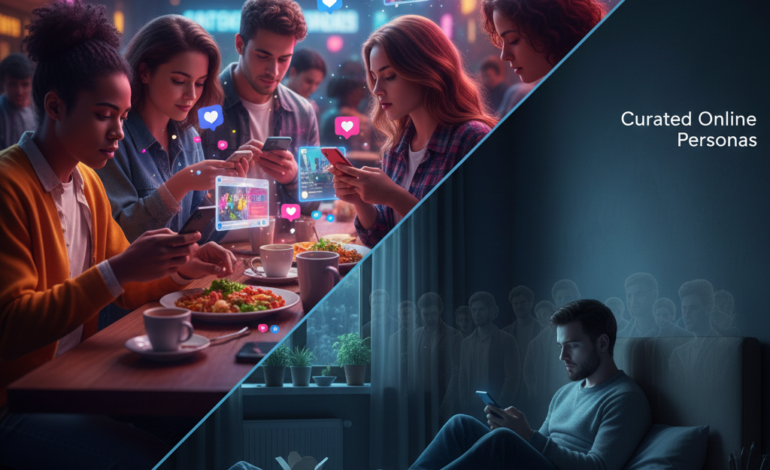
On the other hand, the very nature of online communication can also breed misunderstandings and conflicts. The absence of non-verbal cues, such as tone of voice and facial expressions, makes it challenging to interpret messages accurately. Miscommunication can arise from ambiguous texts or misinterpretation of intent, leading to unnecessary disagreements among users. For example, a message that is intended to be lighthearted may be perceived as offensive or dismissive, straining relationships. Furthermore, the tendency to present an idealized version of oneself can lead to envy and resentment among friends, as individuals may feel inadequate compared to the curated lives portrayed online.
Additionally, social media can foster dependency on digital interactions at the expense of face-to-face communication. While online platforms facilitate connection, they may inadvertently hinder the development of deep interpersonal skills required for in-person interactions. This trend can lead to feelings of isolation and loneliness despite a seemingly robust online social network. As individuals substitute online interaction for real-life engagement, the quality of relationships could potentially degrade.
In summary, social media plays a dual role in shaping personal relationships, offering opportunities for maintaining connections while also posing risks of miscommunication and diminished real-world interactions. Therefore, it is essential to navigate these platforms mindfully to ensure that they enhance rather than detract from our personal relationships.
Social Media and Mental Health
Social media has become a ubiquitous part of modern life, significantly influencing the way individuals interact and communicate. While the impact of social media on mental health has been the subject of numerous studies, the association is complex and multifaceted. Research indicates that social media can yield both positive and negative outcomes for mental health. For instance, online platforms often foster community engagement and provide spaces for support. Individuals facing mental health challenges may find solace in online support groups, where shared experiences and empathy contribute to emotional healing. These virtual connections can significantly enhance the feelings of belonging and validation, especially for those who may feel isolated in their offline lives.
However, it is essential to acknowledge the darker side of social media use. The phenomenon of social comparison is prevalent, as users frequently present idealized versions of their lives. This often leads to feelings of inadequacy and low self-esteem among viewers, who might perceive themselves as falling short of the depicted standards. Moreover, cyberbullying has emerged as a serious concern, with reports indicating that 59% of U.S. teenagers have experienced online harassment. The emotional distress caused by such experiences can trigger anxiety, depression, and other mental health issues.
Furthermore, excessive social media use can result in addiction-like symptoms, creating a cycle of dependence that further disconnects individuals from their real-life relationships and responsibilities. This unhealthy relationship with technology can lead to decreased productivity, disrupted sleep patterns, and ultimately, a decline in overall mental well-being. As such, while social media can serve beneficial roles, it is important to approach its use with mindfulness and consider its implications on mental health.
The Role of Influencers and Marketing
In recent years, the landscape of marketing and advertising has undergone a dramatic transformation, largely attributed to the rise of social media platforms. These platforms have facilitated a paradigm shift where traditional advertising methods are increasingly supplemented or even replaced by influencer marketing. Influencers, individuals who have garnered substantial followings on social media, play a pivotal role in shaping consumer perceptions and behaviors. Their ability to engage with audiences on a personal level makes them powerful advocates for brands.
The emergence of influencers has resulted in a shift towards personalized marketing strategies. Unlike traditional advertisements that convey generalized messages to a broad audience, influencer marketing allows brands to communicate with specific demographics in a more tailored manner. Influencers often curate content that resonates with their followers, creating a sense of authenticity that is difficult to achieve through conventional advertising. This level of personalization not only captures attention but also fosters trust, leading to higher engagement and conversion rates.
As consumers increasingly turn to social media for recommendations and inspiration, their purchasing behavior reflects this trend. Research indicates that consumers are more likely to purchase products endorsed by influencers they admire, demonstrating how social media has reshaped the buying journey. This new reality poses both opportunities and challenges for brands; while the potential for reach and engagement is vast, brands must also navigate issues related to transparency and authenticity.
To remain competitive, brands must acknowledge the growing importance of influencers within their marketing strategies. As social media continues to evolve, understanding the dynamics of influencer marketing and its impact on consumer behavior will be crucial in developing effective marketing strategies that resonate with modern audiences.
Social Media as a Source of Information
In recent years, social media has emerged as a significant source of information, altering how individuals access news and engage with current events. The platforms offer unparalleled accessibility, allowing users to obtain updates instantly from around the globe. A myriad of news organizations and independent reporters leverage social media to disseminate information swiftly, making it possible for users to stay informed without relying solely on traditional news outlets. This immediacy can foster greater awareness of important issues, facilitating real-time discussions and engagement.
However, while social media serves as a valuable tool for information sharing, it also presents significant challenges. One of the primary concerns is the prevalence of misinformation. With the ease of publishing content on these platforms, inaccurate or misleading information can spread rapidly, often outpacing the efforts to correct it. Users may find themselves unable to discern credible sources from those promoting false narratives, leading to a confused or misinformed public.
Moreover, social media can create echo chambers, where users are predominantly exposed to information that reinforces their existing beliefs. Algorithms designed to present content aligned with users’ preferences can inadvertently limit exposure to diverse perspectives. This can skew public opinion and hinder constructive discussions about pressing topics. As users engage within these echo chambers, the polarization of views may perpetuate, resulting in a society where coherent discourse becomes increasingly challenging.
In summary, while social media has transformed the landscape of information dissemination, providing immediate access to news and fostering engagement, it has also introduced significant concerns regarding the quality and reliability of that information. Addressing the challenges associated with misinformation and echo chambers is essential to ensure that the role of social media as a source of information contributes positively to society.
Changing Work and Professional Landscapes
In recent years, social media has significantly transformed the way we work, creating a new landscape for professional interactions. One major effect is the blurring of lines between personal and professional lives. Platforms such as LinkedIn, Facebook, and Twitter have not only offered avenues for personal expression but have also become essential for networking and building professional relationships. Today, it is commonplace for professionals to share personal milestones alongside career achievements on their social media profiles, fostering a sense of authenticity and relatability in professional interactions.
Moreover, the rise of professional networking through social media has revolutionized recruitment processes. Employers now actively utilize platforms like LinkedIn for scouting talent, allowing them to engage with potential candidates in more informal settings than traditional job fairs or interviews. Job seekers can showcase their skills, experiences, and endorsements from previous colleagues, which contribute to a more comprehensive evaluation of their professional capabilities. As a result, social media not only enhances visibility for candidates but also enables recruiters to identify the right talent efficiently.
The advent of remote work has further reshaped professional landscapes, with social media playing an instrumental role in its proliferation. With teams now often distributed across various geographical locations, collaboration tools integrated with social media features allow for seamless communication and productivity. This shift towards remote work has not only facilitated a more flexible work-life balance but has also broadened the job market, allowing employers to access talent from diverse global pools.
In conclusion, social media has fundamentally altered how we perceive work and professional relationships. By intertwining personal voices with professional branding, enhancing recruitment processes, and enabling remote work arrangements, social media continues to reshape modern professional landscapes in profound ways.
Social Media Trends in Leisure Activities
Social media has significantly transformed the way individuals engage in their leisure activities, fostering a platform where preferences and trends can be easily shared and discovered. One of the most notable impacts is in the realm of travel choices. Through an array of travel blogs and vlogs, potential travelers can explore destinations from the comfort of their homes. This visual storytelling not only inspires wanderlust but also provides practical insights into the experiences of others. Influencers and travel enthusiasts share their journeys, allowing users to make informed decisions about their next vacation, often prioritizing locations that are trending online.
In addition to travel, social media has also shaped the landscape of book reading through the rise of online book clubs. Platforms like Goodreads and Instagram have given rise to communities where readers can discuss literature, share recommendations, and participate in challenges such as reading a specific number of books within a year. These engagements transform solitary reading into a collective experience, motivating individuals to explore new genres and authors they may not have otherwise considered.
Furthermore, fitness is experiencing a renaissance thanks to online challenges and fitness influencers. Platforms such as YouTube and Instagram have made it easier for individuals to partake in fitness regimes by providing accessible workout videos and motivational content. Users can engage in challenges like a 30-day workout program, further enhancing their commitment to personal fitness goals. The social aspect of sharing progress and achievements online acts as a powerful incentive for many, reinforcing a sense of community and accountability. As social media continues to evolve, it remains a pivotal force in shaping how individuals engage with their leisure interests, highlighting new trends and fostering connections in an increasingly digital world.
Future Prospects of Social Media Impact
The role of social media in shaping modern lifestyles is poised to evolve dramatically in the coming years due to several key factors. First and foremost, technological advancements, including artificial intelligence (AI) and virtual reality (VR), are likely to revolutionize user experiences and interactions. AI algorithms will continue to refine content delivery, making platforms increasingly personalized. This could lead to a scenario where users are exposed to tailored content that aligns closely with their preferences and interests, further intensifying engagement.
Moreover, as VR technology matures, social media may transition towards immersive environments, enabling real-time interactions that mimic in-person experiences. Such advancements could shift how individuals connect, collaborate, and consume content, paving the way for entirely new forms of social interaction. The integration of these technologies may contribute to a communal experience, making physical distances seem less significant, and thereby altering the fabric of social connections.
Shifts in user demographics present another vital dimension in the future of social media. The increasing presence of older generations on platforms such as Facebook and emerging apps may result in more diverse content, reflecting a broader spectrum of interests and perspectives. This demographic expansion could encourage more intergenerational interactions and create opportunities for dialogue amidst varying viewpoints, further enriching the social media landscape.
Additionally, as society navigates issues around privacy, mental health, and misinformation, user expectations will change, influencing how social media companies operate. Platforms may need to adopt more transparency in data usage and strengthen features aimed at promoting positive user engagement to adapt to these expectations. Hence, the ongoing evolution of social interaction facilitated by social media will likely continue to reshape modern lifestyles in profound ways.