


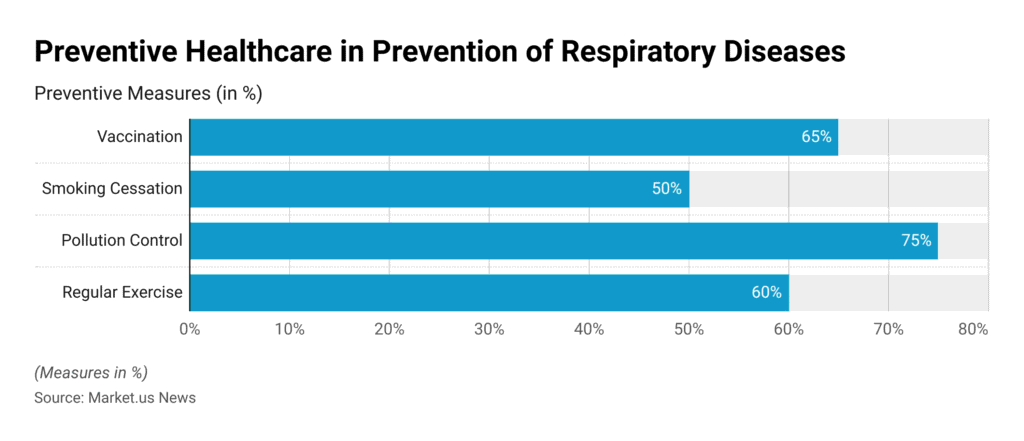
Healthcare spending in the United States has reached astronomical levels. For millions of Americans, the fear of a medical bill is just as potent as the fear of illness itself. We often view healthcare as a service we buy only when we are sick—broken bones, sudden fevers, or chronic pain. This reactive approach, often called “sick care,” drives up expenses for individuals, insurance companies, and the economy at large.
The financial burden of treating advanced diseases is staggering. By the time a condition requires emergency intervention or complex surgery, the costs have often multiplied ten-fold compared to early management. This is where the shift from treatment to prevention becomes critical.
Prioritizing wellness checks, screenings, and early interventions does more than just save lives; it saves billions of dollars. Understanding the economics of health is essential for navigating the complex US system. This article explores how preventive strategies act as a financial shield, lowering long-term expenses and securing a healthier, more affordable future.
What Is Preventive Healthcare?
To understand the financial benefits, we must first define the scope of preventive healthcare USA systems rely on. Preventive care consists of measures taken to prevent diseases or injuries rather than curing them or treating their symptoms. It is the maintenance work of the human body—fixing small issues before they become systemic failures.
Preventive healthcare is generally categorized into three distinct levels:
Primary Prevention
This involves intervening before health effects occur. It includes vaccinations, altering risky behaviors (like smoking cessation), and banning substances known to be associated with a disease or health condition.
Secondary Prevention
This stage focuses on screening to identify diseases in the earliest stages, before the onset of signs and symptoms. Examples include mammography and regular blood pressure testing.
Tertiary Prevention
This involves managing disease post-diagnosis to slow or stop its progression. This might include chemotherapy, rehabilitation, and screening for complications.
The difference between preventive care and reactive care is stark. Reactive care waits for the heart attack to happen; preventive care manages cholesterol and blood pressure decades in advance to ensure the heart attack never occurs.
How Preventive Healthcare Reduces Long-Term Costs
The relationship between early action and financial savings is direct. Understanding how preventive healthcare reduces long-term costs USA residents face requires looking at the price tag of emergency interventions versus routine maintenance.
When patients skip preventive care, conditions often go undetected until they reach a crisis point. A crisis usually leads to the emergency room, which is the most expensive setting for care in the healthcare system. Treating a stroke in the ER and subsequent ICU is significantly more expensive than years of medication to manage hypertension.
Furthermore, lower hospitalization rates are a natural byproduct of effective prevention. Conditions like diabetes, asthma, and heart failure are “ambulatory care sensitive conditions.” This means that with proper outpatient care (prevention and management), hospitalization should be unnecessary. By keeping patients out of the hospital, the system avoids the overhead costs associated with room and board, 24-hour nursing, and acute care supplies.
Preventive Screenings and Early Diagnosis
One of the most effective tools in the cost-saving arsenal is preventive health screenings USA guidelines recommend. Screenings are designed to catch health issues when they are most treatable—and least expensive.
Cancer Screenings
Consider colorectal cancer. If caught early through a colonoscopy (where precancerous polyps can be removed during the exam), the cost is relatively low. However, if the cancer is not detected until stage IV, the treatment involves surgery, chemotherapy, and radiation, costing hundreds of thousands of dollars, with a much lower survival rate.
Blood Pressure and Cholesterol
High blood pressure is often called the “silent killer” because it has no symptoms. Without a simple, cheap screening, a patient might not know they have it until they suffer a kidney failure or stroke. The cost difference between a generic daily pill and dialysis is massive.
Diabetes and Heart Disease
Regular blood work can identify pre-diabetes. Lifestyle changes implemented at this stage can reverse the trajectory entirely. Once full-blown type 2 diabetes sets in, the lifetime cost of insulin, monitoring supplies, and treating complications (like neuropathy or vision loss) creates a severe financial drain on the patient.
Vaccinations and Disease Prevention
Immunization is one of the most cost-effective public health achievements in history. Preventive vaccines USA regulations promote are vital for economic stability.
Vaccines do not just protect the individual; they protect the community through herd immunity. When large portions of the population are vaccinated, the spread of contagious diseases slows down, protecting those who cannot be vaccinated (like newborns or the immunocompromised).
From a cost perspective, the math is simple. The cost of a flu shot is negligible compared to a week in the hospital for severe influenza complications. For diseases like measles or whooping cough, outbreaks lead to massive public health spending on contact tracing, quarantine measures, and intensive care treatments. Employers also benefit significantly, as widespread vaccination reduces the number of sick days taken by the workforce, maintaining productivity levels.
Chronic Disease Prevention & Management
Chronic diseases—such as heart disease, cancer, and diabetes—are the leading drivers of the nation’s $4.1 trillion in annual healthcare costs. Chronic disease prevention USA initiatives focus on stopping these conditions before they start.
Lifestyle interventions are the first line of defense. Programs that encourage physical activity, healthy eating, and smoking cessation can drastically reduce the risk of developing chronic conditions. While gym memberships or nutrition counseling cost money, they are inexpensive compared to the medical management of a chronic illness.
For those already diagnosed, secondary and tertiary prevention are key. Long-term medication adherence prevents emergency complications. For example, a patient with asthma who uses their maintenance inhaler regularly is far less likely to suffer an attack requiring emergency ventilation. By preventing disability and maintaining the patient’s ability to work, preventive management supports the broader economy by reducing productivity loss.
Preventive Care and Health Insurance Savings
The insurance landscape has shifted to recognize the value of prevention. Regarding preventive care insurance USA policies, specifically those compliant with the Affordable Care Act (ACA), often cover many preventive services at no cost to the patient.
This means that for most private insurance plans, there is no copayment or coinsurance for things like:
- Blood pressure screenings
- Cholesterol screenings
- Diet counseling for adults at higher risk for chronic disease
- Immunizations
- Mammograms
Insurance companies are not doing this out of charity; they are doing it to save money. Insurers know that they will spend less on a customer who gets an annual physical than on one who ignores their health until a catastrophe occurs. Over time, a healthier insurance pool leads to fewer high-cost claims, which can help stabilize premiums for everyone. For the individual, using these fully covered services reduces out-of-pocket expenses significantly over a lifetime.
Employer-Sponsored Preventive Health Programs
Businesses are increasingly recognizing that a healthy workforce is a profitable workforce. Workplace wellness programs USA companies implement are designed to foster a culture of health.
These programs often include:
- On-site flu shots
- Smoking cessation support
- Weight loss challenges
- Mental health days
- Ergonomic assessments
The return on investment for employers comes in several forms. First, there is reduced absenteeism; employees who are not sick show up to work. Second, there is “presenteeism”—employees are more productive when they aren’t working while ill or in pain. Finally, companies that self-insure (pay their own medical claims) see a direct reduction in healthcare costs when their employee population is healthier.
Barriers to Preventive Healthcare in the USA
Despite the clear financial and health benefits, significant barriers to preventive care USA residents face remain a hurdle.
Access and Affordability
Even with insurance, the indirect costs of care can be prohibitive. Taking time off work, finding transportation, and paying for childcare to attend an appointment are real financial barriers for lower-income workers. Furthermore, those in “medical deserts” (rural or urban areas with few providers) may have to travel long distances for basic screenings.
Awareness Gaps
Many Americans simply do not know what screenings they need or when they need them. Health literacy—the ability to understand medical information—varies widely, leading to confusion about what is covered by insurance and what isn’t.
The “Too Busy” Culture
The American work culture often prioritizes immediate productivity over long-term well-being. People delay appointments because they feel they cannot spare the time, inadvertently setting themselves up for forced downtime later due to severe illness.
How Individuals Can Use Preventive Care Effectively
Taking control of your health requires a proactive strategy. Here are preventive healthcare tips USA patients can use to minimize costs and maximize health:
- Schedule the Annual Physical: Even if you feel fine, go. This establishes a baseline for your health metrics (weight, BP, heart rate) that helps doctors spot trends over time.
- Know Your Policy: Review your insurance benefits document. Look specifically for the “Preventive Services” section to see what is covered at 100%.
- Build Daily Habits: Prevention happens mostly outside the doctor’s office. Small changes in diet, sleep, and activity levels are the ultimate preventive medicine.
- Don’t Ignore Minor Symptoms: If something feels off, get it checked. Early intervention is almost always cheaper than late intervention.
- Use Telehealth: For minor issues or follow-ups, telehealth can be a time-saving and cost-effective way to stay on top of your medical needs.
Frequently Asked Questions (FAQ)
Q1. How does preventive healthcare reduce long-term costs in the USA?
It reduces costs by catching diseases early when they are cheaper to treat, preventing expensive emergency room visits, reducing the need for hospitalization, and managing chronic conditions to prevent severe complications.
Q2. What preventive services save the most money over time?
Childhood immunizations, smoking cessation programs, and daily aspirin use (for high-risk individuals) are often cited as high-ROI interventions. Screenings for colorectal and breast cancer also offer significant savings by avoiding late-stage treatment costs.
Q3. Is preventive care covered by health insurance?
Yes. Under the Affordable Care Act, most private health plans must cover a specific set of preventive services—like shots and screening tests—at no cost to you (no copay or coinsurance), provided you use an in-network provider.
Q4. Do preventive screenings really prevent expensive treatments?
Yes. For example, removing a polyp during a colonoscopy prevents colon cancer from developing. This avoids the need for surgery and chemotherapy, which are exponentially more expensive than the screening procedure.
Q5. How do vaccines reduce healthcare costs?
Vaccines prevent the direct costs of medical treatment for infectious diseases and the indirect costs associated with lost productivity, disability, and long-term care needs.
Q6. Can preventive care lower household medical expenses?
Absolutely. By utilizing free preventive screenings, families avoid the high deductibles and copays associated with treating advanced illnesses. It also preserves income by reducing unpaid sick leave.
Q7. Why do people delay preventive healthcare despite the benefits?
Common reasons include fear of what the doctor might find, lack of transportation, inability to take time off work, confusion about insurance coverage, and the human tendency to prioritize immediate needs over long-term planning.
Final Thoughts: Prevention as a Smart Investment in Health
Viewing healthcare expenses as an investment rather than a sunk cost changes the narrative. Every dollar spent on a vaccine, a screening, or a gym membership is a deposit into a future account of physical and financial stability.
While the US healthcare system is complex and often expensive, preventive care offers a clear path through the maze. By shifting focus from treating sickness to maintaining wellness, individuals can protect their savings and, more importantly, enjoy a higher quality of life for longer. The old adage remains true: an ounce of prevention is worth a pound of cure—and in the modern US healthcare market, it is worth thousands of dollars in savings too.