

How Minimalism Influenced Modern Clothing Styles


Minimalism didn’t arrive quietly. Over the past few decades, it has fundamentally reshaped how we think about fashion, design, and even identity. What started as an artistic and philosophical movement evolved into one of the most influential forces in contemporary clothing.
Walk into any modern wardrobe and you’ll likely see it: neutral tones, clean silhouettes, timeless pieces designed to last. This shift toward simplicity reflects more than aesthetic preference. It signals a deeper change in how people relate to their clothing—valuing quality over quantity, function over flash, and intention over impulse.
Understanding modern human clothing styles explained requires examining minimalism’s role in this transformation. From the rise of athleisure clothing trends to the growing emphasis on sustainable design, minimalist principles now inform nearly every corner of the fashion industry. This article explores how minimalism influenced modern clothing styles, tracing its historical roots, design impact, psychological effects, and future trajectory.
Historical Roots of Minimalist Fashion
Minimalism in clothing isn’t new. Its foundations stretch back centuries, rooted in traditions that prioritized function and restraint over ornamentation.
Functional Clothing Traditions
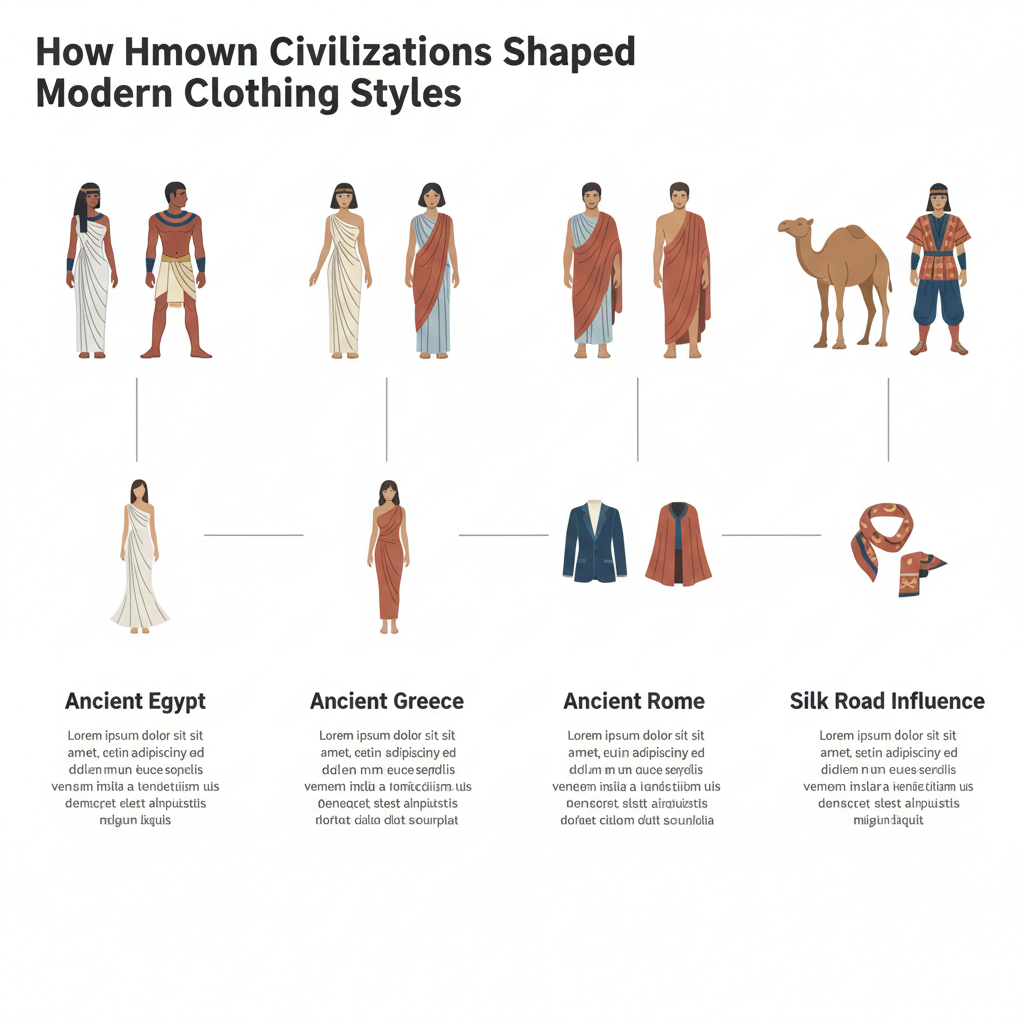
Long before minimalism became a design philosophy, many cultures embraced simplicity out of necessity. Working-class garments were built for durability and ease of movement. Uniforms, religious robes, and military attire all emphasized practicality, stripping away excess decoration in favor of clear purpose.
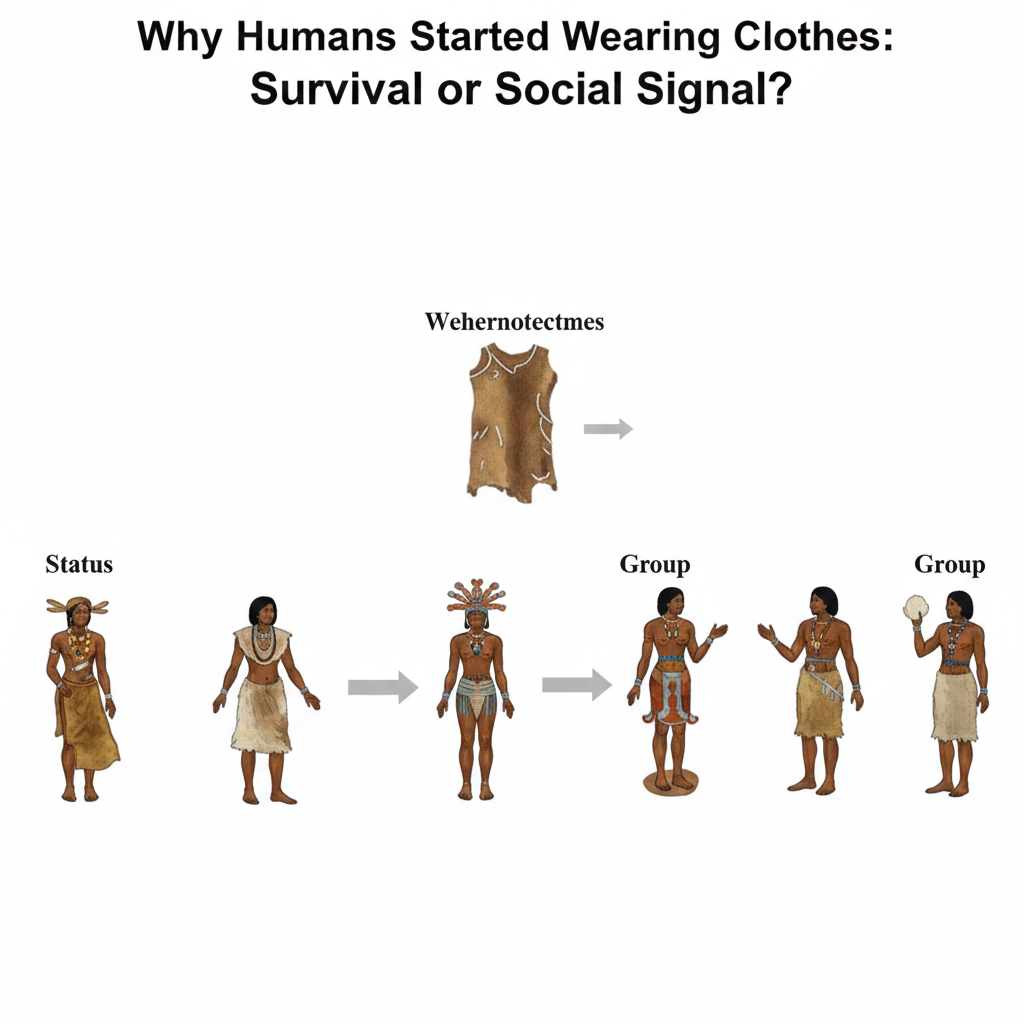
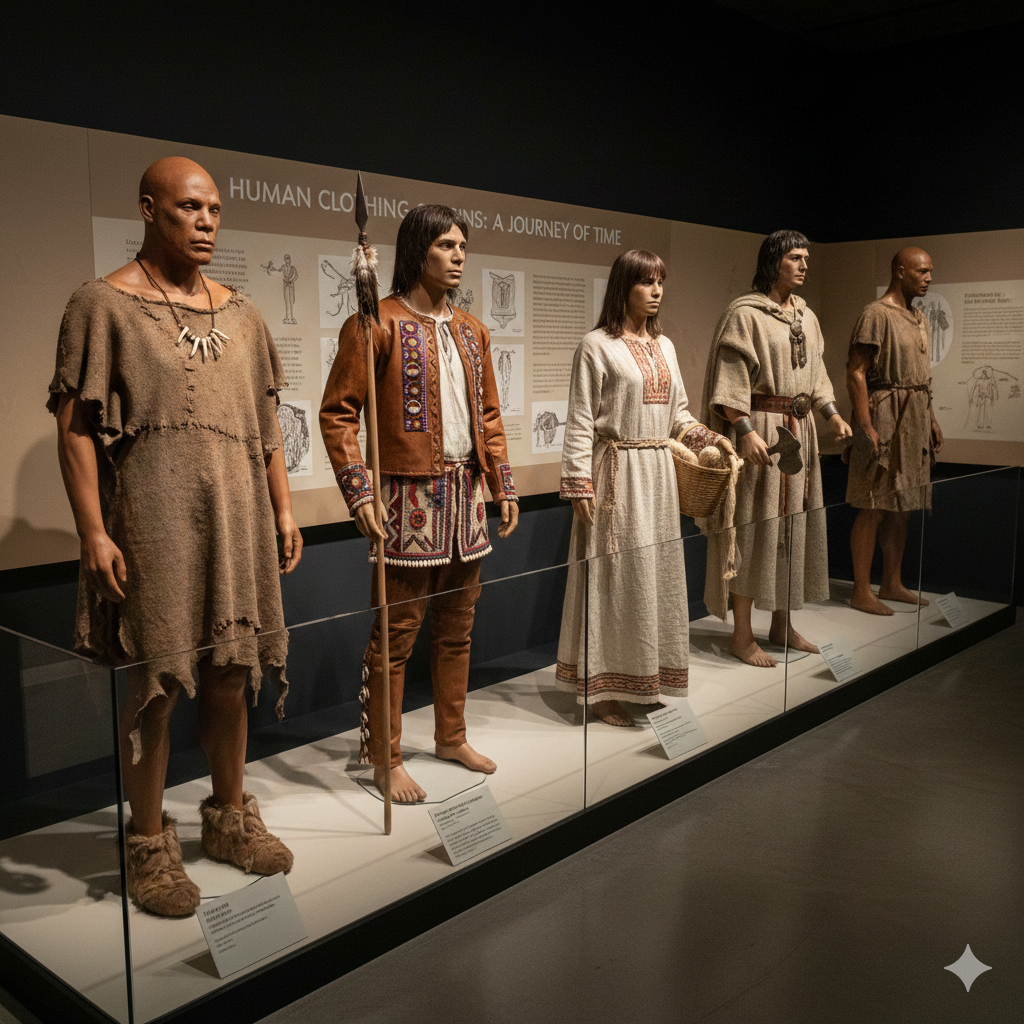
The transition from tribal dress to structured fashion illustrates this evolution. Early clothing served protective and symbolic functions. As societies industrialized, garments became more standardized. This shift laid the groundwork for minimalist thinking—clothing designed with clear intent rather than elaborate embellishment.
Cultural Shifts Toward Simplicity
The 20th century brought deliberate movements toward minimal design. Japanese aesthetics, particularly the concept of ma (negative space) and wabi-sabi (beauty in imperfection), influenced Western designers. Scandinavian design traditions also contributed, emphasizing functionality, natural materials, and understated elegance.
Major historical events that changed clothing forever accelerated these trends. Post-war economies prioritized efficiency. The 1960s counterculture rejected consumerism. By the 1990s, designers like Jil Sander and Helmut Lang were building entire collections around reduction and restraint. Minimalism had become a legitimate fashion language.
Minimalism and Clothing Silhouettes
One of minimalism’s most visible impacts appears in silhouette design. Clean lines, balanced proportions, and neutral shapes define the minimalist approach to form.
Understanding what is a clothing silhouette helps clarify this influence. A silhouette represents the overall shape and outline of a garment on the body. Minimalist silhouettes avoid exaggerated volumes or complicated construction. Instead, they rely on precise cuts and thoughtful draping to create visual interest through simplicity.
This doesn’t mean minimalist clothing lacks variety. Designers manipulate proportion and balance in clothing silhouettes to achieve distinct effects. An oversized blazer paired with slim trousers creates contrast through volume rather than pattern. A column dress elongates the body through continuous vertical lines. These choices demonstrate that minimalism thrives on subtlety rather than simplicity.
Contemporary minimalist silhouettes often feature:
- Straight or slightly tapered leg openings that create clean vertical lines
- Dropped shoulders or relaxed armholes that suggest ease without sloppiness
- Midi or ankle-length hems that balance coverage with movement
- High necklines or simple crew cuts that avoid decorative collars or embellishments
- Monochromatic color blocking that emphasizes shape over surface detail
These elements work together to create garments that feel timeless. Because they avoid trendy details, minimalist silhouettes resist obsolescence. A well-cut minimalist coat from ten years ago still looks current.
Fabric Choices in Minimalist Clothing Design
Minimalism extends beyond shape into material selection. The fabrics used in minimalist design carry their own language, communicating quality, durability, and intention.
How fabric weight and texture affect clothing design becomes especially important in minimal garments. Without patterns or embellishments to create visual interest, the fabric itself must carry the design. Heavyweight cotton delivers structure and presence. Lightweight silk offers fluidity and movement. Each choice shapes how a garment performs and appears.
Minimalist designers often favor:
- Natural fibers like cotton, linen, wool, and silk for their inherent quality and aging characteristics
- Mid-weight fabrics that provide enough structure to maintain clean lines without stiffness
- Subtle textures such as herringbone weaves or fine ribbing that add dimension without pattern
- Matte finishes that avoid shine or visual distraction
- Solid colors in neutral palettes that emphasize form
The difference between woven and knitted garments also matters in minimalist design. Woven fabrics typically provide more structure, making them ideal for tailored pieces like blazers, trousers, and button-down shirts. Knitted fabrics offer stretch and comfort, working well for relaxed silhouettes like sweaters and casual dresses. Minimalist wardrobes often include both, selected for their specific functional properties.
Fabric quality becomes non-negotiable in minimalism. Because these garments rely on cut and construction rather than decorative elements, any flaw in material becomes immediately visible. High-quality fabrics also age better, developing character rather than showing wear.
Minimalism and Psychological Impact on Dressing
The influence of minimalism extends into psychology. How we dress affects how we think, feel, and present ourselves to others.
Research on how clothing affects confidence and human psychology reveals that simplified wardrobes can reduce decision fatigue. When you own fewer pieces, each carefully selected for quality and versatility, getting dressed becomes easier. This mental clarity contributes to the appeal of minimalist fashion.
Minimalist clothing also shapes identity in distinct ways. What clothing says about identity in modern society connects directly to the values minimalism represents: intentionality, quality, and restraint. People who adopt minimalist styles often describe feeling more authentic. Without trend-driven pieces or logos competing for attention, their actual preferences emerge more clearly.
The psychological benefits of minimalist dressing include:
- Reduced anxiety around outfit selection and shopping decisions
- Increased confidence from wearing well-fitting, high-quality garments
- Greater clarity about personal style preferences and values
- Less comparison with fast-changing fashion trends
- More sustainable consumption patterns that align with environmental values
Some critics argue minimalism can feel exclusive or inaccessible. Quality basics often cost more upfront than fast fashion alternatives. However, the long-term cost-per-wear typically favors minimalist investment pieces. A $200 sweater worn 100 times costs $2 per wear. A $20 sweater worn five times before falling apart costs $4 per wear.
Minimalism also supports mindful consumption. By purchasing fewer, better items, people engage more thoughtfully with their wardrobes. This shift from quantity to quality represents a fundamental change in how modern consumers approach fashion.
Minimalism in the Future of Fashion and Sustainability
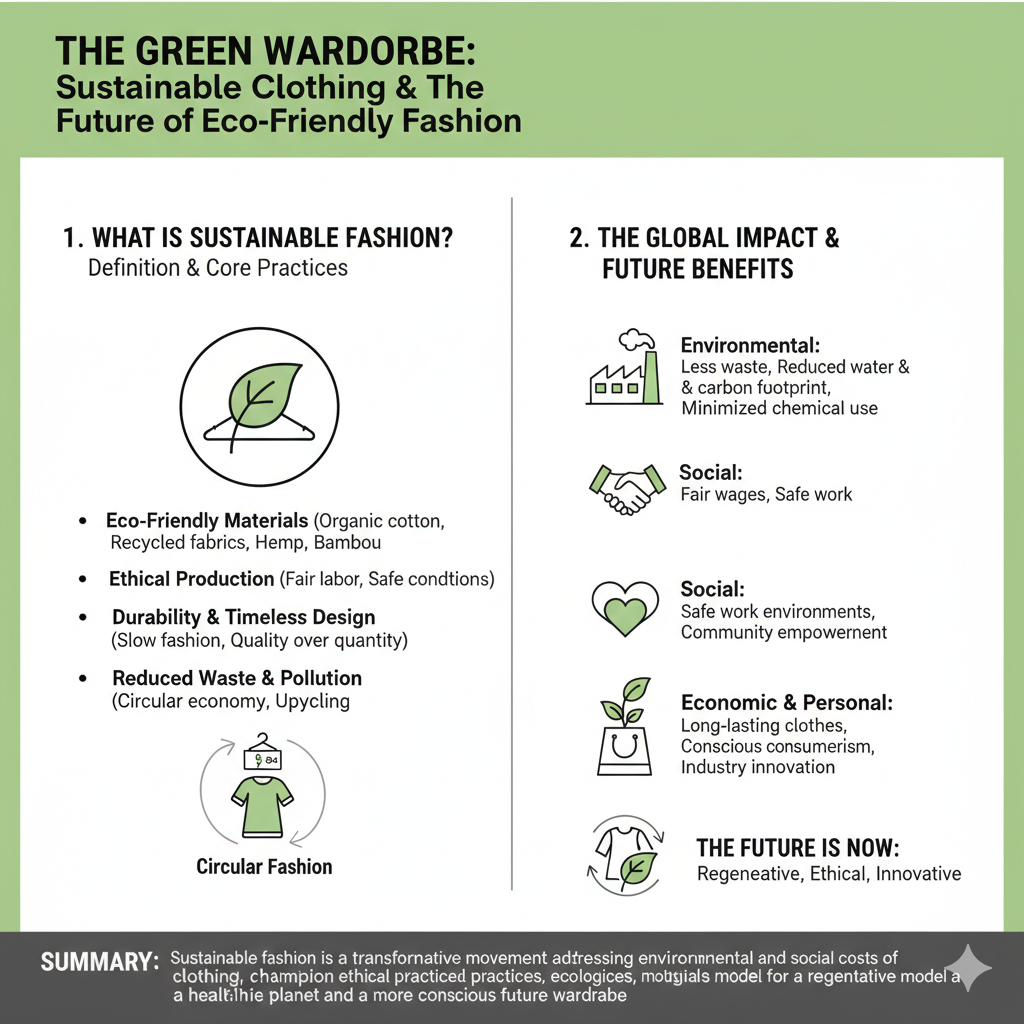
Sustainability and minimalism increasingly overlap. As environmental concerns shape consumer behavior, minimalist principles offer a practical framework for responsible fashion choices.
The future of human clothing in a digital world likely includes more minimalist approaches. Digital fashion and virtual wardrobes may reduce the need for physical garments. However, the pieces people do own will need to be versatile, durable, and timeless—all minimalist values.
Smart clothing and wearable technology explained also aligns with minimalist thinking. As garments incorporate technology for health monitoring, climate control, or connectivity, their designs must remain simple enough for everyday wear. The best smart clothing integrates function invisibly, maintaining clean aesthetics while adding capability.
Minimalism supports sustainable fashion in several ways:
- Longevity: Timeless designs remain wearable for years, reducing replacement frequency
- Quality: Well-constructed garments withstand regular wear and repair better than cheap alternatives
- Versatility: Neutral, simple pieces combine easily, creating more outfits from fewer items
- Mindfulness: The minimalist approach encourages thoughtful purchasing rather than impulse buying
- Material efficiency: Simple construction often requires less fabric and fewer resources
Major fashion brands increasingly adopt minimalist sustainability strategies. Capsule collections, made-to-order production, and take-back programs all reflect minimalist values. These initiatives acknowledge that the future of fashion requires producing less while maintaining quality and desirability.
The rental and resale markets also benefit from minimalist design. Timeless pieces retain value better than trendy items. A minimalist blazer from 2015 still feels current and desirable on the secondhand market. This extended life cycle reduces overall environmental impact while making quality fashion more accessible.
Simplicity as a Modern Clothing Philosophy
Minimalism transformed modern fashion by proving that simplicity could be powerful. Clean silhouettes, quality materials, and thoughtful design created a new vocabulary for personal style—one that prioritizes intention over excess.
This shift reflects broader cultural changes. As information overload and constant connectivity create mental clutter, people increasingly seek calm in their physical environments. Clothing offers one area where simplification feels immediately accessible and beneficial.
Looking back at why humans started wearing clothes and the history of clothing evolution, minimalism represents a sophisticated endpoint in a long journey. Early clothing served protection and modesty. Fashion emerged to signal status and identity. Now, minimalism refines these functions into their purest forms—garments that serve their purpose elegantly without distraction.
The minimalist approach to modern clothing isn’t about deprivation or uniformity. Rather, it celebrates quality, craftsmanship, and personal clarity. By reducing visual noise and focusing on essential elements, minimalist fashion creates space for individual expression in subtle, meaningful ways.
Whether through a perfectly cut white shirt, impeccably tailored trousers, or a versatile wool coat, minimalism continues shaping how we dress, think, and live. Its influence appears not just in what we wear, but in how we choose to present ourselves—with confidence, intention, and enduring style.