


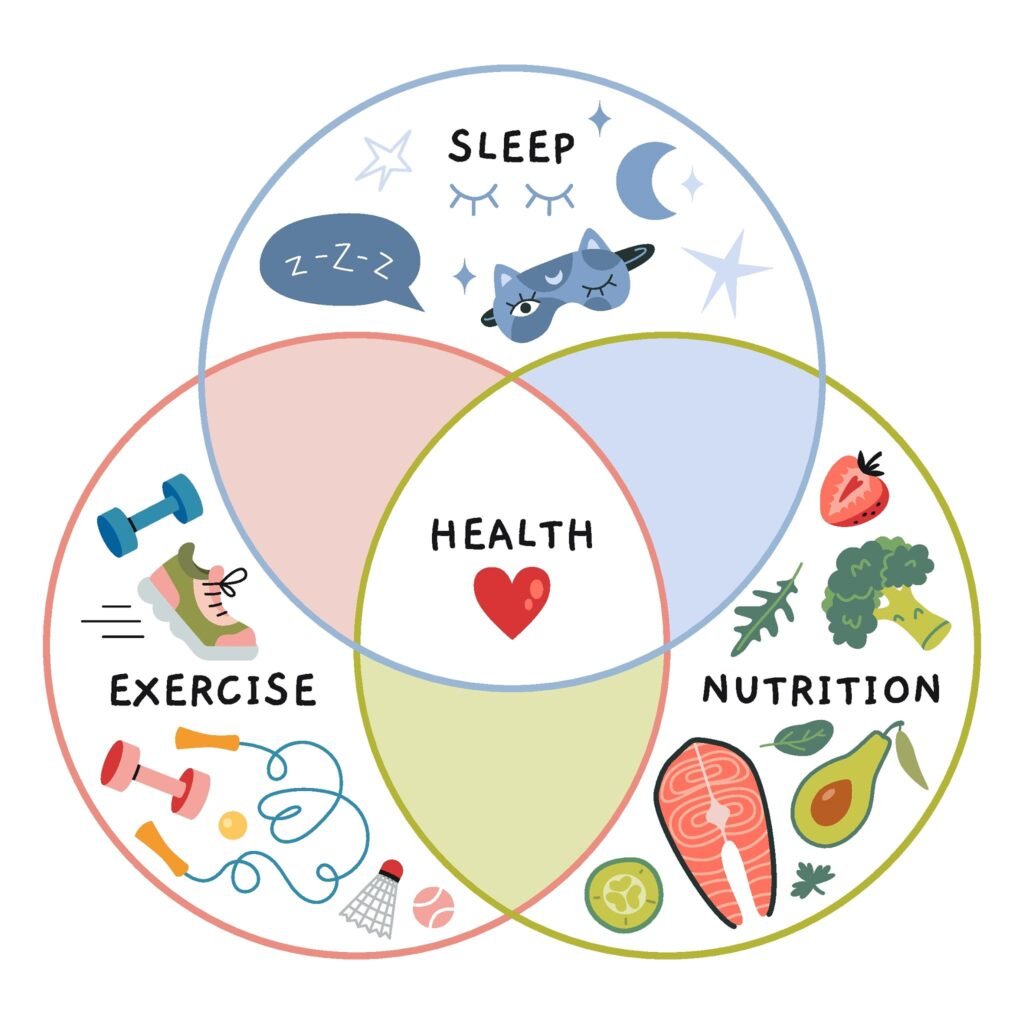
We often view health as a lottery. Some people seem blessed with vitality well into their nineties, while others struggle with chronic conditions in their forties. While genetics play a role, a growing body of scientific evidence suggests that the daily decisions we make hold far more power than our DNA.
In the United States, where healthcare spending is the highest in the world yet life expectancy lags behind other developed nations, the conversation is shifting. We are moving away from a model that solely treats sickness and toward one that prioritizes prevention. The cumulative effect of what you eat, how you move, and how you rest creates the foundation for your future self.
This guide explores the specific lifestyle factors that drive long-term health outcomes. By understanding the science behind these choices, you can build a roadmap for a longer, healthier life.
What Are Lifestyle Choices in Health?
When health experts discuss “lifestyle choices,” they aren’t talking about which gym brand you wear or which supplements you buy. In the context of public health, lifestyle choices refer to the habitual behaviors and daily actions that influence your physical and mental well-being.
These choices fall into several primary categories:
- Dietary patterns: What you consume daily.
- Physical activity: How much you move.
- Sleep hygiene: The quality and duration of your rest.
- Substance use: Alcohol, tobacco, and drug consumption.
- Stress management: How you cope with psychological pressure.
Why daily habits matter for long-term health
A single salad won’t make you healthy, just as one sleepless night won’t ruin your longevity. The impact of lifestyle choices health is cumulative. It is the repetition of these behaviors over years and decades that shapes your physiology. Chronic inflammation, insulin resistance, and cardiovascular health are all slow-building processes determined by consistent habits.
Lifestyle-related diseases in the USA
The stakes are particularly high in the United States. According to the CDC, six in ten Americans live with at least one chronic disease, such as heart disease and stroke, cancer, or diabetes. These are largely considered “lifestyle diseases” because their onset is heavily influenced by behavior. Understanding the link between long-term health USA trends and individual choices is the first step toward reversing these statistics.
Why Lifestyle Choices Matter for Long-Term Health
The traditional medical model often focuses on intervention after a problem arises. You get sick, you see a doctor, and you get a prescription. However, this reactive approach ignores the root causes of illness.
Prevention vs treatment approach
A proactive lifestyle acts as a form of preventative medicine. Adopting healthy habits significantly reduces the risk of developing conditions that require medical intervention later. This is often referred to as compressing morbidity—the idea of living a long, healthy life and minimizing the time spent in poor health at the end of life.
Impact on life expectancy and quality of life
Healthy lifestyle benefits extend beyond just adding years to your life; they add life to your years. Good habits preserve mobility, cognitive function, and energy levels, allowing individuals to remain independent and active well into old age.
Rising chronic health conditions in the USA
The prevalence of chronic disease prevention USA strategies has become a national priority. Rates of obesity, type 2 diabetes, and hypertension continue to climb, often manifesting in younger populations than ever before. This shift suggests that environmental factors and lifestyle habits are deteriorating, necessitating a renewed focus on daily behaviors to protect long-term wellness.
How Diet Affects Long-Term Health
Perhaps no single factor influences health as profoundly as nutrition. Food is the fuel that powers every cell in your body, and the quality of that fuel determines how well the machine runs over time.
Role of nutrition in disease prevention
Nutrients interact with our biology on a cellular level. Antioxidants found in fruits and vegetables combat oxidative stress, which contributes to aging and cancer. Fiber regulates blood sugar and supports gut health, which is increasingly linked to immune function and mental health. Conversely, a poor diet deprives the body of these protective mechanisms.
Processed foods vs whole foods
The modern food landscape is dominated by ultra-processed foods—products engineered to be hyper-palatable but often devoid of nutritional value. These foods are typically high in added sugars, unhealthy fats, and sodium. Consuming them in excess is directly linked to obesity, heart disease, and metabolic syndrome. A healthy diet USA experts recommend centers on whole foods: vegetables, fruits, lean proteins, whole grains, and healthy fats. These foods provide the sustained energy and nutrient density required for longevity.
American dietary habits and health outcomes
The standard American diet is characterized by high calorie intake with low nutrient density. This mismatch is a primary driver of the obesity epidemic. Shifting focus to diet and long-term health means moving away from convenience foods and prioritizing home-cooked meals using fresh ingredients. Even small adjustments, like reducing sugary beverages or increasing vegetable intake, can yield significant long-term benefits.
Impact of Physical Activity on Long-Term Health
The human body is designed for movement. Yet, modern life has engineered movement out of our days. We sit in cars, sit at desks, and sit on couches. This sedentary behavior is a major risk factor for early mortality.
Benefits of regular exercise
Regular physical activity strengthens the heart, improves lung capacity, and maintains muscle mass. Resistance training is particularly important as we age to prevent sarcopenia (muscle loss) and maintain bone density. Exercise benefits long-term health by also acting as a powerful regulator of hormones, including insulin and cortisol, helping to keep the body’s systems in balance.
Sedentary lifestyle risks
Sitting for prolonged periods slows metabolism and negatively impacts the body’s ability to regulate blood sugar and blood pressure. Research suggests that long periods of inactivity are detrimental even if you spend an hour at the gym later. The key is consistent movement throughout the day.
Recommended activity levels in the USA
Guidelines for physical activity USA generally recommend at least 150 minutes of moderate-intensity aerobic activity or 75 minutes of vigorous activity per week, combined with muscle-strengthening activities on two or more days a week. Meeting these guidelines significantly lowers the risk of all-cause mortality.
How Sleep Habits Influence Health Over Time
Sleep is often the first sacrifice we make when life gets busy. We treat it as a luxury rather than a biological necessity. However, science shows that sleep is the foundation upon which diet and exercise rest.
Sleep duration and quality
It is during sleep that the body repairs tissues, consolidates memories, and clears out metabolic waste products from the brain. High-quality sleep involves cycling through the necessary stages of REM and deep sleep. Without this restoration, the body operates in a state of low-level stress.
Long-term effects of sleep deprivation
Chronic sleep deprivation is linked to a host of serious health issues. It disrupts appetite hormones, leading to weight gain. It impairs immune function, making you more susceptible to infections. There is also a strong correlation between sleep and long-term health regarding cognitive decline; poor sleep in midlife is associated with a higher risk of dementia later.
Sleep trends among adults in the USA
Sleep habits USA data is concerning. A significant portion of the population gets less than the recommended seven to nine hours per night. The widespread use of screens before bed, high caffeine intake, and elevated stress levels all contribute to this national sleep debt. Prioritizing sleep hygiene is one of the most effective ways to improve overall health outcomes.
Stress, Mental Health, and Lifestyle Choices
The mind and body are not separate entities. Your psychological state has a direct, measurable impact on your physical health.
Chronic stress and physical health
When you are stressed, your body releases cortisol and adrenaline. In short bursts, this is helpful. But when stress becomes chronic—due to work pressure, financial worries, or personal conflict—these hormones remain elevated. This state of constant “fight or flight” damages blood vessels, increases blood pressure, and suppresses the immune system. Stress and health USA statistics show a strong correlation between high-stress lifestyles and cardiovascular disease.
Mental health habits and resilience
Mental health lifestyle habits are just as important as physical ones. Building resilience through social connection, purpose, and mindfulness can buffer the negative effects of stress. Loneliness, for example, has been shown to be as damaging to long-term health as smoking.
Stress management techniques
Effective stress management is a crucial lifestyle skill. Techniques such as meditation, deep breathing exercises, spending time in nature, and engaging in hobbies can activate the parasympathetic nervous system, allowing the body to rest and digest.
Harmful Lifestyle Habits to Avoid
While adding good habits is essential, removing harmful ones is equally critical. Certain behaviors actively damage cellular DNA and accelerate aging.
Smoking and tobacco use
Despite decades of public health campaigns, tobacco use remains the leading cause of preventable death. Smoking effects long-term health by damaging nearly every organ in the body, particularly the lungs and cardiovascular system. Quitting smoking is the single most impactful change a smoker can make to improve their life expectancy.
Excessive alcohol consumption
While moderate alcohol use is sometimes debated, excessive consumption is clearly harmful. It is linked to liver disease, various cancers, and cognitive decline. In the USA, rising rates of alcohol-related liver disease among younger adults highlight the need for moderation.
Poor work-life balance
Unhealthy lifestyle habits also include the culture of overwork. The chronic stress of a poor work-life balance leads to burnout, poor sleep, and a reliance on fast food, creating a cycle of poor health.
Healthy Lifestyle Changes for Better Long-Term Health
Knowing what to do is different from actually doing it. The challenge for many Americans is bridging the gap between knowledge and action.
Small daily habit improvements
Radical overhauls rarely stick. The most successful healthy lifestyle changes USA residents make are often incremental. It might start with drinking water instead of soda, taking a 10-minute walk after dinner, or going to bed 30 minutes earlier. These small wins build confidence and momentum.
Building sustainable routines
Sustainability is key. A diet you can’t maintain or a workout routine that causes injury won’t help you in the long run. The goal is to build a lifestyle you actually enjoy, rather than a regimen of deprivation.
Role of preventive healthcare
Preventive health habits also include regular check-ups. Screenings for blood pressure, cholesterol, and cancer can catch issues early when they are most treatable. Combining lifestyle changes with appropriate medical care offers the best protection against disease.
Common Myths About Lifestyle and Health
Misinformation can be a major barrier to better health. Let’s clear up some common misconceptions.
“Genetics matter more than habits”
While you cannot change your genes, you can influence how they are expressed. This field, known as epigenetics, shows that lifestyle choices can “switch on” or “switch off” certain genetic markers related to disease. Lifestyle health myths often overstate the role of DNA to justify inaction.
“Healthy living is expensive”
While boutique fitness classes and organic specialty foods are pricey, the basics of health are not. Walking is free. Beans, rice, eggs, and frozen vegetables are among the most affordable foods in the grocery store. Long-term health facts show that preventing disease is far cheaper than treating it.
“It’s too late to change”
The human body is incredibly resilient. Smokers see improvements in lung function within weeks of quitting. Diabetics can often improve insulin sensitivity through diet and exercise regardless of age. It is never too late to start investing in your health.
Frequently Asked Questions (FAQ)
What lifestyle choices most affect long-term health?
The top habits generally cited by experts include maintaining a nutritious diet low in processed foods, engaging in regular physical activity, avoiding tobacco, limiting alcohol, and getting 7-9 hours of quality sleep. Stress management and social connection are also critical factors.
Can changing lifestyle habits reverse health problems?
In many cases, yes. Conditions like type 2 diabetes, hypertension, and high cholesterol can often be managed or even reversed through significant lifestyle changes. However, this depends on the severity of the condition and how long it has been present. Early intervention yields the best results.
How long does it take for lifestyle changes to improve health?
Some benefits are immediate, such as improved mood after exercise or better energy after a good night’s sleep. Physiological changes, like improved blood pressure or cholesterol levels, typically take a few weeks to months of consistency to show up in medical tests.
Are lifestyle diseases common in the USA?
Yes, they are the leading causes of death and disability in the United States. Heart disease, stroke, type 2 diabetes, and certain cancers account for the vast majority of healthcare costs and mortality, all of which are heavily influenced by lifestyle.
What is the easiest lifestyle change to start with?
Many experts recommend starting with sleep or hydration. Setting a consistent bedtime or replacing one sugary drink with water are low-barrier changes that provide the energy needed to tackle more difficult habits later.
Final Thoughts on Lifestyle Choices and Long-Term Health
The journey to better health is not about perfection; it is about consistency. It is about the hundreds of small decisions you make every week—what to put in your grocery cart, whether to take the stairs, when to turn off the TV.
Navigating the landscape of modern life in the USA can make healthy living difficult, but the science is clear: your choices matter. By prioritizing nutrition, movement, sleep, and mental well-being, you are investing in a future where you don’t just survive, but thrive. Start small, be patient with yourself, and remember that every healthy choice is a deposit into your long-term wellness account.