




How Inflation Impacts Everyday Expenses in the USA
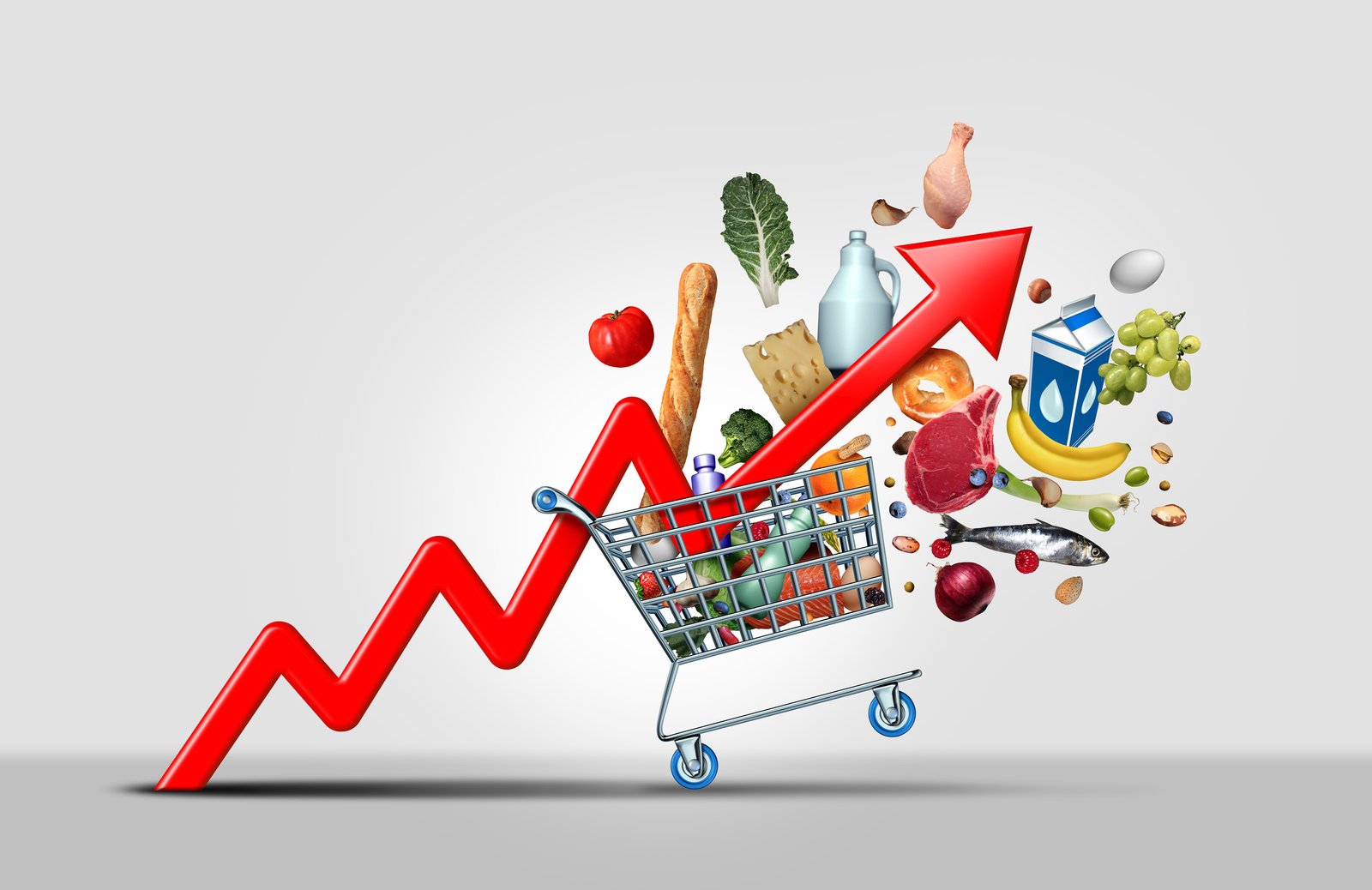

Have you noticed your grocery bill creeping up, even though you’re buying the same items? Or perhaps filling your gas tank feels a little more painful than it did a year ago. You aren’t alone. Across the United States, households are feeling the pinch of rising prices, a phenomenon that often happens slowly but impacts budgets significantly over time.
Inflation isn’t just an abstract economic term discussed by policymakers; it’s a reality that hits home at the checkout counter, the gas pump, and when opening utility bills. When prices rise across the board, the same amount of money buys less than it used to. This erosion of purchasing power forces families to make tough choices, prioritizing needs over wants and rethinking financial plans.
Small price changes might seem negligible in isolation—a few cents on a gallon of milk or a slight increase in monthly rent—but they compound quickly. Understanding these shifts is the first step toward managing them. By recognizing where and how costs are rising, American households can better navigate the economic landscape and protect their financial well-being.
What Is Inflation?
To navigate rising costs effectively, we first need to understand the mechanics behind them. Inflation explained USA contexts generally refers to the broad increase in prices for goods and services over time. It represents the rate at which money loses value. If you had $100 last year, it might have bought a full cart of groceries. Today, that same $100 might leave the cart only three-quarters full.
Economists and government agencies, specifically the Bureau of Labor Statistics (BLS), measure inflation using the Consumer Price Index (CPI). The CPI tracks the average change in prices paid by urban consumers for a market basket of consumer goods and services. When the CPI goes up, inflation is occurring.
Why does this happen? Inflation usually stems from three main causes:
- Demand-Pull Inflation: When demand for goods exceeds supply (often seen when the economy is booming).
- Cost-Push Inflation: When the cost of production increases (like rising raw material or labor costs), forcing companies to raise prices.
- Built-In Inflation: When workers expect prices to rise and demand higher wages, leading to a wage-price spiral.
How Inflation Impacts Everyday Expenses
The most direct way how inflation impacts everyday expenses USA households face is through reduced purchasing power. When your income remains static while prices climb, your standard of living effectively drops. You have to spend more just to maintain the same lifestyle you had previously.
This pressure is rarely isolated to one category. It tends to ripple across all essentials. From the food on the table to the roof over your head, the cost of living expands. For many families, this creates significant budget pressure. Money that might have been allocated for savings, emergency funds, or retirement is instead diverted to cover basic necessities. The “wiggle room” in the monthly budget disappears, making households more vulnerable to unexpected financial shocks.
Grocery & Food Price Increases
One of the most visible indicators of inflation is the supermarket receipt. Grocery prices inflation USA trends often outpace general inflation rates because food production is sensitive to a variety of volatile factors. Supply chain disruptions, extreme weather affecting crops, and rising fuel costs for transportation all contribute to higher production costs.
When grain becomes more expensive to transport, the cost of bread, cereal, and livestock feed goes up. This eventually trickles down to the price of meat, dairy, and eggs. Shoppers might notice “shrinkflation”—where the price remains the same, but the package size gets smaller—or direct price hikes on staples like milk and vegetables.
This dynamic often changes how Americans eat. The gap between the cost of dining out and cooking at home typically widens during inflationary periods. While restaurant prices rise due to labor and ingredient costs, cooking at home generally remains the more economical choice, though it, too, requires smarter shopping strategies to keep bills manageable.
Housing Costs: Rent, Mortgages & Utilities
Housing is typically the largest expense for any household, and housing costs inflation USA data shows it is heavily impacted by broader economic trends. For renters, inflation often leads to lease renewals at significantly higher rates. Landlords face increased costs for maintenance, property taxes, and insurance, which they pass on to tenants.
Homeowners aren’t immune, either. While those with fixed-rate mortgages have stable monthly principal and interest payments, prospective buyers face a double-edged sword: high home prices combined with rising interest rates. This makes monthly mortgage payments significantly higher for new buyers, pushing homeownership out of reach for many.
Furthermore, the cost of running a home increases. Utilities and energy bills fluctuate with the cost of natural gas, coal, and oil. When energy prices spike, heating a home in winter or cooling it in summer becomes a much larger portion of the monthly budget, squeezing finances even further.
Transportation & Fuel Expenses
Few things spark frustration quite like seeing the numbers tick up at the gas station. Fuel prices inflation USA drivers experience is volatile and affects nearly every aspect of the economy. Because goods must be transported, high diesel and gasoline prices eventually raise the cost of everything from Amazon deliveries to apples at the grocery store.
For the individual commuter, high gas prices act like a tax on income. People still need to drive to work, take kids to school, and run errands. When a tank of gas jumps from $40 to $70, that difference comes directly out of discretionary funds.
Public transportation isn’t a complete shield, as transit authorities often raise fares to cover their own rising fuel and maintenance costs. Additionally, vehicle maintenance becomes pricier. As the cost of steel, rubber, and specialized labor increases, simple repairs like oil changes or new tires become significant financial burdens.
Healthcare & Insurance Costs
While less frequent than grocery trips, healthcare costs inflation USA trends are relentless. Medical inflation historically outpaces general economic inflation. This means the cost of medical services, hospital stays, and prescription drugs rises faster than the price of most other goods.
For those with private insurance, this often translates to higher premiums, higher deductibles, and higher co-pays. Employers may shift more of the cost burden to employees to keep their own expenses down.
This financial pressure can lead to dangerous trade-offs. Households on tight budgets might delay preventive care, skip dental appointments, or ration medications to save money. While this offers short-term financial relief, it often leads to more severe—and expensive—health issues down the road.
Education, Childcare & Family Expenses
Raising a family is an expensive endeavor, and family expenses inflation USA parents face make it even harder. Education costs, from private K-12 tuition to college degrees, have risen astronomically over the last few decades, often untethered from general inflation rates.
However, the more immediate burden for parents of young children is childcare. Daycare centers and after-school programs face rising labor costs, insurance rates, and rent. To stay in business, they must raise fees. For many dual-income families, childcare costs can rival a mortgage payment.
Even basic supplies like school uniforms, textbooks, and extracurricular fees are subject to price increases. These rising costs force families to rethink long-term budgeting, often sacrificing contributions to college savings plans (529s) just to cover current educational needs.
Discretionary Spending & Lifestyle Choices
When essential costs eat up a larger slice of the income pie, discretionary spending inflation USA habits take a hit. Discretionary spending refers to money spent on non-essential items—vacations, dining out, concerts, and hobbies.
Consumers typically react to inflation by cutting these expenses first. The annual family vacation might become a local road trip, or the weekly dinner date might turn into a monthly treat. Subscription services are also common targets; households audit their streaming services, gym memberships, and subscription boxes, cancelling those that don’t offer high value.
This shift in consumer spending adjustments has a cooling effect on the economy. Industries reliant on disposable income, such as hospitality and luxury retail, often see a slowdown as families focus on keeping the lights on and the fridge stocked.
Wages, Income & Purchasing Power
The relationship regarding inflation vs wages USA workers experience is critical. Ideally, wages should rise at the same rate as inflation to maintain purchasing power. If inflation is 5% and you get a 5% raise, your real income stays the same.
However, wage growth often lags behind inflation. If prices rise by 8% but wages only grow by 4%, workers effectively take a pay cut. This is a decline in “real wages.” While Cost-of-Living Adjustments (COLAs) help some employees and Social Security recipients, many private-sector workers find their paychecks don’t stretch as far as they used to.
This gap forces workers to seek higher-paying jobs, take on side hustles, or demand better pay, which can contribute to the labor market churn often seen during inflationary periods.
How Consumers Adapt to Inflation
Americans are resilient, and coping with inflation USA households utilize various strategies to stay afloat. The primary tool is rigorous budgeting. Families begin tracking every dollar to identify waste and prioritize spending.
Behavioral changes are also common. Consumers switch from name-brand products to generic store brands, which can offer significant savings without sacrificing quality. They become more promotional-driven, waiting for sales or using coupons more aggressively.
Another adaptation is delaying major purchases. Buying a new car, renovating a kitchen, or upgrading electronics is often put on hold. By extending the life of current possessions, consumers avoid paying inflated prices for big-ticket items and keep cash reserves available for essentials.
Long-Term Effects of Inflation on Households
The long term effects of inflation USA families experience go beyond immediate budget tightness; they can alter financial trajectories for years. The most damaging effect is on savings. If inflation is higher than the interest rate earned on a savings account, the money sitting in the bank is technically losing value over time.
Debt management also becomes tricky. While inflation technically benefits borrowers with fixed-rate debt (because they pay back loans with less valuable dollars), new debt becomes expensive as central banks raise interest rates to combat inflation. Carrying high-interest credit card debt becomes even more punishing.
Lifestyle changes often become permanent. A family that downsizes their vehicle or moves to a smaller home to cope with inflation may not scale back up even when the economy stabilizes. These periods of high inflation often leave a psychological imprint, creating a generation of more cautious, price-sensitive consumers.
Frequently Asked Questions (FAQ)
Q1. How does inflation affect everyday expenses in the USA?
Inflation increases the price of goods and services, reducing purchasing power. This means everyday items like groceries, gas, and utilities cost more, requiring consumers to spend more money to maintain the same standard of living.
Q2. Which household costs rise fastest during inflation?
Typically, energy (gasoline, utilities) and food prices are the most volatile and often rise fastest. However, housing costs (rent and home prices) also see significant, albeit sometimes slower-moving, increases.
Q3. Does inflation affect all income groups equally?
No. Inflation disproportionately affects lower-income households because a larger percentage of their income goes toward essentials like food, rent, and energy—categories that often see steep price hikes. Higher-income groups have more discretionary income to absorb these costs.
Q4. Can wages keep up with inflation?
Sometimes, but there is often a lag. While employers may raise wages to retain talent, these increases frequently fail to match the pace of rapid inflation, leading to a decrease in “real wages” (purchasing power).
Q5. How can households reduce inflation’s impact?
Households can combat inflation by creating strict budgets, switching to generic brands, reducing energy consumption, delaying big-ticket purchases, and paying down high-interest debt to avoid rising borrowing costs.
Q6. Does inflation ever benefit consumers?
Generally, no, but it can benefit those with large amounts of fixed-rate debt (like a 30-year mortgage). As the value of the dollar drops, the fixed debt payment represents a smaller portion of the borrower’s income (assuming wages eventually rise).
Q7. How long do inflation effects usually last?
High inflation periods can last from a few months to several years, depending on the causes (e.g., supply chain issues vs. monetary policy). However, price levels rarely go back down to pre-inflation figures; instead, the rate of increase slows down.
Final Thoughts: Navigating Rising Costs
While the economic climate may feel daunting, awareness leads to better planning. Understanding that inflation is a cycle—and not necessarily a permanent state of emergency—can help reduce financial anxiety. By recognizing exactly how costs are shifting, from the produce aisle to the gas pump, you can make informed decisions rather than reactive ones.
Small adjustments truly make a difference. Switching brands, cooking one more meal at home per week, or consolidating errands to save gas are minor inconveniences that compound into meaningful savings. Smart budgeting during inflation isn’t just about survival; it’s about retaining control over your financial future, regardless of what the economy throws your way.