





How Global Slowdowns Affect Indian Businesses


Introduction to Global Slowdowns
A global slowdown is a prolonged period of economic stagnation that indicates a deceleration in growth across multiple countries and regions. It is often characterized by a variety of economic indicators, such as declining Gross Domestic Product (GDP), decreasing consumer spending, rising unemployment rates, and diminishing business investments. These elements together signal a shift in economic momentum, reflecting broader challenges in both developed and emerging markets.
Several trends can act as precursors to a global slowdown. For instance, geopolitical tensions, trade disputes, or pandemics can disrupt supply chains and affect international trade. Such disturbances can lead to decreased demand for goods and services, ultimately contributing to a global economic downturn. Additionally, fluctuations in commodity prices, particularly oil and agricultural products, can also play a significant role in signaling a slowdown. As these prices decline, nations reliant on exports may experience reduced revenues, contributing further to a slowdown.
The interconnectedness of global markets means that economic difficulties in one region can quickly have cascading effects worldwide. For example, a slowdown in the United States or the European Union can lead to reduced exports for countries like India, adversely impacting their growth and economic stability. Indian businesses, particularly those engaged in international trade, must remain vigilant and responsive to these global economic conditions.
Understanding the dynamics of global slowdowns is essential for Indian enterprises. It enables stakeholders to anticipate challenges and strategize accordingly, thereby mitigating potential risks associated with global economic fluctuations. By recognizing the signs of slowing growth, Indian businesses can better position themselves in a volatile global marketplace.
Current State of the Indian Economy
As of 2023, the Indian economy finds itself navigating through a complex landscape shaped by various global and domestic factors. The GDP growth rate, which is a crucial indicator of economic health, is projected to be around 6-7% for the fiscal year 2023-24. This growth, while robust compared to global averages, reflects the lingering effects of past global slowdowns, coupled with challenges such as inflation and geopolitical tensions.
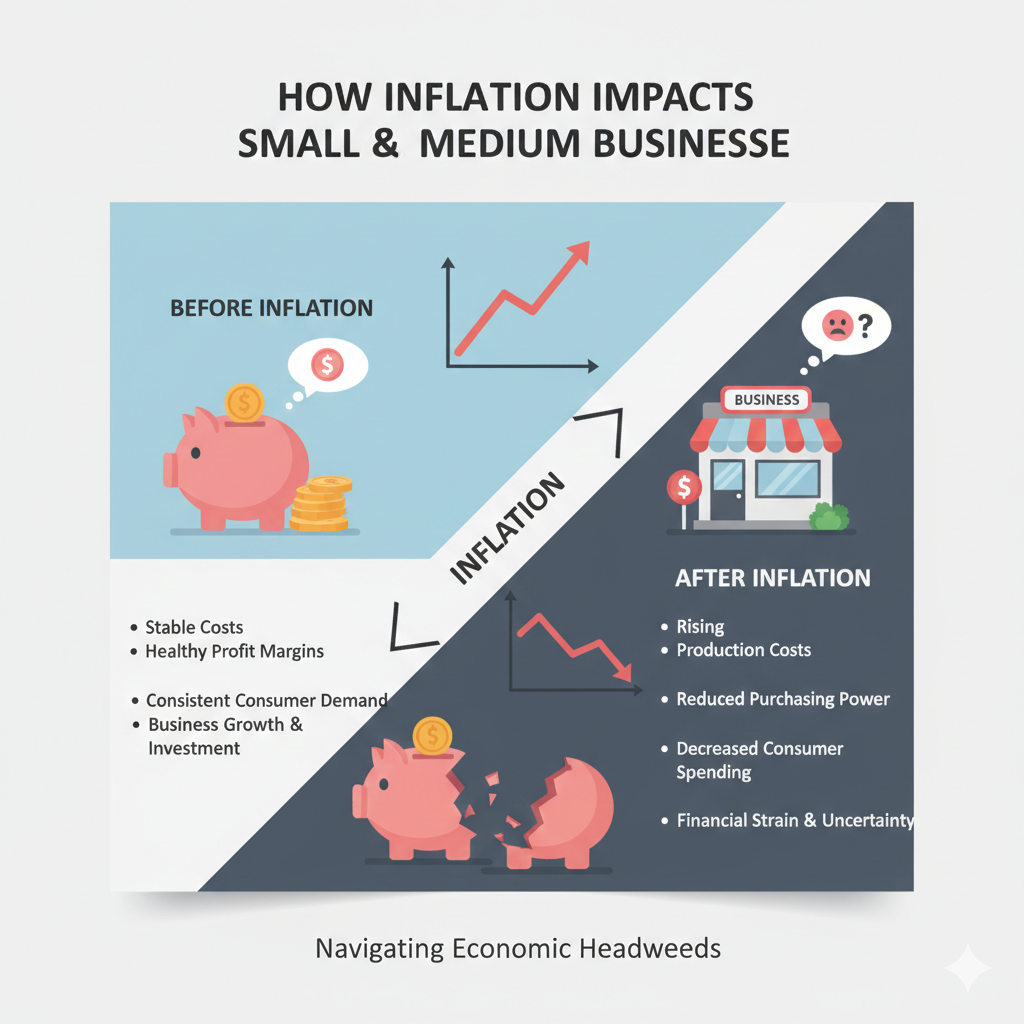
Inflation has been a significant concern, with rates hovering around the 5-6% mark. Driven by various elements, including rising commodity prices and supply chain disruptions, inflation impacts purchasing power and affects consumer spending. A stable inflation rate is critical for maintaining economic momentum, as excessive inflation could lead to tighter monetary policies which might stifle growth.
Key sectors contributing to the economy include information technology, agriculture, manufacturing, and services. The IT sector, often regarded as the backbone of the Indian economy, has shown remarkable resilience, continuing to attract foreign direct investment and expanding its market presence globally. The agricultural sector, which employs a substantial portion of the workforce, remains vulnerable to climatic changes and global commodity trends.
Manufacturing has also been on an upswing, bolstered by government initiatives aimed at increasing production capacity and enhancing capabilities. The “Make in India” campaign has encouraged both domestic and foreign companies to invest in manufacturing, thereby increasing employment opportunities.
In conclusion, the current state of the Indian economy is characterized by moderate growth underpinned by significant challenges such as inflation and reliance on key sectors. Understanding these dynamics is essential, as shifts in global economic conditions invariably ripple through the Indian economic framework, influencing overall performance and business strategies.
Impact on Exports and Trade Relations
The phenomenon of global slowdowns has profound implications for export-driven economies, with India being no exception. A significant aspect of this impact is the decrease in demand for Indian exports, which directly affects various sectors that are vital for the country’s economic stability. Among the most affected industries are textiles, information technology (IT) services, and pharmaceuticals, each playing a crucial role in India’s export portfolio.
Textile exports, traditionally a stronghold for India, witness a sharp decline during global downturns. The fashion and retail industries in key markets such as Europe and North America often reduce their orders in response to diminished consumer spending, leading to financial strain on Indian textile manufacturers. Furthermore, the competition from low-cost producers in other countries exacerbates the challenges faced by Indian exporters.
Similarly, the IT services sector, which has been a cornerstone of India’s economic growth, finds itself vulnerable during global economic contractions. Businesses abroad may delay or cancel contracts, resulting in reduced revenue for Indian IT services firms. The interdependence of global corporate networks means that a slowdown in one region can ripple through and affect demand for technological solutions developed by Indian companies.
The pharmaceutical sector, while considered essential, also experiences disruptions. The global health crisis induced by economic downturns can lead to regulatory delays, impacting the timelines for pharmaceutical exports. Furthermore, fluctuations in currency rates during slowdowns can make Indian pharmaceuticals less competitive on the global market.
In terms of trade relations, India faces a dual challenge. As global partners may reassess their trade agreements and priorities during slowdowns, the country must navigate these complexities to maintain its export levels. This often entails forging new partnerships or strengthening existing ties with emerging markets, which can help mitigate the adverse effects of reduced demand from traditional partners.
Supply Chain Disruptions
Global slowdowns can have profound implications on supply chains, particularly for Indian businesses that rely heavily on both imported materials and international markets for the export of goods. When major economies experience downturns, it often results in a ripple effect that can hinder the normal flow of goods and services across borders. Indian enterprises, which are increasingly integrated into the global supply chain, may find themselves facing significant challenges in sourcing materials necessary for their production processes.
The disruptions can be attributed to various factors such as decreased demand from key markets, logistical hurdles, and fluctuations in trade policies. For instance, a slowdown in the United States or Europe may lead to a reduced appetite for imports, which can lead to inventory accumulation in Indian manufacturing units. As demand wanes, production schedules may be adjusted, and workers may face job instability. Furthermore, transportation delays can exacerbate the situation, making it difficult to maintain timely deliveries.
Moreover, when critical suppliers experience their own disruptions, it can lead to vulnerabilities in the supply chain. Such dependencies can pose a risk for Indian businesses, forcing them to reassess their supplier relationships and sourcing strategies. To mitigate these challenges, companies may consider diversifying their supplier base, thereby reducing reliance on a single source. This strategy can increase resilience and provide alternatives during periods of global instability.
Investing in technology and data analytics can also aid businesses in predicting disruptions and planning accordingly. By leveraging advanced analytics, companies can gain insights into market shifts and adapt their strategies to maintain stability. The integration of these methodologies can enhance overall supply chain efficiency and safeguard against future uncertainties, allowing Indian businesses to continue to thrive even amidst global slowdowns.
Investment and Funding Challenges
The global economic landscape is increasingly interconnected, with downturns in one region sending ripples across economies worldwide. For India, an emerging market with significant potential for growth, global slowdowns pose considerable investment and funding challenges. Foreign Direct Investment (FDI) is a crucial element for sustaining India’s economic expansion. However, during periods of global uncertainty, FDI levels often decline as investors exhibit caution. This trend is particularly evident during major economic disruptions, such as recessions, where investors may postpone or reduce their capital commitments to nations perceived as high risk.
In addition to the challenges facing foreign investors, domestic investment also tends to be adversely affected during these periods. Investors, wary of economic instability, may divert their resources away from new ventures in favor of safer, more stable options. This cautious approach can hinder Indian businesses’ ability to secure the funding needed for growth. Startups and small and medium enterprises (SMEs), which are critical for innovation and job creation in India, face heightened difficulties in attracting investment. Traditional funding sources, such as venture capital or bank financing, may tighten their criteria during global slowdowns, making it even more challenging for these businesses to navigate an already volatile market.
Furthermore, the reduced availability of capital can stifle the potential for new business formation, thereby impacting the overall entrepreneurial ecosystem. Young companies, which often rely on seed funding or angel investors, may find it increasingly difficult to access the necessary funds to initiate their operations or expand their offerings. This lack of financial support could lead to a downturn in innovation, as fewer resources are available to develop new products or services. In summary, the investment and funding landscape for Indian businesses becomes increasingly precarious in the wake of global economic slowdowns, necessitating strategic responses to mitigate these challenges.
The dynamics of consumer behavior in India are significantly influenced by global economic conditions. During periods of global slowdowns, consumers tend to reassess their purchasing habits, often leading to a distinct shift in the demand for various goods and services. Traditionally, the classification of these goods can be delineated into two categories: essential and luxury items. Global economic uncertainty often results in heightened consumer caution, which can lead to decreased spending on luxury products.
In a declining economy, consumers prioritize their essential needs, such as food, healthcare, and basic consumer goods. This pivot towards essential goods is typically accompanied by a reduced appetite for luxury items, such as high-end automobiles, branded clothing, and premium electronics. Market trends indicate that as consumer confidence wanes, individuals are more likely to delay non-essential purchases, thereby heightening the demand for affordable alternatives. Retailers, recognizing these shifts, often adjust their inventory strategies to focus more on essential products, which in turn affects production plans and retailer revenues.
The psychological impact of global slowdowns on consumer confidence cannot be understated. Increased media coverage of economic downturns often exacerbates fears related to job security and financial stability. This leads consumers to adopt a more conservative approach to spending. Additionally, economic downturns may also incite a growing preference for local products, as consumers feel a strong inclination to support domestic industries. This behavior shift not only influences demand for certain goods but also has broader implications for businesses across various sectors in India as they strive to adapt to evolving consumer preferences.
Ultimately, understanding the correlation between global slowdowns and consumer behavior in India is essential for businesses looking to thrive in fluctuating economic conditions. By being attuned to these changes, companies can strategically navigate the complexities of the market, ensuring they meet the demands of consumers during challenging times.
Business Strategies for Resilience
In the face of global economic slowdowns, Indian businesses must employ strategic measures to cultivate resilience and ensure sustainable growth. A primary strategy is diversifying markets, which involves expanding beyond traditional domestic markets to explore opportunities internationally. This approach reduces dependency on any single market and allows businesses to mitigate risks associated with regional downturns. For instance, companies like Tata Group have successfully established a presence in various countries, enhancing their stability and growth prospects.
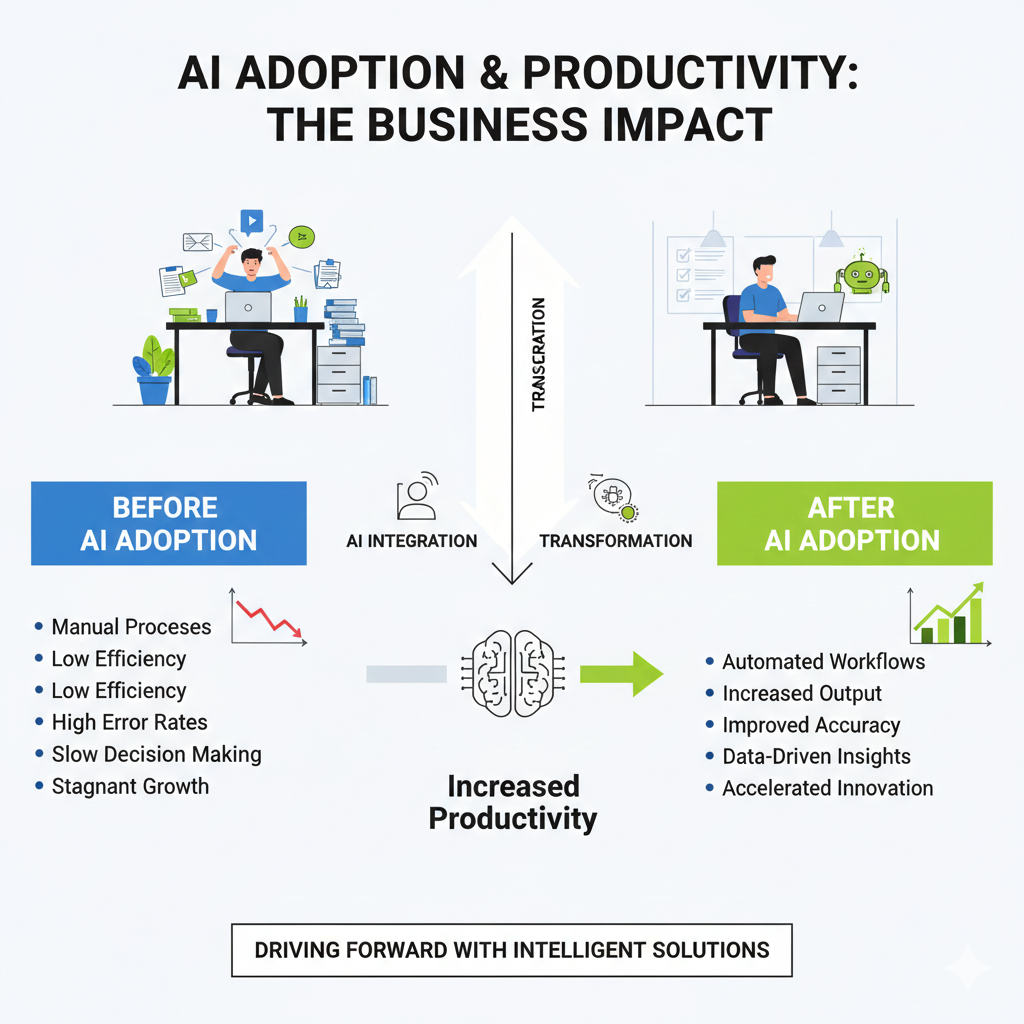
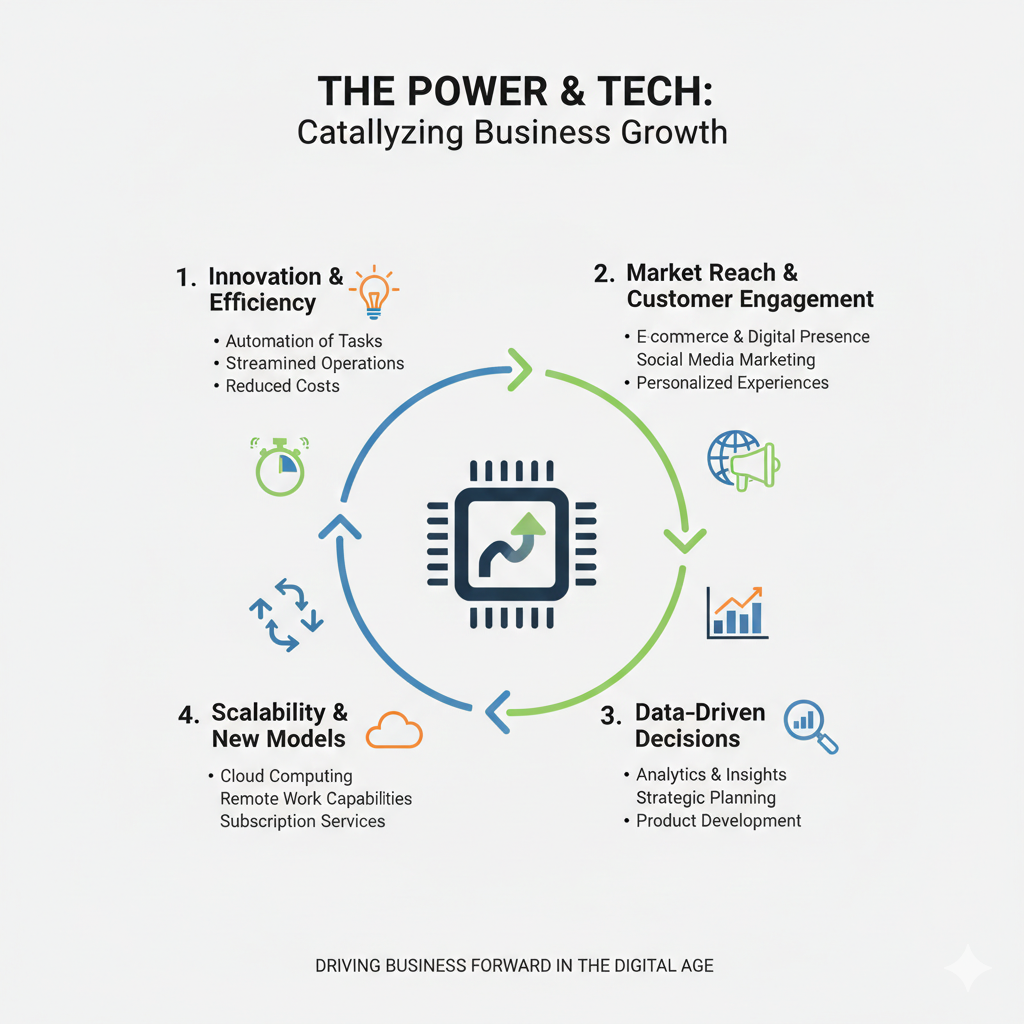
Another critical aspect is embracing digital transformation. The acceleration of technological advancements has highlighted the necessity for businesses to adopt digital tools and platforms. By integrating digital solutions such as e-commerce, supply chain management software, and data analytics, Indian businesses can improve operational efficiency, reduce costs, and enhance customer experiences. Organizations like Flipkart and Zomato have effectively utilized digital technologies to drive innovation and maintain a competitive edge in evolving markets.
Additionally, innovative business models are vital for resilience. Companies must assess and adapt their business models to align with changing consumer demands and global trends. For example, businesses that pivoted towards a subscription-based model during the pandemic demonstrated significant adaptability. The success stories of companies like Headspace illustrate how innovative approaches can lead to increased customer retention and revenue streams.
Lastly, fostering a culture of agility and responsiveness within organizations is essential. Businesses should encourage experimentation and the willingness to pivot strategies quickly in response to market changes. This adaptability can be a game changer during economic disruptions.
Overall, by diversifying markets, embracing digital transformation, and fostering innovative business models, Indian businesses can not only withstand global economic pressures but also thrive amidst uncertainty.
Government Policies and Support Measures
During periods of global economic slowdowns, the role of the Indian government becomes more pronounced as it seeks to mitigate the adverse impacts on businesses and the economy at large. The government employs a variety of fiscal and monetary policies designed to stimulate growth and ensure the stability of the economy. Examples of these measures include tax cuts, increased public spending, and adjustments to interest rates.
One significant fiscal approach taken by the Indian government is the introduction of stimulus packages aimed at bolstering sectors most affected by external shocks. These packages often aim to enhance infrastructure development, support small and medium enterprises (SMEs), and incentivize export-oriented industries. For instance, during the COVID-19 pandemic, the government announced various relief measures, including the Production Linked Incentive (PLI) scheme, which incentivizes manufacturing and production in critical sectors.
On the monetary side, the Reserve Bank of India (RBI) plays a crucial role by adjusting interest rates to influence economic activity. Lowering interest rates can encourage borrowing and spending, thereby stimulating demand. In recent years, the RBI has also implemented liquidity measures to ensure that credit flows to sectors in distress. These measures serve as immediate support to Indian businesses navigating global downturns.
However, the effectiveness of these government policies and support measures can sometimes be limited. For instance, delays in the disbursement of funds, bureaucratic red tape, and insufficient outreach to smaller enterprises can hinder the proper implementation of initiatives. There is also a need for continuous assessment and refinement of these policies to ensure they evolve with changing economic landscapes. By addressing these challenges, the Indian government can enhance the effectiveness of its strategies and better support businesses during global slowdowns.
Conclusion: Preparing for the Future
In the context of an increasingly interconnected global economy, Indian businesses face a myriad of challenges stemming from international slowdowns. Throughout the discussion, it has been highlighted how such global economic shifts can significantly impact various sectors within the Indian market, leading to reduced demand, disrupted supply chains, and increased competitive pressures. The experiences from past economic downturns underscore the necessity for Indian enterprises to cultivate a robust framework of adaptability and preparedness.
To thrive in this complex environment, businesses must develop strategic approaches that encompass diversifying their supply chains, embracing technology, and strengthening customer relationships. By fostering adaptability, companies can pivot quickly in response to economic fluctuations, ensuring that they are not only responding to immediate challenges but also positioning themselves for long-term sustainability and growth. Additionally, investing in innovation and skill development for employees can equip a workforce adept at navigating the uncertainties of global markets.
Moreover, collaboration with other firms and industries can enable Indian businesses to share resources, knowledge, and best practices, creating a more resilient ecosystem. In light of the ongoing changes in global trade dynamics, it is essential to remain vigilant and responsive to shifts in consumer preferences as well. By understanding these evolving trends, businesses can optimize their offerings to meet the needs of a diversifying customer base.
Ultimately, the ability to embrace change, leverage new opportunities, and work collaboratively will be the cornerstone of success for Indian businesses in an era marked by global interdependencies and economic uncertainties. As we look toward the future, businesses that proactively prepare for these challenges will be better positioned to thrive amidst the ripples of global slowdowns.