





How Food Choices Affect Long-Term Energy Levels in the USA

We have all experienced the dreaded afternoon slump. It is 3:00 PM, your focus drifts, your eyelids feel heavy, and the workday seems interminable. For many, the immediate reaction is to reach for a second cup of coffee or a sugary snack to power through the final stretch. While these quick fixes might provide a momentary burst of alertness, they rarely address the underlying issue.
Fatigue is one of the most common complaints among adults in the United States. While sleep and stress play significant roles, the fuel we put into our bodies is often the overlooked architect of our daily vitality. The relationship between what we eat and how we feel isn’t just about weight management or heart health; it is the fundamental driver of our energy levels from morning until night.
Understanding how macronutrients, hydration, and meal timing interact with your metabolism can unlock a steady, reliable source of energy. By shifting focus from short-term stimulation to long-term sustenance, you can cultivate a baseline of physical and mental stamina that lasts for years.
What Are Long-Term Energy Levels?
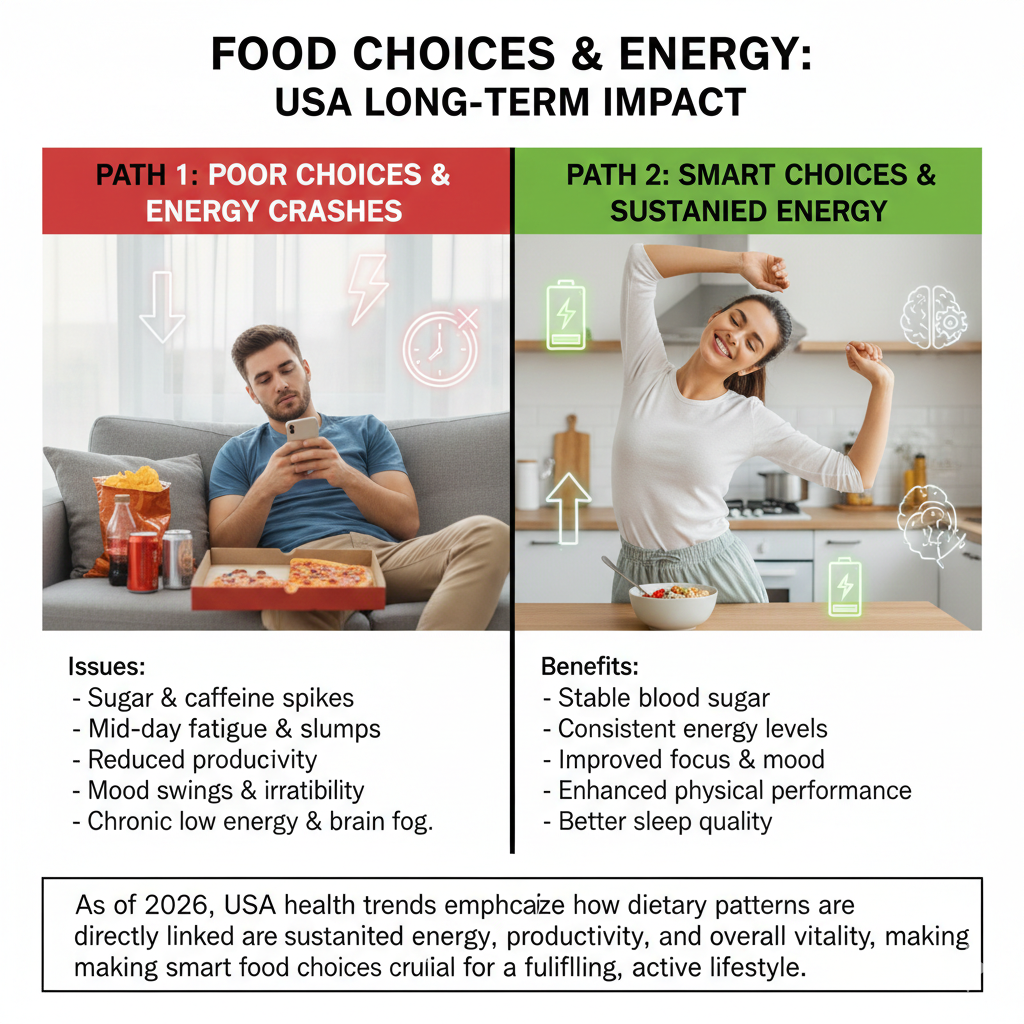
When we talk about energy, it is important to distinguish between “stimulation” and “sustenance.” Short-term energy often comes from stimulants like caffeine or simple sugars. These substances force the body into a state of alertness by triggering adrenaline or rapidly spiking blood glucose. The result is a high peak followed inevitably by a sharp valley.
Long-term energy, or sustained vitality, operates differently. It is the steady hum of a metabolism that is efficiently converting fuel into usable power without dramatic fluctuations. This type of energy allows you to wake up feeling refreshed, maintain focus throughout the day without relying on stimulants, and have enough reserve power left in the evening for hobbies or family.
Daily food choices compound over time. A diet high in processed foods may keep you functioning, but it might also keep your baseline energy lower than its potential. Conversely, a nutrient-dense diet builds metabolic flexibility, allowing your body to switch between burning carbohydrates and fats efficiently, ensuring the lights stay on regardless of what the day throws at you.
How Food Affects Energy in the Body
To understand why a bagel might make you sleepy while an omelet keeps you alert, we have to look at biology. The body breaks down food into glucose, which enters the bloodstream and acts as fuel for cells.
Blood sugar regulation
The pancreas releases insulin to help cells absorb this glucose. If you eat refined carbohydrates, glucose floods the bloodstream rapidly. The pancreas responds with a surge of insulin to clear it out. This rapid removal often leads to “hypoglycemia,” or low blood sugar, which the brain interprets as a fuel crisis. This is the physiological mechanism behind the crash.
Digestion and nutrient absorption
Energy production also relies on digestion. Breaking down food requires energy—a process known as the thermic effect of food. Heavy, greasy meals require significant resources to digest, diverting blood flow away from the brain and muscles to the gut, leading to lethargy. Furthermore, if the gut lining is compromised or digestion is inefficient, the body cannot absorb the vitamins and minerals necessary to convert macronutrients into ATP (adenosine triphosphate), the cellular currency of energy.
Foods That Support Long-Term Energy
Building a diet for endurance means prioritizing foods that provide a slow, steady release of fuel. These foods moderate the blood sugar response and provide the raw materials for energy production.
Complex Carbohydrates
Carbohydrates are the body’s preferred energy source, but quality matters.
- Whole grains and fiber: Foods like oats, quinoa, brown rice, and whole wheat contain the entire grain kernel. This fiber acts as a barrier, slowing down digestion and the subsequent release of sugar into the bloodstream.
- Slow, steady energy release: Because of the fiber content, complex carbs provide a gentle bell curve of energy rather than a spike. This keeps insulin levels stable and the brain fueled for hours.
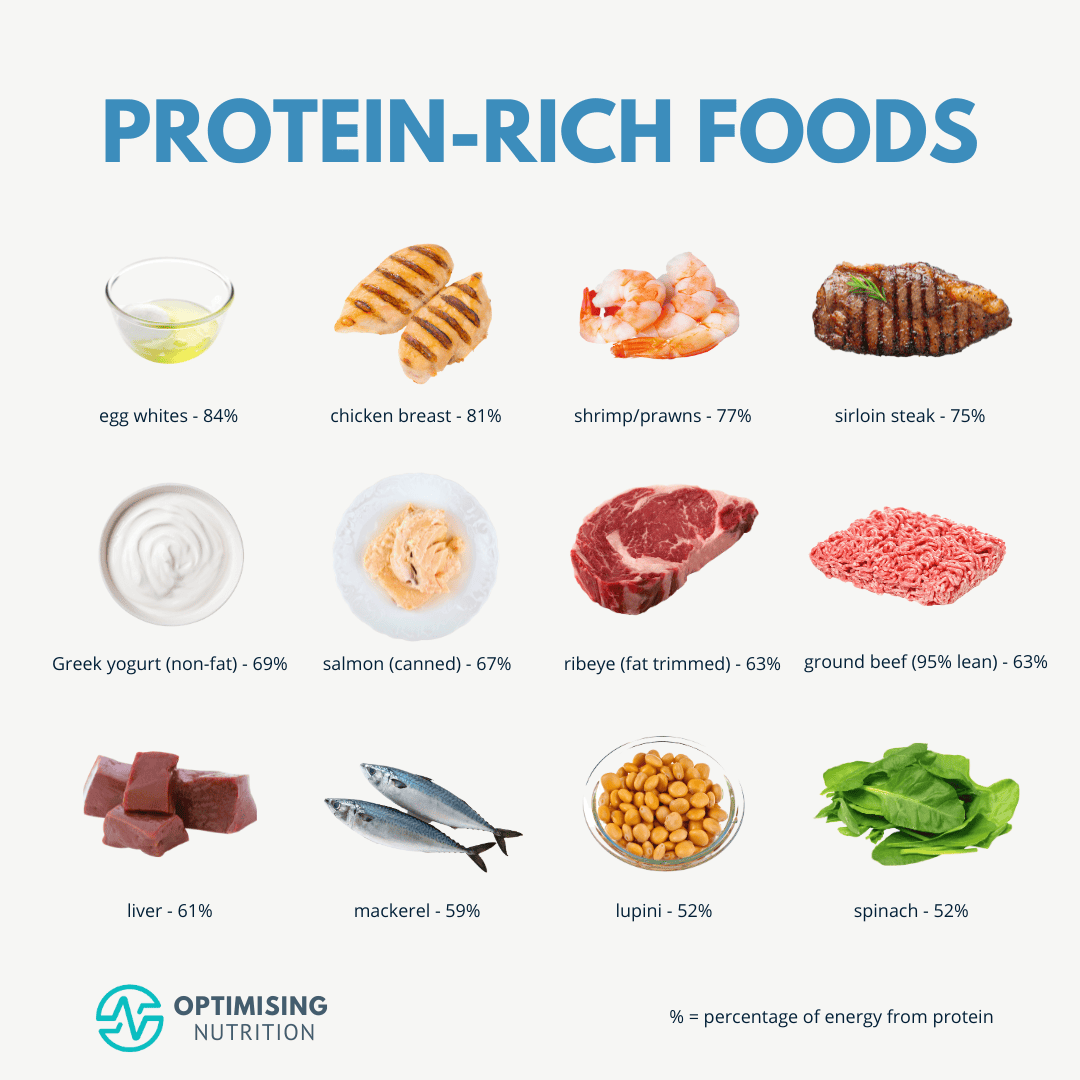
Protein-Rich Foods
Protein is often associated with muscle building, but it is crucial for energy maintenance.
- Muscle maintenance and satiety: Protein takes longer to digest than carbohydrates. Adding chicken, tofu, beans, or fish to a meal increases satiety, preventing the hunger pangs that distract focus.
- Preventing energy crashes: When paired with carbohydrates, protein further blunts the blood sugar response. It smooths out the metabolic ride, ensuring you don’t run out of fuel halfway to your next meal.
Healthy Fats
Fats are the most energy-dense macronutrient.
- Brain energy and hormone balance: The brain is roughly 60% fat. Consuming sources like avocados, olive oil, nuts, and seeds supports cognitive function. Furthermore, fats are essential for hormone production. Hormonal imbalances (like cortisol or thyroid issues) are frequent culprits behind chronic fatigue.
Micronutrient-Dense Foods
You can consume plenty of calories and still be energy-starved if you lack micronutrients.
- Iron, magnesium, B vitamins: These are the spark plugs of the energy engine. Iron carries oxygen to cells; without it, you feel weak. Magnesium is involved in hundreds of biochemical reactions, including energy creation. B vitamins help convert dietary food into glucose. Leafy greens, nuts, seeds, and lean meats are vital for restocking these supplies.
Foods That Drain Energy Over Time
Just as some foods fill the tank, others poke holes in it. The modern food environment is saturated with items that tax the body’s resources.
Added sugars and refined carbs
Sodas, pastries, white bread, and many breakfast cereals are stripped of fiber. They enter the bloodstream almost immediately. While they offer a quick burst of energy, the subsequent crash often leaves consumers feeling more tired than before they ate. Over time, reliance on these foods can lead to insulin resistance, a condition where cells stop responding efficiently to insulin, resulting in chronic low energy.
Ultra-processed foods
Foods engineered for hyper-palatability often contain a mix of unhealthy fats, sodium, and additives. These items are calorie-rich but nutrient-poor. The body expends energy digesting them but receives little nutritional return. This “hidden hunger” can leave you feeling lethargic despite consuming adequate calories.
Excessive caffeine and alcohol
Caffeine blocks adenosine, the chemical that makes you feel sleepy. It borrows energy from tomorrow to use today. Chronic overuse can disrupt sleep architecture, leading to a dependency cycle. Alcohol, conversely, is a sedative. While it might help you fall asleep, it fragments sleep cycles and prevents deep restorative rest, guaranteeing grogginess the next day.
Energy Crashes and the American Diet
The “Standard American Diet” (SAD) creates a perfect storm for fatigue. It is characterized by high intakes of red meat, processed meats, pre-packaged foods, fried foods, and high-fat dairy products, alongside low intakes of fruits, vegetables, and whole grains.
Common dietary patterns in the USA
Portion sizes in the United States have ballooned over the last few decades. Large, heavy meals induce “postprandial somnolence,” or the food coma. When the body is overwhelmed with calories, it must prioritize digestion over mental acuity.
Sugar spikes and fatigue cycles
The prevalence of High Fructose Corn Syrup in beverages and shelf-stable foods contributes significantly to the rollercoaster effect. Many Americans start their day with a sugary coffee or cereal, crash by mid-morning, refuel with a carb-heavy lunch, and crash again by afternoon. Breaking this cycle often requires a conscious effort to restructure the pantry.
Meal Timing and Energy Levels
Biological clocks, or circadian rhythms, influence how we metabolize food. Eating at irregular times can confuse these rhythms.
Skipping meals vs balanced timing
Skipping meals, particularly breakfast, works for some but backfires for others. Going too long without food causes blood sugar to dip, triggering the release of cortisol (stress hormone). This can lead to a “tired but wired” feeling. For sustained energy, eating every 3 to 4 hours can keep blood glucose levels within a narrow, optimal range.
Portion size and energy consistency
Smaller, more frequent meals often result in better energy levels than one or two massive feasts. A massive influx of calories requires a massive amount of digestive energy. Spreading intake out reduces the digestive load, allowing blood flow to remain available for the brain and muscles.
Hydration and Energy
Water is the medium in which all metabolic processes occur.
Dehydration and fatigue
Even mild dehydration (loss of 1-2% of body weight) acts as a drag on physical and mental performance. When blood volume drops due to lack of water, the heart has to work harder to pump oxygen and nutrients to the cells. This inefficiency manifests as fatigue.
Electrolyte balance
Water isn’t the only factor; electrolytes like sodium and potassium facilitate nerve impulses and muscle contractions. Drinking plain water without replenishing electrolytes (especially after sweating) can lead to imbalances that cause weakness and lethargy.
Long-Term Energy and Gut Health
The gut is often called the “second brain,” and its health is directly linked to vitality.
Digestive efficiency
If the gut microbiome is imbalanced—a condition known as dysbiosis—food is not broken down effectively. This means you aren’t getting the full energy value from your meals. Fermented foods like yogurt, kimchi, and sauerkraut introduce beneficial bacteria that aid this process.
Inflammation and energy regulation
A poor diet can damage the gut lining, allowing particles to leak into the bloodstream. The immune system attacks these particles, causing systemic inflammation. Fighting inflammation is an energy-intensive process. When the body is constantly fighting an internal battle, there is little energy left for daily tasks.
Food Choices and Mental Energy
Physical stamina is one thing, but mental endurance is another. The brain consumes about 20% of the body’s daily energy expenditure despite representing only 2% of its weight.
Focus, concentration, and mood
The brain is highly sensitive to drops in glucose. Brain fog, irritability, and anxiety are often symptoms of unstable blood sugar. Furthermore, 95% of the body’s serotonin is produced in the gut. A diet high in processed foods correlates with higher rates of depression and anxiety, both of which are major energy drains.
Brain fuel basics
Omega-3 fatty acids, found in fatty fish like salmon and walnuts, are vital for cognitive health. They build cell membranes in the brain and promote new cell formation. Antioxidants found in berries and dark chocolate protect the brain from oxidative stress, preserving mental sharpness as we age.
How Lifestyle Habits Interact with Diet
Diet does not exist in a vacuum. It interacts dynamically with how you live your life.
Sleep, stress, and physical activity
Poor sleep increases ghrelin (the hunger hormone) and decreases leptin (the fullness hormone), driving cravings for high-sugar quick fixes. High stress depletes B vitamins and magnesium rapidly. Conversely, regular exercise increases the number of mitochondria in your cells—the literal power plants of the body—making your metabolism more efficient at creating energy from food.
Compounding effects on energy
A bad night of sleep often leads to poor food choices, which leads to an energy crash, which leads to skipping the gym, which leads to worse sleep. This negative feedback loop destroys long-term energy. Breaking the cycle often starts with just one better meal.
How to Build an Energy-Supportive Diet
Transforming your energy levels doesn’t require a restrictive, miserable diet. It requires strategy.
Simple meal planning strategies
- The Plate Method: Aim for half a plate of vegetables, a quarter plate of protein, and a quarter plate of complex carbs. Add a thumb-sized portion of healthy fat.
- Prep Ahead: having hard-boiled eggs, cut vegetables, or cooked quinoa in the fridge prevents the “emergency” drive-thru run when hunger strikes.
Sustainable habits for busy lifestyles
- Read Labels: Look for added sugars. If sugar is in the top three ingredients, it’s a dessert, not a meal.
- Carry Snacks: Nuts, seeds, or a piece of fruit are portable insurance policies against low blood sugar.
- Drink Water First: Before reaching for a second coffee, drink a glass of water.
Who Is Most Affected by Poor Food Choices?
While everyone eats, the impact of poor fuel varies by lifestyle.
Office workers and students
Sedentary individuals require fewer total calories, but their nutrient needs for brain function are high. Heavy, carb-laden lunches are particularly detrimental to this group, as they lead to afternoon cognitive decline just when productivity is needed most.
Athletes and active adults
Active individuals have a high calorie turnover. If they rely on processed foods to meet their calorie needs, they may face “Relative Energy Deficiency in Sport” (RED-S). They might have enough fuel to move, but not enough nutrients to repair tissue, leading to chronic fatigue and injury.
Establish Your Baseline
Changing your diet to improve energy is an experiment with a sample size of one: you. There is no single perfect diet for everyone in the USA or abroad. However, the principles of biology remain consistent. By prioritizing whole, nutrient-dense foods and minimizing the items that cause metabolic chaos, you can reclaim your day.
The goal isn’t to never eat a donut again. The goal is to build a baseline of health so robust that an occasional treat doesn’t derail your week. View food not as a reward or a chore, but as the primary tool for designing the life you want to live—one full of energy, focus, and potential.
FAQs – Food Choices and Energy Levels
What foods give the most long-term energy?
Foods rich in fiber, protein, and healthy fats provide the best sustained energy. Top examples include oatmeal (steel-cut or rolled), fatty fish like salmon, eggs, nuts (almonds/walnuts), sweet potatoes, and leafy green vegetables like spinach and kale.
Why do sugary foods cause energy crashes?
Sugary foods are digested rapidly, causing a sharp spike in blood glucose. The body releases a surge of insulin to lower this sugar level. Often, the insulin overcompensates, dropping blood sugar too low (hypoglycemia), which results in sudden fatigue, shakiness, and brain fog.
Can diet fix chronic fatigue?
While chronic fatigue syndrome (ME/CFS) is a complex medical condition that requires a doctor’s diagnosis, diet can significantly alleviate symptoms. An anti-inflammatory diet rich in whole foods removes additional stressors on the body, potentially improving energy baselines for those with chronic conditions.
How long does it take to improve energy with diet?
Most people notice a difference in their energy stability within one to two weeks of removing processed sugars and prioritizing balanced meals. However, correcting deep nutrient deficiencies (like low iron) can take several months of consistent dietary improvement.
Is caffeine bad for long-term energy?
Not inherently. Moderate caffeine consumption (1-2 cups of coffee) offers cognitive benefits. However, relying on caffeine to mask sleep deprivation is detrimental. For long-term energy, it is best to delay caffeine intake until 90 minutes after waking and to stop consumption by early afternoon to protect sleep quality.