

How Fast Fashion Changed Modern Human Clothing

Walk into any shopping mall and you’ll see it: racks overflowing with trendy pieces at rock-bottom prices, collections that rotate faster than the seasons themselves. Fast fashion has fundamentally reshaped how we dress, transforming clothing from carefully considered purchases into disposable commodities.
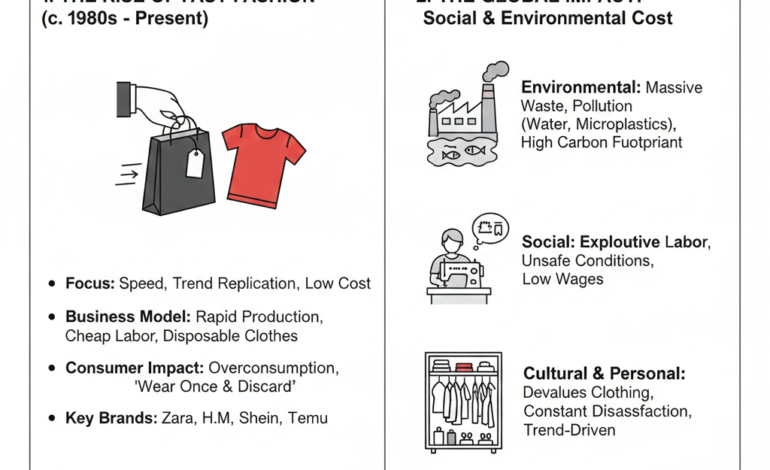
This shift didn’t happen overnight. Over the past few decades, the fashion industry evolved from a measured cycle of two or three collections per year to a relentless stream of new styles hitting stores every few weeks. Brands like Zara, H&M, and Shein pioneered business models built on speed, affordability, and constant newness—redefining what we wear and how we think about our wardrobes.
But what exactly is fast fashion, and how did it gain such dominance? More importantly, how has it influenced everything from the silhouettes we favor to the fabrics we wear and even the way clothing shapes our identities? Understanding fast fashion means examining not just its origins but its ripple effects across culture, manufacturing, psychology, and sustainability.
Fast fashion represents one of the most dramatic transformations in modern human clothing styles explained. To fully appreciate its impact, we need to trace its roots, explore how it changed garment production and design, and consider what it means for the future of how we dress. The story of fast fashion is, ultimately, a story about how clothing became faster, cheaper, and more disposable—and what we’ve gained and lost along the way.
What Is Fast Fashion and How Did It Start?
Fast fashion refers to the rapid production of inexpensive clothing that mirrors current runway trends. Unlike traditional fashion cycles, which moved slowly from design to production to retail, fast fashion compresses this timeline dramatically. A trend spotted on the catwalk can appear in stores within weeks, not months.
This model emerged in the late 1990s and early 2000s, driven by brands that recognized an opportunity: produce clothes quickly, sell them cheaply, and encourage consumers to buy more frequently. The result was a fundamental shift in how the fashion industry operates.
Global Manufacturing and Trend Cycles
Fast fashion’s rise depended on globalized manufacturing networks. By outsourcing production to countries with lower labor costs—primarily in Asia—brands could produce garments at a fraction of traditional costs. Factories specialized in quick turnarounds, churning out thousands of units to meet demand generated by rapidly changing trends.
This manufacturing shift accelerated trend cycles. Where fashion once changed seasonally, fast fashion introduced “micro-seasons”—new collections appearing every few weeks. Consumers could walk into the same store monthly and find completely different merchandise. This constant newness became addictive, training shoppers to expect—and purchase—new styles regularly.
The speed and volume of production also changed retail strategies. Stores maintained smaller inventories of individual items, creating artificial scarcity. If you saw something you liked, you bought it immediately, knowing it might be gone next week. This urgency drove impulse purchases and normalized frequent shopping trips.
Influence of Historical Fashion Movements
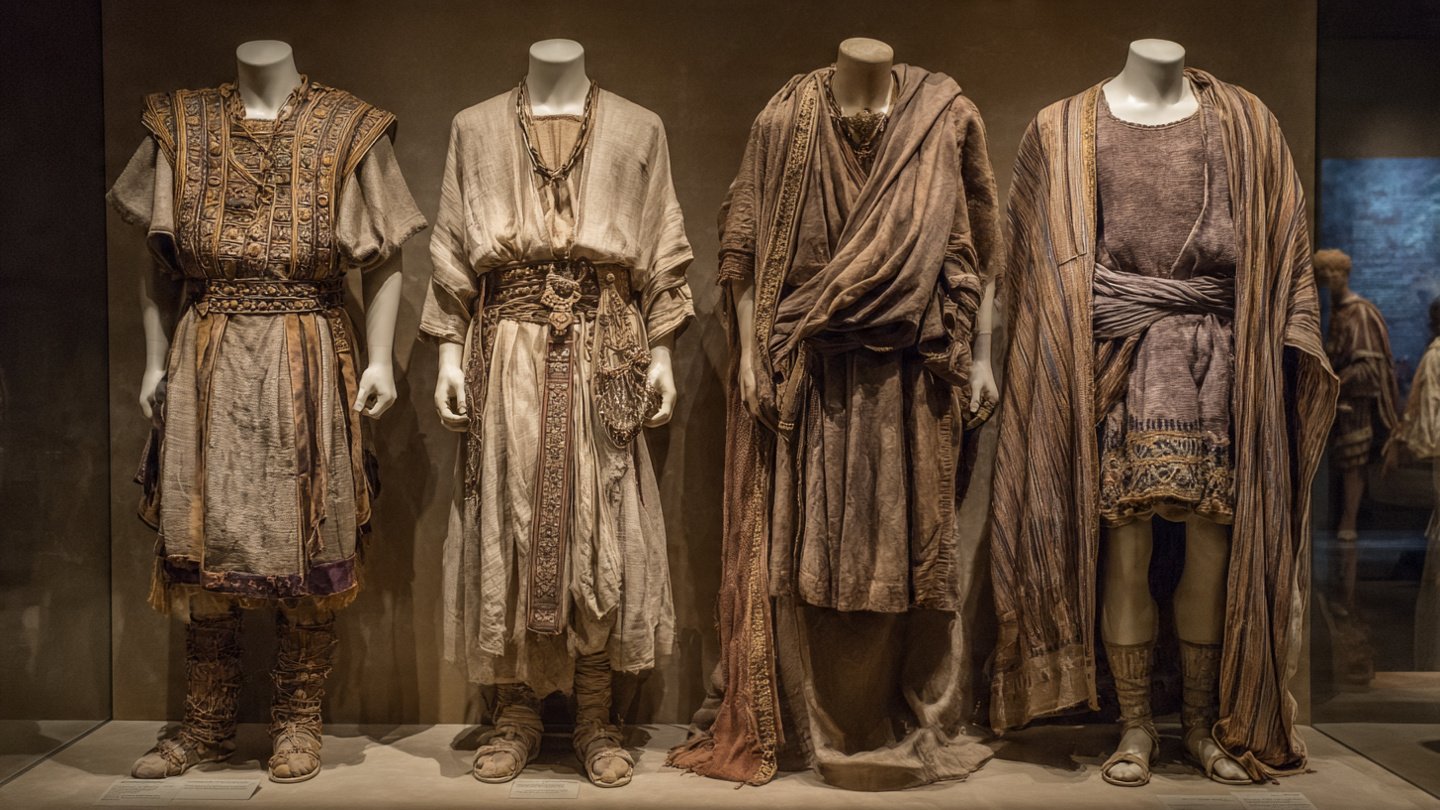
Fast fashion didn’t emerge in a vacuum. It built upon centuries of clothing evolution, borrowing elements from various periods while stripping away the craftsmanship that once defined quality garments. Understanding major historical events that changed clothing forever helps contextualize fast fashion’s place in this continuum.
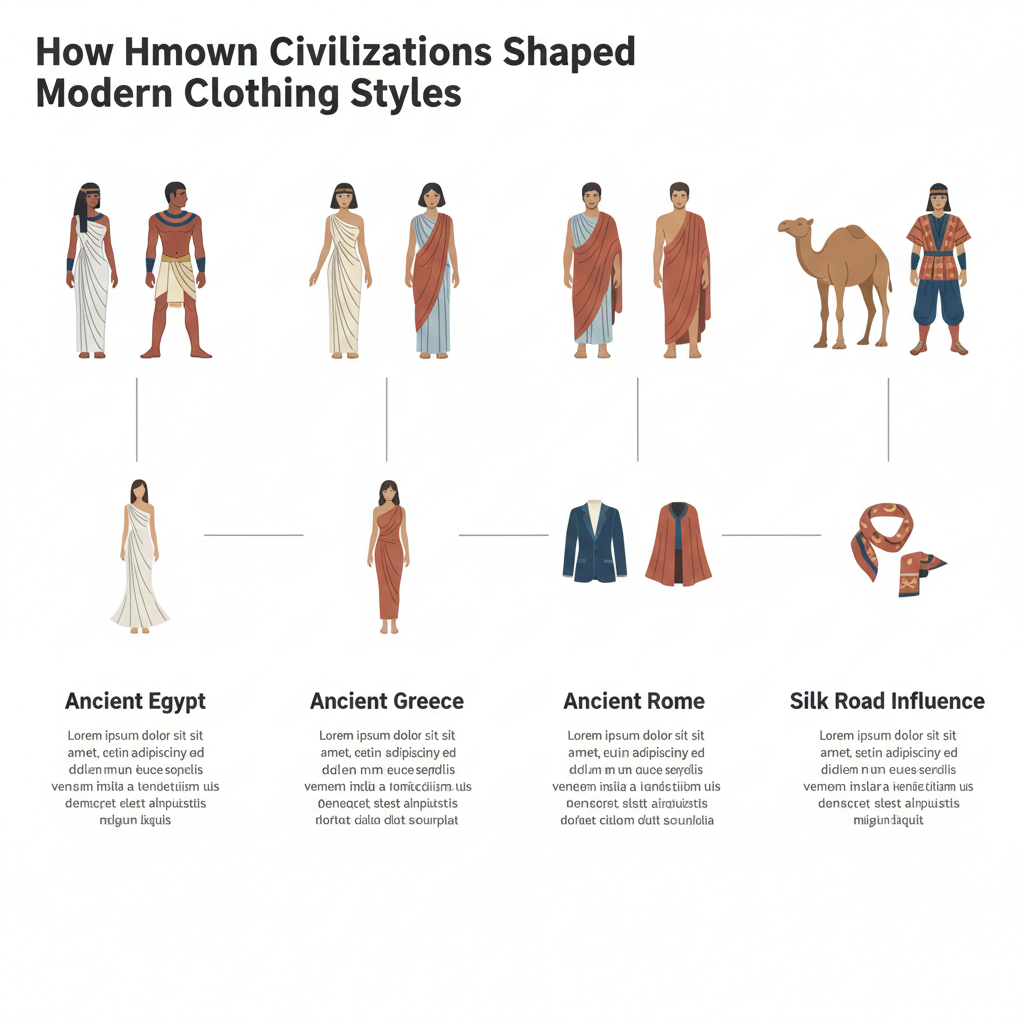
Throughout history, how trade routes spread clothing styles demonstrates how fashion has always moved across borders. Fast fashion simply accelerated this exchange, creating a globalized aesthetic where trends circulate worldwide almost instantaneously through social media and international retail chains.
Previous fashion democratization movements—like ready-to-wear clothing in the mid-20th century—paved the way for fast fashion’s accessibility. But where earlier democratization focused on bringing quality fashion to middle-class consumers, fast fashion prioritized volume and speed over lasting value.
Fast Fashion’s Impact on Clothing Silhouettes
One of fast fashion’s most visible influences is how quickly clothing silhouettes change. Understanding what is a clothing silhouette reveals how garment shapes communicate style and cultural values—and fast fashion has drastically accelerated these shifts.
Pre-fast fashion, silhouettes evolved gradually. The shift from structured shoulders in the 1980s to minimalist lines in the 1990s happened over years. Fast fashion condensed these timelines. Now, a silhouette might dominate for a single season before being replaced by something entirely different.
This rapid cycling affects how we build wardrobes. Clothing becomes dated not because it’s worn out, but because its shape no longer aligns with current trends. Wide-leg pants give way to skinny jeans, then back to wide legs, then to straight cuts—all within a few years. Each shift renders previous purchases “unfashionable,” driving consumers back to stores.
The loose vs fitted clothing silhouettes evolution perfectly illustrates fast fashion’s impact. These fundamental shape variations now flip so frequently that consumers struggle to develop consistent personal style. Instead, wardrobes become collections of trend-driven pieces that quickly feel obsolete.
Fast fashion brands excel at identifying emerging silhouettes and producing affordable versions immediately. When oversized blazers trend, stores flood with options within weeks. This responsiveness democratizes access to current styles, but at the cost of encouraging constant consumption rather than thoughtful curation.
Fabric Production and Construction in Fast Fashion
Fast fashion’s speed demands shortcuts in both materials and manufacturing. Understanding the from fiber to fabric clothing process highlights just how much fast fashion simplified and standardized garment production.
Traditional clothing construction involved careful fabric selection, precise cutting, and quality finishing. Fast fashion streamlined these processes, prioritizing speed and cost-efficiency over durability. Synthetic fabrics became dominant because they’re cheaper to produce and easier to work with than natural fibers.
Polyester, in particular, became fast fashion’s fabric of choice. It’s inexpensive, holds color well, and doesn’t wrinkle easily—perfect for mass production and global shipping. But polyester also sheds microplastics when washed, contributing to environmental pollution. This trade-off—convenience and affordability versus environmental impact—defines much of fast fashion’s legacy.
The difference between woven and knitted garments matters less in fast fashion than in traditional clothing construction. While both techniques serve different purposes, fast fashion often chooses based purely on production speed and cost. Knits dominate because they’re faster to produce and require less precision fitting.
Construction quality suffered too. Seam allowances narrowed, finishes simplified, and details that once indicated quality—like proper linings, reinforced stress points, and hand-finished buttonholes—largely disappeared. Garments became functional enough to wear a few times but not built to last years.
This shift in construction philosophy reflects fast fashion’s fundamental assumption: clothing should be disposable. When a top costs less than a coffee, consumers don’t expect it to survive many washes. The economic model depends on replacement, not repair.
Psychological Effects of Trend-Driven Clothing
Fast fashion doesn’t just change what we wear—it transforms how we think about clothing and ourselves. The psychological dimensions of trend-driven fashion reveal complex relationships between identity, consumption, and social belonging.
Clothing has always communicated identity, but fast fashion intensified this connection. When trends cycle rapidly, staying current requires constant purchases. Fashion became less about expressing stable identity and more about signaling participation in consumer culture. What clothing says about identity in modern society reflects this shift from clothing as self-expression to clothing as social currency.
Social media amplified these psychological pressures. Platforms like Instagram and TikTok created new expectations around outfit variety. Wearing the same thing twice became socially risky, driving demand for constantly refreshed wardrobes. Fast fashion enabled this behavior by making frequent purchases financially accessible.
The relationship between how clothing affects confidence and human psychology grew more complicated under fast fashion. On one hand, affordable trendy clothing democratized fashion confidence—anyone could dress stylishly regardless of budget. On the other, the constant churn of trends created anxiety about keeping up and perpetual dissatisfaction with existing wardrobes.
Fast fashion also changed the emotional value of clothing. When garments cost little and trend quickly out of style, they become less precious. Few people form lasting attachments to fast fashion pieces. This emotional disconnection makes disposal easier, contributing to clothing waste.
The dopamine hit of purchasing new clothes became more accessible and frequent. Shopping shifted from occasional necessity to regular entertainment. Fast fashion brands deliberately designed stores and websites to encourage browsing and impulse buying, turning shopping into a leisure activity rather than a practical task.
This psychological shift has broader implications. When clothing becomes disposable, we lose traditional knowledge about garment care, repair, and alteration. Skills that previous generations considered basic—sewing buttons, hemming pants, darning holes—disappeared as replacing became easier than repairing.
Sustainability Challenges and the Future of Fast Fashion
The environmental and social costs of fast fashion have become impossible to ignore. As awareness grows, the industry faces mounting pressure to change—or risk obsolescence.
Fast fashion’s environmental footprint is staggering. The industry produces roughly 100 billion garments annually, many of which end up in landfills within a year. Synthetic fabrics don’t biodegrade, persisting for centuries. Textile dyeing pollutes waterways. Cotton cultivation depletes water resources. The carbon emissions from global shipping and production rival those of international aviation.
Labor conditions present equally serious concerns. The race to produce cheaper garments often means workers in developing countries face unsafe conditions, poverty wages, and excessive hours. Several high-profile factory disasters exposed the human cost of fast fashion’s low prices, sparking consumer backlash and calls for reform.
In response, some fast fashion brands launched sustainability initiatives: recycling programs, organic cotton lines, transparency reports. Critics argue these efforts amount to “greenwashing”—superficial changes that let companies appear responsible while maintaining fundamentally unsustainable business models.
The future of human clothing in a digital world might offer alternatives. Digital fashion—clothing that exists only virtually for social media photos—could satisfy the desire for novelty without physical production. Though still niche, this concept represents one possible evolution beyond material consumption.
Smart clothing and wearable technology explained suggests another direction: garments with extended functionality that justify higher prices and longer ownership. If a shirt monitors health metrics or adapts to temperature changes, consumers might value and keep it longer than a basic tee.
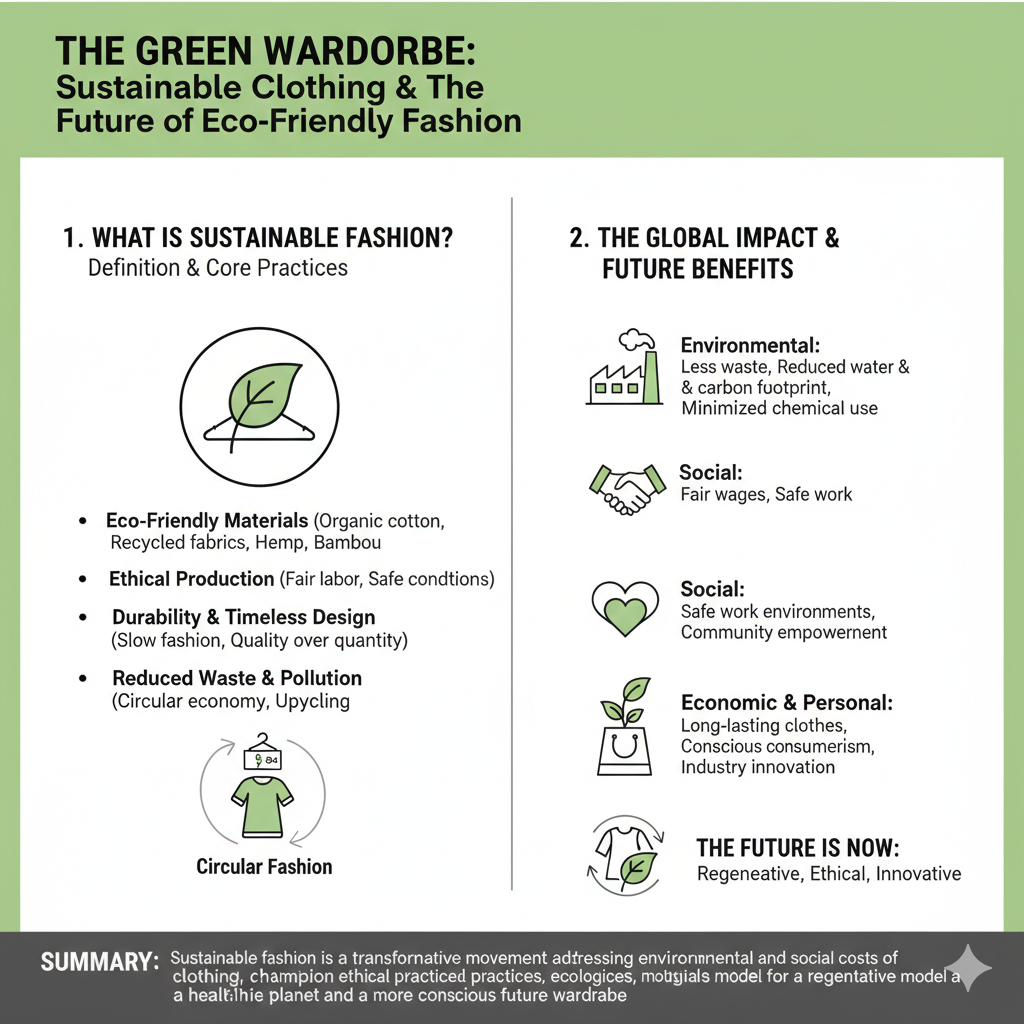
The slow fashion movement directly challenges fast fashion principles, emphasizing quality, durability, and mindful consumption. Brands built on these values grow steadily, appealing to consumers seeking alternatives to disposability. Rental and resale platforms also gain traction, extending garment lifespans and reducing demand for new production.
Regulatory pressure is mounting too. Some governments consider extended producer responsibility laws, requiring brands to manage their products’ end-of-life disposal. Bans on destroying unsold inventory and requirements for supply chain transparency signal shifting expectations around corporate responsibility.
Whether fast fashion can genuinely reform or whether it will be replaced by entirely new models remains uncertain. What’s clear is that the current trajectory—producing ever more clothing at ever faster speeds—cannot continue indefinitely. Resources are finite, and consumer attitudes are shifting.
How Fast Fashion Accelerated Human Clothing Evolution
Fast fashion represents a pivotal chapter in clothing history, compressing change that once took decades into mere years. It democratized fashion access, making trendy clothing available regardless of income. It responded to consumer desires for variety and novelty. It created jobs and economic opportunities in developing countries.
But these benefits came with profound costs. Environmental degradation, labor exploitation, and the loss of traditional clothing craftsmanship mark fast fashion’s legacy as much as its accessibility does. The model taught us to view clothing as disposable, fundamentally changing our relationship with what we wear.
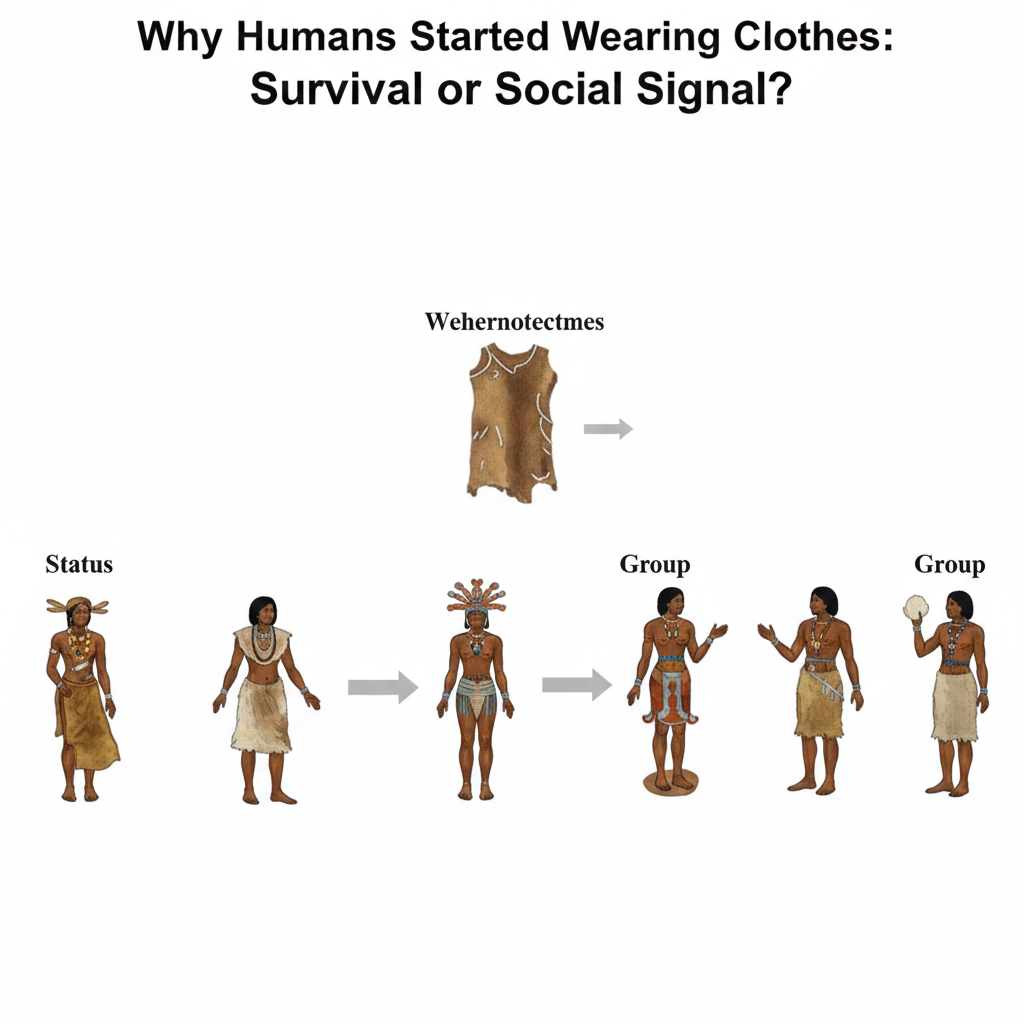
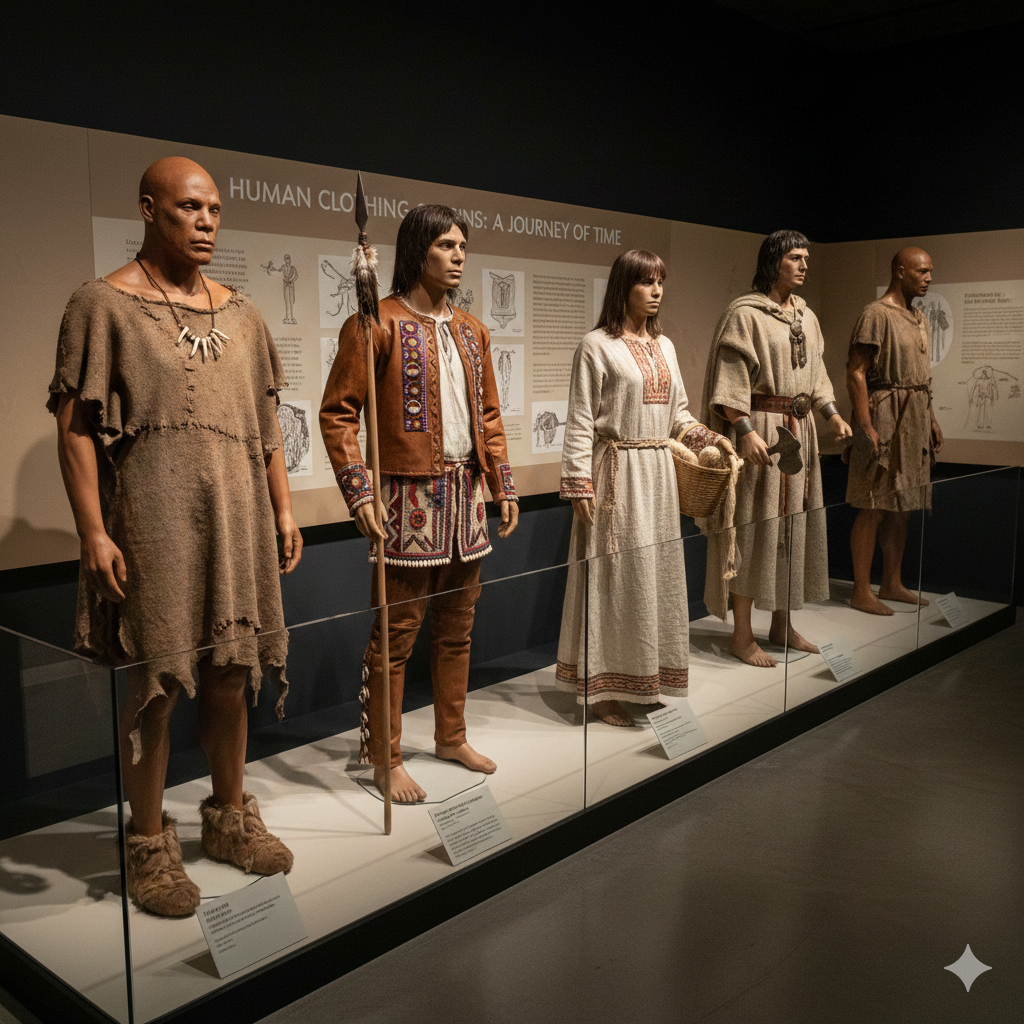
Understanding how we arrived here requires looking back at why humans started wearing clothes and tracing the history of clothing evolution. Each era brought innovations—from weaving to sewing machines to synthetic fibers—that shaped how we dress. Fast fashion simply took this evolution to an extreme, prioritizing speed and volume above all else.
As we consider fashion’s future, the lessons of fast fashion’s impact remain relevant. Any sustainable path forward must balance accessibility with responsibility, novelty with durability, and global production with local craftsmanship. The next evolution in how minimalism influenced modern clothing styles might point toward simpler, more thoughtful wardrobes that reject fast fashion’s excess.
Fast fashion changed modern human clothing irrevocably. Whether that change proves temporary—a brief historical aberration—or permanent depends on choices made now by consumers, brands, and policymakers alike. The story isn’t finished, but understanding how we got here is essential for determining where we go next.