

How Consumer Fashion Choices Are Changing in the USA
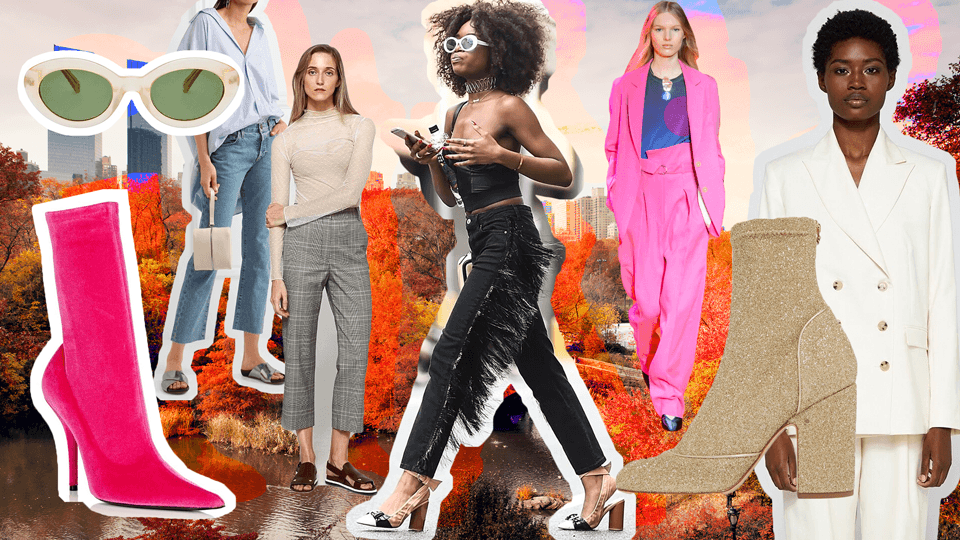

The American closet is undergoing a massive renovation, but it has little to do with spring cleaning. For decades, the rhythm of fashion consumption in the United States was predictable: trends appeared on runways, trickled down to department stores, and eventually landed in shopping bags. That linear path has shattered. Today, the way Americans browse, buy, and discard clothing is being rewritten by a complex mix of economic pressure, digital acceleration, and a profound shift in personal values.
We are no longer just buying clothes; we are buying identities, values, and convenience. The era of blind consumerism is fading, replaced by a more fragmented and conscious landscape. Inflation has tightened wallets, forcing shoppers to scrutinize price tags more closely than they have in years. Simultaneously, social media algorithms serve up micro-trends at breakneck speed, creating a constant tension between the desire for the “new” and the financial reality of the “now.”
Understanding these shifts is crucial because fashion is a mirror of society. When our spending habits change, it signals deeper cultural shifts in how we view labor, the environment, and ourselves. From the rise of resale apps to the dominance of comfort-first workwear, the modern shopper is rewriting the rulebook. This guide explores exactly how those rules are changing and what the future of American style looks like.
The Current State of Consumer Fashion Choices
To understand where we are going, we must look at where we stand today. When analyzing consumer fashion choices in the USA, a clear dichotomy emerges. On one hand, there is an undeniable appetite for speed and novelty. Fast fashion giants still post massive revenue numbers, proving that the desire for affordable, trendy clothing remains strong. On the other hand, a growing segment of the population is actively stepping off the trend treadmill, opting for “slow fashion” and investment pieces.
Spending habits have bifurcated. Middle-market brands—those that sit between budget-friendly fast fashion and high-end luxury—are feeling the squeeze. Shoppers are either trading down to find better deals or saving up to trade up for quality that lasts. This “high-low” mix has become the standard operating procedure for the average American consumer.
Furthermore, the battle between online and in-store shopping has settled into an uneasy truce. While e-commerce dominates for convenience and replenishment, physical stores are seeing a resurgence among shoppers who crave the tactile experience of fabric and fit. The difference now is intent: people don’t just wander malls aimlessly as often; they go with a mission, often pre-validated by online research.
Key Factors Changing Consumer Fashion Choices
Several macroeconomic and social forces are dictating how consumer fashion choices are changing in the USA. It is not just one factor, but a convergence of pressures that is altering behavior.
Rising Cost of Living: Inflation has been the most immediate disruptor. When groceries and rent take up a larger percentage of the paycheck, discretionary spending on apparel takes a hit. Consumers are becoming more tactical, waiting for sales events or seeking out discount retailers rather than buying full-price items on a whim.
Sustainability Awareness: While price remains king, the environmental impact of clothing is no longer a fringe concern. Documentaries, news reports, and social media activism have brought the dark side of fashion supply chains into the light. Shoppers are increasingly asking: Who made this? and What is it made of?
Convenience & Speed: The Amazon effect has permanently altered expectations. Two-day shipping is the baseline. If a brand cannot deliver quickly and offer hassle-free returns, consumers will click away to a competitor who can. Speed is now a component of value.
Personal Expression: The democratization of style means there is no longer a single “look” that defines an era. Personal expression has trumped conformity. Shoppers are less likely to buy a uniform prescribed by a magazine and more likely to curate a wardrobe that reflects their specific niche interests.
Sustainability Driving Fashion Decisions
The conversation around sustainable fashion consumer behavior in the USA has moved from niche blogs to the boardroom. While there is often a gap between what consumers say they want (sustainability) and what they actually buy (cheap trends), that gap is closing, particularly among younger demographics.
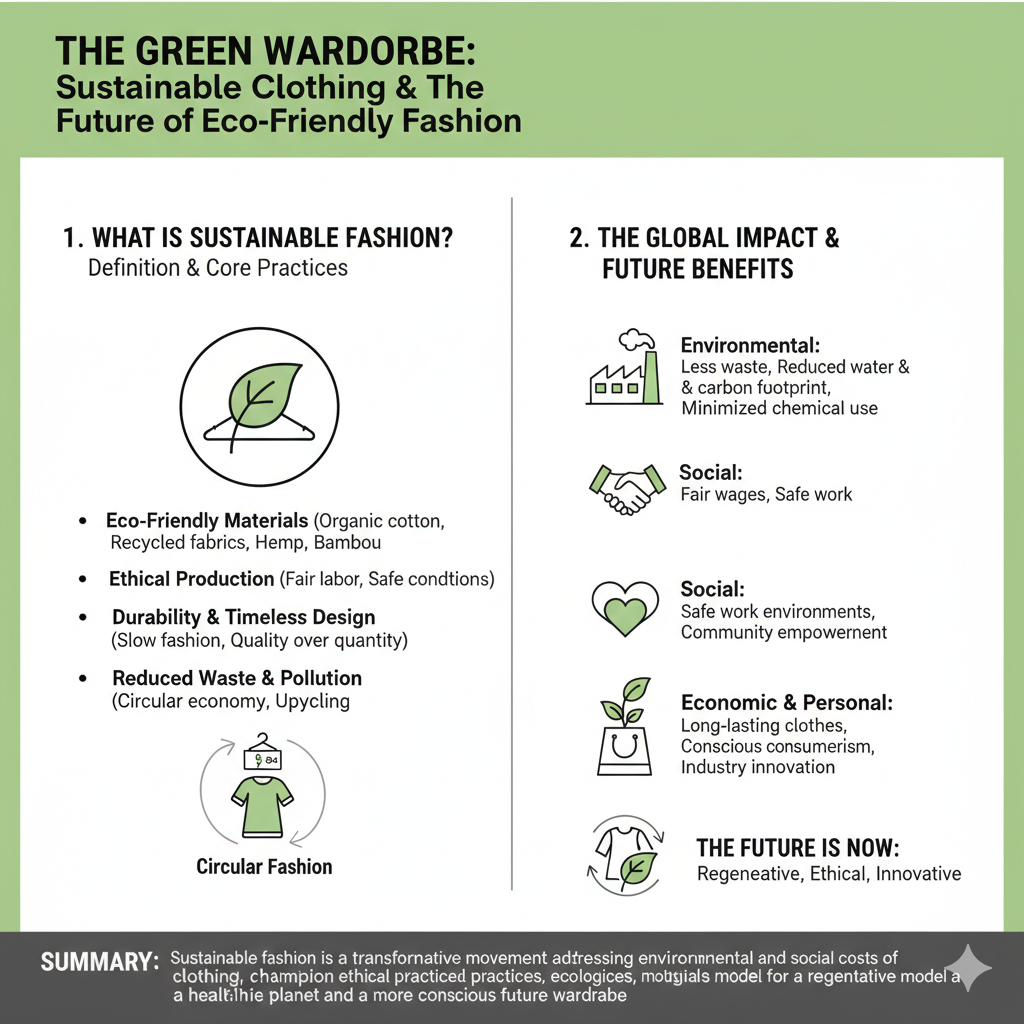
Ethical sourcing concerns are driving a hard look at supply chains. Shoppers are wary of greenwashing—marketing gimmicks that make a brand appear eco-friendly without substance. They want transparency regarding water usage, carbon footprints, and fair labor practices. Brands that hide this information are viewed with suspicion.
Perhaps the biggest shift is the explosion of the resale market. Platforms like Poshmark, Depop, and ThredUp have normalized secondhand shopping. Buying used clothing is no longer seen as a necessity for those on a budget; it is viewed as a savvy, stylish, and eco-conscious choice. “Thrifting” has become a verb and a badge of honor, allowing consumers to acquire high-quality items without contributing to new manufacturing waste.
Affordability & Value-Focused Shopping
Economic uncertainty has birthed a new wave of affordable fashion trends in the USA. The modern shopper is a master of value perception. This doesn’t always mean buying the cheapest item available; it means extracting the most value for every dollar spent.
The “cost-per-wear” mindset is gaining traction. Shoppers are justifying higher price points for items like denim, coats, and boots by calculating how often they will use them. A $200 jacket worn 200 times is a better value than a $30 trend piece worn twice. This logical approach to spending is a direct response to tighter budgets.
We are also seeing the rise of “dupe culture.” Social media users actively hunt for affordable alternatives to high-end designer items. Finding a $40 lookalike for a $2,000 handbag is celebrated as a victory. This behavior signals that while consumers still desire the aesthetic of luxury, they are increasingly unwilling—or unable—to pay the premium for the brand name alone.
Digital & Social Media Influence
It is impossible to overstate the social media impact on fashion in the USA. Platforms like TikTok, Instagram, and YouTube have replaced traditional fashion magazines as the primary source of inspiration.
The “TikTok Made Me Buy It” phenomenon demonstrates the raw power of influencer-led discovery. A viral video can sell out a specific dress or pair of sneakers in hours. However, this influence cuts both ways. The speed of digital trends creates “micro-trends”—aesthetics that rise and fall in a matter of weeks (think “Mob Wife Aesthetic” or “Coastal Grandmother”). This accelerates the trend cycle to dizzying speeds, often leaving consumers feeling fatigued.
User-generated content (UGC) is also shaping demand. Shoppers trust real people trying on clothes in their bedrooms more than they trust highly produced brand campaigns. They want to see how fabric moves, how sizes fit on different body types, and how items are styled in real life. Authenticity on social media translates directly to sales.
Comfort, Functionality & Lifestyle Wear
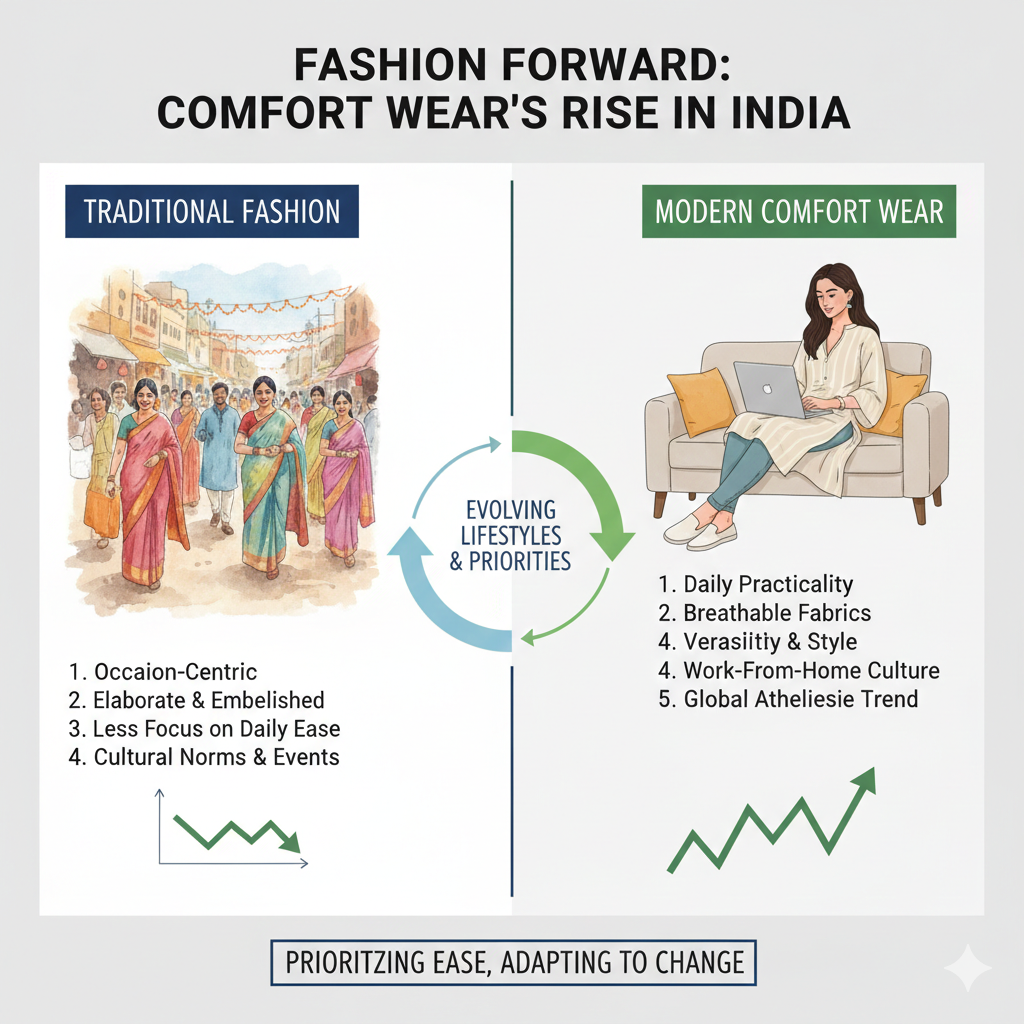
If the pandemic taught American consumers one thing, it was that they did not need to be uncomfortable to look presentable. Everyday fashion trends in the USA have tilted heavily toward comfort and functionality. The days of restrictive clothing for the daily grind are largely behind us.
Athleisure has evolved into “lifestyle wear.” Leggings, joggers, and performance fabrics are now acceptable in many social and professional settings. The lines between gym wear, loungewear, and street clothes have blurred permanently. Brands that prioritize fabric technology—stretch, moisture-wicking, and breathability—are winning.
This shift is also driven by the hybrid work model. With millions of Americans splitting time between home and the office, the “Zoom shirt” (business on top, comfort on the bottom) has given way to “power casual.” Wardrobes need to be versatile enough to handle a morning school run, a video conference, and an evening dinner without a costume change.
Changing Brand Expectations
Shoppers are demanding more from the companies they support. What consumers expect from fashion brands goes beyond just the product. They are buying into the company’s ethos.
Transparency & Ethics: Silence is no longer an option. Consumers expect brands to have a stance on social issues and to be open about their manufacturing processes. If a brand claims to be sustainable, they need the data to back it up.
Size Inclusivity: The call for representation is loud and clear. Brands that stop their sizing at a standard Large or 12 are leaving money on the table and alienating a massive portion of the US population. Shoppers want to see models of all sizes, ages, and ethnicities in marketing campaigns.
Responsiveness: In a digital world, customer service is public. Brands are expected to respond to trends, feedback, and complaints instantly. A slow or tone-deaf response can lead to a PR crisis that spreads virally.
Younger Generations & Fashion Choices
The future of retail is being written by Gen Z and Millennials. Their fashion preferences are distinct and often contradictory, driving the industry in new directions.
Gen Z is a generation of paradoxes. They are the most vocal advocates for sustainability, yet they are also the primary consumers of ultra-fast fashion brands like Shein. This disconnect is often driven by income—they want to be ethical, but they also want to participate in trends they can afford. They value individuality and use fashion as a tool for radical self-expression, often mixing vintage finds with new fast-fashion pieces.
Millennials, now entering their peak earning years, are shifting toward practicality and nostalgia. They are driving the resurgence of 90s and Y2K styles, seeking comfort in the familiar. They are also the generation most likely to research a brand’s values before making a purchase, prioritizing quality basics over fleeting trends.
What These Changes Mean for Fashion Brands
For retailers and designers, analyzing fashion industry consumer trends in the USA is a matter of survival. The old playbooks no longer work.
Adapting Supply Chains: Brands must become more agile. The traditional 12-month design-to-shelf cycle is too slow for the TikTok generation. Brands need to test small batches, gauge reaction, and scale up winners quickly to minimize waste and inventory overhead.
Sustainability as a Differentiator: Green initiatives cannot be an afterthought. They must be woven into the brand story. Offering repair services, take-back programs, or resale marketplaces on the brand’s own site helps build loyalty and circularity.
Data-Driven Personalization: Shoppers are willing to share data if it improves their experience. Brands must leverage AI and data analytics to offer personalized recommendations, correct sizing suggestions, and curated marketing that feels relevant to the individual, not the demographic.
Frequently Asked Questions (FAQ)
Q1. How are consumer fashion choices changing in the USA?
Consumers are moving away from mindless consumption toward more intentional purchasing. There is a greater focus on value, sustainability, and comfort. Shoppers are mixing high and low price points, utilizing resale markets, and relying heavily on social media for discovery and validation.
Q2. Why is sustainability influencing fashion buying decisions?
Increased awareness of climate change and unethical labor practices has made shoppers more conscious of their impact. Consumers are looking for eco-friendly materials, transparency in supply chains, and ways to extend the lifecycle of their clothes through resale and repair.
Q3. Are consumers spending less on fashion?
Not necessarily spending less, but spending differently. Inflation has curbed impulse buys, leading to a “quality over quantity” mindset for some, while others are trading down to cheaper alternatives (dupes) to maintain their lifestyle on a budget.
Q4. How does social media affect fashion trends today?
Social media accelerates the trend cycle, creating “micro-trends” that rise and fall quickly. Platforms like TikTok and Instagram act as discovery engines, where influencers and user-generated content drive demand for specific items almost overnight.
Q5. What fashion items are Americans buying more often?
Comfort-focused items continue to dominate. Sneakers, athleisure wear, versatile basics, and “power casual” workwear are seeing sustained growth. Secondhand and vintage clothing are also among the fastest-growing categories.
Q6. How do Gen Z and Millennials differ in fashion choices?
Gen Z tends to be more experimental, trend-focused, and willing to mix fast fashion with thrifted items. Millennials are increasingly prioritizing comfort, functionality, and investment pieces that offer longevity, often driven by nostalgia for 90s styles.
Q7. What do consumers expect from fashion brands in 2026?
Consumers expect total transparency regarding ethics and sustainability, genuine inclusivity in sizing and marketing, and a seamless integration of digital and physical shopping experiences. They want brands that align with their personal values.
Final Thoughts: The Future of Fashion Consumption in the USA
The landscape of American fashion consumption has shifted permanently. We are moving away from a model of uniform mass consumption toward a highly personalized, value-driven ecosystem. The future belongs to the adaptable—the shoppers who curate rather than collect, and the brands that listen rather than dictate.
For consumers, this era offers more power than ever before. With infinite choices and access to information, you have the ability to vote with your wallet, supporting practices that align with your ethics and finding styles that truly fit your life.
For the industry, the message is clear: evolve or fade away. The successful brands of the next decade will be those that can balance the demand for newness with the imperative for sustainability, all while offering genuine value in an uncertain economy. As we look ahead, the most stylish choice anyone can make is an informed one.